6 House-Training Steps That Work for Dachshunds
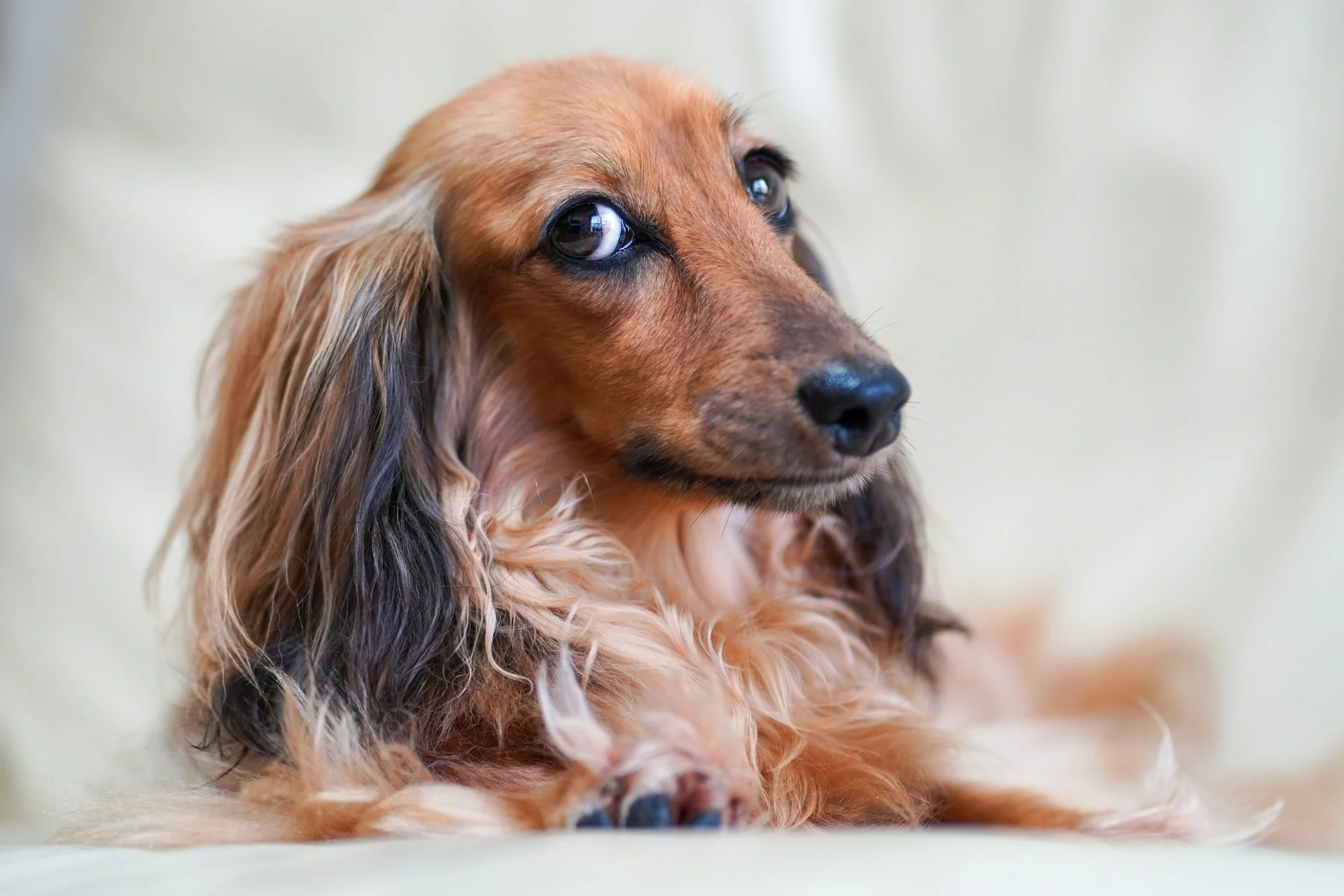
Dachshunds are tiny bundles of personality, often referred to as “hot dogs” for their long bodies and short legs, but anyone who owns one knows they come with big opinions—and even bigger bladders than you might expect. House-training a dachshund doesn’t have to feel like a never-ending battle, but it does require a clear plan, patience, and a few tricks to make the process smoother. These dogs are smart, independent, and sometimes stubborn, and they can get easily offended by anything from rain and wind to the very idea of going outside. With the right approach, you can make going potty outside a positive, even exciting experience for them.
Why Dachshunds Can Be Challenging but Are Trainable
Dachshunds were bred to work alone while hunting, which means they are naturally independent thinkers. They don’t automatically follow commands unless there’s something in it for them. Add to this their short legs and sensitive bellies, and you’ll find many dachshunds prefer to go indoors if given the chance. The good news is that consistency, timing, and rewarding the right behavior will help your dachshund understand exactly what you expect. With the right routine, going outside can become something they look forward to, rather than dread.
Step 1: Set a Routine Your Dachshund Can Rely On
Dogs, and dachshunds especially, thrive on predictable patterns. When you create a schedule and stick to it religiously, your dog will feel secure and understand exactly when it’s time to go outside. Take your dachshund out first thing in the morning, after every meal, after naps, after play sessions, and right before bedtime. Feed them at consistent times every day so you can anticipate when they’ll need to go. Puppies may need a potty break every two to three hours, while adult dachshunds can usually hold it longer. It’s always better to go outside too often than to wake up at 2 a.m. cleaning a rug.
Step 2: Choose a Potty Spot and Make It Exciting
Select a single outdoor area as your dachshund’s designated potty spot. Going to the same patch of grass or gravel each time helps your dog associate the location with the right behavior. Keep them on a leash so they focus solely on the task, and stand quietly without distractions. Use a simple cue like “go potty” when they begin, and celebrate immediately after they finish. Dachshunds respond well to clear cues combined with consistent reinforcement.
How to Reward Your Dachshund Effectively
Food is your dachshund’s currency. Tiny pieces of chicken, cheese, or their favorite treat work best to show them that going outside is worth it. Praise enthusiastically, as your excitement reinforces the behavior. Physical affection like hugs is nice, but for dachshunds, treats paired with joyful praise are far more motivating.
Step 3: Crate-Training Your Dachshund
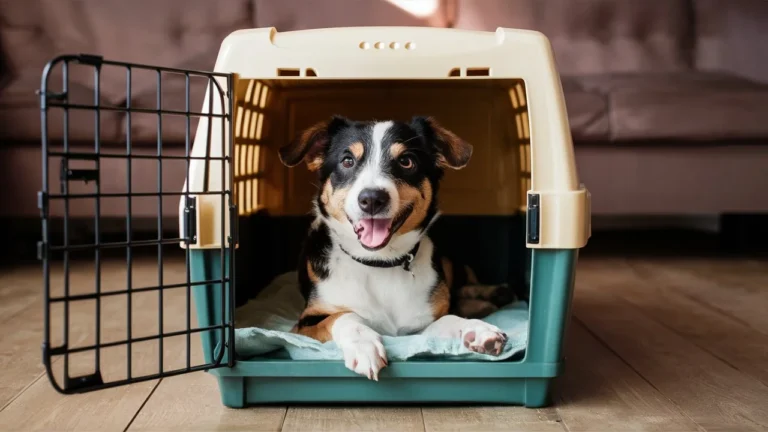
Crate training is an essential tool for preventing accidents and teaching bladder control. Think of the crate as a safe den, not a punishment. Your dachshund should be able to stand, turn around, and lie down comfortably without extra room at the back to use as a bathroom. Line the crate with soft bedding and a safe chew toy to make it a cozy retreat. Never use the crate for punishment, and always take your dog directly to the potty spot after crating. Immediate rewards help them associate the right behavior with the command.
Managing Crate-Time Whining
If your puppy cries in the crate, respond by taking them out quickly for a short potty break. If they don’t go, return them to the crate for 10–15 minutes before trying again. This method addresses their needs without teaching them that whining results in extra attention.
Step 4: Supervise Closely During Training
Until your dachshund is fully trained, supervision is critical. Prevent unsupervised wandering and eliminate hidden potty spots. Use baby gates or playpens to keep them in sight, or leash them indoors if needed. Watch for signs like sniffing, circling, or sneaking off—these are early signals that they need to go. If you catch them mid-squat, calmly redirect them outside, let them finish, and reward them immediately. Avoid yelling, as it teaches them to hide accidents instead of learning the correct behavior.
Step 5: Reward Strategically
Rewards are more effective when timed precisely. Give treats immediately after your dachshund finishes outside to strengthen the connection between the behavior and reward. High-value treats like bits of chicken or cheese work best initially, and you can gradually fade treats while keeping verbal praise consistent. The potty cue combined with routine will help your dachshund understand the command, making them more responsive over time.
Step 6: Handle Accidents Calmly
Accidents are a normal part of training. Approach them like a scientist: stay calm, clean thoroughly, and analyze the situation. Use an enzymatic cleaner to remove odors, preventing your dog from marking the same spot again. If accidents increase, adjust your routine by offering more frequent potty breaks and closer supervision. Maintaining structure is far more effective than punishing the dog.
Dealing with Weather and Other Challenges
Dachshunds’ short legs make wet grass particularly unpleasant. Outfit your dog with a coat, clear a small potty area, and keep trips brief and positive. If they refuse to go, try a short crate break and attempt again. Never allow them to go indoors “just this once,” as dachshunds are quick to remember loopholes and repeat the behavior.
Optional Tools That Can Help
Sometimes, a few tools make training much easier:
Door bells: Teach your dog to ring the bell before going outside. Reward proper use.
Phone reminders: Keep potty breaks consistent by setting alarms.
Grass potty mats: Useful for apartments; guide them and reward as if they were outside.
Pee pads are optional but can confuse dachshunds. If used, place them consistently and plan a gradual transition to outdoor pottying.
Milestones and Expectations
Expect frequent accidents in the first week or two. By weeks three to four, accidents typically decrease as routines solidify. Within two to three months, most dachshunds can follow a consistent schedule and may even hold it overnight. Keep in mind that setbacks can happen due to weather, stress, or changes in schedule. Maintaining a firm, consistent routine is the key to long-term success.
Troubleshooting Common Challenges
Some dachshunds may delay going outside for extra sniffing or playtime. Make potty time the priority and allow play only afterward. Track patterns to understand their schedule, and if a previously trained dog starts having accidents, check for medical issues like UTIs. A quick vet visit can save weeks of frustration.
FAQs About House-Training Dachshunds
How long does it take to house-train a dachshund?
Most dogs show solid progress within 3–6 weeks. Full reliability can take a couple of months, especially with weather or schedule disruptions.
Should I punish accidents?
No. Punishment teaches hiding, not learning. Interrupt gently, guide them outside, and reward completion.
What if my dachshund refuses to go in the rain?
Use a coat, clear a small potty patch, and keep trips short. Consistency is more important than weather conditions.
Can pee pads be used permanently?
Yes, but they may slow outdoor training. Treat them as a stepping stone, gradually transitioning your dog outside.
How do I know when they “get it”?
They’ll head to the door, go quickly after the cue, and hold it between breaks. Random praise maintains the habit.
Is crate training necessary?
Not mandatory, but highly effective. It prevents sneaky accidents and establishes a predictable rhythm that most dogs enjoy.
Conclusion of 6 House-Training Steps
House-training a dachshund is entirely possible without losing patience or your carpets. The keys are consistency, predictable routines, a designated potty spot, effective crate use, close supervision, and strategic rewards. Expect a little stubbornness and minor setbacks, but with calm persistence, your dachshund will quickly learn where and when to go. Your tiny detective will soon become an expert at finding the right spot every time.