
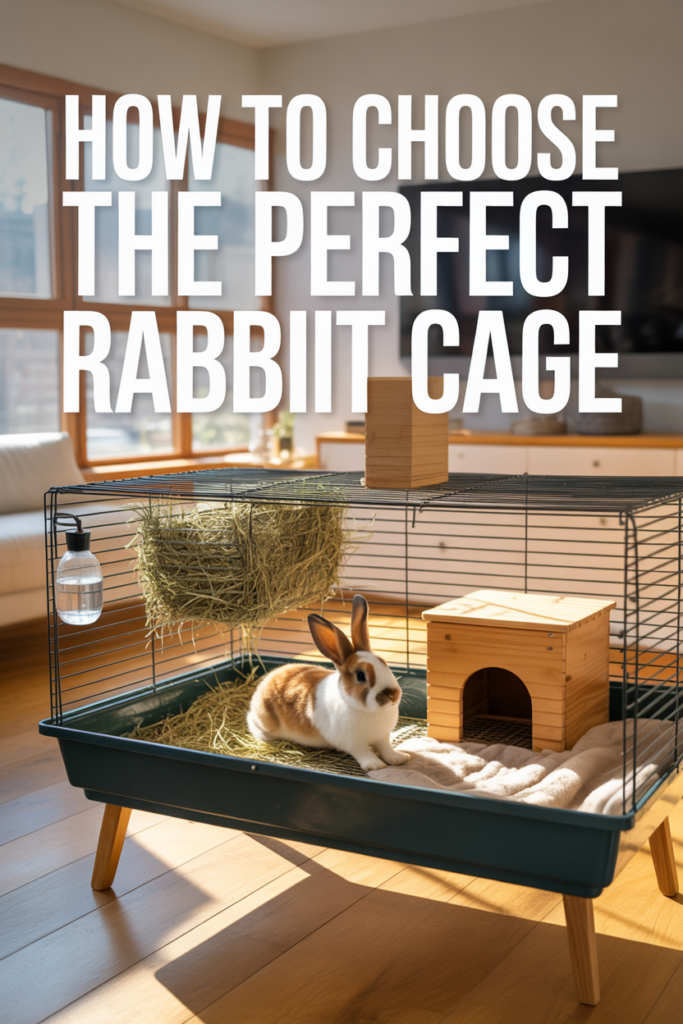
How to Choose the Perfect Rabbit Cage
When I brought my first rabbit home, I honestly thought any cage from the pet store would work. I quickly realized I was wrong. Choosing the right rabbit cage made a huge difference in my bunny’s behavior, comfort, and overall health. A cramped space left him restless and frustrated, while a larger and better-designed setup completely changed his mood.
A proper rabbit cage is more than just a place for sleeping. It becomes your rabbit’s personal space where they eat, relax, stretch, and feel safe throughout the day. After trying different cage setups over the years, I’ve learned that the right environment helps rabbits stay active, calmer, and much easier to care for.
Save For later
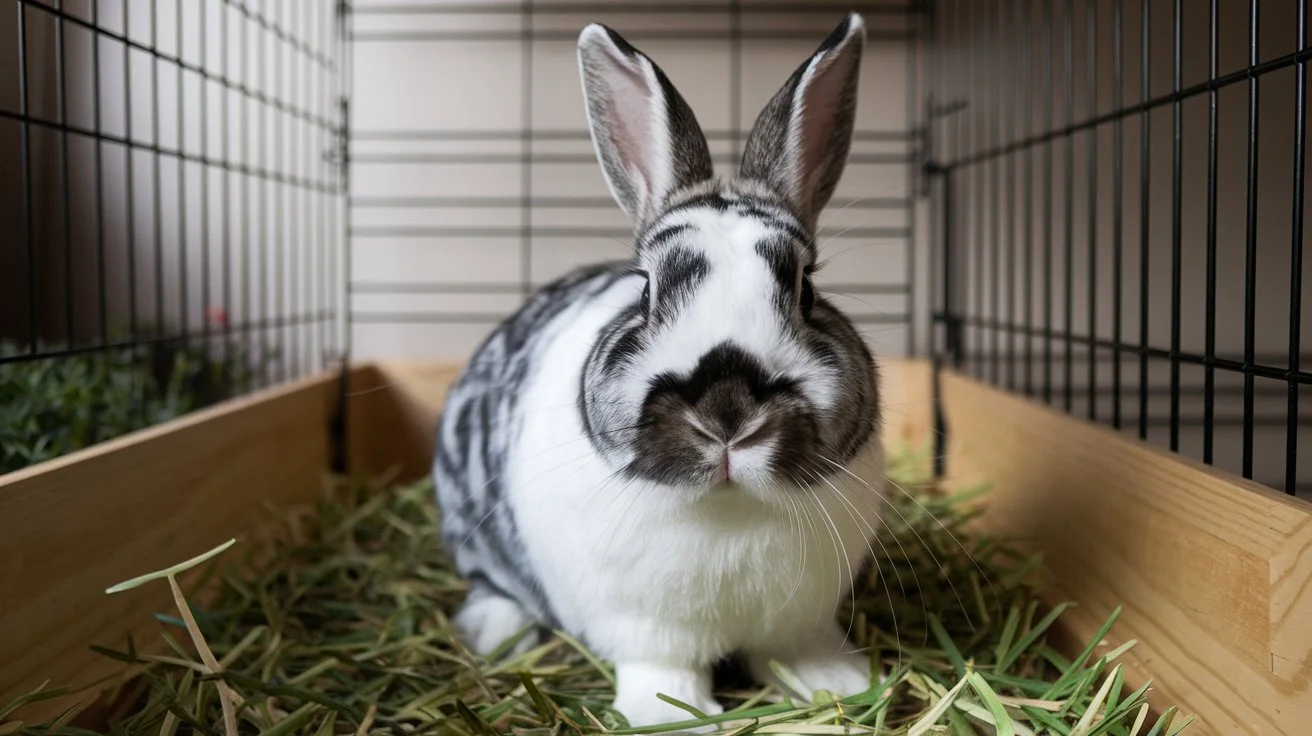
Key Takeaways
- Rabbits need large cages with enough room to hop and stretch fully
- Wire flooring can hurt rabbit feet and should always be avoided
- A cage with proper ventilation keeps the space cleaner and healthier
- Easy-to-clean cage designs save time and reduce odor problems
- Adding hiding spots and toys makes rabbits feel more secure
- The best rabbit cages support both comfort and daily movement
Pro Tip
One thing that helped me the most was placing the rabbit cage in a quiet part of my home where there wasn’t constant noise or foot traffic. Rabbits get stressed very easily, especially during the first few weeks in a new environment. I also started using washable waterproof mats underneath the cage because hay and litter scatter more than most new rabbit owners expect. Another small upgrade that worked well was attaching a hay feeder outside the cage bars to save extra space inside. I noticed my rabbits stayed calmer when they had a small covered hideout where they could rest during the day. If your rabbit spends several hours inside the cage daily, adding a soft resting mat can prevent sore feet over time. These small adjustments made my rabbits noticeably happier and easier to manage.
Why Cage Size Matters for Rabbits
One of the biggest mistakes I made early on was underestimating how much space rabbits truly need. Rabbits are naturally active animals that love to move around throughout the day. A small cage may look fine at first, but over time it can lead to boredom, stress, and unhealthy weight gain.
I now always recommend choosing the largest cage your space and budget allow. Your rabbit should be able to stand upright, hop several times, and stretch out fully without touching the sides. Larger rabbit cages also make room for litter boxes, toys, food bowls, and hiding areas without feeling overcrowded.
Related Posts
- Best Rabbit Housing Setup for Indoor Rabbits
- Healthy Homemade Beef Liver Rabbit Cat Food Recipe
- Essential Rabbit Care Tips for First-Time Bunny Owners
1. Size Matters (A Lot)

When it comes to rabbit cages, size truly makes a world of difference. A cage that is too small will limit your bunny’s movement, create frustration, and could even cause health issues over time. Rabbits are energetic little creatures, and they need room to hop, stretch, stand up on their hind legs, and explore.
Here’s a practical tip: your rabbit should be able to take at least three to four hops in any direction inside their cage. For most medium-sized rabbits, that means a cage that is at least four times the length of their body. If you have a larger breed, such as a Flemish Giant or a French Lop, bigger cages are not just better—they’re essential. Your bunny’s happiness and physical health will thank you.
Think of the cage as a combination of home, playground, and sanctuary. The extra space allows your rabbit to move freely, reduces stress, and even encourages natural behaviors like hopping, digging, or standing up to sniff around. If you’re ever torn between two cage sizes, always go with the larger one. Bigger cages give your rabbit the freedom they deserve.
2. Think Beyond the Cage
While the cage is the foundation of your rabbit’s home, it’s not the only space they need. Rabbits are curious explorers by nature. They love to run, jump, and investigate everything in their environment. Ideally, their cage should be part of a larger setup, like a playpen or a bunny-proofed room.
If your living space is limited, you can look for cages that are expandable or can be connected to a larger play area. This way, your bunny has a cozy home base to retreat to but also gets plenty of room to exercise, explore, and stay mentally stimulated. Providing both types of spaces—cage and roaming area—helps your rabbit develop naturally and keeps them happier in the long run.
3. Prioritize Safety
Rabbits are smart, curious, and sometimes mischievous little creatures. They chew, dig, and squeeze into unexpected spots. That’s why safety is a top priority when picking a cage. A safe cage prevents injuries, keeps your bunny secure, and gives you peace of mind.
Some key points to focus on:
- Solid flooring: Wire floors may look convenient, but they can hurt your rabbit’s delicate feet. A solid bottom or a soft mat or fleece liner will protect their paws and give them a comfortable surface to hop around on.
- Secure doors: Rabbits are surprisingly clever when it comes to finding an escape route. Make sure the doors have strong latches and are well-designed so your bunny cannot push them open.
- Non-toxic materials: Your rabbit will chew anything they can reach. Avoid cages made from harmful plastics or paints that could injure your bunny if ingested.
A safe cage isn’t just about preventing accidents—it’s about giving your rabbit a space where they can truly feel at ease and confident.
4. Easy to Clean (Because You’ll Be Doing It a Lot)
Cleaning a rabbit cage might not be the most glamorous task, but it’s absolutely necessary. Rabbits shed fur, scatter hay, and occasionally leave droppings where you least expect them. Choosing a cage that is easy to clean will make this chore far more manageable and will keep your bunny healthier and happier.
Some practical tips:
- Removable trays: These allow you to clean the cage without dismantling it completely. You can simply slide the tray out, clean it, and slide it back in—quick and hassle-free.
- Washable bedding and liners: Look for cages that use materials that can be washed or replaced easily. This keeps odors under control and prevents the buildup of bacteria.
- Accessible design: Make sure you can reach every corner of the cage without struggling. Wide doors or open sides make cleaning easier and less stressful.
Adding puppy pads or newspaper to the cage floor can also help absorb moisture, making cleaning faster and keeping your bunny’s living area fresh and dry.
5. Ventilation is Key

Rabbits are sensitive to heat, humidity, and stale air. Good ventilation is essential for keeping your bunny comfortable and preventing respiratory issues or stress.
- Wire sides: Cages with open wire panels provide airflow and prevent the space from becoming stuffy.
- Avoid glass or enclosed tanks: While glass enclosures may seem cute, they trap heat and moisture, creating an unhealthy environment for your rabbit.
A well-ventilated cage ensures your bunny stays cool in warmer weather and that air circulates properly, keeping their living space safe and comfortable.
6. Consider the Extras
While a cage’s basics are crucial, extra features can make life easier for both you and your rabbit. Some additions can enhance your bunny’s environment and provide more enrichment:
- Attached playpens: Extra space encourages exercise and exploration without needing constant supervision.
- Multi-level designs: Rabbits enjoy climbing and exploring different heights. Ensure that ramps are safe, gently sloped, and secure to prevent accidents.
- Storage compartments: Built-in storage for food, toys, and supplies keeps everything organized and accessible, so you can focus more on bonding with your rabbit rather than searching for essentials.
Extras are not just conveniences—they enrich your rabbit’s life and provide them with a stimulating environment that keeps boredom and stress away.
7. Budget Wisely

Rabbit cages vary widely in price, from budget-friendly options to premium setups. While it’s tempting to go cheap, remember that this is your rabbit’s home. Investing in a safe, durable, and comfortable cage is worth it.
That doesn’t mean you have to overspend. There are plenty of cages that are affordable yet meet all the key requirements: size, safety, ventilation, and ease of cleaning. Think of the cage as an investment in your rabbit’s happiness and health. Choosing wisely now will save you from costly medical issues or a stressed, unhappy bunny later.
8. DIY Options
If you enjoy crafting or want a custom setup tailored to your home, DIY cages are an excellent option. Modular C&C grids (cube shelves) are particularly popular because they are:
- Flexible and customizable
- Expandable as your rabbit grows
- Easy to clean and maintain
When building a DIY cage, secure all grids tightly with zip ties and add a solid floor or soft mat for your rabbit’s comfort. A DIY cage allows you to create a living space that perfectly suits both your home and your bunny’s personality while still being safe, spacious, and functional.
Final Thoughts of How to Choose the Perfect Rabbit Cage
Choosing the right rabbit cage is one of the most important decisions you’ll make as a rabbit owner. Size, safety, ventilation, and ease of cleaning should always come first, with extra features added to enhance your bunny’s comfort and enjoyment.
Remember, a cage is just the starting point. Rabbits need time outside of their enclosure to explore, exercise, and bond with you. Watching your bunny thrive, hop freely, and interact with their environment is one of the greatest rewards of being a rabbit owner.
Invest in a thoughtful, safe, and spacious home for your bunny, and you’ll be rewarded with a happy, healthy companion who feels truly loved and secure.
All content on this site is written and reviewed by our experienced team to ensure it is accurate, reliable, and helpful for our readers. Our Our Process page explains how we carefully research and create high-quality content, while our Team page introduces the professionals behind our work. We also provide clear guidelines for content or image concerns on our Image Removal page, so you can trust that we prioritize transparency, quality, and reader safety.