7 Biggest Mistakes Beagle Owners Make (And How to Avoid Them)
Beagles have a special talent for making themselves impossible not to love. Between those expressive eyes, soft floppy ears, curious noses, and permanently wagging tails, it’s easy to forget that you’re living with a determined little hunting hound.
They’re affectionate, social, clever, energetic, and endlessly curious—but those same qualities can create challenges when their needs aren’t understood.
Whether you’re bringing home your first Beagle or you’ve already discovered that your dog has opinions about absolutely everything, avoiding a few common mistakes can make everyday life much easier.
Here are seven of the biggest ones to watch for.
1. Not Understanding Their Energy Levels
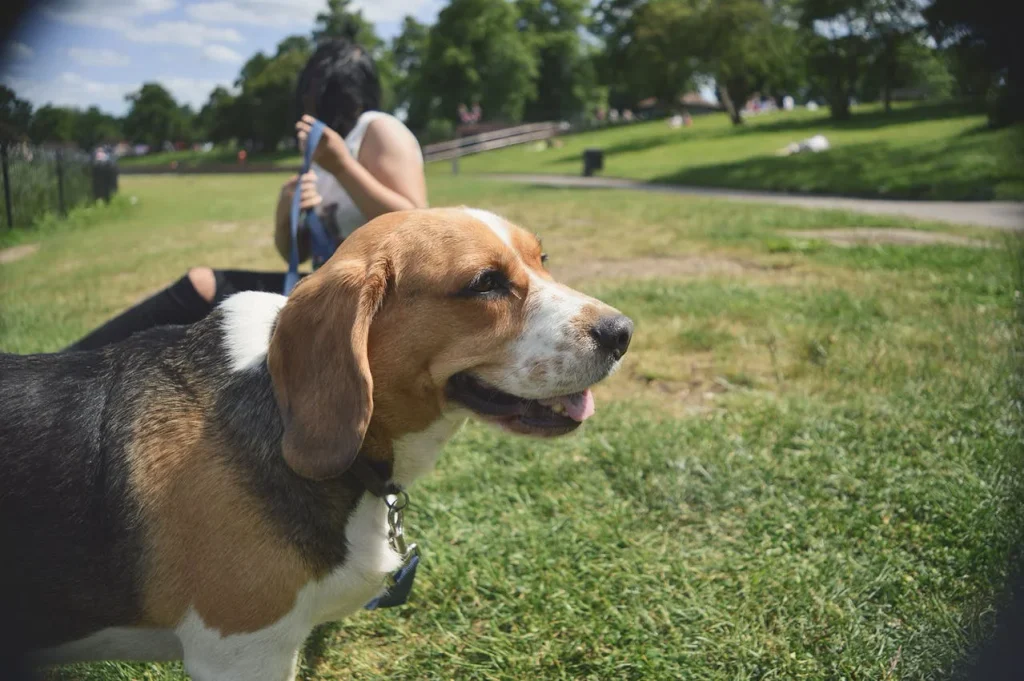
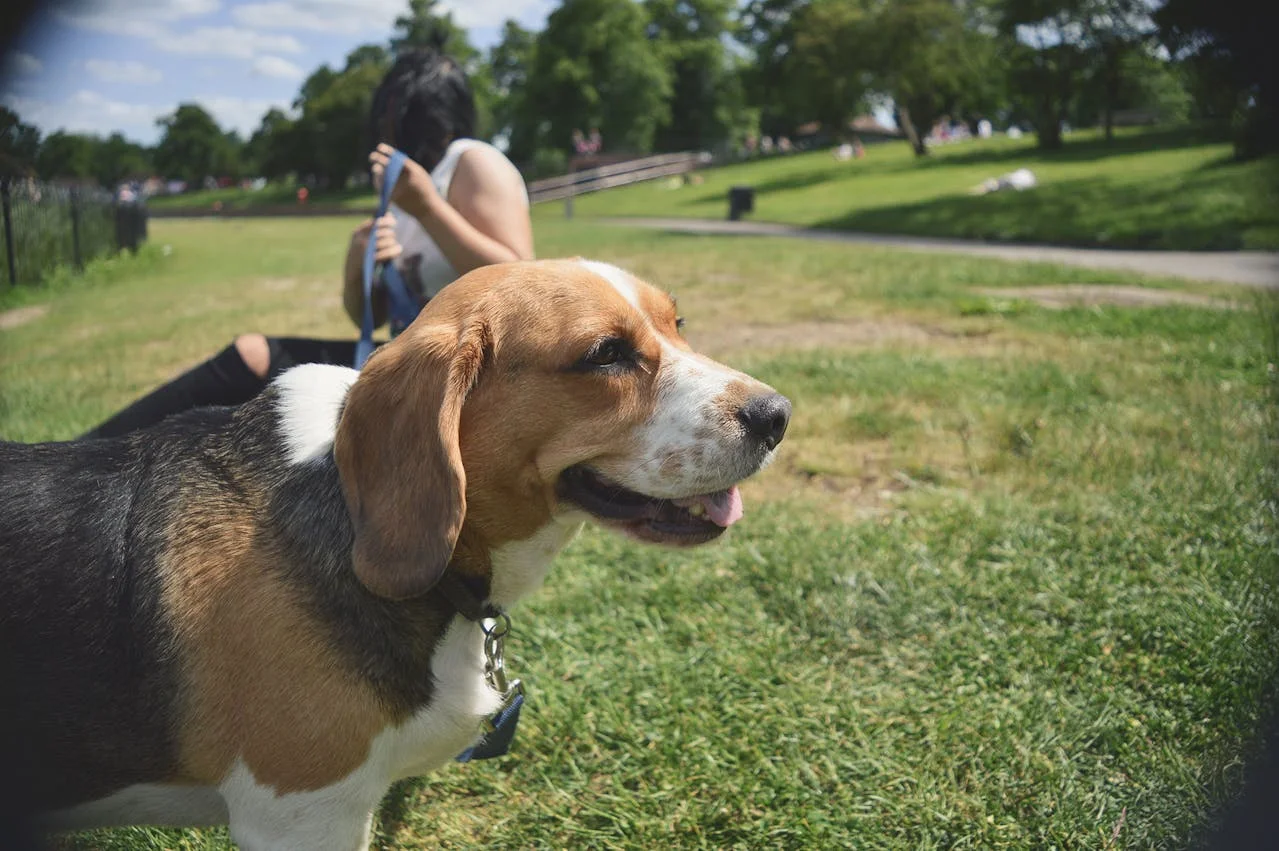
A Beagle may fit comfortably into a relatively small home, but that doesn’t mean they’re a low-energy couch potato.
These dogs were developed to follow scent trails and work for extended periods, so they need regular physical activity as well as opportunities to explore. Simply letting your Beagle into the backyard for a few minutes usually isn’t enough to satisfy that working-dog brain and body.
A Beagle who isn’t getting enough activity may look for something else to do. Unfortunately, that “something” could involve digging, barking, stealing objects, or turning your household items into chew toys.
Solution: Build movement into your dog’s everyday routine. Walks are excellent, but don’t make every walk a race around the block. Give your Beagle opportunities to sniff, investigate, and explore safely.
You can also rotate activities such as:
- Brisk walks
- Scent games
- Fetch
- Training games
- Supervised outdoor play
- Age-appropriate agility or other dog sports
For puppies, avoid turning exercise into excessive jumping or strenuous activity. Their bodies are still developing, so play and exercise should be age-appropriate.
2. Ignoring Their Incredible Sense of Smell
Your Beagle’s nose isn’t just there to make them look adorable.
Scent is one of the breed’s defining characteristics. Beagles were bred to follow the trails of rabbits and hares, and that instinct hasn’t disappeared just because your dog now spends most of the day in the living room.
That means an interesting smell can suddenly become much more important to your Beagle than whatever you were saying two seconds earlier.
A loose gate, open front door, or unsecured yard can become an escape opportunity.
Solution: Treat containment and leash safety seriously.
Make sure fencing is secure, check gates regularly, and don’t assume your Beagle will reliably ignore an exciting scent just because they’ve learned a recall command.
Practice recall in controlled environments and gradually increase distractions. For situations where running loose isn’t safe, use a leash or appropriately managed long line.
A strong recall is valuable—but physical safety measures should remain your first line of defense.
3. Underestimating Their Stubbornness
Beagles aren’t unintelligent dogs. Quite the opposite.
The challenge is that they’re capable of thinking independently, especially when something more interesting has captured their attention. A scent on the ground can sometimes compete very effectively with your request to come inside.
Training works best when you make cooperation worthwhile rather than turning every lesson into a battle of wills.
Solution: Keep training sessions positive, consistent, and short enough to hold your dog’s attention.
Reward behaviors you want to see repeated. Small treats can be especially useful because many Beagles are highly food-motivated. The AKC also recommends patience and positive reinforcement rather than harsh training methods.
Work on simple skills regularly:
- Sit
- Stay
- Come
- Leave it
- Drop it
- Loose-leash walking
- Settle
Don’t expect perfection after a handful of sessions. Repetition in different locations is what turns a behavior learned in your kitchen into a skill your dog can use around real-world distractions.
4. Not Socializing Them Early Enough
A friendly breed still needs proper socialization.
During puppyhood, carefully introducing a Beagle to different people, environments, sounds, surfaces, and appropriately vaccinated dogs can help them become more confident as adults. Early socialization is particularly important during the puppy’s developmental period.
And socialization isn’t simply throwing your puppy into the busiest dog park you can find.
The goal is positive, controlled exposure—not overwhelming the puppy.
Solution: Introduce new experiences gradually and pair them with things your dog enjoys.
You might expose your puppy to:
- Different people
- Calm, appropriate dogs
- Car rides
- Household noises
- Different walking environments
- Grooming and handling
- New surfaces
- Being calmly left alone for short periods
Puppy training classes can also provide useful structure.
Always pay attention to your dog’s body language. If they’re frightened or overwhelmed, increase distance and make the situation easier rather than forcing them to interact.
5. Overfeeding Them (Because, Let’s Be Real, They Love to Eat)
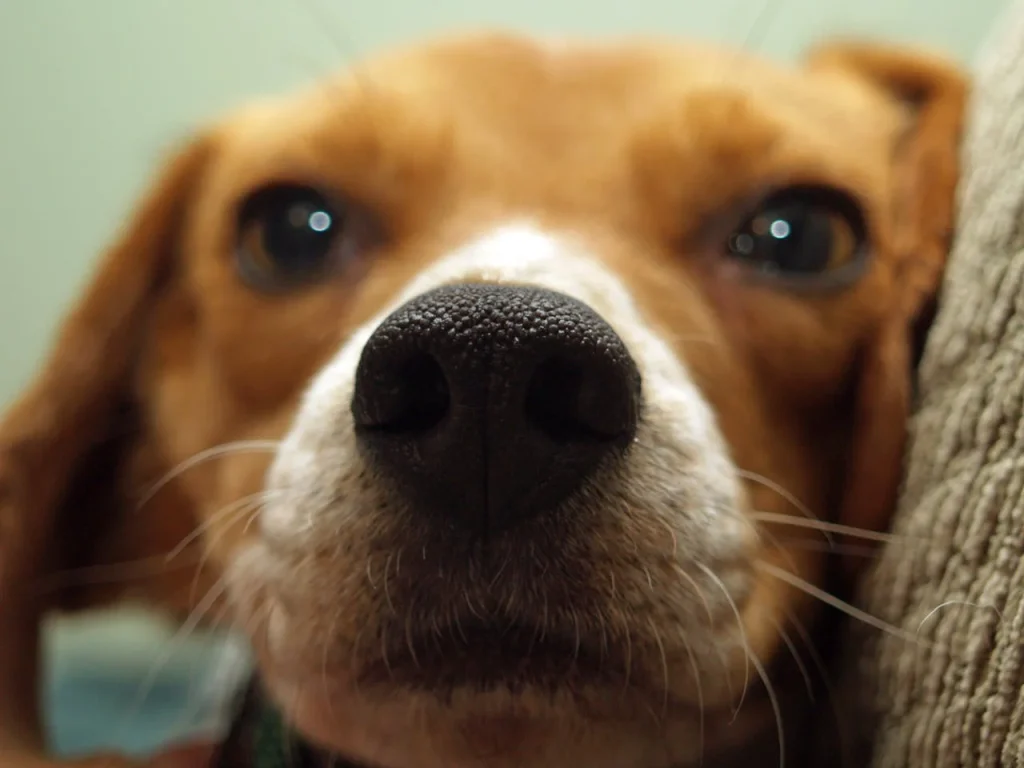
Few things are more convincing than a Beagle staring directly into your soul while pretending they haven’t eaten since 2014.
That expression can make portion control surprisingly difficult.
But giving extra food every time your dog begs can gradually push their calorie intake far beyond what they actually need.
Keeping your Beagle at a healthy body condition is important because excess weight can place additional stress on the body and make exercise more difficult.
Solution: Measure meals instead of eyeballing them.
Use your dog’s feeding recommendations as a starting point and adjust based on body condition, activity level, age, and veterinary advice.
And remember to count treats.
Training treats, dental treats, table scraps, food puzzles, and toppers all contribute calories. If you’re using food frequently during training, use very small pieces and account for those calories as part of the day’s overall intake.
Those pleading eyes are powerful.
Your measuring cup needs to be stronger.
6. Not Providing Enough Mental Stimulation
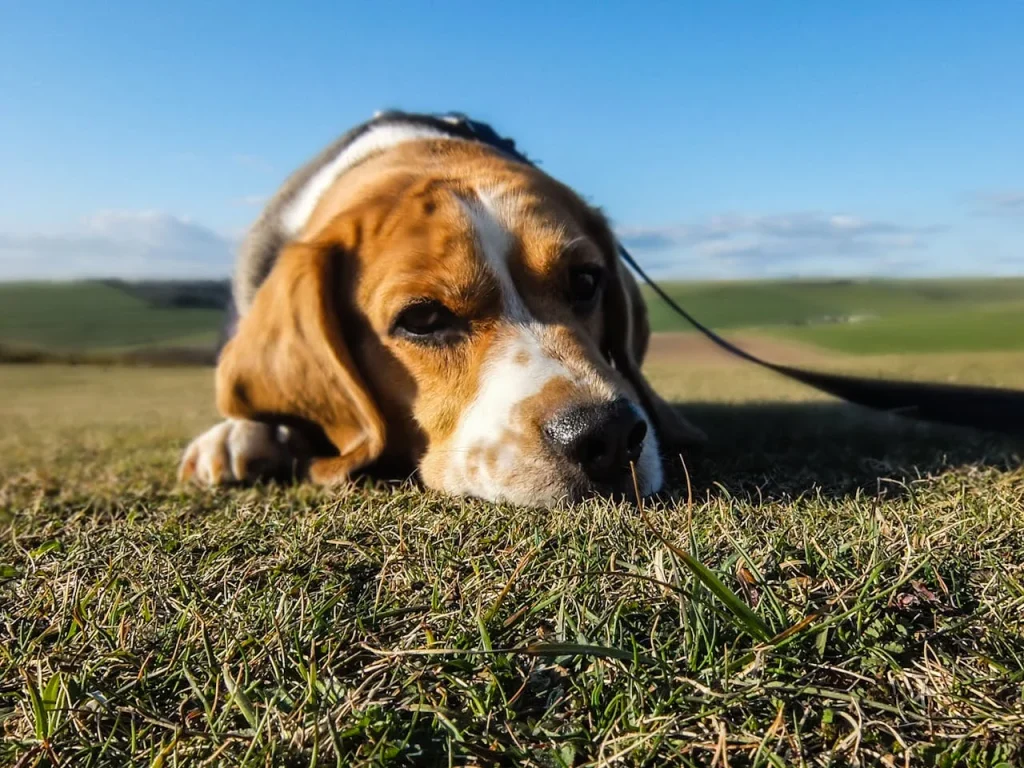
A Beagle doesn’t only need to move their legs. They need to use their nose and brain, too.
Because scent work is such a natural part of the breed, activities that allow safe sniffing and searching can be particularly rewarding.
A dog who spends the entire day with nothing interesting to do may eventually invent their own entertainment.
And Beagle creativity can be impressive.
Solution: Give your dog appropriate jobs and challenges.
Try rotating activities such as:
- Treat-search games
- Puzzle feeders
- Snuffle mats
- Hide-and-seek
- Basic obedience training
- Scent games
- Food-dispensing toys
- New walking routes
You don’t need to spend hours buying complicated gadgets. Hiding a few pieces of your dog’s normal food around a safe area and encouraging them to sniff them out can turn an ordinary meal into an engaging activity.
Mental work can be tiring, too.
7. Thinking Their Howling Is Just “Cute”

Beagles have a wonderfully expressive voice.
They can bark, bay, whine, and make plenty of other noises, and their hound heritage is partly responsible for that distinctive vocal nature. Scenthounds commonly vocalize while excited, nervous, or focused on something interesting.
The mistake isn’t enjoying their funny little noises.
The mistake is assuming excessive vocalization will automatically disappear without teaching your dog how to settle.
Solution: First figure out why your Beagle is vocalizing.
Are they:
- Bored?
- Excited?
- Seeking attention?
- Responding to another dog?
- Reacting to something outside?
- Frustrated?
- Anxious?
- Following an interesting scent?
Addressing the underlying reason is much more useful than simply shouting “quiet” repeatedly.
You can teach a calm “quiet” cue by rewarding brief moments of silence and gradually increasing the amount of quiet behavior you expect.
Also make sure your Beagle gets enough physical and mental activity throughout the day. A dog with appropriate outlets is generally easier to settle than one who has spent the day with nothing to do.
FAQs
Q: Are Beagles hard to train?
Beagles are intelligent and capable of learning a wide range of behaviors, but their independent nature and powerful scent drive can make training more challenging than it initially appears.
They often respond well to positive reinforcement, particularly when rewards are motivating. Keep sessions consistent, make the desired behavior worthwhile, and practice around gradually increasing distractions.
Q: How much exercise does a Beagle need?
There isn’t one exact exercise requirement that fits every Beagle.
Age, health, fitness, personality, and individual energy levels all matter. Adult Beagles generally need regular daily physical activity and mental engagement, while puppies need age-appropriate play and exercise rather than strenuous workouts.
Don’t overlook sniffing and training, either. For a scent hound, exploring the world with their nose can be meaningful enrichment.
Q: Do Beagles really howl a lot?
Beagles are known for being vocal, and their hound background helps explain why.
Some individuals are considerably louder than others. You can work on reducing nuisance vocalization by identifying the trigger, providing sufficient enrichment, teaching calm behaviors, and rewarding appropriate quiet behavior.
Q: Are Beagles good with kids?
Beagles are generally described as friendly, social, and easygoing, and they can make wonderful family companions.
However, every dog is an individual.
Children should be taught how to interact respectfully with dogs, and young children should always be supervised around any dog. Give your Beagle a quiet place where they can retreat when they want space.
Q: How do I keep my Beagle from running away?
Take their scent drive seriously.
Use secure fencing, keep doors and gates properly closed, use a leash in unsecured areas, and practice recall regularly.
Because Beagles can become intensely interested in scents, don’t rely on obedience alone to keep them safe. Good training should be combined with appropriate physical containment.
Final Thoughts
Life with a Beagle can be hilarious, energetic, occasionally chaotic, and incredibly rewarding.
They’re not simply small dogs with cute ears. They’re scent hounds with a history of working alongside people, and many of their quirks make much more sense once you understand what they were bred to do.
Give your Beagle enough activity, let them use that impressive nose, make training rewarding, provide plenty of mental enrichment, manage their food intake, and take their escape skills seriously.
Most importantly, don’t expect your Beagle to behave like a completely different breed.
That curious nose, cheerful personality, food obsession, and wonderfully dramatic voice are part of what makes them Beagles.
Work with those traits instead of constantly fighting them, and you’ll have a much happier dog—and a much more enjoyable life together. 🐾