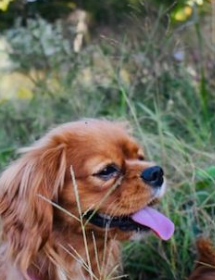

7 Puppy Care Tips Every Golden Retriever Owner Should Know
Golden Retriever puppies have a special talent for turning an ordinary day into a combination of cuddles, zoomies, stolen socks, and a surprising amount of fur.
They’re friendly, intelligent, eager to learn, and usually ready to follow you absolutely everywhere. But those lovable qualities still need direction. The habits you establish during puppyhood can make everyday life much easier as your Golden grows.
From early socialization and potty training to food, exercise, grooming, and basic health care, here are the practical foundations for raising a confident and well-adjusted Golden Retriever.
Want a Better-Trained, Happier Dog?
Get practical guidance for obedience, behavior, and everyday dog training with a collection of helpful training guides designed for dog owners.
This post may contain affiliate links. If you purchase through our link, we may earn a commission at no additional cost to you.
Start Strong with Smart Socialization

Those first encounters with the world can shape how your puppy responds to new experiences later on. Between 8–16 weeks, introduce your Golden to a variety of people, friendly dogs, household noises, surfaces, and environments in a calm and controlled way.
Keep each experience brief enough that your puppy remains comfortable. Pair unfamiliar things with treats, praise, and plenty of positive reinforcement.
How to Make Socialization Easy
- Puppy playdates: Choose vaccinated, gentle dogs with appropriate play styles. A calm one-on-one meeting is often easier for a young puppy than an overwhelming dog park.
- Noise training: Introduce recordings of thunderstorms, fireworks, traffic, and other everyday sounds at a low volume while your puppy is eating or enjoying something positive.
- Touch tolerance: Gently handle ears, paws, tail, and other body areas so your puppy becomes comfortable with routine handling before veterinary appointments or grooming sessions.
House Training Without Tears (Yours or Theirs)
Potty training is mostly about timing, supervision, and repetition. Instead of waiting for your puppy to decide when it’s time to go outside, create predictable opportunities throughout the day.
Disclosure: As Amazon Associates, we earn from qualifying purchases at no extra cost to you.
Your Golden Potty Plan
- Crate train: A properly sized crate can provide a secure resting area while helping establish good potty habits. Think of it as a quiet bedroom rather than a punishment zone.
- Take them out: Make outdoor potty trips part of the routine first thing in the morning, after meals, following play, after naps, and before bedtime.
- Pick a spot: Returning to the same patch of grass can help create consistency. Use a simple cue such as “Go potty,” then immediately praise your puppy when they succeed.
- Accidents happen: Clean indoor accidents thoroughly with an enzyme cleaner and avoid scolding. Punishment can create confusion without teaching your puppy what you actually want.
Feeding a Golden Stomach (AKA A Void That Knows No Bottom)
Golden Retrievers can make an empty food bowl look like a personal tragedy. Their enthusiasm for eating doesn’t necessarily mean they need more food.
Puppies need carefully managed nutrition while their bones and joints are developing, so feeding choices should focus on appropriate growth rather than simply satisfying those dramatic hungry eyes.
What to Feed and How Much
- Choose a large-breed puppy formula: Look for a diet formulated specifically for large-breed puppies, with appropriate calcium and phosphorus levels to support controlled bone development.
- Stick to a schedule: Feed 3 meals/day until 6 months, then transition to 2 meals/day. Avoid leaving food available for unrestricted grazing.
- Measure food: Use the feeding guidance on the package as a starting point and adjust according to your puppy’s body condition rather than responding to every request for another meal.
- Mind the extras: Keep treats to a maximum of 10% of daily calories. Carrots, green beans, and suitable training treats can be useful low-calorie options.
Watch Out for Bloat
Large and deep-chested dogs can develop gastric dilatation-volvulus (GDV), a serious emergency.
Use a slow-feeder bowl if your puppy eats too quickly, avoid hard exercise for about 60 minutes before and after meals, and divide food into two smaller meals rather than one very large meal.
Training: Brains Before Brawn
[Golden retriever puppy being gently handled, paws and ears]
Golden Retrievers tend to be enthusiastic learners, which gives you a major advantage during training. Use that eagerness to build good habits early rather than waiting until unwanted behaviors become established.
Keep sessions positive, short, and rewarding. A puppy that enjoys training is much more likely to stay engaged.
Core Cues Every Golden Should Nail
- Name recognition: Say your puppy’s name once. When they turn toward you, mark the response and reward it. This creates the foundation for attention.
- Come: Begin somewhere controlled and use a leash when appropriate. Make coming back to you highly rewarding so the behavior becomes valuable even when distractions appear.
- Sit, down, stay: Aim for short 3–5 minute sessions, 2–3 times/day. Finish while your puppy is still interested rather than pushing until they lose focus.
- Leave it/drop it: Golden puppies investigate the world with their mouths, so these cues are especially useful for preventing them from grabbing things they shouldn’t.
Chewing and Biting (Because Teething Is Real)
Puppy teeth are going to find things they shouldn’t. Instead of turning every bite into a confrontation, redirect that energy toward an appropriate chew or toy.
Frozen wet washcloths and puppy-safe chew toys can provide relief during teething. If your puppy bites your hand, briefly say “Ouch,” remove your attention, and then offer an appropriate toy when you re-engage.
A squeaky toy can also be a useful distraction when you need to redirect that little land shark.
Exercise: Tired Brain, Happy Pup

Golden Retrievers are active dogs, but puppies shouldn’t be treated like miniature endurance athletes.
Their developing joints need sensible activity rather than excessive running, jumping, or repetitive impact. Combine gentle physical activity with mental challenges to tire your puppy without overloading their growing body.
How Much Is Enough?
- 5-minute rule: Use about 5 minutes of structured exercise per month of age, up to twice a day. For example, a 4-month-old puppy would get around 20 minutes per session.
- Avoid high-impact jumps: Skip long runs, repetitive fetching on hard surfaces, and extended stair sessions until the growth plates have closed (approximately 12–18 months).
- Mix it up: Sniffing walks, gentle games on grass, puzzle toys, and short training exercises provide variety without relying entirely on physical exercise.
Brain Games Goldens Love
- Scatter feeding in the yard and let your puppy search for the pieces using their nose.
- Use snuffle mats and puzzle feeders for supervised enrichment.
- Play hide-and-seek with yourself or a favorite toy.
- Practice short trick sessions such as spin, touch, and bow. Learning something new can be surprisingly tiring.
Grooming: Manage the Fluff Before It Manages You
Golden Retriever hair has a remarkable ability to appear in places you swear your dog has never visited.
You won’t eliminate shedding, but regular grooming can keep the coat healthier and make the amount of loose fur around your home much more manageable.
Weekly Grooming Checklist
- Brushing: Use a slicker brush and undercoat rake 2–4 times/week. Increase brushing during heavier shedding periods in spring and fall.
- Bathing: Bathe every 4–6 weeks or when your dog actually needs it. Rinse extremely well because shampoo residue can irritate the skin.
- Ears: Clean weekly with a dog-safe ear cleaner. Goldens that spend lots of time in water can be particularly prone to ear buildup.
- Nails: Trim every 2–3 weeks. If you regularly hear nails clicking across hard flooring, they may already be overdue.
- Teeth: Brush several times a week. Dental chews can provide additional support, but they shouldn’t replace brushing.
Coat Care Don’ts
- Don’t shave the coat: The Golden’s double coat provides insulation and helps protect the skin, so shaving isn’t the solution to shedding or summer heat.
- Don’t ignore mats: Pay particular attention to areas behind the ears, beneath the collar, and around the feathered “pants.” Moisture can make tangles tighten quickly.
Health Basics You Shouldn’t Wing
Golden Retrievers can be affected by several breed-related health concerns. Genetics aren’t something you can completely control, but sensible daily care and appropriate veterinary attention can support your puppy’s long-term health.
Vet Care Timeline
- Vaccines: Core puppy vaccinations are commonly given around 8, 12, and 16 weeks. Ask your veterinarian which additional vaccines are appropriate based on risks in your area, such as leptospirosis or Lyme disease.
- Deworming and fecal checks: Puppies can pick up intestinal parasites, so routine fecal testing and deworming recommendations from your veterinarian are important.
- Spay/neuter timing: Some veterinarians recommend delaying these procedures in large breeds until later in development. Discuss timing with your vet based on your dog’s individual health, activity, and lifestyle.
- Hip/elbow health: Maintaining a healthy body weight is important for developing joints. Discuss omega-3s or other joint-support supplements with your veterinarian before adding them.
Red Flags to Watch
Contact your veterinarian if you notice concerning or persistent symptoms such as:
- Persistent limping or stiffness after play.
- Repeated ear infections or frequent head shaking.
- Ongoing itching, hot spots, or unexplained hair loss.
- Lethargy, vomiting, or diarrhea lasting more than a day.
Build a Routine You Can Actually Keep
A puppy doesn’t need a perfect schedule, but predictable routines make daily life easier for both of you.
When meals, potty breaks, play, training, rest, and bedtime happen around familiar times, your Golden has fewer reasons to turn the day into a guessing game.
Sample Daily Rhythm
- Morning: Potty break, short training session, breakfast, then some quiet chew time.
- Midday: Potty, play, and a nap—because puppies need plenty of sleep.
- Afternoon: A walk or brain game followed by a socialization opportunity.
- Evening: Dinner, gentle play, a quick grooming session, final potty break, and crate bedtime.
FYI: A routine isn’t about making every minute rigid. It gives your puppy predictable patterns, which can make your own day easier too.
FAQ
When can my Golden Retriever puppy go on real walks?
Once your veterinarian confirms that your puppy has received the appropriate vaccinations for your area, you can begin introducing neighborhood walks—often around 16 weeks.
Start with short, relaxed outings where your puppy has opportunities to sniff and explore. Before they’re fully protected, carrying your puppy in public or using areas with low exposure to unfamiliar dogs can provide safer ways to experience the outside world.
How do I stop my Golden from jumping on guests?
Teach your puppy an alternative behavior, such as sitting, and reward it generously.
Ask visitors to avoid rewarding jumping with attention. Once all four paws are back on the floor, the guest can calmly interact with the puppy.
Everyone needs to follow the same rule for the behavior to improve consistently.
What’s the best chew for a teething Golden puppy?
Choose chew products specifically designed for puppies, such as appropriately sized rubber toys, frozen Kongs filled with a small amount of yogurt or wet food, and suitable soft nylon chews.
Avoid cooked bones and extremely hard objects. A simple rule of thumb from the source is the “thumbnail test”: if you can’t make an indentation with your nail, the item may be hard enough to damage a tooth.
My Golden eats everything outside. Help?
Start reinforcing a reliable “leave it” cue every day rather than only using it when your puppy has already grabbed something.
Keep your puppy on a leash during walks so you can prevent scavenging while the behavior is being trained. Reward voluntary check-ins with you, and provide an appropriate stuffed toy or chew after the walk to give your puppy another outlet for that natural foraging instinct.
Should I worry about hip dysplasia?
It’s worth taking a proactive approach to joint health.
Keep your puppy at a healthy body condition, avoid repetitive high-impact exercise during growth, and use an appropriate large-breed puppy diet. Talk with your veterinarian about screening as your dog matures and whether joint supplements are appropriate.
How much shedding should I expect?
Expect plenty of it.
Golden Retrievers shed throughout the year and often have heavier shedding periods during spring and fall. Regular brushing, appropriate nutrition, and routine bathing can help manage loose fur.
During heavier shedding seasons, increase your brushing frequency and keep a lint roller close by. Your furniture will appreciate the effort.
Conclusion
Raising a Golden Retriever puppy is equal parts rewarding and chaotic. One minute you’re working on a calm training session, and the next you’re wondering why your puppy has disappeared with a sock.
The basics make the biggest difference: introduce your puppy to the world thoughtfully, establish reliable potty habits, feed for healthy growth, train with positive reinforcement, provide age-appropriate exercise, and stay consistent with grooming and veterinary care.
You don’t have to get every day perfect. Build good routines, reward the behaviors you want, and give your Golden plenty of opportunities to learn. The result is a puppy who can grow into the confident, well-mannered adventure companion you hoped for—and yes, probably still a professional sock thief.