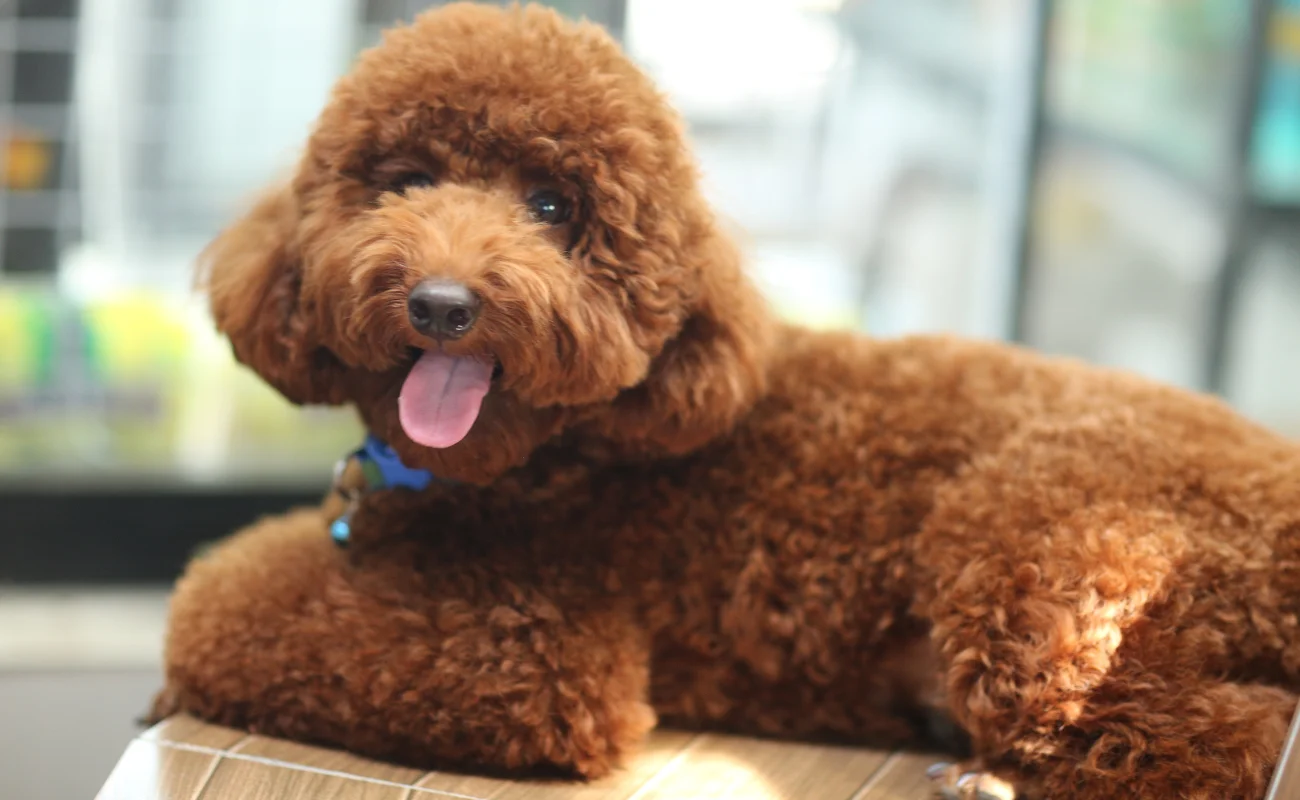
9 Foods You Should Never Feed Your Poodle
Poodles are incredibly smart, sensitive, and full of personality. After many years caring for dogs, grooming them, and preparing homemade meals, I’ve noticed that Poodles are especially delicate when it comes to food.
Save For Later
A single dietary mistake can trigger digestive issues, skin problems, or even emergency vet visits. In this guide, I’m sharing the nine foods I always avoid giving my Poodles to keep them thriving.
Key Takeaways
- Poodles have sensitive digestion and react quickly to toxins.
- Common foods like chocolate and grapes can cause severe illness or organ failure.
- Small breeds, especially Toy Poodles, are more vulnerable to toxins.
- Artificial sweeteners like xylitol are life-threatening.
- A protein-rich, clean diet supports coat health and overall wellbeing.
1. Chocolate
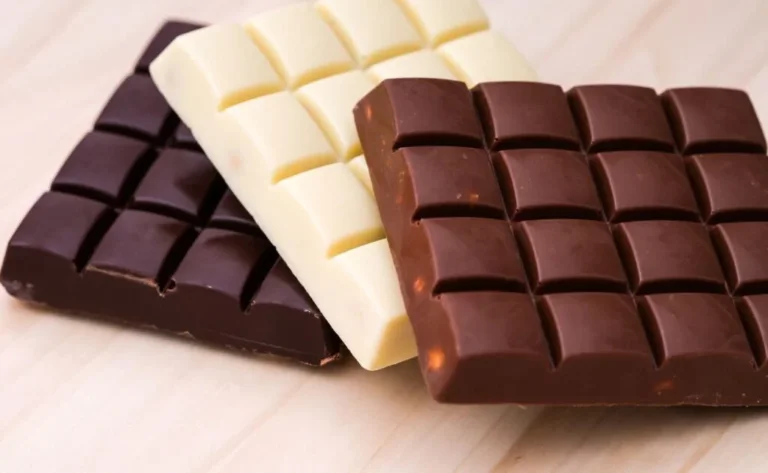
Chocolate is extremely toxic to Poodles due to theobromine and caffeine. From my experience, even a small amount can trigger vomiting, diarrhea, tremors, or rapid heartbeats, especially in smaller Poodles. Dark and baking chocolate are the worst, with some containing up to 450 mg of theobromine per ounce. For safety, I never leave chocolate anywhere my Poodles can reach.
Pro Tip: If your Poodle accidentally eats chocolate, contact your vet immediately—even a tiny piece can be dangerous.
2. Grapes and Raisins
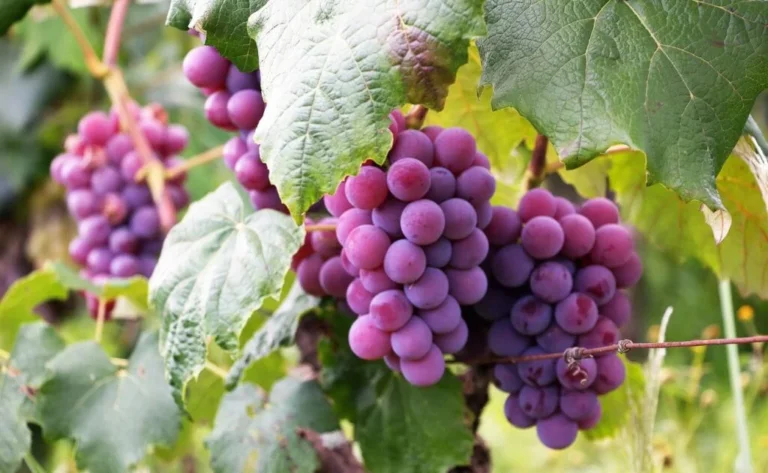
I’ve seen firsthand how unpredictable grapes and raisins can be for Poodles. Just a few pieces can lead to kidney failure within 24–72 hours. Symptoms include vomiting, dehydration, and loss of appetite. Since we don’t know the exact toxin, I consider grapes and raisins completely unsafe for dogs of any size.
Pro Tip: Always double-check trail mixes and baked goods—grapes or raisins can hide in snacks.
3. Onions and Garlic
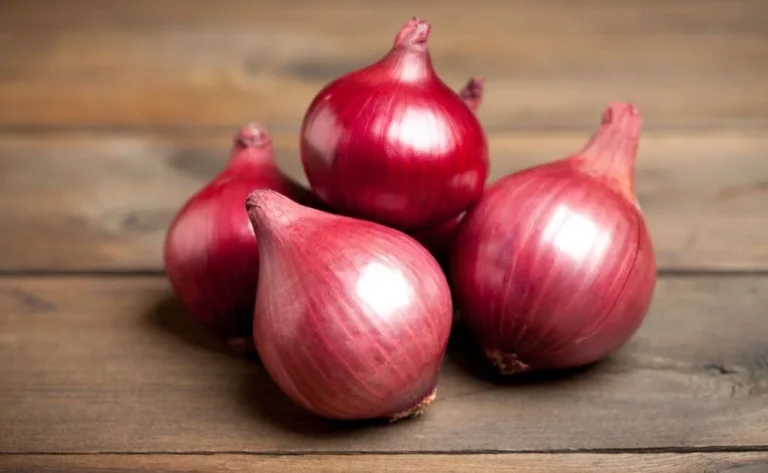
Onions and garlic, whether raw, cooked, or powdered, can damage red blood cells and cause hemolytic anemia. I’ve observed small Poodles gradually becoming weak or developing pale gums due to repeated exposure. Even table scraps or sauces can accumulate enough over time to cause harm.
Pro Tip: Read ingredient labels carefully—many packaged foods contain onion or garlic powder.
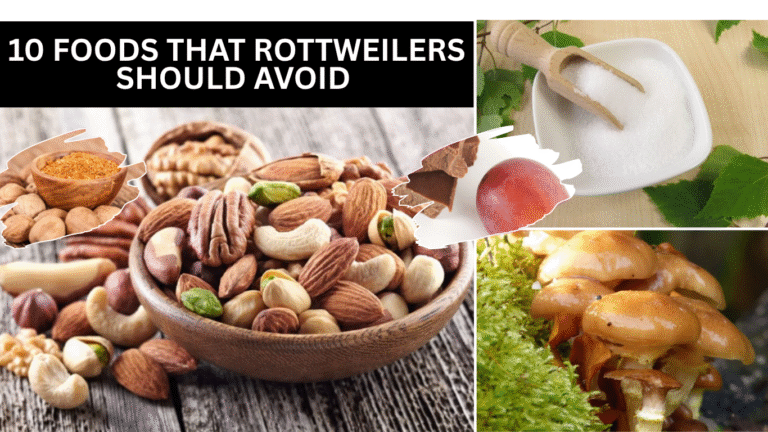
4. Macadamia Nuts
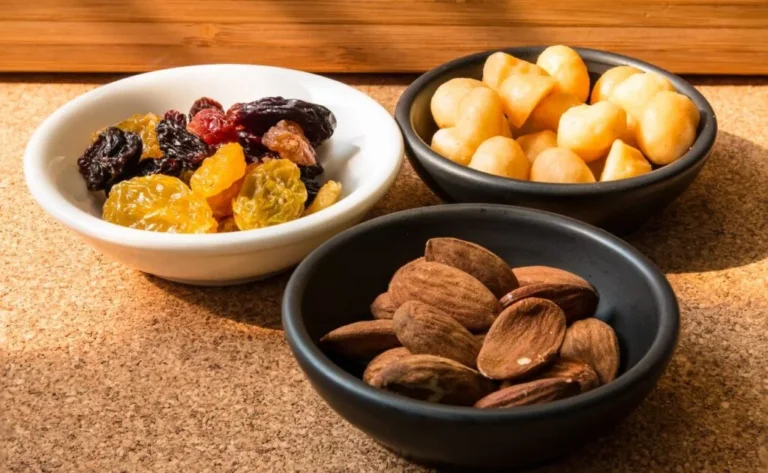
Macadamia nuts are surprisingly toxic to dogs. I’ve seen Poodles develop tremors, vomiting, and joint pain within 12 hours of eating them. Reactions can last up to 48 hours, and while most dogs recover with care, it’s a stressful experience for both the dog and owner.
Pro Tip: Never leave nuts on counters or in accessible snack bowls, even for a quick break.
5. Avocado
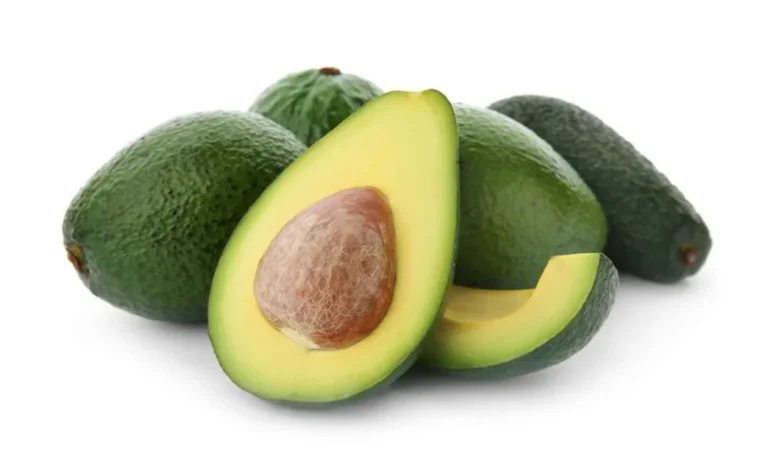
Avocados contain persin, which can upset digestion and strain the heart. I’ve noticed Poodles experience vomiting or diarrhea within hours. The pit is even more dangerous, posing a choking or blockage risk. Curiosity makes Poodles especially vulnerable, so I always keep avocados completely out of reach.
Related Posts:
- 10 Foods That Siberian Huskies Should Avoid
- 8 Foods That German Shepherds Should Avoid
- 7 Foods That French Bulldogs Should Avoid
6. Alcohol
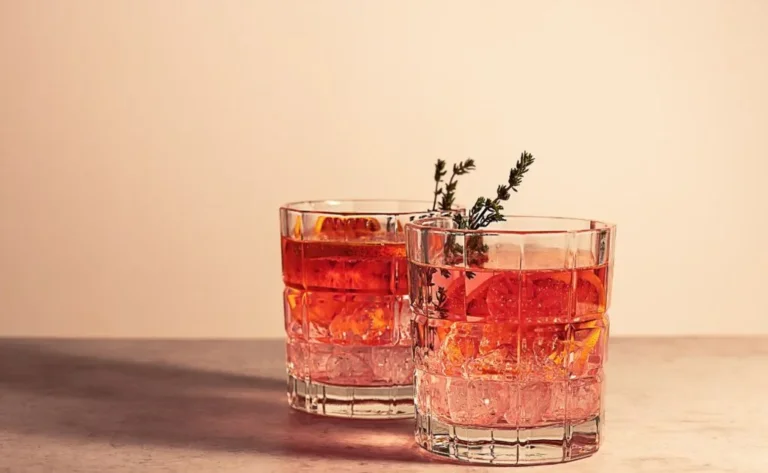
Alcohol is extremely toxic to Poodles, even in tiny amounts. Because dogs metabolize ethanol much slower than humans, even a sip can cause vomiting, low blood sugar, loss of coordination, and in severe cases, coma or death. Small breeds like Toy Poodles are particularly at risk.
7. Xylitol
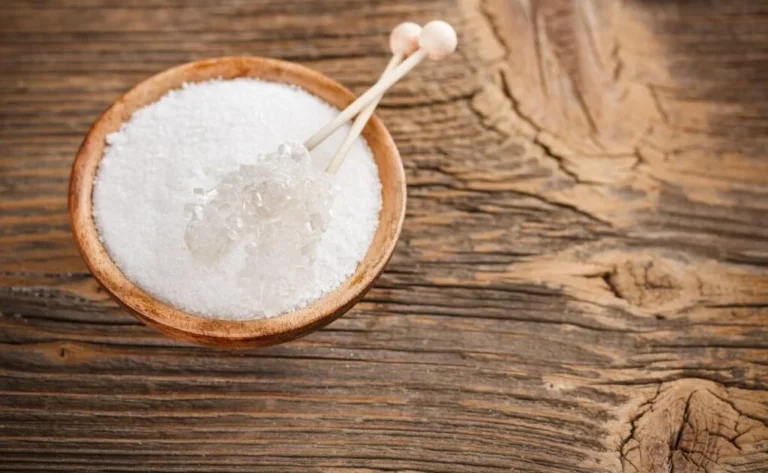
Xylitol is one of the most dangerous substances I’ve seen in dog nutrition. Found in sugar-free gum, some peanut butters, and baked goods, it causes a rapid insulin surge, leading to hypoglycemia within 30–60 minutes. This can escalate to seizures or liver failure. Immediate vet care is critical if ingestion occurs.
Pro Tip: Always check peanut butter labels—xylitol-free is a must.
8. Caffeine
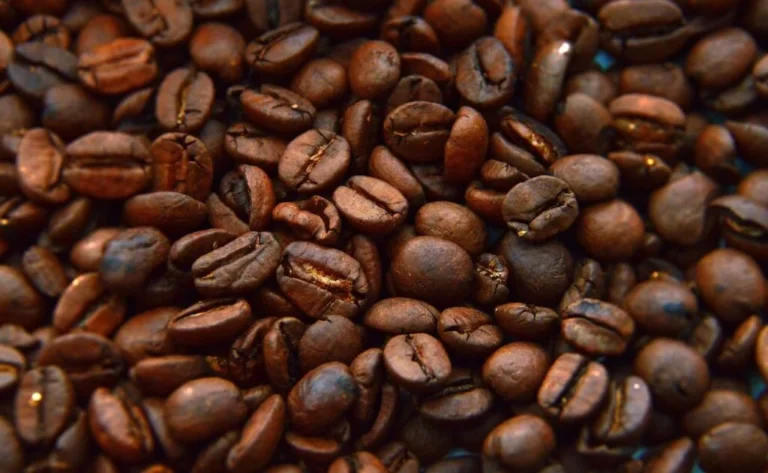
Caffeine overstimulates a dog’s heart and nervous system. Coffee, tea, energy drinks, or even medications containing caffeine can cause restlessness, tremors, rapid breathing, or heart palpitations. I’ve seen Poodles’ alert nature mask early symptoms, so careful monitoring is essential.
9. Yeast Dough
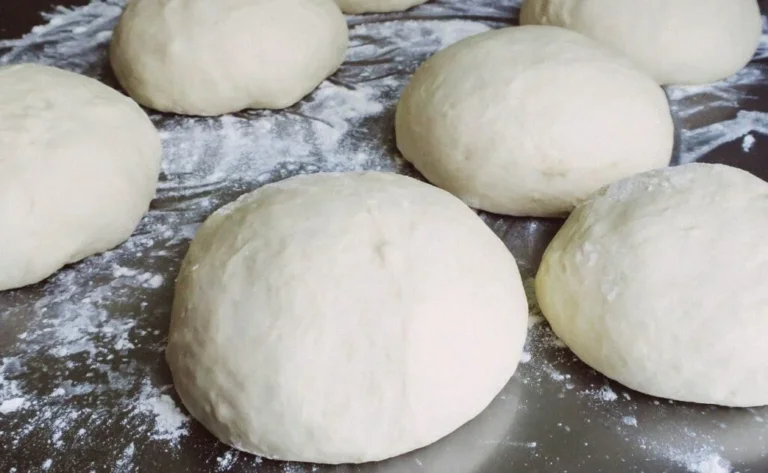
Raw yeast dough is highly dangerous. It expands in the stomach and produces ethanol during fermentation, leading to bloating, stomach torsion, and alcohol poisoning. I’ve witnessed emergency surgeries after accidental ingestion. Always store baking ingredients securely.
Recommended Foods for Poodles
In my experience, Poodles thrive on a diet rich in high-quality animal protein, healthy fats, and essential micronutrients. Real meat should always be the first ingredient. I also like adding fresh foods like carrots, blueberries, pumpkin, and sweet potatoes to improve digestion and coat health. Omega-3s are vital for reducing skin irritation and maintaining their signature curls.
- Plain yogurt or cheese in moderation for lactose-tolerant Poodles.
- Cooked eggs as a safe protein source.
- Peanut butter must be xylitol-free.
- Cooked fish like salmon provides omega-3 benefits.
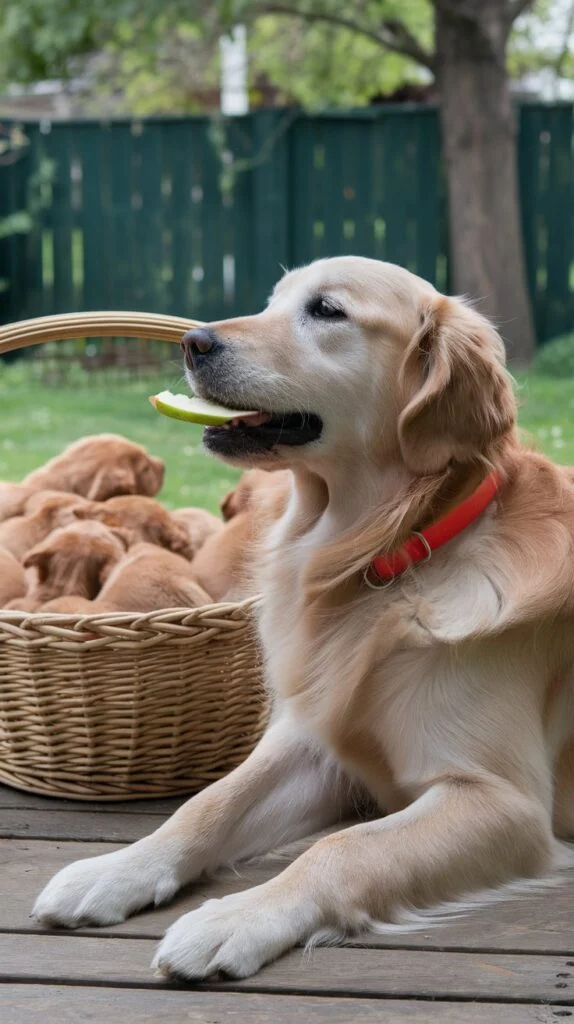
- Safe fruits: apples (no seeds), blueberries, strawberries, bananas.
Final Thoughts
Feeding my Poodles properly has always been a priority, and I’ve learned that prevention is easier than treatment. By avoiding these nine foods and focusing on clean, balanced nutrition, you’ll help your Poodle live a longer, healthier, and happier life. When in doubt, always consult your vet—nothing is more important than their safety.
All content on this site is written and reviewed by our experienced team to ensure it is accurate, reliable, and helpful for our readers. Our Our Process page explains how we carefully research and create high-quality content, while our Team page introduces the professionals behind our work. We also provide clear guidelines for content or image concerns on our Image Removal page, so you can trust that we prioritize transparency, quality, and reader safety.