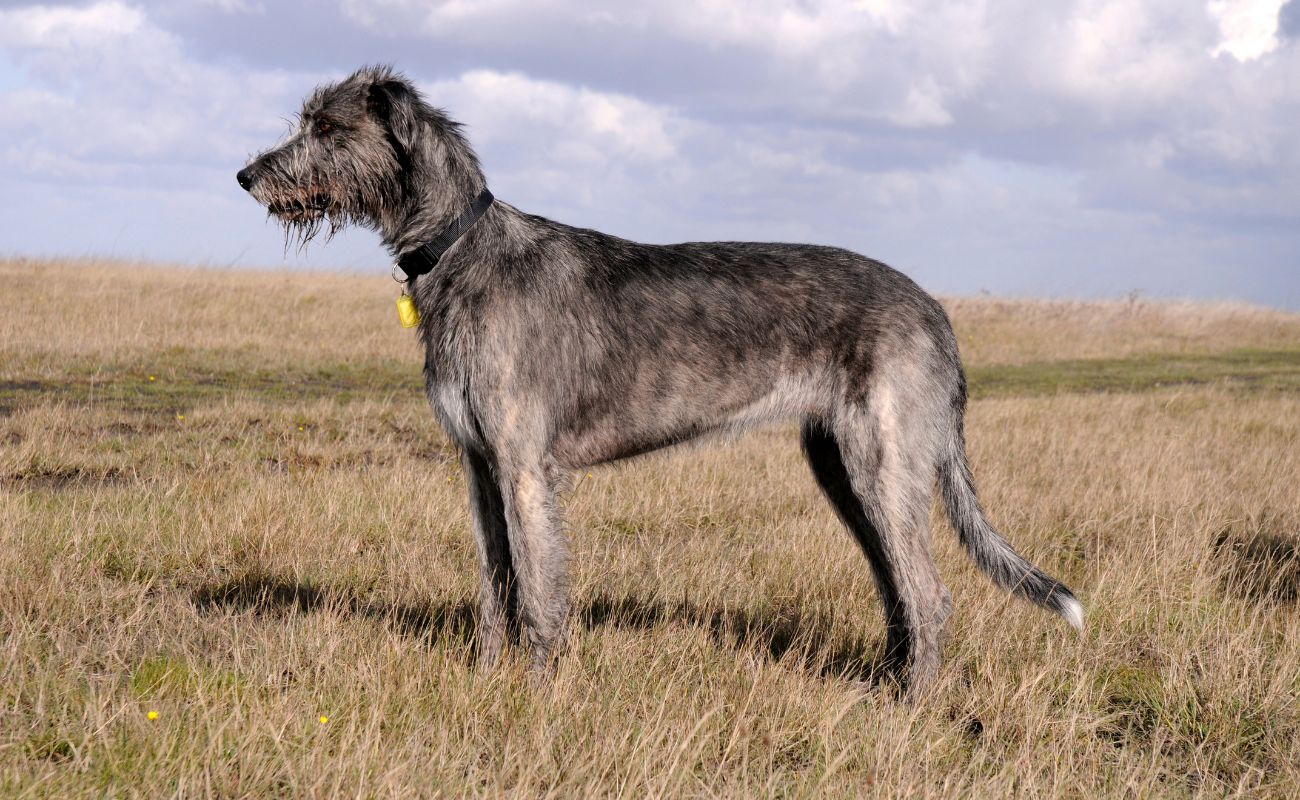
How To Train An Irish Wolfhound
Can You Train an Irish Wolfhound at Home? Yes—And Here’s How to Do It Right
When I first tried to train an Irish Wolfhound at home, I wasn’t sure what to expect. Their massive size can make things feel intimidating at first, especially when they don’t respond the way you want. I remember feeling unsure whether I could actually manage such a large dog without professional help.
But after spending time working with my dog, I realized size isn’t the real challenge—understanding their nature is. Irish Wolfhounds are calm and kind, but they need steady guidance. Once I focused on patience and consistency, I started seeing real progress, and training became much more manageable.
Save For later

Why Training Your Dog at Home Actually Matters
From my experience, dogs like Irish Wolfhounds don’t misbehave to cause trouble. They simply act based on instinct and what they’ve learned so far. When I started giving clear direction, things began to fall into place.
Training at home made everyday routines smoother. My dog became easier to handle on walks, more relaxed around visitors, and more predictable indoors. It also improved how we communicated. He began to look at me for cues, and that built a stronger sense of trust between us.
Key Takeaways
- You can train an Irish Wolfhound at home with patience
- Gentle guidance works better than strict control
- Consistency helps your dog understand expectations
- Short, repeated sessions improve learning
- Positive reinforcement builds confidence
- Trust plays a big role in training success
Pro Tip
One thing that helped me a lot was adjusting my expectations based on my dog’s temperament. Irish Wolfhounds respond better to calm training, so I avoided raising my voice or rushing commands. I focused on one behavior at a time and practiced it in different parts of the house. I also made sure to reward calmly instead of getting overly excited, which kept my dog relaxed. If he didn’t respond, I paused instead of repeating myself, then tried again later. Over time, this created steady progress without overwhelming him.
Related Posts
- How to Train a 6 Month Old Dog Step by Step
- Simple Puppy Obedience Training Tips That Work Fast
- Effective Dachshund Puppy Training Tips for Beginners
1. Start Early: The Sooner, The Better
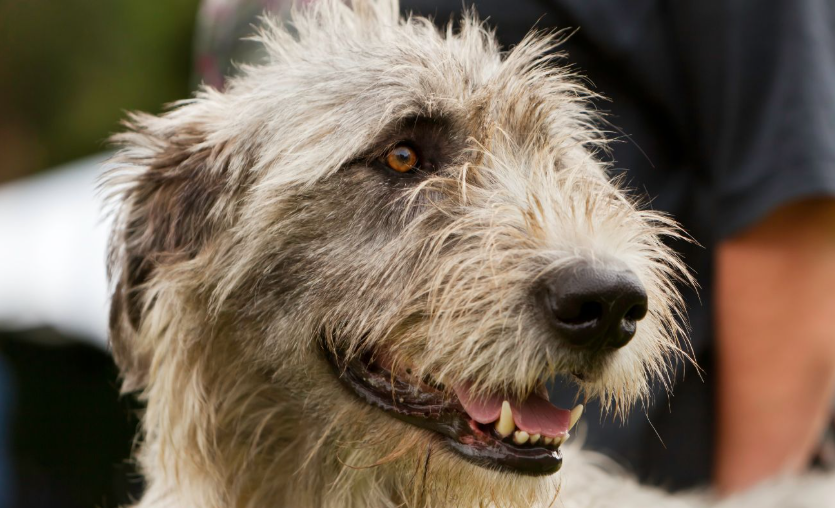
Irish Wolfhounds grow incredibly fast. One moment they are tiny, fluffy puppies, and the next they are large, strong dogs that can easily weigh over 100 pounds. Because of this rapid growth, starting training early is extremely important. Teaching basic commands like “sit,” “stay,” and “come” when they are still young makes everything much easier. Waiting too long can make training a struggle because it’s much harder to control such a large dog later. Early socialization is equally important. Introducing them to different people, other dogs, and new environments when they are small will help them grow into calm, confident, and well-mannered adults.
2. Be Gentle but Firm: They’re Sensitive Souls
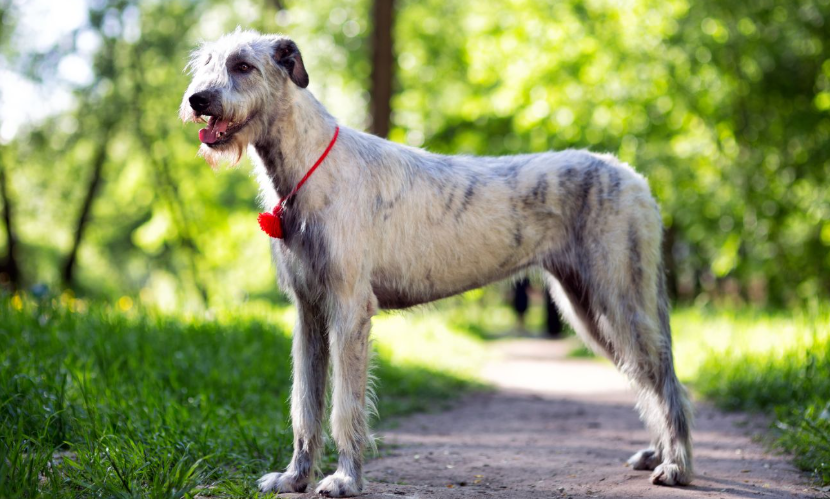
Although Irish Wolfhounds are large and strong, they are also very sensitive dogs. Harsh commands, shouting, or physical corrections can make them anxious or shut down entirely. The key is to be gentle but firm. Use a calm, reassuring voice, and be patient. Positive reinforcement, such as treats, praise, and gentle affection, works much better than punishment. That said, don’t confuse their sensitivity with weakness—they are intelligent and can learn complex commands, but they need to feel safe and trust you first. Consistency in your expectations is critical, and rushing the process usually backfires.
3. Focus on Socialization: Bigger Dogs, Bigger Challenges
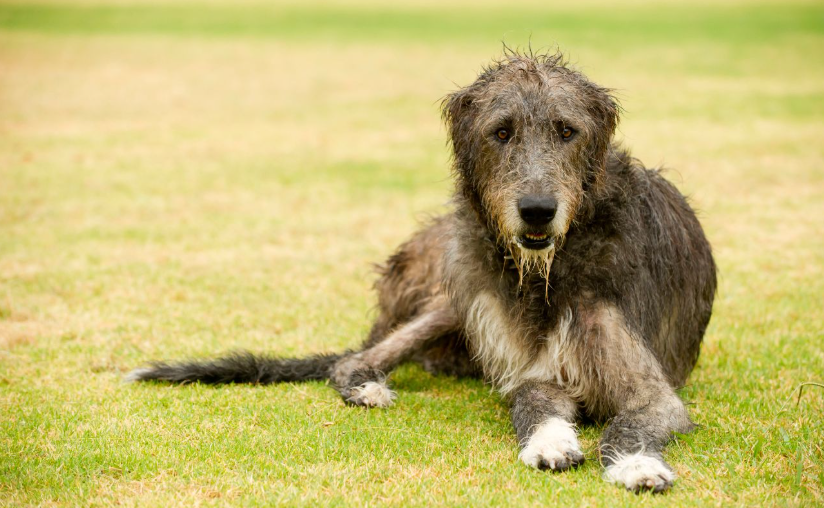
Socialization is one of the most important parts of training an Irish Wolfhound. Because of their size, a Wolfhound that hasn’t been properly socialized can unintentionally intimidate other dogs or people. Exposing them to a wide variety of experiences—dog parks, puppy classes, walks in busy areas—helps them learn to behave appropriately in different situations. Socialization doesn’t stop when they become adults; regular exposure to new people, pets, and environments keeps them confident and well-mannered. A well-socialized Wolfhound is calm, friendly, and easy to handle, making life easier for both you and your dog.
4. Exercise Is a Must: Big Dogs Need to Move

Irish Wolfhounds are not lazy dogs—they need regular activity to stay healthy, happy, and mentally balanced. Many people assume that because they are so big, they need hours of intense exercise, but that isn’t true. Moderate, regular exercise works best: long walks, light jogging, and playtime in a safe area are perfect. For puppies, exercise should be short and controlled to protect their growing bones and joints. Regular activity also helps with training because a well-exercised dog is calmer, more focused, and easier to manage during lessons. Balancing exercise with rest is essential for their overall health.
5. Positive Reinforcement: The Only Way to Go
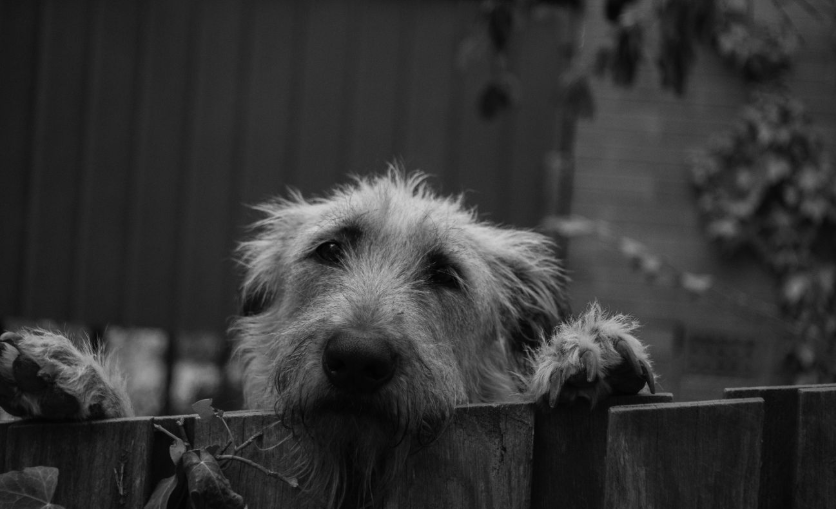
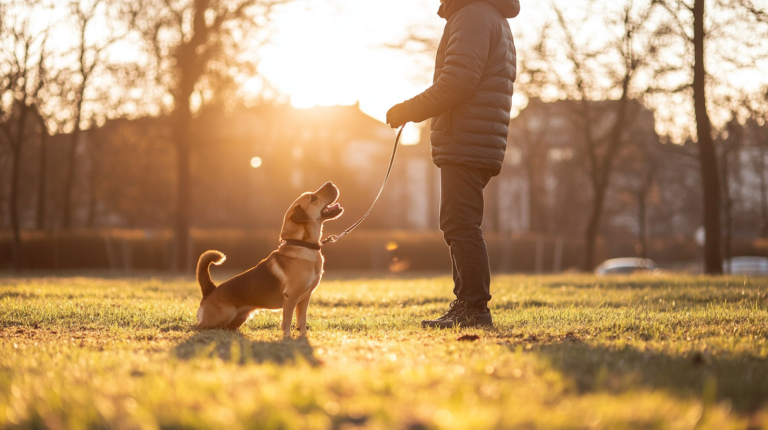
When training an Irish Wolfhound, positive reinforcement is key. These dogs are eager to please but are also sensitive, so harsh corrections don’t work. Rewarding good behavior with treats, praise, or affection helps them learn faster and strengthens the bond between you and your dog. Be consistent: reward good actions immediately and frequently at the start of training. But don’t overdo treats—Wolfhounds can gain weight easily. You can also use toys, extra playtime, or verbal encouragement as rewards. Your tone of voice and body language are just as important as the rewards you give. A calm, happy, and encouraging approach will make training more effective and enjoyable.
Final Thoughts of Train An Irish Wolfhound
Training an Irish Wolfhound is not a quick process—it’s a long-term commitment. These dogs are loving, loyal, and intelligent, but they require a trainer who understands their size, strength, and gentle nature. By starting early, being gentle but firm, socializing them regularly, providing appropriate exercise, and using positive reinforcement, you can shape your Wolfhound into a well-behaved, confident companion. Remember, this is a marathon, not a sprint. Take your time, enjoy the process, and focus on building a strong, trusting bond with your gentle giant.
All content on this site is written and reviewed by our experienced team to ensure it is accurate, reliable, and helpful for our readers. Our Our Process page explains how we carefully research and create high-quality content, while our Team page introduces the professionals behind our work. We also provide clear guidelines for content or image concerns on our Image Removal page, so you can trust that we prioritize transparency, quality, and reader safety.