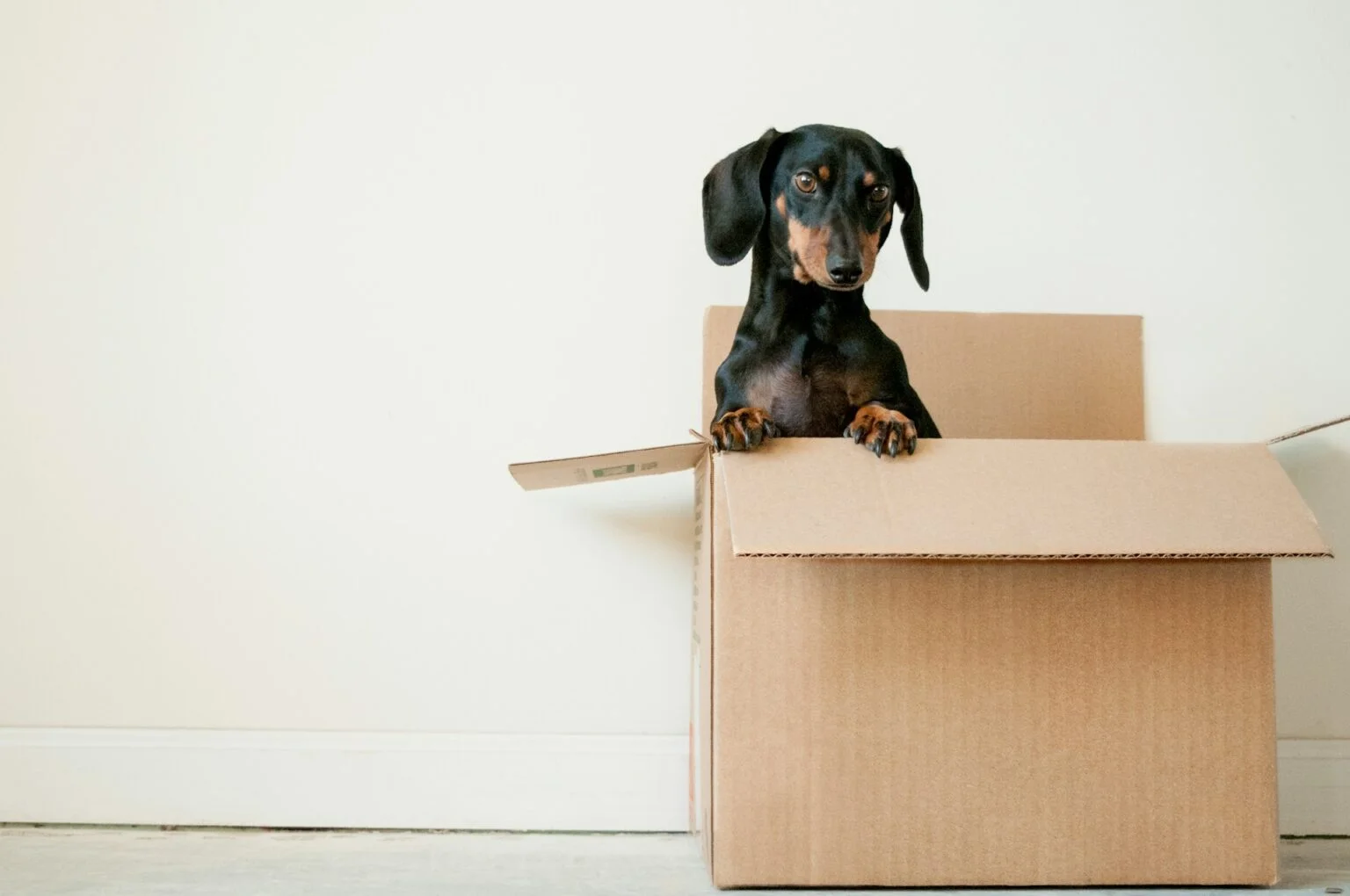
5 Dachshund Puppy Training Tips To Manage Their Stubborn Streak
Living with a dachshund puppy can be hilarious one moment and frustrating the next. I quickly realized my little puppy had strong opinions about everything, especially when training started. Some days he listened perfectly, and other days he acted like he had never heard a command before. That’s why learning effective dachshund puppy training tips became so important in my daily routine.
What helped me most was understanding that dachshunds are naturally independent and easily distracted. Trying to force long training sessions only made things worse. Once I switched to shorter lessons, better rewards, and more patience, I started seeing real progress. These puppies are smart, but they respond best when training feels fun instead of repetitive.
Save For later
Key Takeaways
- Dachshund puppies respond better to short and playful training sessions
- Consistency helps reduce stubborn behavior over time
- High-value treats can improve focus during obedience training
- Early crate and potty training prevent future behavioral issues
- Positive reinforcement builds trust and confidence in puppies
- Mental stimulation helps prevent boredom and unwanted behavior
Pro Tip
One mistake I made early was repeating commands too many times when my dachshund ignored me. Instead of learning faster, my puppy simply learned he could delay responding. I had much better results once I gave the command once and calmly guided him toward the behavior I wanted. Using soft training treats also kept sessions moving quickly without overfeeding. I noticed scent games worked especially well because dachshunds naturally enjoy tracking and exploring with their noses. Training before walks helped burn some excitement and improved focus indoors. Keeping sessions short but consistent every day made the biggest difference in reducing stubborn habits.
Related Posts
- Best Puppy Obedience Training Tips for Beginners
- Poodle Puppy Training Made Smart Fast and Effective
- Helpful Tips to Train Your Puppy Not to Pull on a Leash
Know What You’re Working With: The Dachshund Mindset
Dachshunds were bred to hunt badgers. That means courage, a sharp nose, and a brain that often says, “I’ve got this, human.” Their resistance isn’t misbehavior—it’s confidence.
Training a Dachshund isn’t like teaching a Golden Retriever; it’s like negotiating with a clever, low-riding lawyer who cross-examines every command. Respect their intelligence, and you’ll see cooperation blossom.
Tip #1: Make Training Feel Like a Game
Dachshunds thrive on fun and will clock out if sessions feel dull. I’ve learned that turning training into a playful mini-game keeps focus high.
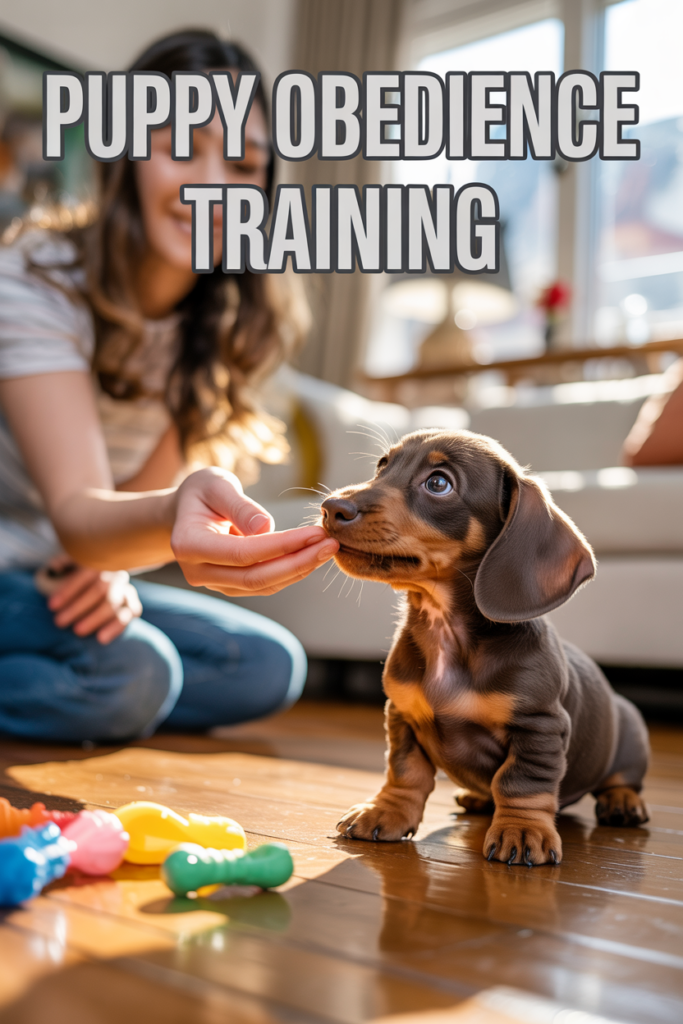
- Tiny tasty rewards: Chicken, cheese, or small training treats work wonders. Rotate flavors for variety.
- Short sessions: 3–5 minutes, 3–5 times daily. End while your pup still wants more.
- Celebrate wins: Use happy voice, claps, and enthusiasm—it’s more effective than stern discipline.
Pro Tip: Introduce a cue like “Ready?” to signal game time. Your excitement sets the tone. A bored trainer equals a bored pup.
Tip #2: Out-Stubborn the Stubborn with Consistency
You can’t force a Dachshund into obedience, but calm, consistent repetition wins every time.
- One cue, one meaning: Don’t let “Down” mean couch access sometimes and lying on the floor other times.
- Don’t repeat cues: Give one cue, use a lure if needed, then reset.
- Daily practice: Integrate short obedience exercises into meals, doors, and walks.
If they ignore you: Lower difficulty—quieter room, better treats, faster reward timing. Often, “stubborn” simply means “confused” or “underpaid.”
Tip #3: Harness Their Nose and Instincts
A Dachshund’s prey drive is a gift, not a flaw. Channel it into structured enrichment.
- Scatter feeding: Toss kibble in grass and let them hunt. Great for mental stimulation.
- Sniff walks: Allow 5–10 minutes to explore scents before walking in focus mode.
- Find-it games: Hide toys or treats. Increase difficulty gradually.
Work-to-earn strategy: Ask for a cue like sit or touch before giving access to food, toys, or the couch. This turns daily life into training without extra time.
Tip #4: Reward What You Like, Ignore What You Don’
Dachshunds crave attention, and will repeat any behavior that earns it.
- Catch good behavior: Reward calm lying down, eye contact, and checking in.
- Marker word: “Yes!” works as an instant signal for correct actions. Timing is key.
- Strategic ignoring: Look away during whining or barking, reward quiet moments instead.
When to interrupt: Redirect risky behaviors like door-dashing or couch acrobatics with leash, baby gate, or crate.
Tip #5: Nail the Essentials Early: Potty, Crate, and Alone Time
Foundations prevent frustration later.
Potty Training
- Frequent trips: after waking, eating, playing, and every 30–60 minutes.
- Use one designated spot for quicker learning.
- Reward outside immediately—no delayed indoor celebration.
- Supervise closely or use a playpen to prevent accidents.
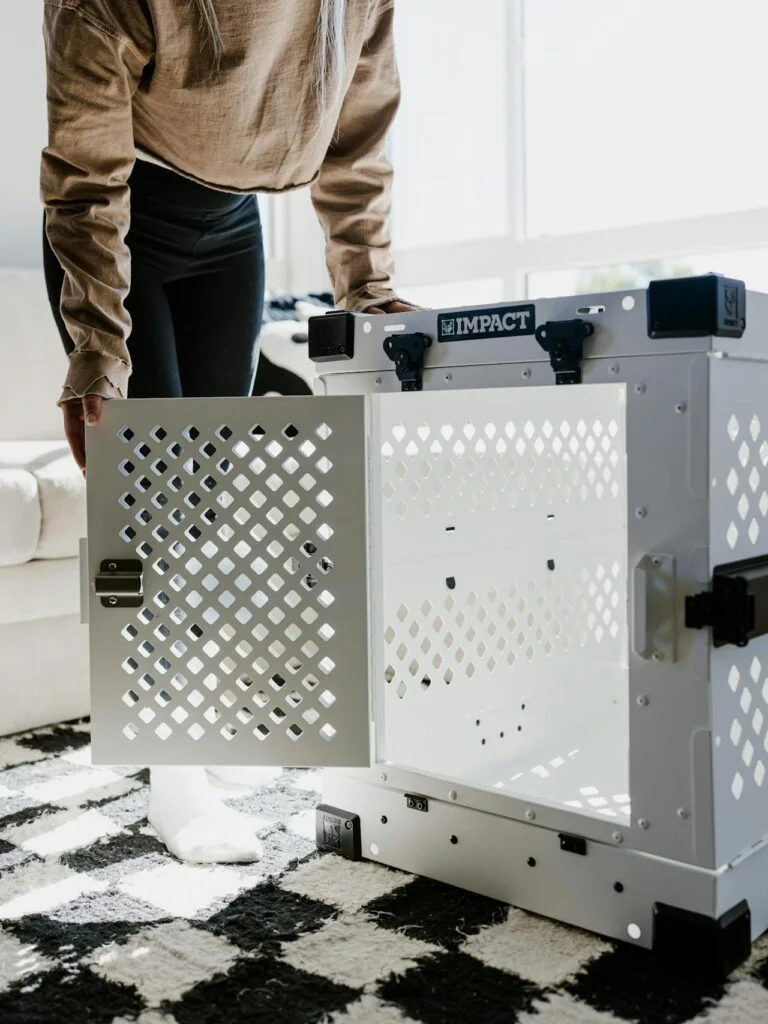
Crate = Cozy Den
- Feed meals in crate with door open at first.
- Short positive sessions with toys or a Kong.
- Never use crate as punishment.
Prevent Separation Drama
- Practice mini departures: step out 30 seconds, return casually, gradually increase duration.
Tip #6: Teach “Settle” and “Place” to Tame the Zoomies
A default relaxation spot helps them self-regulate.
- Start by tossing a treat onto a mat; reward for stepping on it.
- Gradually increase duration—1 second, 3, then 5.
- Add cue word “Place” as you phase out lures.
Why it works: Dachshunds labeled “wild” often simply haven’t learned an off-switch. Teaching a chill spot keeps noses and paws off forbidden areas.
Tip #7: Be Fair About Difficulty and Distractions
Success depends on gradual challenge:
- Quiet room
- Mild distractions (TV, people)
- Yard
- Sidewalk
- Busy environments (parks, pet stores)
If they fail 3 times in a row, drop back a step. Consistent success breeds confidence.
Common Mistakes to Avoid
- Overlong sessions → mental fatigue.
- Weak rewards → low motivation outside.
- Inconsistent rules → confusion and pushback.
- Skipping enrichment → boredom = chaos.
FAQ
How do I stop my Dachshund puppy from barking at everything?
Address needs first: potty, exercise, enrichment. Reward silence, use a cue like “Thank you,” then redirect attention.
Are Dachshunds hard to potty train?
They can be sneaky. Tight supervision, frequent outdoor trips, and instant rewards win. Enzymatic cleaners help with accidents.
Best leash setup?
Y-shaped harness plus 4–6 ft leash. Keep treats handy and let them sniff before focus work.
Training sessions per day?
3–5 micro-sessions of 3–5 minutes. Sprinkle into daily life.
Clicker or marker word?
Both work. Marker word “Yes!” is simple and portable.
Refusal to come when called?
Make recall high-value, never use it to end fun. Start indoors, reward jackpot-style, then use a long line outside.
Conclusion
Dachshunds bring charisma, independence, and a hint of sass to your home. With playful training, consistent routines, and clever use of their instincts, even the most stubborn little sausage can become cooperative and confident. Short sessions, high-value rewards, and celebrating wins keep your training fun and effective.
All content on this site is written and reviewed by our experienced team to ensure it is accurate, reliable, and helpful for our readers. Our Our Process page explains how we carefully research and create high-quality content, while our Team page introduces the professionals behind our work. We also provide clear guidelines for content or image concerns on our Image Removal page, so you can trust that we prioritize transparency, quality, and reader safety.