

10 Irish Setter Training Tips For Dog Owners
If you have an Irish Setter, you know they’re full of life, charm, and energy. Their beautiful red coats and playful personalities make them unforgettable, but that energy means training is essential.
I’ve learned that a well-trained Irish Setter is happier, more confident, and a joy to live with. Here’s my full guide on training them effectively, keeping both mind and body engaged.
Save For Later

Key Takeaways
- Start training early with short, consistent sessions.
- Socialization builds confidence and reduces fear.
- Positive reinforcement works best for behavior shaping.
- Mental and physical exercise are equally important.
- Patience and love create a strong bond with your Irish Setter.
1. Start Early and Be Consistent

I began training my Irish Setter from the day I brought them home. Puppies absorb everything quickly, so I focused on basic commands like sit, stay, and come. Consistency is key—everyone in my household uses the same commands and rules. I keep sessions short, around 5–10 minutes, because attention spans are limited. Fun and positivity make learning stick.
Pro Tip: Use the same words and gestures every time. This reduces confusion and helps your puppy learn faster.
2. Socialize, Socialize, Socialize

Even though Irish Setters are naturally friendly, I made sure to expose my puppy to people, animals, and new places early. Visits to parks, puppy classes, and meeting friends helped build confidence. I always reward positive behavior with treats or praise so new experiences feel safe and fun.
Insight: Early socialization can reduce fear and aggression later in life, making them more adaptable companions.
3. Use Positive Reinforcement

I rely entirely on positive reinforcement. Treats, praise, and play motivate my Irish Setter far better than punishment ever could. For instance, if my dog sits on command, I reward immediately. Over time, good behavior becomes second nature.
Fact: Studies show dogs trained with positive methods are less anxious and more responsive than those trained with harsh corrections.
4. Exercise is Essential
Irish Setters are high-energy dogs. I make sure my dog gets at least an hour of vigorous exercise daily—running, walking, or interactive games like fetch. Without this, they can become restless or destructive.
Pro Tip: Vary activities to keep your dog physically challenged and mentally engaged.
Related Posts:
5. Mental Stimulation
Exercise alone isn’t enough. I provide puzzle toys, treat dispensers, and new tricks to keep my Irish Setter’s mind sharp. Rotating toys regularly keeps them interested and reduces boredom-related behavior issues.
Insight: Mental stimulation is as important as physical activity to prevent behavioral problems.
6. Crate Training

I introduced crate training as a positive space, not punishment. A comfy crate with a soft bed and favorite toys gives my dog security and helps with house training. I gradually increase crate time, making sure my dog has had exercise and bathroom breaks first.
Fact: Dogs with positive crate experiences feel safer and are less anxious when left alone.
7. House Training
Patience and routine were my biggest tools in house training. I take my Irish Setter outside after meals, naps, and playtime, rewarding immediately for success. Accidents happen, but I never punished them and always cleaned thoroughly to prevent repeat mistakes.
Pro Tip: Use a consistent spot outside for bathroom breaks—dogs learn faster with routine cues.
8. Obedience Training

Basic obedience commands like sit, stay, come, and leave it make life easier and strengthen our bond. I practice in different environments so my dog can respond reliably, even with distractions. Positive reinforcement ensures success.
Insight: Regular, short practice sessions improve obedience more than long, infrequent ones.
9. Leash Training
Leash training early prevented pulling during walks. I first let my puppy wear the leash indoors, then outside. If they pull, I stop walking and wait for them to return to my side before continuing. Patience and consistency made walks enjoyable rather than stressful.
Fact: Irish Setters can reach 60+ lbs as adults, so leash control is essential for safety.
10. Patience and Love
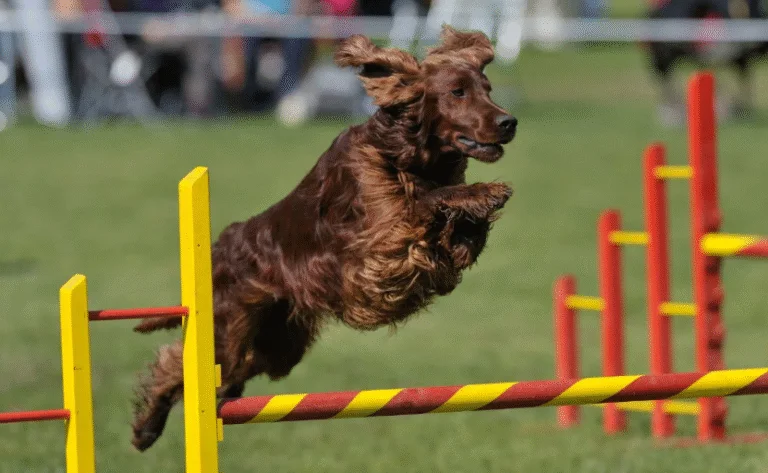
Training an Irish Setter requires patience, gentleness, and love. These dogs are sensitive and respond best to encouragement, not force. I celebrate progress, stay consistent, and use positive methods. The bond you build through training is priceless.
All content on this site is written and reviewed by our experienced team to ensure it is accurate, reliable, and helpful for our readers. Our Our Process page explains how we carefully research and create high-quality content, while our Team page introduces the professionals behind our work. We also provide clear guidelines for content or image concerns on our Image Removal page, so you can trust that we prioritize transparency, quality, and reader safety.