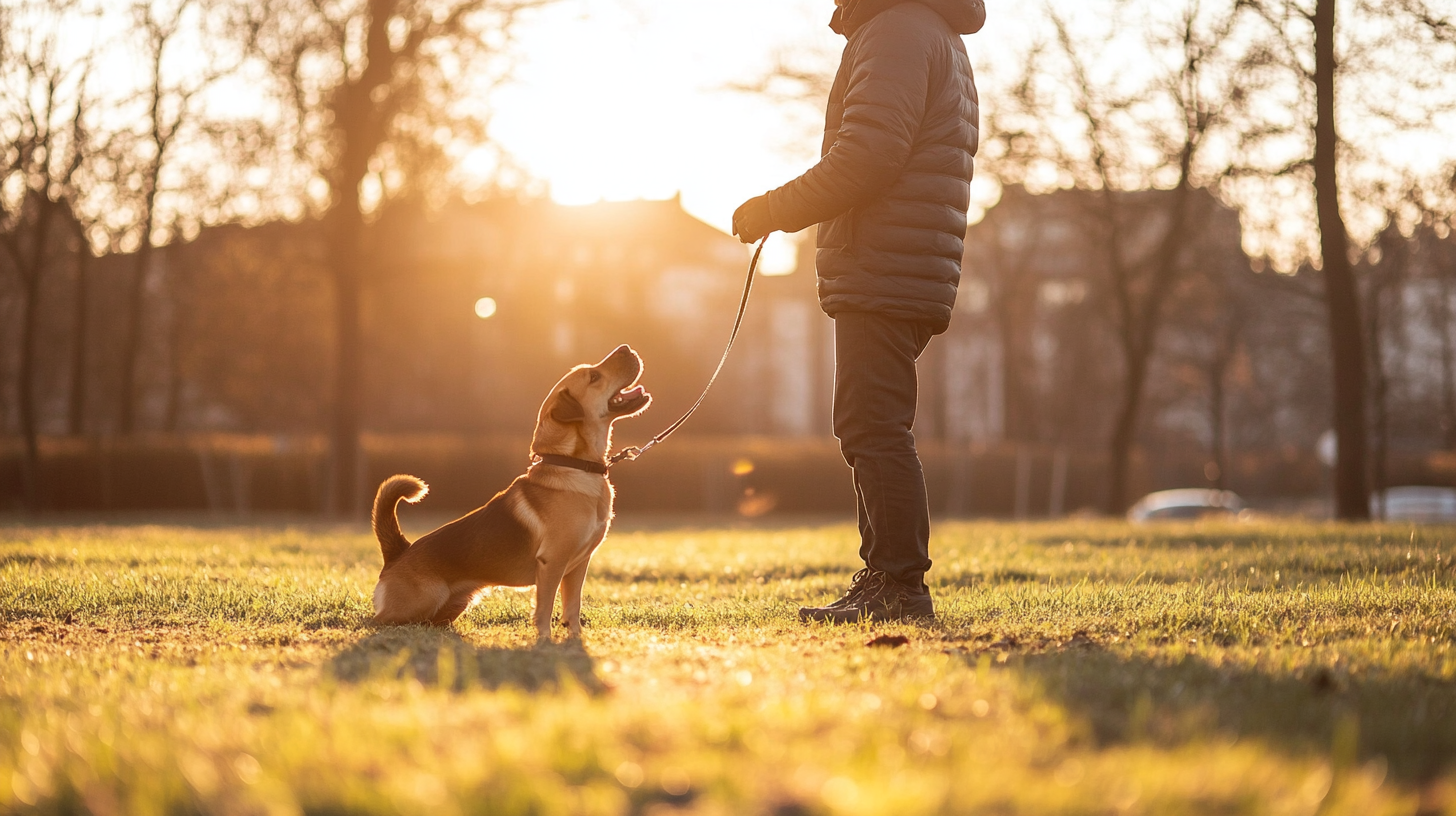
5 Genius Dog Training Hacks Every Pet Owner Needs to Know
Training my dog used to feel overwhelming at first, but I learned that small, simple changes make a big difference. Once I started using clear rewards, short sessions, and consistent communication, everything became easier and more natural.
Save For Later

In this guide, I’m sharing five dog training hacks I personally rely on to build better focus, stronger behavior, and a calmer training routine. These methods are simple, beginner-friendly, and work for dogs of all ages.
Key Takeaways
- High-value treats increase focus and speed up learning
- Clicker training improves timing and communication clarity
- Short training sessions work better than long ones
- Positive reinforcement builds trust and better behavior
- A distraction-free setup helps dogs learn commands faster
1. Use High-Value Treats
In my experience, the biggest change in my dog’s focus came when I switched to high-value treats. Regular kibble didn’t motivate him enough during training, but small pieces of chicken or cheese made a huge difference.
Dogs respond strongly to rewards they don’t get every day. I always keep special treats only for training so they stay exciting and meaningful. This keeps my dog engaged and eager to learn.
I’ve noticed that immediate rewards work best—when I treat my dog right after the correct behavior, he understands what I want much faster.
Pro tip: I keep treats in a small pouch so I can reward instantly without breaking the training flow.
2. Clicker Training
Clicker training helped me improve communication with my dog. The click sound marks the exact moment he does something right, followed by a reward.
This method works because timing matters in training. My dog started understanding commands faster once I used the click consistently.
I first “charged” the clicker by clicking and treating repeatedly so he learned the connection. After that, I used it during actual training sessions.
The clarity of the sound removes confusion and helps my dog repeat the correct behavior more confidently.
Pro tip: I always click at the exact moment of success, not after, so my dog connects action and reward clearly.
3. Short, Frequent Training Sessions
I used to think long training sessions were better, but I learned that short sessions work far more effectively. My dog loses focus quickly, especially during repetitive tasks.
Now I train in 5–10 minute sessions, several times a day. This keeps my dog engaged without stress or boredom.
Breaking training into small steps also helps with retention. Instead of teaching everything at once, I focus on one command per session.
Over time, repetition in short bursts has improved my dog’s learning speed and confidence.
Pro tip: I always end sessions on a positive note so my dog stays motivated for the next round.
4. Use Positive Reinforcement
Positive reinforcement completely changed my training approach. Instead of correcting mistakes, I focus on rewarding the right behavior.
I use treats, praise, and sometimes playtime as rewards. This keeps my dog motivated and builds trust between us.
I’ve noticed that dogs respond better when they feel safe and encouraged rather than pressured. It also strengthens long-term behavior retention.
Consistency is important here—rewarding immediately helps my dog understand exactly what he did right.
Pro tip: I mix rewards (treats + praise) so my dog doesn’t rely on only one type of motivation.
5. Create a Distraction-Free Environment
I always start training in a quiet space because distractions slow down learning. Dogs naturally react to sounds, smells, and movement, so focus is easier in a controlled environment.
Once my dog masters a command indoors, I slowly introduce distractions like outdoor spaces or mild noise.
Related Posts:
This step-by-step approach helps build strong obedience in real-life situations, not just at home.
I’ve learned that rushing this stage leads to confusion, so patience is key.
Pro tip: I only increase distractions when my dog consistently responds correctly in the current environment.
Bonus Tips for Successful Training
Consistency Matters: I make sure everyone in my home uses the same commands. Mixed signals confuse dogs and slow progress.
Patience and Positivity: I remind myself that learning takes time. Small improvements are still progress, and staying calm helps my dog stay confident.
Know Your Dog’s Limits: I always watch for stress signs like yawning or losing interest. When that happens, I take a break and continue later.
FAQs About Dog Training
Q: How often should I train my dog?
I’ve found that 5–10 minute sessions multiple times a day work best for focus and retention.
Q: What treats work best?
High-value treats like chicken, cheese, or special training snacks keep my dog highly motivated.
Q: Can older dogs learn too?
Yes, I’ve trained older dogs using the same methods with patience and consistency.
Q: How do I handle distractions?
I start in a quiet place and slowly add distractions only after basic commands are solid.
Q: What if my dog doesn’t respond?
I simplify the task, reduce distractions, or increase reward value until my dog understands.
Final Thoughts
From my experience, dog training becomes much easier when I focus on clarity, consistency, and positive reinforcement. These five hacks—high-value treats, clicker training, short sessions, positive rewards, and controlled environments—help build strong habits without stress.
Every small win matters, and I’ve seen that steady daily practice creates lasting results. Training is not about perfection but progress, and patience always pays off in the long run.
All content on this site is written and reviewed by our experienced team to ensure it is accurate, reliable, and helpful for our readers. Our Our Process page explains how we carefully research and create high-quality content, while our Team page introduces the professionals behind our work. We also provide clear guidelines for content or image concerns on our Image Removal page, so you can trust that we prioritize transparency, quality, and reader safety.