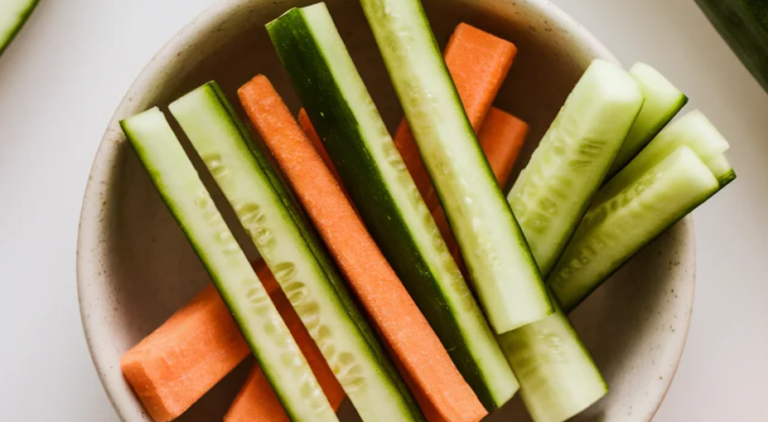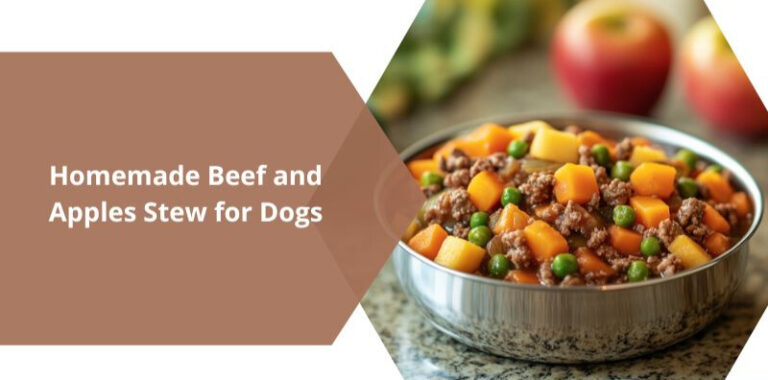
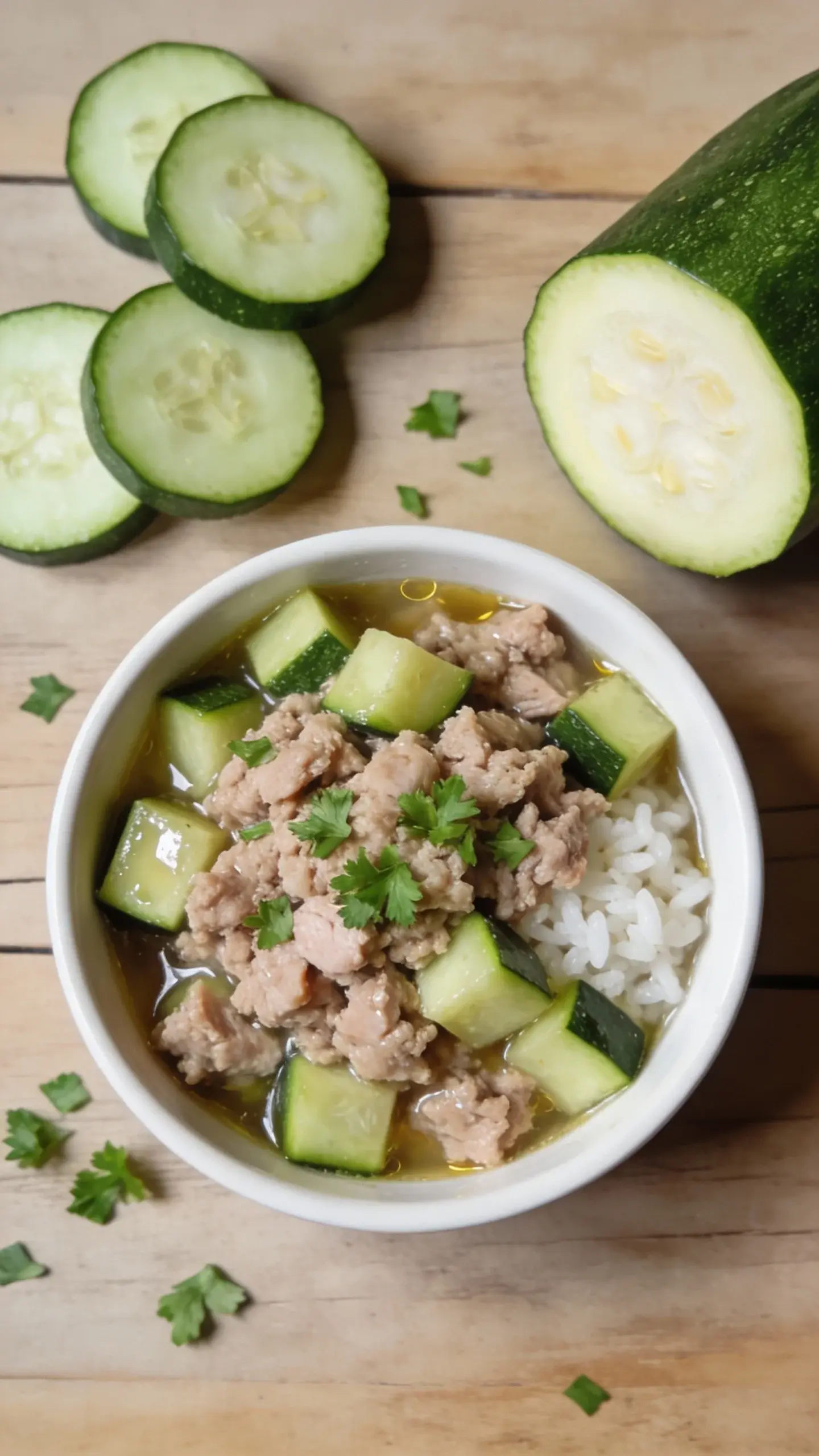
The Secret to Perfect Allergy-Friendly Dog Food With Zucchini For Sensitive Stomachs
When your dog’s stomach seems to have an opinion about every meal, keeping the bowl simple can make feeding much less stressful. Zucchini is one ingredient worth considering because it’s mild, water-rich, and relatively low in calories.
It can be chopped into homemade meals, gently cooked as a topper, or mixed with a dog’s regular food in modest amounts. But there’s an important distinction between a food that is generally well tolerated and a food that is appropriate for a dog with a diagnosed allergy.
Zucchini isn’t a treatment for food allergies, and it isn’t guaranteed to agree with every dog. If your pup has persistent vomiting, diarrhea, itching, recurring ear problems, or paw licking, work with your veterinarian to find the underlying cause rather than assuming zucchini—or any other single ingredient—is the answer.
Why Zucchini Works for Sensitive Stomachs
Zucchini is mostly water and provides relatively few calories, making it an easy ingredient to add to a meal without dramatically increasing its energy density.
It also supplies fiber along with nutrients such as vitamin C, vitamin A, potassium, and other plant compounds.
For many dogs, lightly cooked zucchini is easy to incorporate into food because it becomes soft and can be chopped or mashed. That can be particularly convenient for dogs that prefer softer textures.
Still, “gentle” is not the same thing as “universally suitable.” A sudden increase in any vegetable or fiber source can cause loose stools or gas in some dogs. Start with a small amount and see how your dog responds.
And if you’re investigating a food allergy, remember that zucchini doesn’t make the rest of the recipe allergy-friendly. A dog can potentially react to any food protein, and an elimination diet needs to be selected based on the dog’s individual dietary history.
Common Triggers to Ditch (So Zucchini Can Shine)
If your veterinarian suspects a food allergy, the goal isn’t to remove every ingredient that has ever been blamed for digestive problems.
Instead, the diet should be based on what your dog has actually eaten and which ingredients are being evaluated.
Commonly reported food allergens in dogs include beef, dairy, chicken, wheat, and lamb, but dogs can develop reactions to other proteins as well.
For a carefully controlled diet, your veterinarian may recommend a novel protein that your dog hasn’t previously eaten or a hydrolyzed-protein diet.
For ordinary meals, ingredients that may be appropriate depending on the individual dog include:
- Proteins: Turkey, pork, duck, rabbit, venison, or certain fish may be options depending on your dog’s history.
- Carbohydrates: Rice, quinoa, oats, or sweet potato can work in different recipes.
- Vegetables: Zucchini, pumpkin, carrots, or green beans can provide variety.
- Fats: Use the amount and type specified by the complete recipe rather than adding oils freely.
If your dog is completing an elimination trial, don’t add random treats, chews, supplements, or flavored medications. Even small sources of food protein can interfere with the results.
How to Use Zucchini in Allergy-Friendly Meals
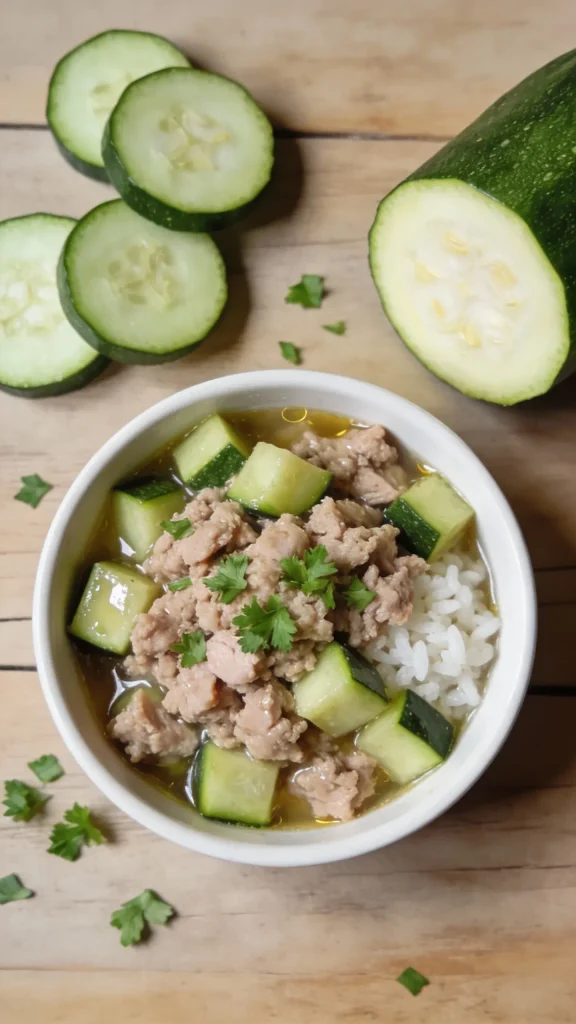
Zucchini is versatile enough to work as a small ingredient in several types of dog meals.
You can steam it, chop it finely, mash it, or mix it into an appropriately formulated homemade recipe. For a dog eating commercial food, a small amount can also be used as a topper if your veterinarian is comfortable with that addition.
The important part is portion size. Zucchini should complement a nutritionally appropriate diet rather than replacing the protein, essential nutrients, or calories your dog needs.
Prep Tips (So Your Dog Actually Eats It)
- Peel or don’t peel? The peel is edible, so you don’t have to remove it. Wash the zucchini thoroughly and remove the stem and any tough ends.
- Cook it gently: Steaming or lightly cooking zucchini can make it softer and easier to mix into meals.
- Skip seasoning: Don’t add onion, garlic, heavy salt, butter, sauces, or seasoning blends.
- Chop it appropriately: Small pieces or mashed zucchini are easier to mix into food.
- Introduce it gradually: Start with a small amount instead of adding a large serving immediately.
- Freeze carefully: Small cooked portions can be frozen for convenient meal preparation.
Portion Guide
There isn’t one scientifically established tablespoon or cup amount that is right for every dog.
A sensible starting point is a small spoonful mixed into your dog’s usual meal, particularly if zucchini is new.
Watch the stool and appetite over the following day or two. If your dog tolerates it well, you can gradually increase the amount while keeping the overall diet nutritionally balanced.
If your dog develops diarrhea, excessive gas, vomiting, or another concerning reaction, stop the new ingredient and speak with your veterinarian.
Simple Zucchini-Based Meal Ideas
Zucchini is easiest to use when you treat it as one component of a balanced meal rather than trying to make it the main ingredient.
Stomach-Soothing Turkey + Zucchini Bowl
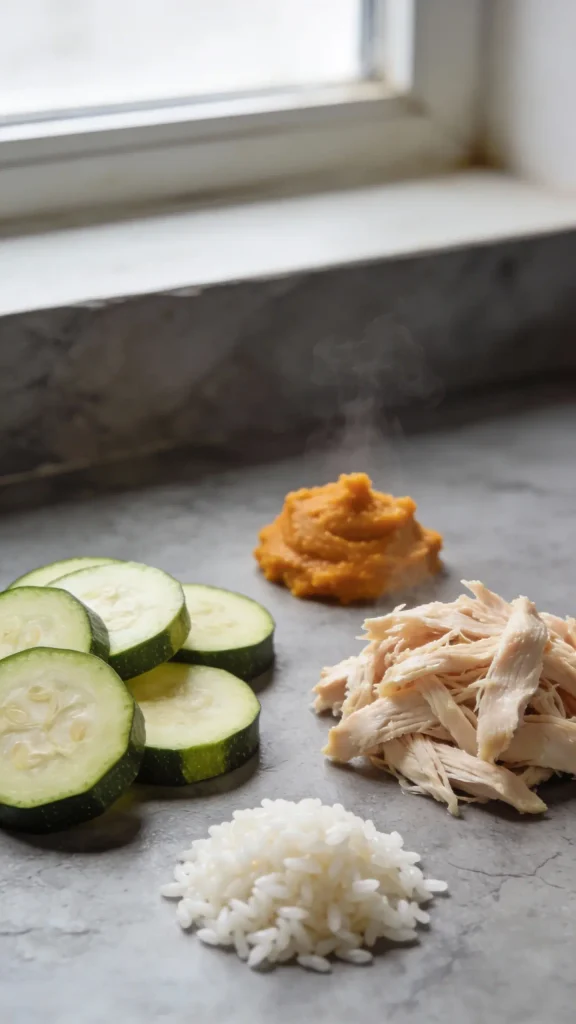
- Plain cooked turkey, if appropriate for your dog’s diet
- Cooked white rice
- Steamed zucchini, finely chopped
- A properly formulated canine supplement if this is being used as a complete homemade diet
Cook the turkey thoroughly without seasoning, prepare the rice until tender, and steam the zucchini until soft.
Combine the ingredients after they have cooled.
Don’t rely on a simple meat-rice-zucchini mixture as a complete long-term diet. Homemade diets require careful balancing of nutrients, and a veterinary nutritionist can formulate an appropriate recipe for your individual dog.
Fish, Sweet Potato, and Zucchini Mash
- Plain cooked whitefish or another appropriate fish
- Cooked sweet potato
- Steamed zucchini
Remove all bones and cook the fish thoroughly.
Mash the sweet potato and zucchini together, then flake the cooked fish into the mixture.
Fish can be a useful protein for some dogs, but it isn’t automatically appropriate for an elimination diet. Your dog’s previous food history matters when selecting a novel protein.
Low-Calorie Kibble Booster
- Your dog’s regular complete-and-balanced food
- A small amount of warm water
- Finely chopped cooked zucchini
Add a little warm water to soften the food, then mix in a modest amount of zucchini.
This can add moisture and volume without adding many calories. However, don’t use zucchini to dilute a complete food so extensively that your dog no longer receives the nutrients supplied by the original diet.
If your dog is on a veterinarian-prescribed elimination diet, don’t add zucchini unless it has been approved as part of that diet.
Choosing Allergy-Friendly Commercial Foods with Zucchini
Seeing zucchini on a dog-food label doesn’t automatically make the food suitable for an allergic dog.
When choosing commercial food, consider the entire formulation, the dog’s life stage, the nutritional adequacy statement, and the ingredients relevant to the suspected allergy.
For a routine diet, look for a food that is labeled as complete and balanced for the appropriate life stage.
For a genuine elimination trial, your veterinarian may recommend a therapeutic novel-protein or hydrolyzed diet because ingredient control and manufacturing practices matter. Over-the-counter limited-ingredient foods can contain trace amounts of other ingredients because of manufacturing cross-contamination.
Reading Between the Lines
Ingredient lists can be useful when you’re trying to identify a possible dietary trigger, but they’re not the entire story.
If your dog must avoid a particular ingredient, check the complete label rather than stopping at the first few ingredients.
Pay attention to:
- Named animal proteins
- Animal-derived fats
- Flavorings
- Treats and toppers
- Supplements
- Chews
- Flavored medications
If you’re dealing with a diagnosed allergy, ask your veterinarian whether a therapeutic diet would be more appropriate than trying to identify a suitable over-the-counter food yourself.
Transitioning Without Tummy Turmoil
For an ordinary food change, gradually increasing the new food while decreasing the old food can help some dogs adjust.
A simple transition might look like this:
- Day 1–3: About 25% new food and 75% old food
- Day 4–6: About 50% new food and 50% old food
- Day 7–9: About 75% new food and 25% old food
- Day 10: Move to the new diet if your dog is tolerating it
There’s no need to rush if your dog needs more time.
If loose stools appear, slow down the transition rather than immediately adding several new supplements or ingredients. Keep fresh drinking water available.
Important: This gradual-mixing approach isn’t appropriate for every veterinarian-directed elimination trial. If the purpose of the diet is to identify a food allergen, the trial diet generally needs to be fed exclusively according to the veterinarian’s instructions.
Extra Gut Support That Actually Helps
A sensitive stomach doesn’t automatically mean your dog needs a cabinet full of supplements.
In fact, adding several products at once can make it harder to determine what’s helping—and can introduce additional ingredients during an allergy investigation.
Potential options to discuss with your veterinarian include:
- Probiotics: Some dogs may benefit from specific veterinary probiotic products, but effects depend on the strains and individual situation.
- Fiber: Certain fiber sources can be useful in some gastrointestinal conditions, but the type and amount matter.
- Omega-3 fatty acids: These may have a role in some dietary plans, particularly when skin disease is involved.
- Plain pumpkin: A modest amount can provide fiber, but it isn’t a universal treatment for digestive disease.
Don’t automatically add all four. If your dog is having persistent gastrointestinal symptoms, finding the cause is more important than stacking supplements.
Signs It’s Working
When a diet change is appropriate for your dog, you may notice improvements such as:
- More consistently formed stools
- Less excessive gas
- Better appetite
- More stable energy
- Less digestive discomfort
If food was contributing to an allergic skin problem, improvement in itching or paw licking may also occur—but skin-related food allergy trials can take considerably longer to assess than simple digestive changes.
What If Zucchini Doesn’t Agree With Your Dog?
Even healthy foods can disagree with individual dogs.
If zucchini appears to coincide with diarrhea, vomiting, bloating, or another unusual reaction, stop giving it and return to the diet your dog was previously tolerating.
Depending on your dog’s situation, alternatives might include:
- Plain cooked pumpkin
- Cooked carrots
- Green beans
- Another veterinarian-approved vegetable
Don’t introduce several replacements simultaneously. Changing one ingredient at a time makes it much easier to identify a possible trigger.
And if the symptoms are severe, persistent, or accompanied by lethargy, blood, pain, dehydration, or refusal to eat, contact your veterinarian rather than continuing to experiment with food.
FAQ
Can my dog eat raw zucchini?
Many dogs can eat small amounts of raw zucchini, but cooked zucchini is often easier to incorporate into meals for a dog with a sensitive digestive system.
If you’re trying it for the first time, start with a small quantity and monitor your dog’s stool and overall comfort.
Wash it well, cut it into appropriately sized pieces, and don’t add seasoning.
How much zucchini is too much?
There’s no universal maximum amount that applies to every dog.
Zucchini should remain a relatively small part of the overall diet unless a properly formulated recipe says otherwise.
If increasing the amount causes loose stool, gas, reduced appetite, or other digestive changes, you’ve likely added more than your dog currently tolerates.
For a dog eating a complete commercial diet, large amounts of vegetables can also dilute the nutritional balance of the food.
Is zucchini safe for dogs with pancreatitis?
Plain zucchini itself is a low-fat food, but that doesn’t mean a zucchini-containing meal is automatically appropriate for a dog with pancreatitis.
The entire diet, particularly its fat content, matters when managing pancreatic disease.
If your dog has pancreatitis or a history of it, follow your veterinarian’s dietary instructions rather than creating a homemade recipe based on zucchini alone.
What if my dog is allergic to everything?
It can feel that way when a dog has ongoing itching or digestive problems, but don’t assume that every ingredient is causing an allergy.
A veterinarian can help distinguish food allergy from other causes and may recommend a carefully controlled novel-protein or hydrolyzed-protein diet.
During a proper food trial, the diet needs to be followed very strictly. Treats, chews, flavored supplements, table scraps, and other food sources can undermine the process.
Does zucchini help with weight loss?
Zucchini can be useful as a low-calorie ingredient because it contains a lot of water and relatively few calories.
However, adding vegetables doesn’t automatically produce weight loss.
Successful weight management depends on controlling total calorie intake while maintaining adequate nutrition. Your veterinarian can help establish an appropriate calorie target and body-condition goal.
Can I use zucchini treats?
You can offer small pieces of plain cooked or raw zucchini to many healthy dogs as an occasional treat.
For a dog with a suspected or confirmed food allergy, however, don’t introduce zucchini treats during an elimination trial unless the ingredient is specifically allowed.
If you’re using zucchini as a training reward for a dog without dietary restrictions, keep portions modest and account for treats within the dog’s overall daily calorie intake.
Conclusion
Zucchini can be a handy addition to a dog’s bowl. It’s water-rich, relatively low in calories, easy to prepare, and simple to mix into many meals.
But the real secret to feeding a dog with digestive or allergy concerns isn’t finding one magical ingredient.
It’s keeping the diet appropriate, consistent, and nutritionally complete.
If your dog simply enjoys zucchini, use it as a small addition to an otherwise balanced diet. If you’re dealing with recurring itching, ear problems, vomiting, diarrhea, or suspected food allergy, work with your veterinarian instead of continually swapping ingredients.
A simpler bowl can certainly help—but the right diagnosis and a properly planned diet are what make the biggest difference.