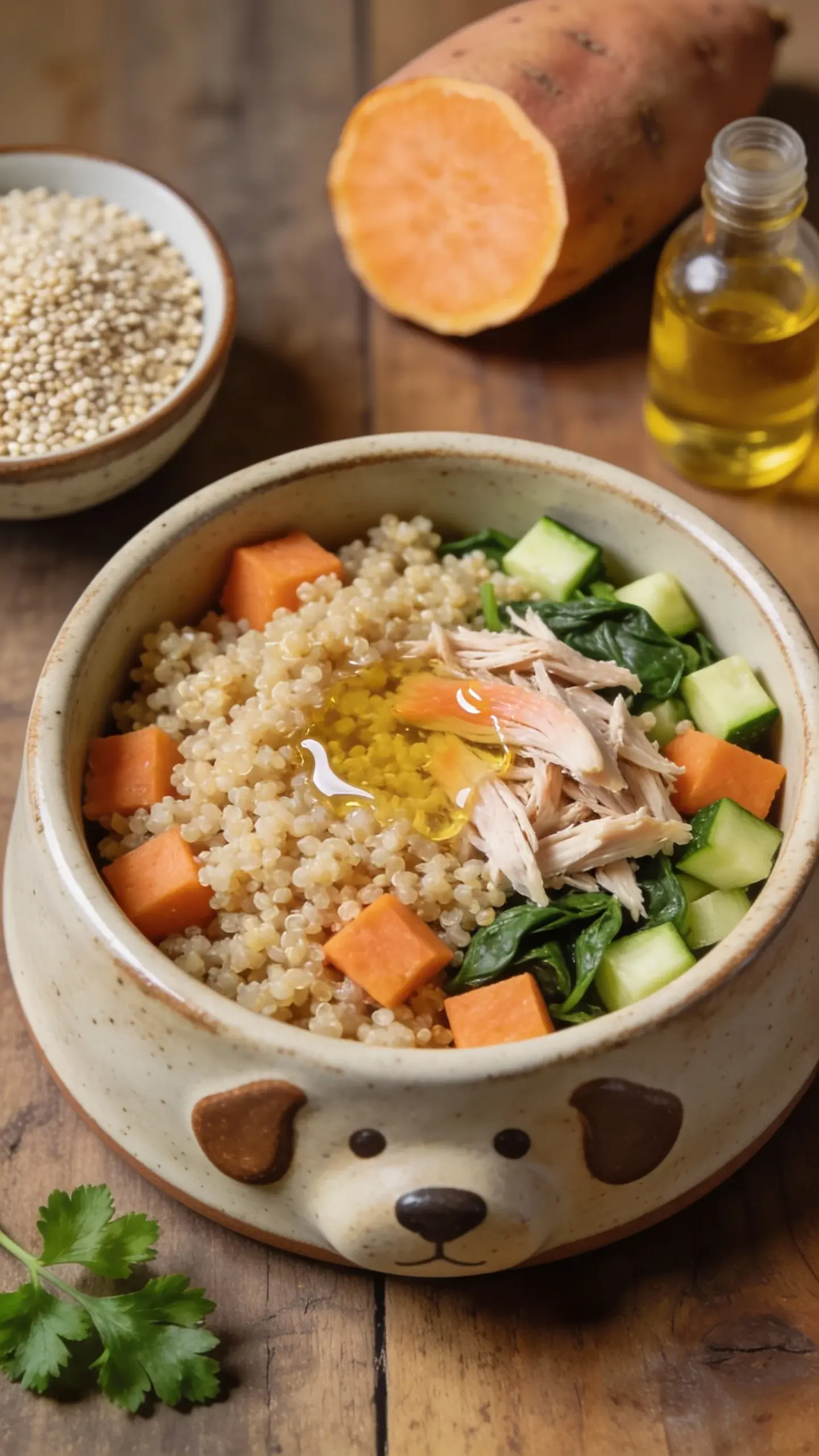
Homemade Allergy-Friendly Dog Food With Quinoa: The Only Guide You Need
Quinoa can be a useful ingredient in homemade dog meals, especially when you’re looking for something different from the usual rice-based recipes. It’s a seed that cooks into a soft, fluffy texture and can provide carbohydrates, protein, fiber, and several micronutrients.
But if you’re making food for a dog with suspected food allergies, the ingredient list needs more thought than simply choosing foods marketed as “healthy.” A dog can react to almost any protein, and an ingredient that works beautifully for one dog may be completely unsuitable for another.
That’s why quinoa should be viewed as one ingredient in a carefully planned diet, not a treatment for food allergies.
If your dog has persistent itching, paw licking, recurring ear problems, vomiting, or diarrhea, speak with your veterinarian before assuming the food bowl is responsible. A properly managed elimination diet is the reliable way to investigate a suspected food allergy.
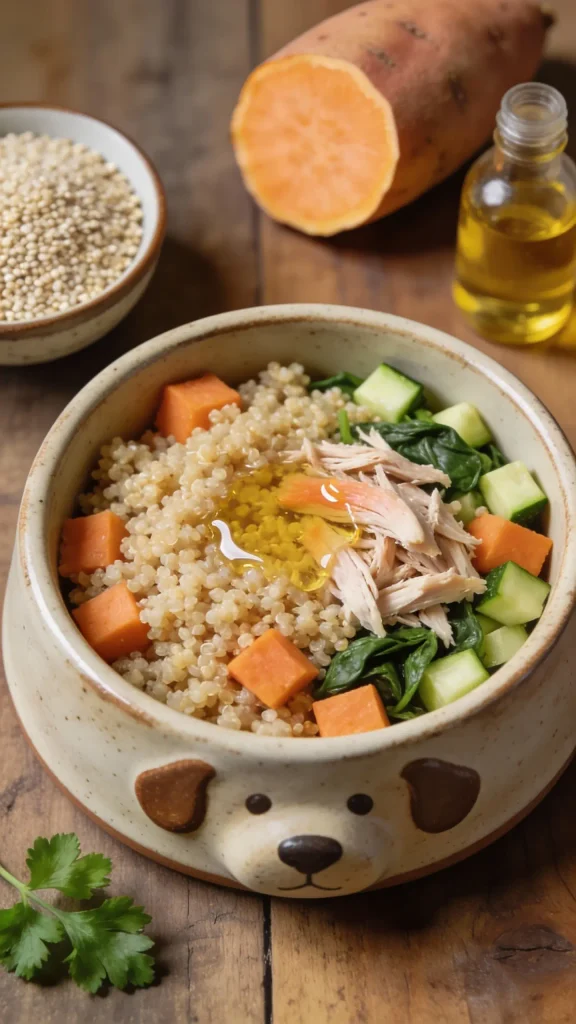
Why Quinoa Works for Sensitive Dogs
Quinoa is naturally gluten-free and contains carbohydrates, fiber, minerals, and protein. It also contains all of the essential amino acids, although that doesn’t mean quinoa by itself provides everything a dog needs nutritionally.
For some dogs, quinoa can be a perfectly reasonable carbohydrate ingredient in a homemade recipe. It can also be useful when you’re trying to build meals around ingredients your dog already tolerates.
However, gluten-free doesn’t automatically mean allergy-friendly.
Dogs don’t need to avoid gluten unless there is a specific reason to do so, and quinoa shouldn’t be selected simply because it sounds more wholesome than rice. The right carbohydrate depends on the individual dog and, when allergies are suspected, what the dog has eaten previously.
The same applies to the protein paired with quinoa. Turkey, pork, fish, duck, lamb, or another protein isn’t universally safe. Any dietary protein can potentially trigger an adverse reaction.
Allergy-Friendly Building Blocks: What to Use (and Skip)
When you’re preparing homemade food for a dog with suspected dietary sensitivity, simplicity is your friend.
Rather than throwing ten ingredients into the bowl, use a small number of ingredients that fit your dog’s dietary history and your veterinarian’s plan.
- Protein options: Depending on your dog’s previous diet, possibilities may include turkey, pork, duck, rabbit, venison, or certain fish.
- Carbohydrate base: Quinoa, rice, oats, or sweet potato may work depending on the individual dog.
- Vegetables: Plain pumpkin, zucchini, carrots, or green beans can be included when they are appropriate for the recipe.
- Fats: The appropriate amount of dietary fat should come from the complete recipe rather than being added freely.
- Seasoning: Keep homemade dog food plain. Skip onion, garlic, excessive salt, sauces, and human seasoning blends.
One important point: don’t create an elimination diet by simply banning chicken, beef, wheat, dairy, and soy because they’re commonly discussed online.
Your dog’s previous diet matters. A protein can only be considered “novel” if your dog hasn’t been exposed to it before, which is why a detailed food history is so important.
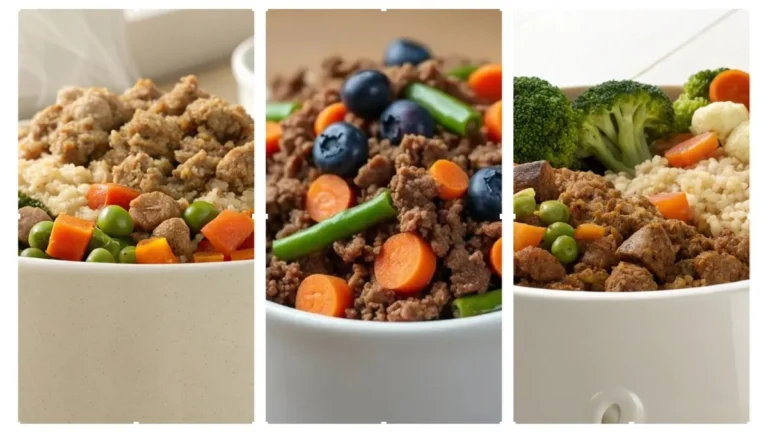
Simple Quinoa Dog Bowl Recipe
This recipe is best treated as a meal template, not a nutritionally complete long-term diet.
The exact protein and other ingredients should be selected based on what your dog tolerates and, if you’re investigating an allergy, what your veterinarian has recommended.
Ingredients
- 1 cup quinoa, rinsed thoroughly
- A veterinarian-selected amount of plain cooked protein such as turkey, pork, or another appropriate protein
- 1 cup plain cooked pumpkin
- 1 cup cooked zucchini or green beans
- Water for cooking
- A properly formulated canine diet-balancing supplement, if required by the recipe
Directions
- Rinse the quinoa thoroughly under running water.
- Cook the quinoa with water until tender and fluffy.
- Cook the selected protein thoroughly without onion, garlic, sauces, or seasoning.
- Steam or gently cook the vegetables until soft enough for your dog.
- Allow the cooked ingredients to cool before combining them.
- Mix the quinoa, protein, and vegetables evenly.
- Add any nutritional supplement according to the complete recipe rather than guessing at the amount.
- Divide into portions appropriate for your dog’s individual calorie requirements.
For storage, refrigerate freshly prepared food promptly in covered containers and use it within the timeframe recommended by your veterinarian or food-safety guidance. Freeze extra portions if you have prepared a larger batch.
Tip: If you’re simply introducing quinoa as a new ingredient—not conducting a strict elimination trial—introduce the change gradually. If your veterinarian has prescribed an elimination diet, follow that plan rather than mixing the new trial diet with the old food.
Portions: How Much Should You Feed?
There isn’t a reliable “cups per 10 pounds” formula that works for every homemade dog diet.
Two meals containing the same volume can have very different calorie levels depending on the amount of meat, quinoa, fat, and other ingredients used.
Your dog’s ideal portion depends on factors such as:
- Current and ideal body weight
- Age
- Activity level
- Neuter status
- Metabolic needs
- Medical conditions
- Calorie density of the recipe
Instead of feeding by volume alone, work from an appropriate daily calorie target and monitor your dog’s body condition.
If your dog is steadily gaining excess weight, the diet may provide more calories than needed. If your dog is losing weight or consistently failing to maintain body condition, the recipe or feeding amount needs to be reassessed.
For a growing puppy, pregnant dog, senior dog, or dog with a medical condition, get individualized feeding guidance rather than relying on a general internet portion chart.
Don’t Forget Micronutrients
This is one of the most important parts of homemade dog food.
Quinoa, meat, pumpkin, and vegetables may provide plenty of appealing nutrients, but that doesn’t make the combination complete and balanced.
Homemade diets can become deficient in calcium and other essential nutrients when recipes are built from ingredients alone. Merck Veterinary Manual specifically recommends using a recipe formulated by a boarded veterinary nutritionist for long-term home-cooked feeding.
Essential add-ins
Depending on the complete recipe, your dog may need:
- Calcium: Particularly important when the recipe contains boneless meat.
- Essential fatty acids: The complete diet should provide appropriate amounts of essential fatty acids.
- Vitamins and minerals: A properly formulated supplement may be necessary to supply nutrients that aren’t present in sufficient quantities in the food ingredients.
- Fiber: Pumpkin and vegetables can contribute fiber, but adding more isn’t always better.
Don’t simply purchase a random canine multivitamin and assume it makes a homemade diet complete. Supplement requirements depend on the entire recipe.
If your dog is undergoing a strict elimination trial, every supplement should also be checked for ingredients that could interfere with the trial. Flavored supplements and chewable products can contain additional food proteins.
Allergy-Safe Flavor Boosts
You don’t need spices or sauces to make homemade dog food appealing.
Instead, make meals more interesting through safe preparation and texture.
- Protein variety: Only rotate proteins that your dog has been cleared to eat. During an elimination trial, don’t rotate simply for variety.
- Vegetable swaps: Pumpkin, zucchini, carrots, or green beans can be options when they fit the recipe.
- Texture changes: Softer mixtures can be useful for older dogs or dogs that tend to swallow food quickly.
- Temperature: Serving food slightly warm can increase aroma and palatability, but always check that it isn’t hot before feeding.
If your dog is completing an elimination trial, resist the temptation to keep changing the menu. The whole purpose is to control what your dog consumes so you can identify whether diet is contributing to the symptoms.
Signs This Recipe Helps (and When to Change Course)

Don’t expect every food-related problem to disappear overnight.
If a dog truly has a food allergy, improvement may take time, particularly when skin problems are involved. Veterinary elimination trials for dermatologic signs can require several weeks, and diagnosis ultimately involves improvement on the elimination diet followed by a controlled dietary challenge.
Keep an eye on:
- Scratching and paw licking
- Ear problems
- Skin redness
- Stool consistency
- Vomiting
- Appetite
- Body weight
- Overall comfort
If your dog develops vomiting, diarrhea, worsening itching, facial swelling, hives, refuses food, becomes unusually tired, or develops other concerning symptoms, don’t keep experimenting with ingredients at home.
A food reaction is only one possible explanation for these signs.
Budget and Batch-Cooking Tips
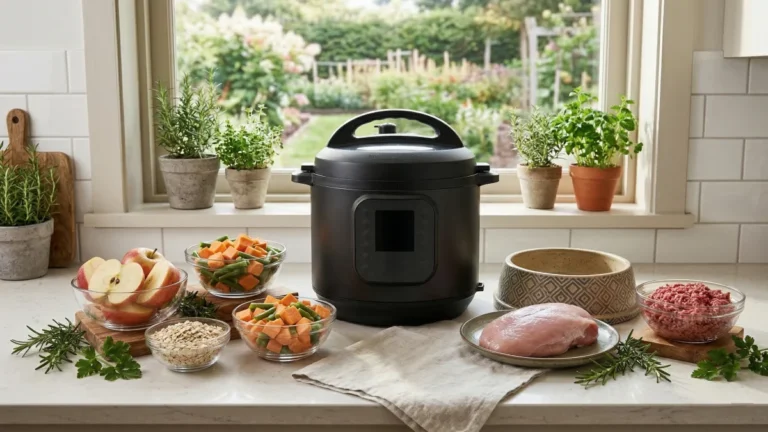
Homemade food can be easier to manage when you prepare it in batches.
- Buy appropriate proteins in larger quantities when practical.
- Cook quinoa in batches instead of preparing tiny amounts every day.
- Freeze individual meal portions so you aren’t constantly measuring food.
- Label containers with the protein and preparation date.
- Use a kitchen scale when consistency matters.
- Keep ingredients for a strict elimination diet separate from other pet foods.
- Prepare enough for several meals rather than changing recipes every day.
Batch cooking is especially useful when your veterinarian has prescribed a very specific recipe. Consistency makes it easier to know exactly what your dog has consumed.
FAQs
Can dogs eat quinoa every day?
Many dogs can tolerate properly cooked quinoa, but that doesn’t mean a quinoa-based homemade meal is automatically suitable as a complete everyday diet.
If quinoa is part of a properly formulated complete-and-balanced recipe, it can be fed regularly when appropriate for the individual dog.
The bigger issue isn’t whether quinoa itself can appear every day. It’s whether the entire diet supplies all the nutrients your dog requires.
Is quinoa better than rice for sensitive dogs?
Not necessarily.
Quinoa contains more protein and certain micronutrients than white rice, but “more nutritious” doesn’t automatically mean “better for your dog.”
Some dogs do perfectly well with rice, while others may do well with quinoa. For suspected food allergies, the deciding factor is whether the ingredient fits the dog’s dietary history and the elimination plan—not which ingredient has the better reputation online.
What proteins pair best with quinoa for allergies?
There isn’t one protein that works best for every allergic dog.
The appropriate choice depends on which proteins your dog has previously eaten. A protein that sounds unusual may still be unsuitable if your dog has already consumed it.
For a suspected food allergy, your veterinarian may choose a truly novel protein or a hydrolyzed diet. The diet should then be fed exclusively for the prescribed trial period.
Do I need to add calcium?
A homemade diet containing boneless meat will often require a carefully calculated calcium source.
But don’t rely on a generic calcium number from an online recipe. Calcium needs are part of the nutritional balance of the whole diet, and simply adding calcium does not make an otherwise incomplete recipe complete.
A veterinary nutritionist can calculate the appropriate calcium and other nutrient requirements for the recipe you’re feeding. Unbalanced homemade diets can lead to nutritional deficiencies over time.
How do I transition from kibble to homemade?
For an ordinary diet change, gradually replacing the old food with the new food can help some dogs adjust.
A common approach is to increase the new food over several days while decreasing the old food, slowing down if digestive upset develops.
However, don’t automatically use a gradual mixed-food transition when your veterinarian has prescribed a strict elimination diet. During an elimination trial, feeding the old food alongside the trial food can make the results impossible to interpret.
Follow the transition instructions provided for your dog’s specific situation.
Can I freeze this quinoa mix?
Yes, freezing individual portions can make homemade meal preparation much more convenient.
Allow cooked food to cool appropriately before storing, package it in meal-sized portions, label the containers with the date and ingredients, and thaw portions safely in the refrigerator.
If you’re conducting an elimination trial, clearly label the protein used in each batch so you don’t accidentally feed an unapproved ingredient.
Conclusion
Quinoa can be a useful ingredient in homemade dog food, but it isn’t a magic solution for allergies or sensitive stomachs.
The best approach is to start with your dog’s individual needs, identify ingredients carefully, and keep the diet consistent. If food allergy is genuinely suspected, work with your veterinarian on a proper elimination diet instead of continually swapping proteins and vegetables.
And if homemade food is going to become your dog’s regular diet, don’t stop at choosing healthy-looking ingredients. Nutritional balance matters just as much as what’s in the bowl.
With the right recipe, careful ingredient control, and a little patience, homemade meals can become a practical part of your dog’s feeding routine.