Traveling With a Beagle: Car and Flight Tips
Beagles are curious, food-driven, and endlessly nosy — which makes them surprisingly good travel companions once they’re used to it. But their strong scenting instinct, tendency toward anxiety when out of routine, and stubborn streak mean travel days go a lot smoother with some planning. Whether you’re heading out on a weekend road trip or booking a flight, here’s how to keep your Beagle safe, calm, and comfortable.
Traveling by Car
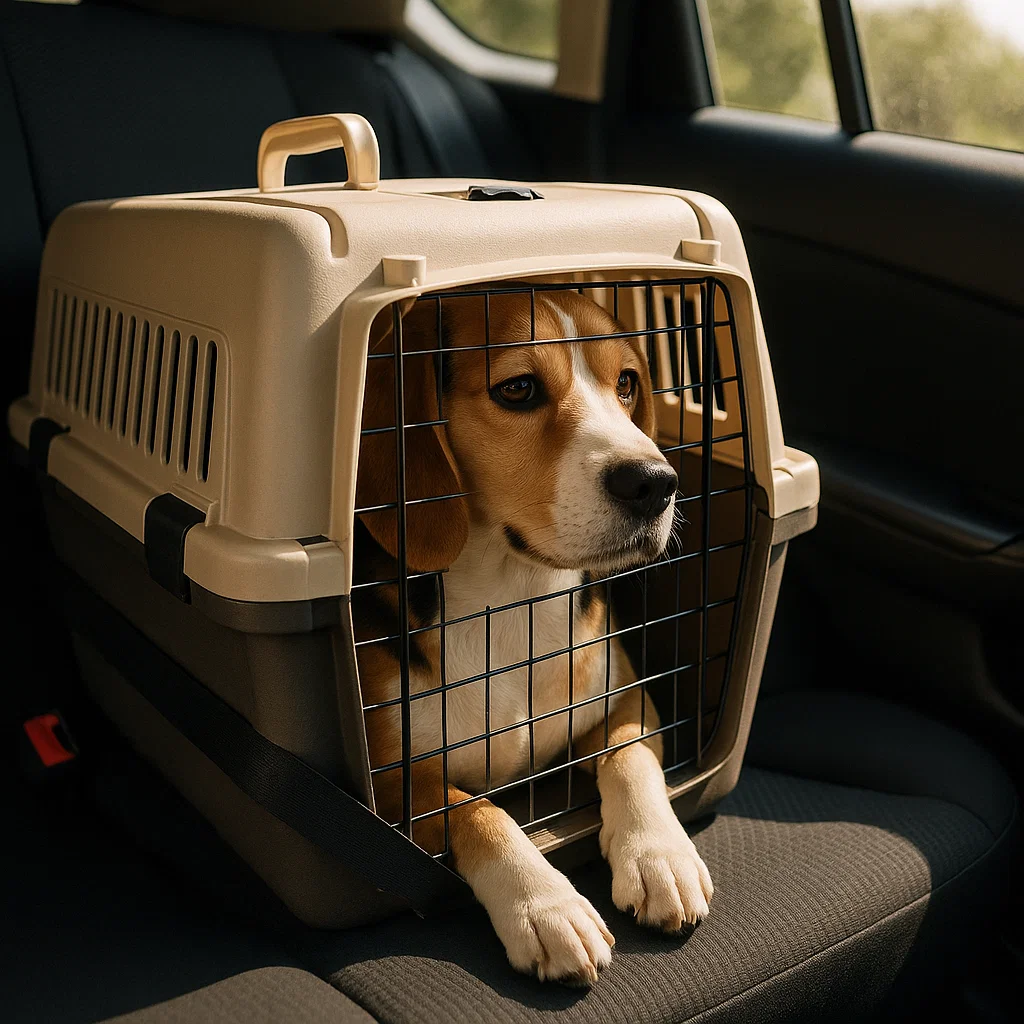
Secure them properly. Letting a Beagle roam freely in the car is one of the most common travel mistakes. Not only is it unsafe in the event of sudden braking or an accident, but a loose Beagle will spend the whole ride trying to climb into your lap or stick their nose out every window. Use either a crash-tested dog seatbelt harness or a secured travel crate in the back seat or cargo area.
Choose the right carrier or crate. For car travel, a hard-sided or soft-sided crate that’s large enough for your Beagle to stand, turn around, and lie down comfortably works best. Look for one with good ventilation and a non-slip base so it doesn’t slide during turns or stops. Line it with a familiar blanket or an item with your scent on it — this can meaningfully reduce stress for a breed that relies so heavily on smell for comfort.
Take practice runs first. If your Beagle isn’t used to car rides, don’t save the first trip for a long haul. Start with short 10-15 minute drives around the neighborhood, gradually increasing the distance so the car stops feeling like a novel, stressful place.
Plan frequent stops. Beagles have a strong need to sniff and explore, and regular breaks (every 2-3 hours on long trips) help burn off pent-up energy and reduce restlessness. Always leash your Beagle before opening the car door — their nose can lead them to bolt after an interesting scent in a flash.
Pack familiar comforts. Bring their regular food, a favorite chew toy, and water from home if possible. Sudden diet or water changes can upset a Beagle’s stomach, and an upset stomach on a road trip is nobody’s idea of fun.
Never leave them alone in a parked car. This applies in any season — cars heat up dangerously fast even on mild days, and cold snaps can be just as risky.
Traveling by Plane
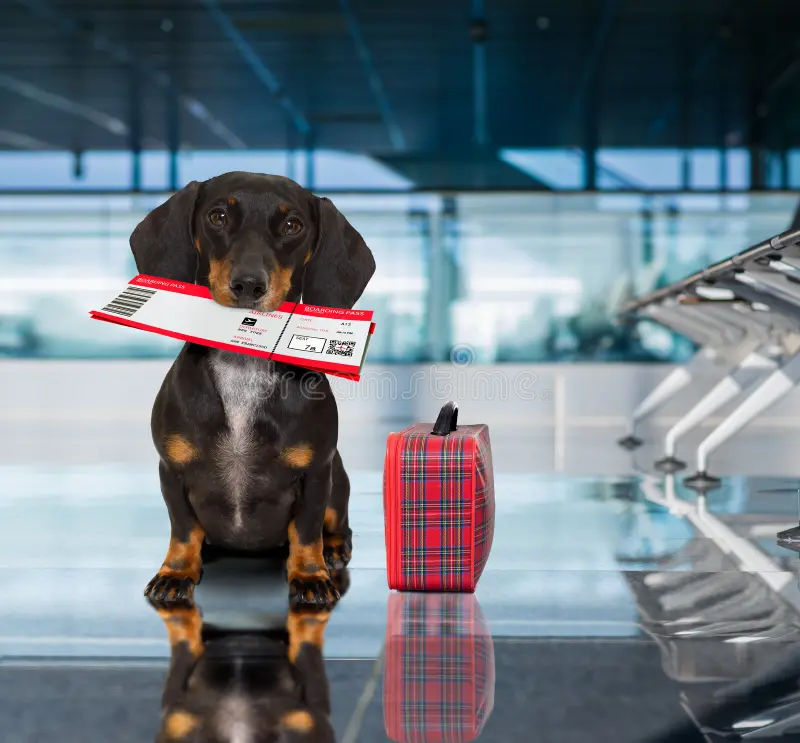
Check airline pet policies early. Every airline has different rules about breed restrictions, crate dimensions, and whether pets can fly in-cabin or must go as cargo. Beagles are generally small enough to qualify for in-cabin travel with many airlines, but you’ll want to confirm well before booking.
Invest in an airline-approved carrier. Look for a soft-sided carrier that meets your airline’s exact size requirements and fits under the seat in front of you. It should be well-ventilated, comfortable, and something your Beagle has already spent time in before the travel day — not a brand-new, unfamiliar box.
Acclimate them to the carrier in advance. Start weeks before the flight. Leave the carrier out at home with the door open, place treats and toys inside, and gradually build up to short trips in it. The goal is for your Beagle to see the carrier as a safe, comfortable space rather than a source of stress.
Avoid sedatives unless prescribed. Talk to your vet before your trip about anxiety management. Many vets discourage sedation for air travel because it can affect breathing and body temperature regulation at altitude. Natural calming aids, pressure wraps, or vet-approved options are generally safer starting points.
Skip a heavy meal beforehand. Feed your Beagle a light meal a few hours before the flight rather than a full one right before boarding, to reduce the chance of an upset stomach mid-flight.
Attach ID and stay close by. Make sure your Beagle’s collar has updated ID tags and that their microchip information is current, in case of any mix-up during transit. Keep the carrier close to you throughout the airport rather than checking it separately when flying in-cabin.
The Bottom Line
Traveling with a Beagle takes a bit more prep than tossing them in the back seat, but the payoff is worth it. A little practice with the crate or carrier, a calm and predictable routine, and some patience on travel day can turn a potentially stressful experience into just another adventure for your nose-driven, food-loving companion