Ground Turkey & Pea Mash-Up: A Simple, Healthy Meal for Cats and Dogs
Looking for a simple homemade topper that can add some variety to your pet’s regular meals?
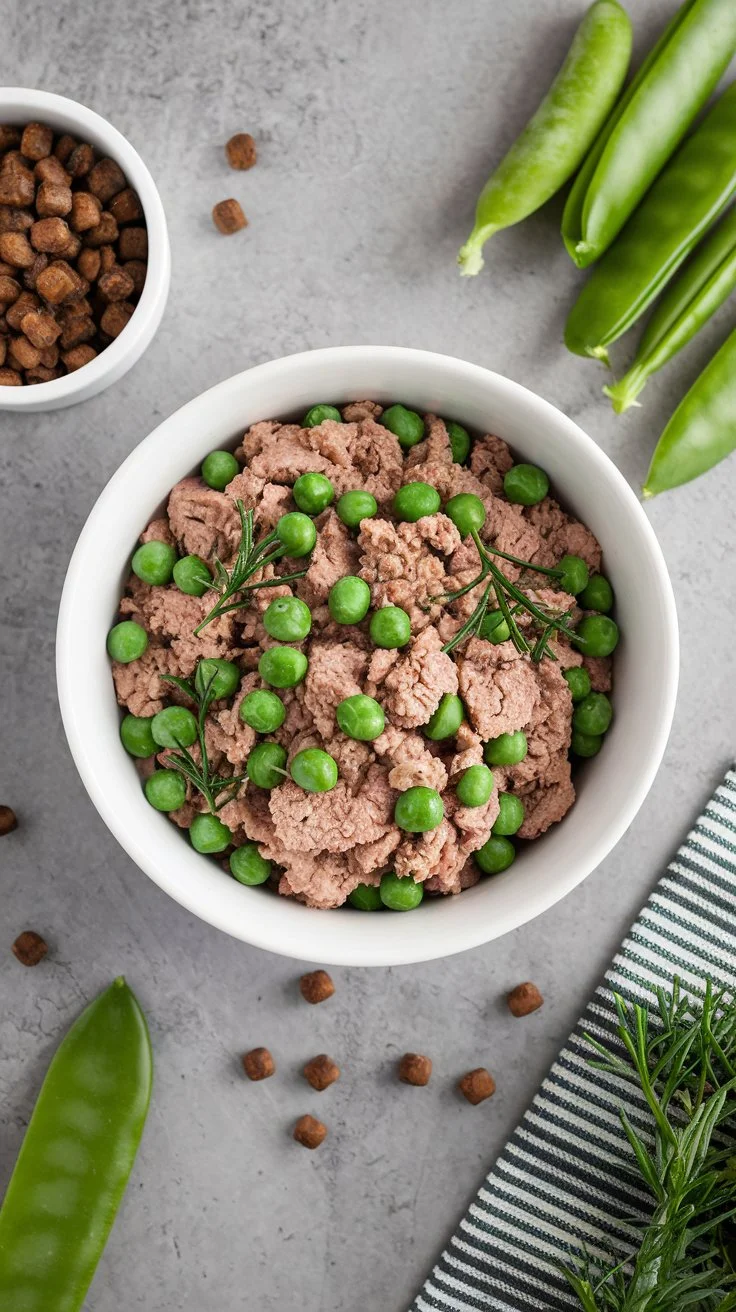
This Ground Turkey & Pea Mash-Up combines cooked ground turkey with soft peas and a little water for a moist, easy-to-serve mixture.
It’s quick to prepare and uses ingredients that many pet parents already have in the kitchen. Just keep in mind that a simple homemade mixture like this should be treated as an occasional topper or supplemental food, not a complete and balanced replacement for your cat or dog’s regular diet. Homemade diets can be deficient in important nutrients when they aren’t specifically formulated for the individual pet.
Let’s make it!
Why This Recipe Works
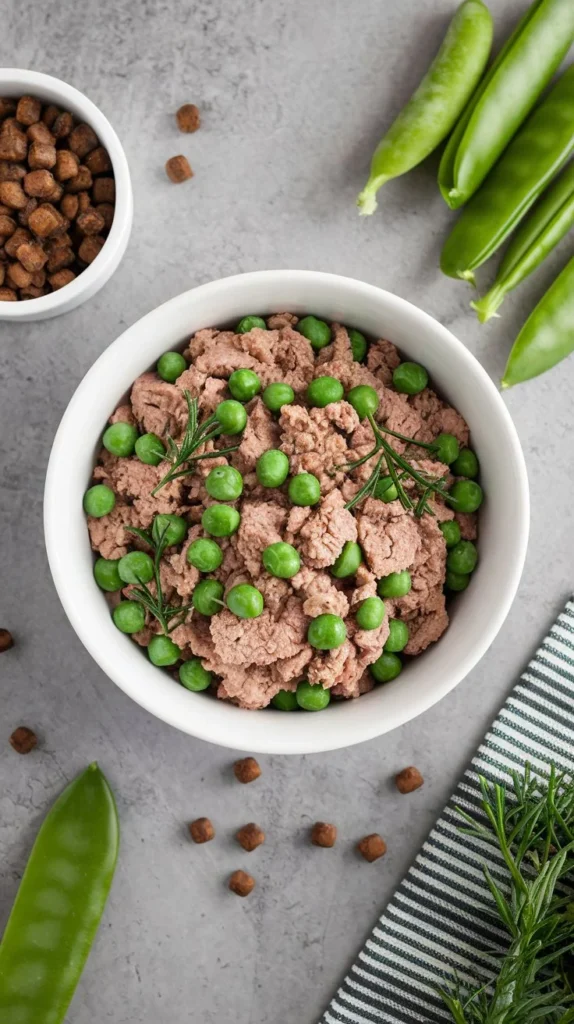
Ground turkey provides a convenient source of animal protein, while cooked peas add a little fiber and texture to the mixture.
The combination also creates a soft, moist food that can work nicely as a topper over your pet’s normal food.
However, there’s an important distinction between a nutritious ingredient combination and a nutritionally complete diet. Turkey and peas don’t provide every vitamin, mineral, amino acid, fatty acid, and other nutrient that cats and dogs require in the correct proportions. Cats have particularly specific nutritional requirements, including dietary taurine, preformed vitamin A, arachidonic acid, and other nutrients.
So think of this recipe as a little homemade addition to a properly balanced diet—not something to feed as your pet’s only food.
Ingredients
- 1/4 pound ground turkey, lean and unseasoned
- 1/4 cup peas, cooked and unsalted
- 1–2 tablespoons water
- Optional: a small amount of your pet’s regular complete and balanced food, for serving
Choose plain turkey without garlic, onion, heavy seasoning, sauces, or other flavorings.
If you’re using frozen peas, cook them until soft and allow them to cool before serving.
Step-by-Step Instructions
- Cook the ground turkeyPlace the ground turkey in a skillet over medium heat. Break it into small pieces as it cooks and continue cooking until it reaches a safe internal temperature and is fully cooked throughout.Don’t add garlic, onion, salt, spices, butter, or seasoning.
- Prepare the peasCook the peas until they’re soft. Frozen peas can be prepared according to the package directions.Avoid peas prepared with butter, salt, sauces, or other seasonings.
- Mash the peasOnce the peas have cooled slightly, mash them gently with a fork.For smaller pets, cats, puppies, or dogs that prefer softer food, a smoother texture can make the mixture easier to eat.
- Combine the ingredientsPlace the cooked turkey and peas in a bowl and mix them together.Add a little water to create a moist consistency. You don’t need to turn the mixture into a puree unless your pet prefers it that way.
- Cool and serveAllow the food to cool to a comfortable temperature before offering it to your pet.Use a small portion as a topper or occasional supplemental food alongside your pet’s regular complete and balanced diet.
Can Dogs Eat This Too?
Yes, plain fully cooked turkey and cooked peas can be suitable ingredients for many healthy dogs when offered in appropriate amounts.
The important part is portion size and how you use the recipe.
This mixture should not replace your dog’s complete and balanced food on a regular basis unless the entire recipe has been professionally formulated to meet your dog’s nutritional requirements. Homemade diets made from only a few ingredients can develop nutritional deficiencies over time.
For a healthy adult dog, a small amount can be used as an occasional topper or treat.
If your dog has pancreatitis, kidney disease, food allergies, digestive disease, or another medical condition, check with your veterinarian before introducing a homemade recipe.
Common Mistakes
- Using seasoned turkeyAvoid garlic, onion, excessive salt, sauces, and other seasonings. Pets don’t need human-style seasoning on their food.
- Serving the mixture as a complete dietTurkey and peas alone don’t provide complete and balanced nutrition for a dog or cat. Use this recipe as a supplemental food unless it has been professionally formulated as a complete diet.
- Giving too much at onceEven pet-friendly ingredients can cause digestive upset when introduced suddenly or served in large quantities.
- Not cooking the turkey thoroughlyAlways cook ground turkey completely before serving. Raw meat can carry foodborne pathogens and isn’t necessary for this recipe.
- Serving food that’s too hotLet freshly cooked food cool before putting it in your pet’s bowl.
Storage Tips
- In the fridge: Place leftovers in a clean, airtight container and refrigerate promptly. Use within a few days and discard anything that looks or smells questionable.
- In the freezer: Freeze small portions in an airtight freezer-safe container if you want to keep leftovers longer. Thaw them safely in the refrigerator before serving.
Don’t leave cooked pet food sitting at room temperature for extended periods.
Variations to Try
- Swap turkey with ground chickenPlain cooked ground chicken can be used instead of turkey for a similar simple protein option.
- Try green beans instead of peasPlain cooked green beans can provide a different texture and add variety to an occasional topper.
- Add a touch of mashed sweet potatoA small amount of plain cooked sweet potato can change the texture and flavor of the mixture.Keep additions modest, though. Adding more ingredients doesn’t automatically make a homemade diet nutritionally complete. The overall nutrient balance matters much more than the number of whole-food ingredients in the bowl.
FAQs
Can I use canned peas?
Yes, but choose plain peas without added salt, sauces, or seasonings. Rinsing canned vegetables can help remove some surface sodium, but fresh or frozen unsalted peas are an easier choice.
Can I feed this to kittens or puppies?
This recipe should not be used as a complete meal for kittens or puppies.
Young animals have especially demanding nutritional requirements while they grow. Kittens require specific nutrients such as taurine, while growing puppies also require carefully balanced amounts of protein, minerals, vitamins, and energy.
If you want to prepare homemade food for a growing pet, ask your veterinarian or a veterinary nutritionist for a properly formulated recipe.
How often can I serve this to my pet?
For a healthy adult pet, a small amount can occasionally be used as a topper or treat, provided it fits within the pet’s overall diet.
There’s no universal “once or twice a week” amount that is appropriate for every dog or cat because calorie needs, body size, health status, and the rest of the diet all matter.
If you want homemade food to make up a substantial part of your pet’s diet, use a recipe formulated specifically for that pet rather than relying on a simple meat-and-vegetable combination.
Final Thoughts
This Ground Turkey & Pea Mash-Up is an easy way to add a little homemade variety to your pet’s bowl.
With fully cooked ground turkey, soft peas, and a splash of water, you can prepare a simple topper without complicated ingredients or elaborate cooking.
Just remember that simple doesn’t necessarily mean complete. Cats and dogs have different nutritional requirements, and a homemade mixture containing only meat and vegetables isn’t enough to meet all of those needs over the long term.
Use this recipe as an occasional addition to a properly balanced diet, introduce it gradually, and keep portions appropriate for your pet.
And if you’re considering switching your dog or cat to a primarily homemade diet, talk with your veterinarian or a qualified veterinary nutritionist first. A professionally formulated recipe can help make sure your pet receives the nutrients they need.