Beef and Sweet Potato Homemade Dog Food – Simple, Nutritious, and Picky-Eater Approved
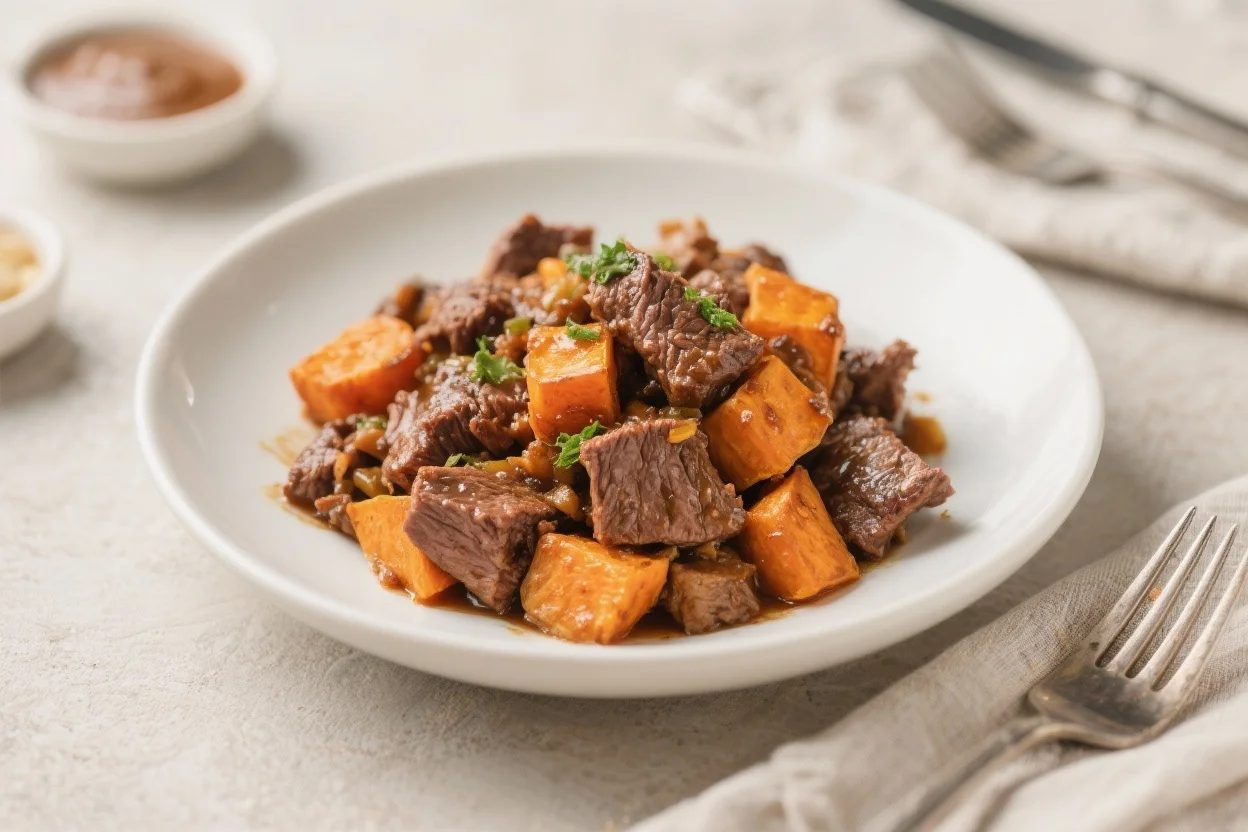
Homemade dog food can be simple, affordable, and easy to prepare. This Beef and Sweet Potato recipe combines lean ground beef with sweet potatoes and vegetables to create a hearty meal you can prepare in one pot.
Making your dog’s food at home also gives you more control over the ingredients. If your dog has a sensitive stomach or you simply prefer knowing exactly what goes into their meals, this recipe offers a straightforward starting point.
Why This Recipe Works
- Simple ingredients: Lean ground beef supplies protein, while sweet potatoes provide carbohydrates, fiber, and several important nutrients.
- Easy to digest: A short ingredient list can make it easier to identify ingredients your dog tolerates well.
- Easy to customize: You can adjust the vegetables or carbohydrate source according to your dog’s preferences and dietary needs.
- Good for meal prep: A large batch can be divided into individual portions and stored for several days.
- Appealing flavor: Beef provides a savory aroma while sweet potatoes add natural sweetness, making the combination appealing to many dogs.
Shopping List
- 2 pounds lean ground beef (90% lean or higher)
- 2 large sweet potatoes (about 2 to 2.5 pounds), peeled and diced
- 1 cup white or brown rice (optional)
- 1 cup carrots, diced
- 1 cup green beans, chopped
- 2–3 cups water or low-sodium broth
- 2 tablespoons olive oil or salmon oil
- 1–2 teaspoons ground flaxseed or chia seeds (optional)
- A canine-specific multivitamin/mineral supplement and/or omega-3 supplement, if recommended by your veterinarian
How to Make It
- Prepare the vegetables: Peel and cut the sweet potatoes into small, evenly sized pieces. Dice the carrots and chop the green beans.If you’re adding rice, rinse it before cooking.
- Cook the beef: Heat 1 tablespoon of oil in a large pot over medium heat. Add the ground beef and break it apart as it cooks. Continue until fully browned, then drain excess grease if necessary.
- Add the vegetables: Put the sweet potatoes, carrots, and green beans into the pot with the beef.Pour in enough water or low-sodium broth to cover the ingredients.
- Add the rice: If using rice, stir it into the pot. Bring everything to a gentle boil before lowering the heat.
- Simmer: Cook for approximately 20–25 minutes, stirring occasionally. The sweet potatoes should be tender and the rice fully cooked. Add additional water if needed.
- Add the remaining ingredients: Remove the pot from the heat. Stir in the remaining oil and optional flaxseed or chia seeds.Allow the food to cool completely before portioning.
- Divide into portions: Separate the cooled food into portions appropriate for your dog’s daily needs. If your veterinarian has recommended supplements, add them according to the prescribed directions.
- Serve: Serve at room temperature or slightly warmed.If your dog is new to homemade food, gradually mix it with their existing diet over several days rather than changing foods suddenly.
How to Store
- Refrigerator: Place cooled portions in airtight containers and refrigerate for up to 4 days.
- Freezer: Divide the food into individual portions and freeze for up to 3 months. Label each container with the preparation date and serving size.
- Reheating: Thaw frozen portions in the refrigerator overnight. Warm gently before serving and stir thoroughly to prevent hot spots.
Why This is Good for You
- Whole-food ingredients: Preparing meals yourself allows you to see exactly which ingredients are going into your dog’s bowl.
- Nutrient-rich foods: Beef provides protein, iron, and B vitamins, while sweet potatoes contribute fiber, beta-carotene, and potassium. The vegetables add additional nutrients.
- Easy to modify: A simple base makes it easier to adjust ingredients when your dog doesn’t tolerate certain foods.
- Better portion control: Homemade meals allow you to measure ingredients and portions more carefully, which can be useful when managing your dog’s calorie intake.
Pitfalls to Watch Out For
- Skipping supplements: Homemade diets may lack important nutrients such as calcium, iodine, zinc, or vitamin D when they are not properly formulated.If this recipe will be fed regularly, ask your veterinarian or a veterinary nutritionist about an appropriate canine supplement or complete recipe formulation.
- Using overly fatty meat: Choose lean beef and drain excess grease. High-fat meals may cause digestive problems and can be particularly risky for dogs prone to pancreatitis.
- Letting the food become too dry: Keep the finished mixture moist. Add a little water when reheating if necessary.
- Adding unsafe ingredients: Never include onions, garlic, chives, leeks, grapes, raisins, or heavily salted broths. Avoid seasoning mixes unless you have confirmed every ingredient is dog-safe.
- Serving inappropriate portions: Homemade food still contains calories. Portion sizes should take your dog’s size, age, activity, and overall diet into account.
Variations You Can Try
- Protein swap: Replace the beef with lean ground turkey or chicken if your dog tolerates those proteins. A suitable pork option can also be used when appropriate.
- Grain-free option: Leave out the rice and adjust the amount of sweet potato or use a small amount of plain cauliflower instead.
- Leafy greens: Add finely chopped spinach or kale toward the end of cooking if your dog tolerates them.
- Pumpkin boost: Mix in a small amount of plain canned pumpkin for additional fiber. Avoid pumpkin pie filling because it may contain added sugar and spices.
- Herbal hint: A small amount of plain dried parsley can be added for flavor, but herbs should never replace nutritionally important ingredients.
FAQ
How much should I feed my dog?
There isn’t one portion size that works for every dog. Your dog’s weight, age, activity level, health, and the calorie content of the finished recipe all matter.
Use your veterinarian’s feeding guidance when determining portions, especially if this homemade food will replace a complete commercial diet. Monitor your dog’s weight and body condition and adjust portions when necessary.
Disclosure: As Amazon Associates, we earn from qualifying purchases at no extra cost to you.
Do I need supplements if I’m using whole foods?
Whole ingredients do not automatically make a homemade diet nutritionally complete. Dogs can still miss important vitamins and minerals when meals are prepared without a properly formulated recipe.
If you plan to feed homemade food regularly, discuss a canine-specific vitamin and mineral supplement with your veterinarian or a veterinary nutritionist rather than choosing supplements at random.
Can I use sweet potato skins?
Yes, provided they are thoroughly washed and your dog tolerates them. However, peeling the sweet potatoes can make them easier for some dogs to digest.
Cut the potatoes into appropriately small pieces and cook them until soft.
Is this safe for puppies?
Puppies have different nutritional requirements than adult dogs, particularly while they are growing.
This recipe should not be assumed to meet those requirements on its own. If you want to feed a puppy homemade food, work with your veterinarian or a veterinary nutritionist to create a diet specifically formulated for growth.
Can I make this in an Instant Pot or slow cooker?
Yes. For an Instant Pot, brown the beef using the sauté function, then add the remaining ingredients and enough liquid for cooking. Follow your appliance’s instructions for pressure cooking and allow the food to cool before serving.
For a slow cooker, brown the beef first, then combine it with the remaining ingredients. Cook until the vegetables and rice are completely tender, adding liquid as needed.
What if my dog has a beef sensitivity?
You can substitute another protein your dog already tolerates, such as turkey or chicken.
Introduce the replacement gradually and monitor your dog for digestive changes, itching, ear problems, or other signs of intolerance. If you suspect a true food allergy, speak with your veterinarian.
How long can I store leftovers?
Keep refrigerated portions for up to 4 days. Frozen portions can generally be kept for up to 3 months when stored properly.
Discard food if it develops an unusual odor, appearance, or texture.
Can I season it to make it tastier?
It’s best to keep homemade dog food plain.
Salt, sauces, spice blends, onion, garlic, and other common seasonings can make a dog meal unsafe. If additional moisture or flavor is needed, use plain water or an appropriate low-sodium broth without unsafe ingredients.
Will this help with diarrhea or soft stools?
Some dogs may tolerate a simple meal containing easily digestible ingredients better when experiencing mild digestive upset, but this recipe should not be considered a treatment for diarrhea.
If diarrhea is severe, contains blood, is accompanied by vomiting or weakness, or continues beyond a short period, contact your veterinarian.
Can I add eggs?
Yes. Plain, fully cooked eggs can be mixed into the finished food if your dog tolerates them.
Cook 1–2 eggs without salt, butter, onion, garlic, or other seasonings, then stir them into the cooled mixture.
Wrapping Up
Beef and Sweet Potato Homemade Dog Food is an easy recipe built around familiar ingredients and simple preparation.
The combination of lean beef, sweet potatoes, rice, and vegetables can make a convenient homemade meal, especially when you’re preparing food in batches. Just remember that homemade food is not automatically nutritionally complete, so regular feeding should be based on a properly formulated recipe and appropriate veterinary guidance.
Start with small portions, introduce new ingredients gradually, and pay attention to how your dog responds.