
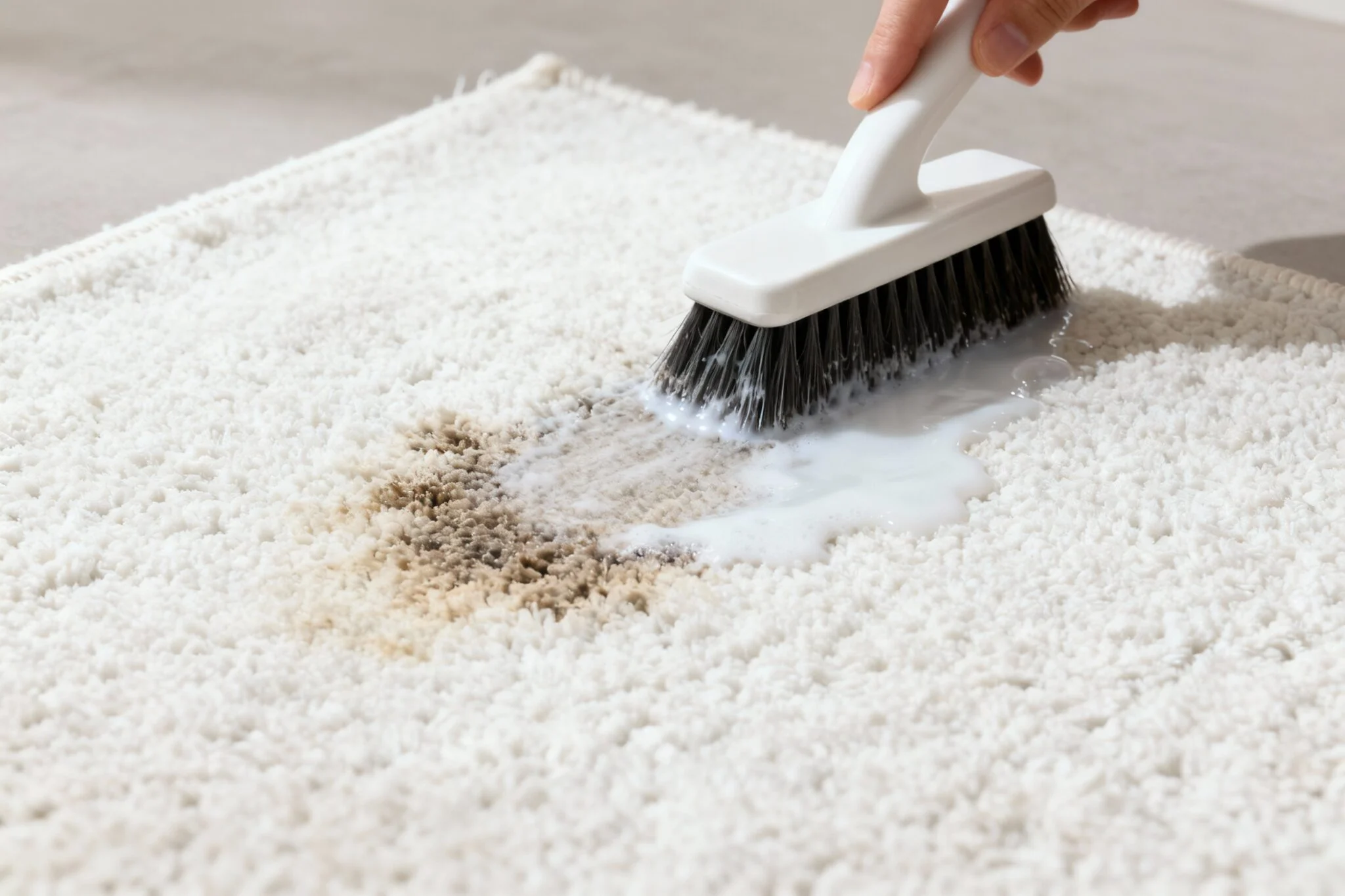
Carpet Cleaning Hacks To Remove Stubborn Stains
Coffee spills, muddy footprints, pet accidents, and an occasional glass of red wine can all leave their mark on your carpet. Fortunately, you don’t always need expensive professional cleaning to deal with everyday stains.
With a few inexpensive household supplies and the right cleaning method, you can tackle many common carpet messes yourself. The important part is identifying the stain first and choosing a treatment that works for that particular type of spill.
Here’s how to handle some of the most common carpet stains and keep your carpet looking fresh.
Know Your Enemy: Identify the Stain First
Before reaching for a cleaner, take a moment to determine what caused the stain. Different substances react differently with carpet fibers, so using the wrong treatment can sometimes make the problem worse.
Coffee, tea, wine, grease, pet accidents, and ink all require slightly different approaches. Knowing what you’re dealing with helps you choose the appropriate cleaning solution.
- Tannins (coffee, tea, wine): These naturally occurring compounds can leave noticeable brown or reddish discoloration on carpet fibers.
- Protein stains (blood, dairy, pet accidents): Heat can cause proteins to bind more firmly to fibers, so cold or cool water is generally the safer choice.
- Oily stains (butter, makeup, salad dressing): These need a cleaner that can break down grease without spreading it further.
- Dye-based stains (juice, ink): Colored liquids and inks can transfer pigment into carpet fibers and may require careful spot treatment.
Blot, Don’t Scrub
When dealing with a spill, resist the urge to vigorously rub the carpet. Scrubbing can push the substance deeper into the fibers and spread it over a larger area.
Instead, gently blot the stain with a clean white cloth or paper towel. Start around the outside and gradually work toward the center.
Fresh spills should be treated as quickly as possible. If a stain has already dried, it can still often be treated, but you may need to soften it first and repeat the process several times.
DIY Arsenal: What Actually Works
You don’t need dozens of specialty cleaning products to handle most household carpet stains. A small collection of basic supplies can take care of many common spills.
- White vinegar: Useful for helping with odors and certain tannin-based stains.
- Baking soda: Helps absorb moisture and neutralize unpleasant odors.
- Clear dish soap: A mild option for cutting through greasy residues.
- Hydrogen peroxide (3%): Can help with certain organic stains, but always test it on an inconspicuous area first.
- Rubbing alcohol: Useful for treating some ink and sticky residues because it evaporates relatively quickly.
- Enzyme cleaner: Particularly useful for pet accidents because it breaks down organic residue that can cause lingering odors.
- Club soda: Can be useful on some fresh spills and may help loosen the stain before blotting.
Tools You’ll Use Over and Over
Having a few basic tools nearby makes stain removal much easier.
- White microfiber cloths to avoid transferring dye onto the carpet
- A soft-bristle brush or old toothbrush for gentle agitation
- Spray bottles for diluted cleaning solutions
- A wet/dry vacuum or carpet extractor for removing moisture
- Paper towels for absorbing fresh spills
- A heavy object, such as a book or pan, for pressing towels against damp areas
Hack-by-Hack: Battle Plans for Common Stains
Red Wine (and Dark Juices)
Act quickly when wine or dark-colored juice lands on the carpet.
- Begin by gently blotting the liquid with a clean white cloth. Avoid rubbing.
- Add a small amount of club soda to the affected area and continue blotting.
- If discoloration remains, combine 1 part white vinegar with 2 parts water and add a small drop of clear dish soap.
- Lightly apply the mixture, blot the area, then use clean water to remove any remaining solution.
- If a faint stain remains, carefully dab hydrogen peroxide onto a colorfast carpet after testing it somewhere hidden first.
Avoid soaking the carpet. Too much liquid can travel underneath the surface and make the stain harder to remove.
Coffee or Tea
Coffee and tea can leave noticeable brown stains, particularly if they are allowed to dry.
- Blot the spill immediately to absorb as much liquid as possible.
- Combine 1 tablespoon of white vinegar, 1 tablespoon of dish soap, and 2 cups of warm water.
- Apply a small amount of the mixture and blot rather than rubbing.
- Continue working in small cycles until the stain begins to disappear.
- Finish by blotting with clean water to remove leftover cleaning solution.
Removing soap residue is important because leftover cleaner can attract dirt and cause the area to become dirty again.
Grease and Makeup
Greasy foods, cosmetics, and oily products need a slightly different approach.
- Carefully remove any solid material with a dull knife, spoon, or plastic card.
- Mix a small amount of clear dish soap with water.
- Dab the solution onto the stain without saturating the carpet.
- Blot repeatedly with a clean cloth.
- For particularly stubborn residue, carefully dab rubbing alcohol onto the area after testing it on a hidden section.
- Rinse lightly with clean water and blot dry.
The goal is to lift the grease rather than spread it across a larger section of carpet.
Pet Accidents (Yes, the glamorous stuff)
Pet accidents need to be treated beyond the visible surface because urine and other organic messes can penetrate into the carpet and padding.
- First, absorb as much liquid as possible with paper towels or clean cloths.
- Press firmly over the area to pull moisture upward. You can place a heavy object over a towel for several minutes to help absorb deeper moisture.
- Apply an enzyme cleaner according to the manufacturer’s instructions and allow it to remain on the carpet for the recommended amount of time.
- Blot or extract the area thoroughly.
- If necessary, finish with a small amount of clean water and remove the moisture again.
Enzyme cleaners are particularly useful for pet stains because they target organic residues that can continue producing odors after the visible mark is gone.
Blood
Blood stains should be treated with cold water rather than hot water.
- Blot the area with a cloth dampened with cold water.
- Continue blotting until you have removed as much of the stain as possible.
- On a light-colored, colorfast carpet, apply a small amount of 3% hydrogen peroxide and watch the reaction carefully.
- Blot the area and repeat if necessary.
- For darker carpets, start with cold water and a small amount of mild dish soap to reduce the risk of color loss.
Always test hydrogen peroxide on a hidden area before applying it to a visible section of carpet.
Ink and Marker
Ink can spread quickly, so work carefully and avoid rubbing the affected area.
- Dampen a cotton ball or clean white cloth with rubbing alcohol.
- Gently dab the stain rather than dragging the cloth across it.
- Move to a clean section of the cloth as ink transfers out of the carpet.
- Continue until the stain becomes lighter.
- Lightly rinse with clean water and blot the area dry.
A magic eraser may work on certain carpet materials, but it can be abrasive, so test it in an inconspicuous spot first.
Lift Set-In Stains With Heat (Carefully)
Some older stains can respond to gentle heat, but this method needs caution. Excessive heat can damage carpet fibers, discolor the material, or even leave a permanent mark.
Use only low heat and keep the iron moving rather than allowing it to sit in one place.
The Steam-and-Towel Trick
For certain stubborn stains, a damp towel and gentle heat can help transfer residue from the carpet into the towel.
- Lightly mist the area with a 1:2 vinegar-to-water solution.
- Place a clean, damp white towel over the stained section.
- Set an iron to a low temperature and briefly apply it over the towel for around 10–15 seconds.
- Lift the towel and check the area.
- Repeat carefully if needed.
Never leave a hot iron sitting on the carpet. Excessive heat can permanently damage the fibers.
For Wax or Chewing Gum
Wax and chewing gum require a different strategy because they are sticky rather than liquid stains.
For wax, place a paper towel over the affected area and gently warm it with an iron on a low setting. As the wax melts, it should transfer into the paper towel. Replace the towel as it becomes saturated and repeat carefully.
For chewing gum, use an ice pack to make the gum hard and brittle. Once it has hardened, gently break it apart and lift the pieces with a spoon or other dull tool.
If a sticky residue remains, a small amount of rubbing alcohol may help remove it after testing the carpet first.
Deodorize Like You Mean It
Sometimes the stain disappears but an unpleasant smell remains. This is especially common with pet accidents and food spills.
- Spread a generous layer of baking soda over the affected area.
- Leave it in place for several hours or overnight.
- Vacuum the area thoroughly.
- For persistent pet odors, use an enzyme cleaner according to its label directions.
Baking soda can help with surface odors, while enzyme cleaners are better suited to breaking down the organic material responsible for persistent pet smells.
When to Bring Out the Big Guns
If a stain covers a large area, has penetrated deep into the carpet padding, or refuses to disappear after several attempts, a carpet extraction machine may be the better option.
You can rent a carpet cleaner or use a home extraction machine if you have one. Follow the equipment instructions carefully and avoid applying more cleaning solution than recommended.
After cleaning, a plain-water rinse or extraction pass can help remove detergent residue left behind in the fibers.
Pro Moves to Prevent Reappearing Stains
Sometimes you clean a stain successfully, only to see it appear again after the carpet dries. This can happen because liquid and residue have moved deeper into the carpet or padding and then traveled back toward the surface. This is commonly known as wicking.
Here are a few ways to reduce the chance of it happening:
- Extract thoroughly: Remove as much moisture as possible after cleaning. A wet/dry vacuum or carpet extractor can be especially helpful.
- Weigh it down: Place clean paper towels over the damp area and add a heavy object on top to draw out remaining moisture.
- Rinse the soap out: Leftover detergent can attract dirt, so follow cleaning with a light water rinse and thorough extraction or blotting.
- Protect and prevent: After the carpet is completely clean and dry, consider using a suitable carpet protector to make future spills easier to manage.
Smart Habits That Keep Carpets Clean Longer
Regular maintenance is much easier than trying to rescue a heavily stained carpet later. A few simple habits can reduce the amount of dirt and debris that gets worked into the fibers.
- Shoes off at the door: Removing shoes before entering can significantly reduce the dirt and debris brought onto the carpet.
- Vacuum weekly: Regularly vacuum the entire carpet, and clean high-traffic areas two or three times a week if needed.
- Treat spills immediately: The sooner you absorb a spill, the less opportunity it has to penetrate and set into the carpet.
- Deep clean every 6–12 months: Homes with pets, children, or heavy foot traffic may benefit from more frequent deep cleaning.
FAQ
Can I use bleach on carpet?
It’s generally best to avoid bleach on carpet. It can remove the original color, weaken fibers, and leave a permanent discolored patch.
For appropriate carpets, a product containing hydrogen peroxide or an oxygen-based carpet cleaner may be a safer alternative. Always check the carpet manufacturer’s care instructions and test any product in an inconspicuous location first.
Do homemade solutions really work as well as store-bought cleaners?
Homemade mixtures can be effective for many everyday spills, particularly when you treat the stain quickly. Simple ingredients such as diluted vinegar and mild dish soap can handle some common stains.
However, certain problems need specialized products. Enzyme cleaners, for example, are particularly useful for pet accidents because they target organic residues that ordinary household mixtures may not completely break down.
How do I test for colorfastness?
Choose a hidden area of the carpet, such as a corner behind furniture.
Apply a small amount of the cleaning solution to a clean white cloth and gently blot the test area. Check the cloth and carpet for any color transfer or fading.
If the carpet color changes or transfers onto the cloth, don’t use that solution on the visible stain.
What if the stain keeps coming back?
A stain that returns after cleaning may be caused by wicking. Moisture or residue trapped deeper in the carpet or padding can move upward as the carpet dries.
Try treating the area again, but focus on removing as much moisture as possible afterward. Use a wet/dry vacuum or carpet extractor if available, then place absorbent towels over the area and weigh them down.
If the stain continues returning despite repeated treatment, professional hot-water extraction may be necessary.
Is a carpet cleaner worth buying?
For homes with pets, children, or large areas of carpet, owning a compact carpet extractor can be useful because you can deal with spills as soon as they happen.
If you rarely need deep cleaning, renting a machine when necessary may make more sense than buying one. Your choice largely depends on how often you expect to use it and how much carpet you have.
Can I steam clean wool carpets?
Wool carpets require extra care because high temperatures and strong cleaning chemicals can damage the natural fibers.
Use products specifically designed for wool, avoid excessive heat, and follow the carpet manufacturer’s care instructions. If you’re unsure about the appropriate cleaning method, professional cleaning from someone experienced with wool carpets is the safer option.
Wrap-Up: Stains Don’t Stand a Chance
Most everyday carpet stains can be handled with the right technique and a little patience. The most important steps are identifying what caused the stain, choosing an appropriate treatment, and avoiding aggressive scrubbing.
Keep a small collection of basic cleaning supplies on hand so you can deal with spills quickly. And remember that thorough blotting and moisture removal are just as important as the cleaning solution itself.
With regular vacuuming, quick spill treatment, and occasional deep cleaning, you can keep your carpets looking cleaner and prevent small accidents from turning into permanent problems.