All Weather Dog House Ideas
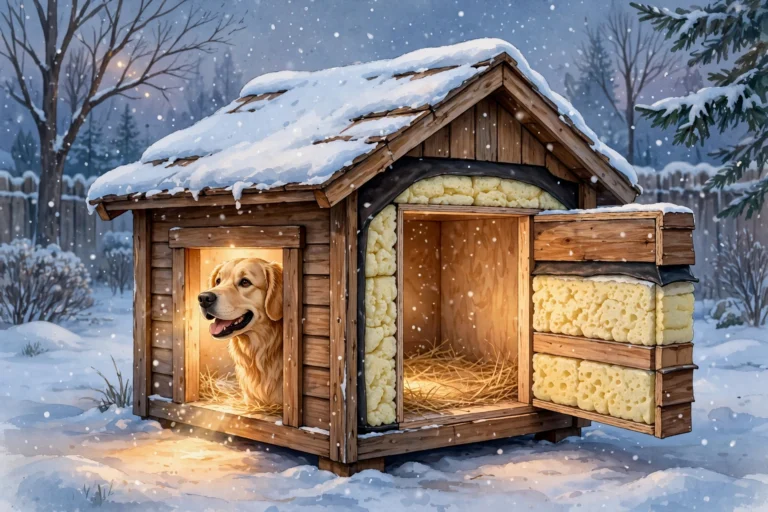
Weather doesn’t ask permission. One week it’s a heatwave, the next it’s a downpour, and by winter your dog’s shelter is buried in snow. An all-weather dog house is built to handle all of it — rain, wind, heat, and cold — without needing a rebuild every season. The best designs don’t just survive bad weather; they actively adapt to it, keeping the interior dry, temperate, and comfortable year-round. Below are 12 all-weather dog house ideas focused on year-round designs and adaptable features that keep your dog comfortable no matter what the sky is doing.
1. The Double-Wall Insulated Cabin
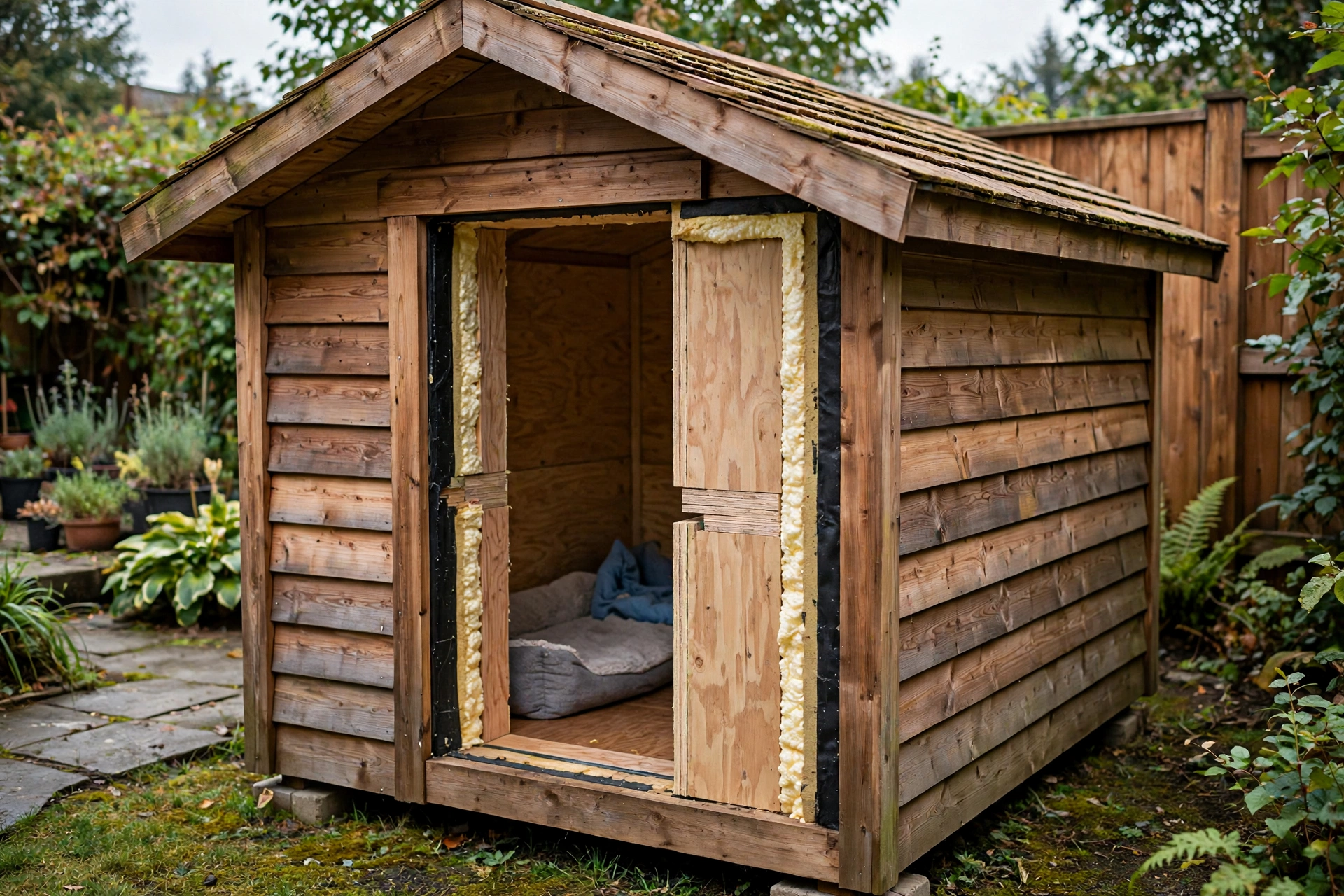
Double-wall construction is the foundation of any serious all-weather shelter. Two layers of plywood with foam or air trapped between them work like a thermos — holding warmth in during winter and blocking heat in summer. It’s the single best upgrade for a house that has to perform in January and July alike, and the extra wall thickness also deadens sound during thunderstorms. For insulation types and thickness, see our insulated dog house ideas.
Want a Better-Trained, Happier Dog?
Get practical guidance for obedience, behavior, and everyday dog training with a collection of helpful training guides designed for dog owners.
This post may contain affiliate links. If you purchase through our link, we may earn a commission at no additional cost to you.
2. Elevated Floor Platform
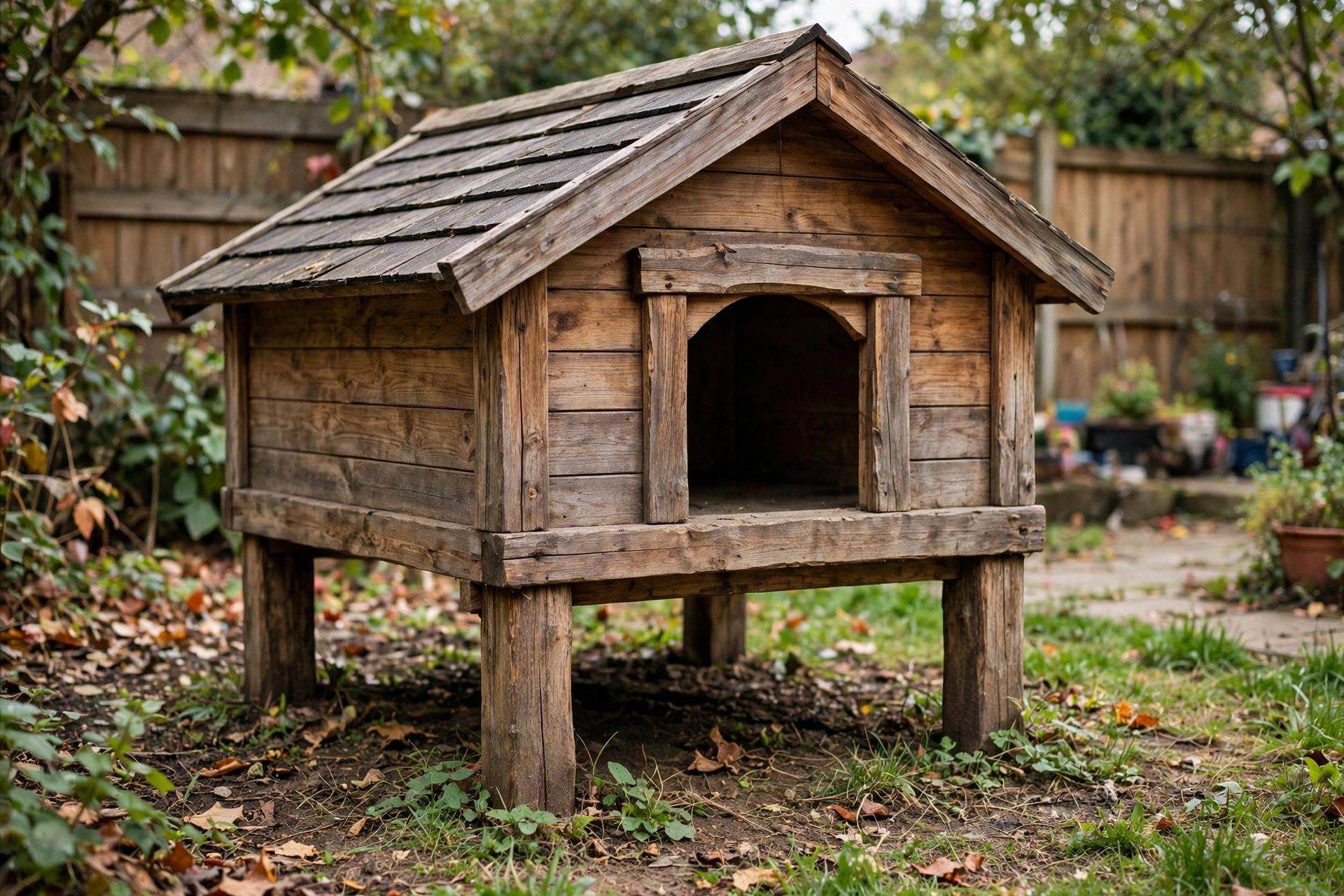
Ground moisture is a year-round enemy — frost in winter, mud in spring, damp rot in fall. Raising the floor a few inches on sturdy legs creates an air gap that keeps the sleeping area dry and temperate in every season. It also improves airflow underneath in summer, which helps the whole structure stay cooler. Set the legs on pavers or concrete blocks so they never sink.
3. Pitched Metal Roof
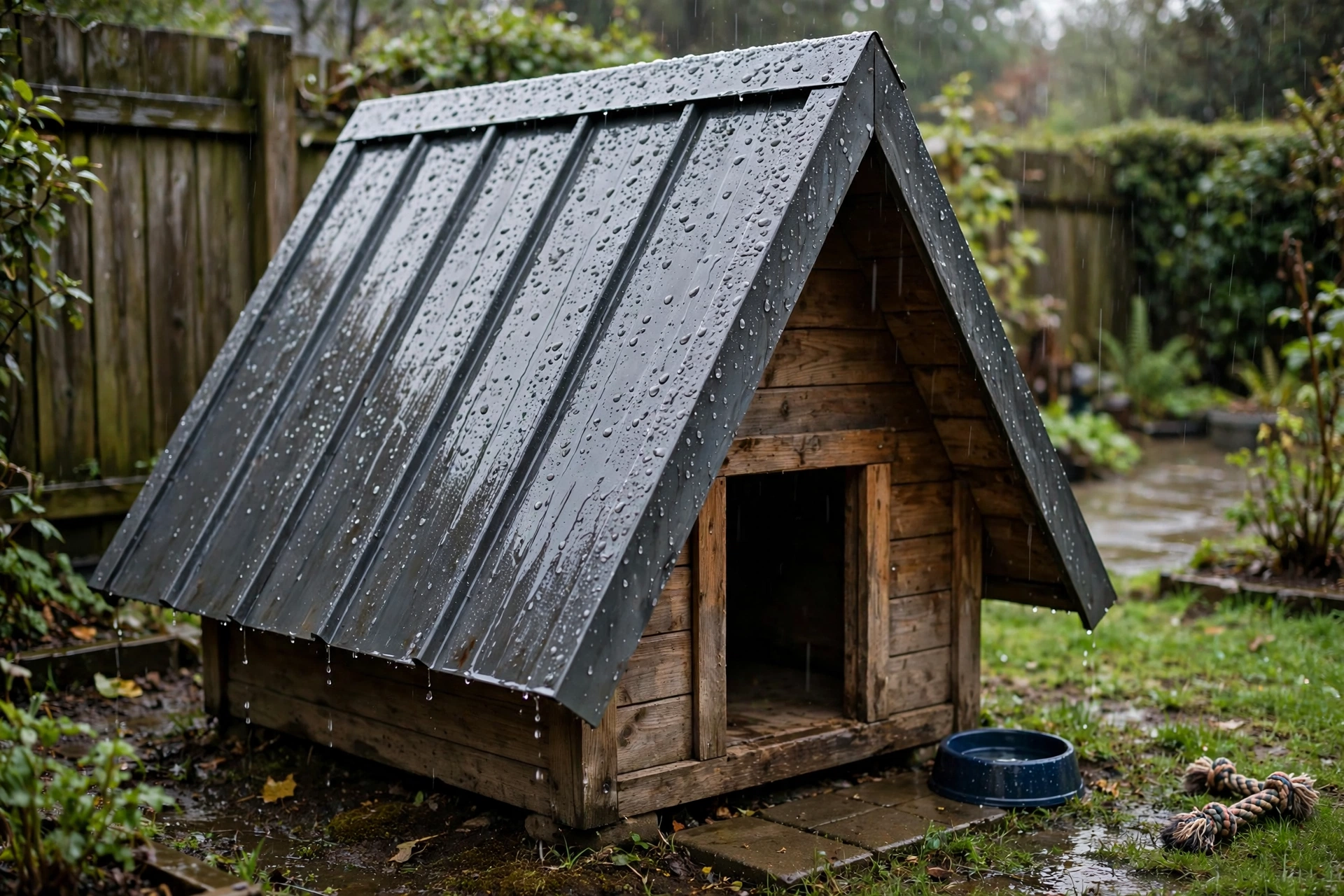
A steep-pitched metal roof is the all-weather workhorse: it sheds rain instantly, slides snow off before it piles up, and reflects summer sun better than dark shingles. Extend the pitch over the doorway to keep driving rain out of the entrance, and choose a light color to bounce back even more summer heat. Metal roofing lasts decades with almost no maintenance, making it worth the upfront cost.
4. Fully Sealed and Waterproofed Exterior
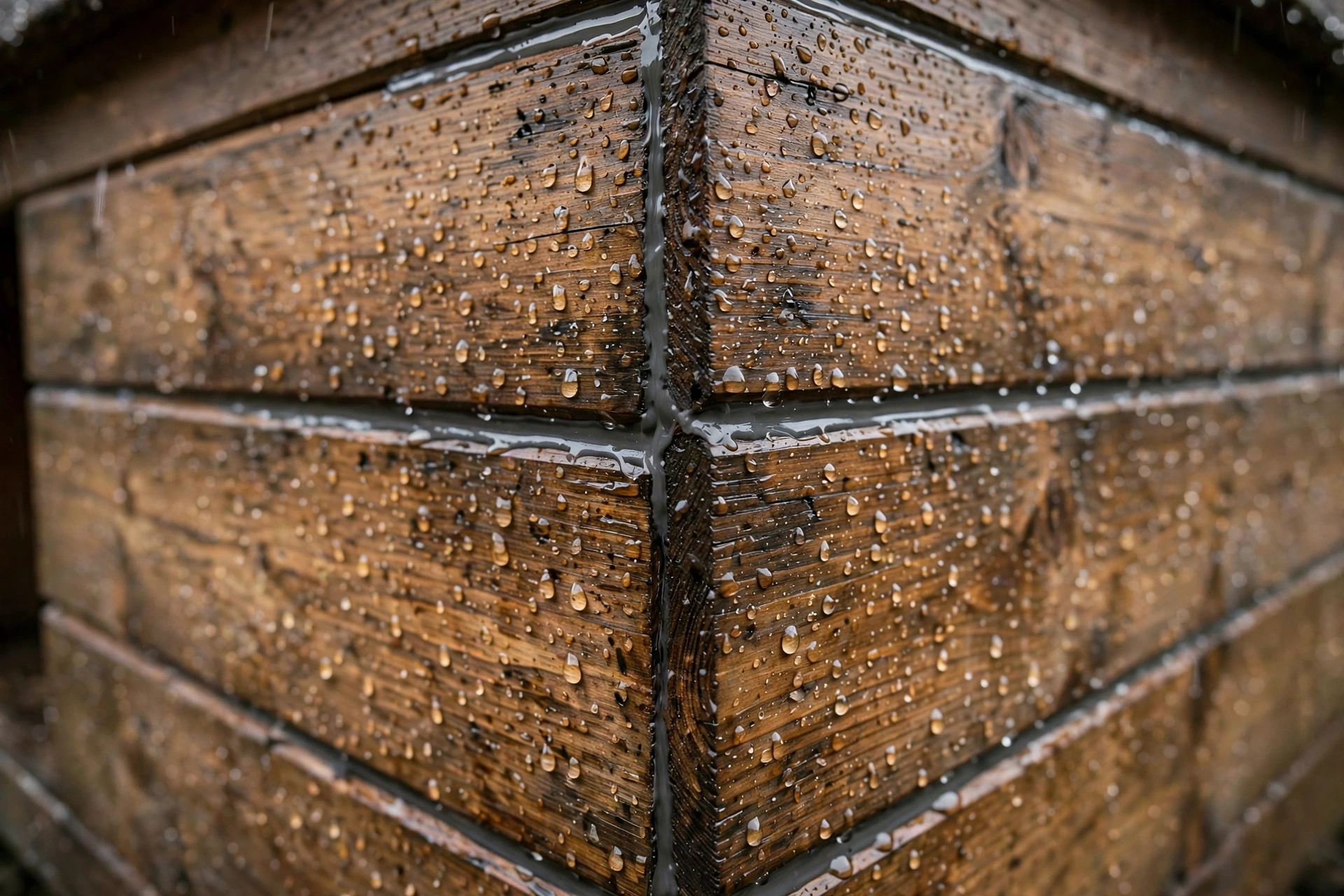
Caulk every seam, seal every joint, and coat the whole exterior with a quality exterior sealant — water finds any gap you leave it. This is the cheapest all-weather insurance there is, and it protects the wood itself from rot. Reapply sealant once a year, ideally in fall before the wet season arrives. Our waterproof dog house ideas have more sealing tips.
5. Adjustable Ventilation Vents
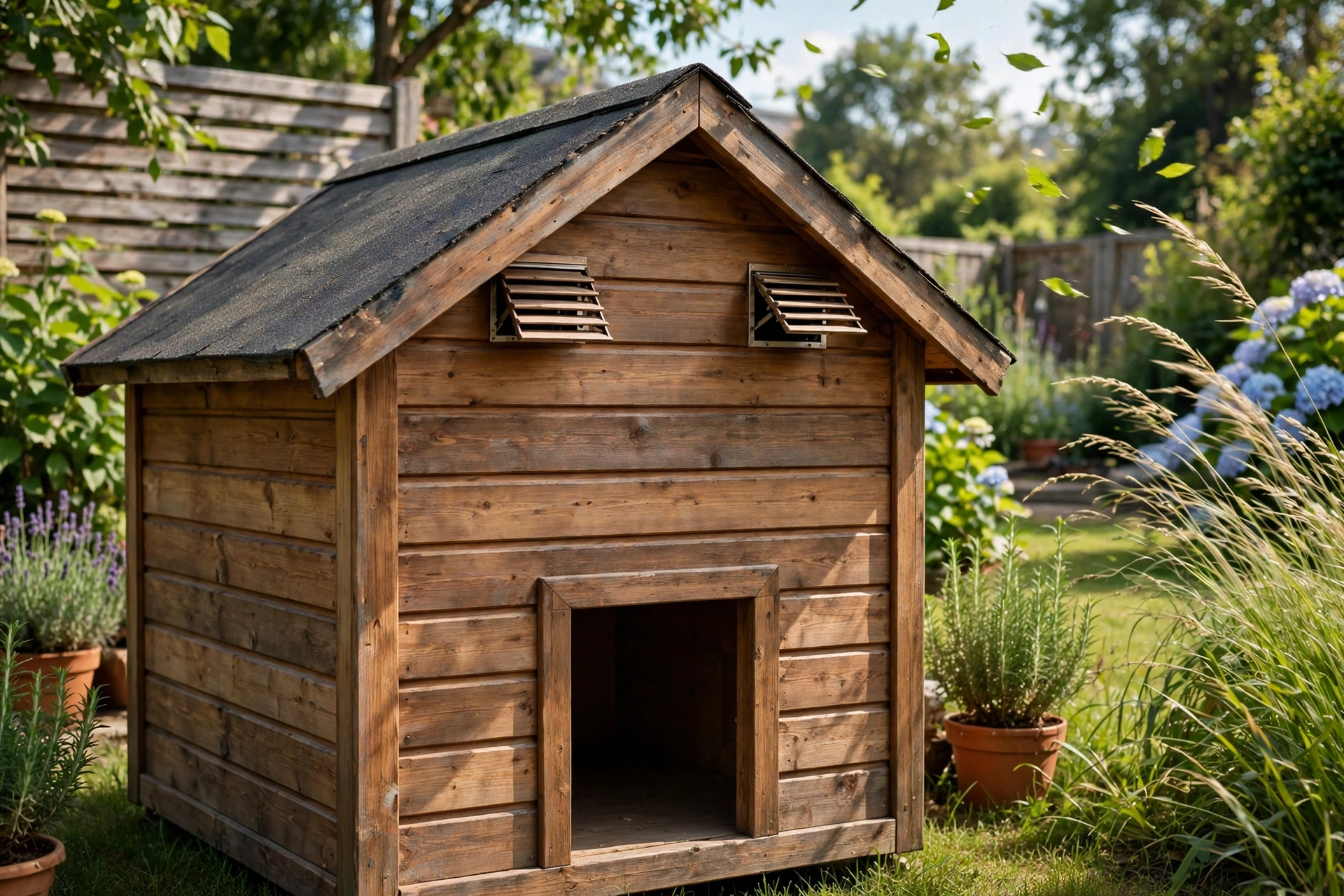
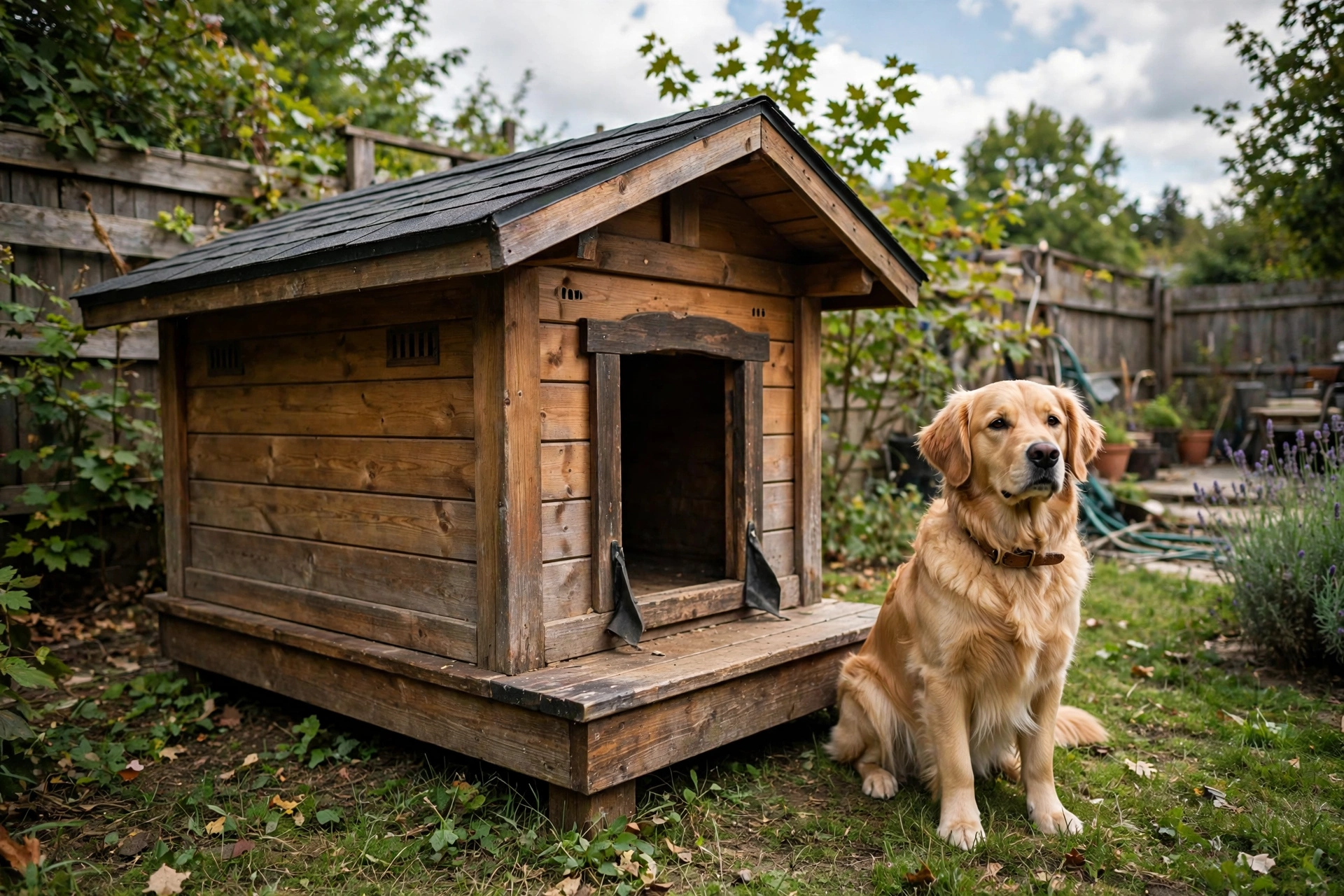
Summer demands airflow; winter demands still air. Adjustable vents — small louvered or sliding panels near the roofline — let you open the house up on hot days and close it down when cold winds blow. Place vents high so they exhaust rising warm air without creating a draft across the sleeping area, and add fine mesh screens to keep insects out in summer. It’s a small feature with a huge year-round payoff.
6. All-Season Door Flap
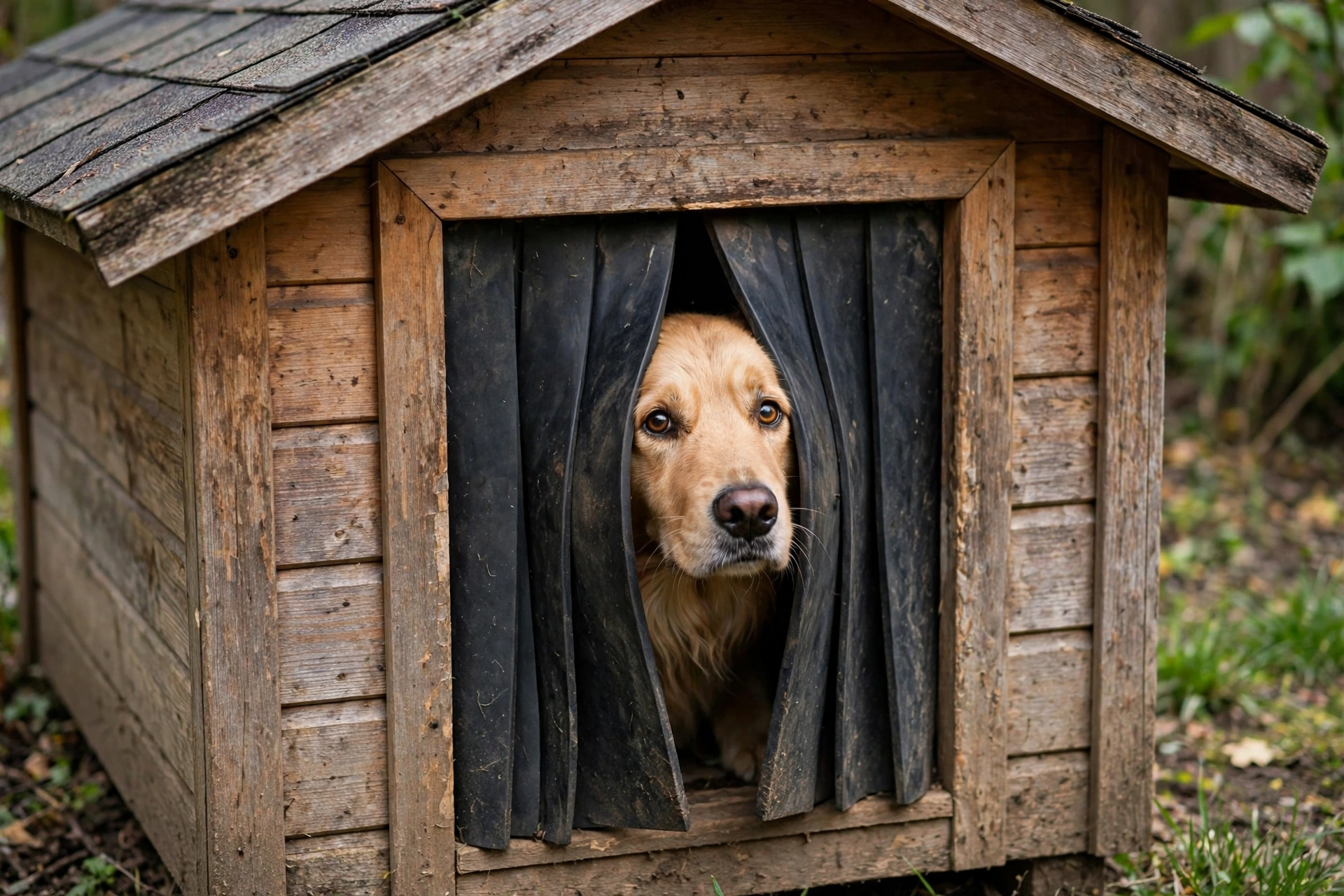
A heavy rubber or vinyl door flap is one of the hardest-working parts of an all-weather house. It blocks wind-driven rain, keeps winter heat in, and still swings freely on a hot day when your dog wants a breeze. Choose a flap rated for both freezing and high temperatures so it never stiffens or warps. More styles are in our guide to winter dog house ideas.
7. Seasonal-Swap Insulated Panels
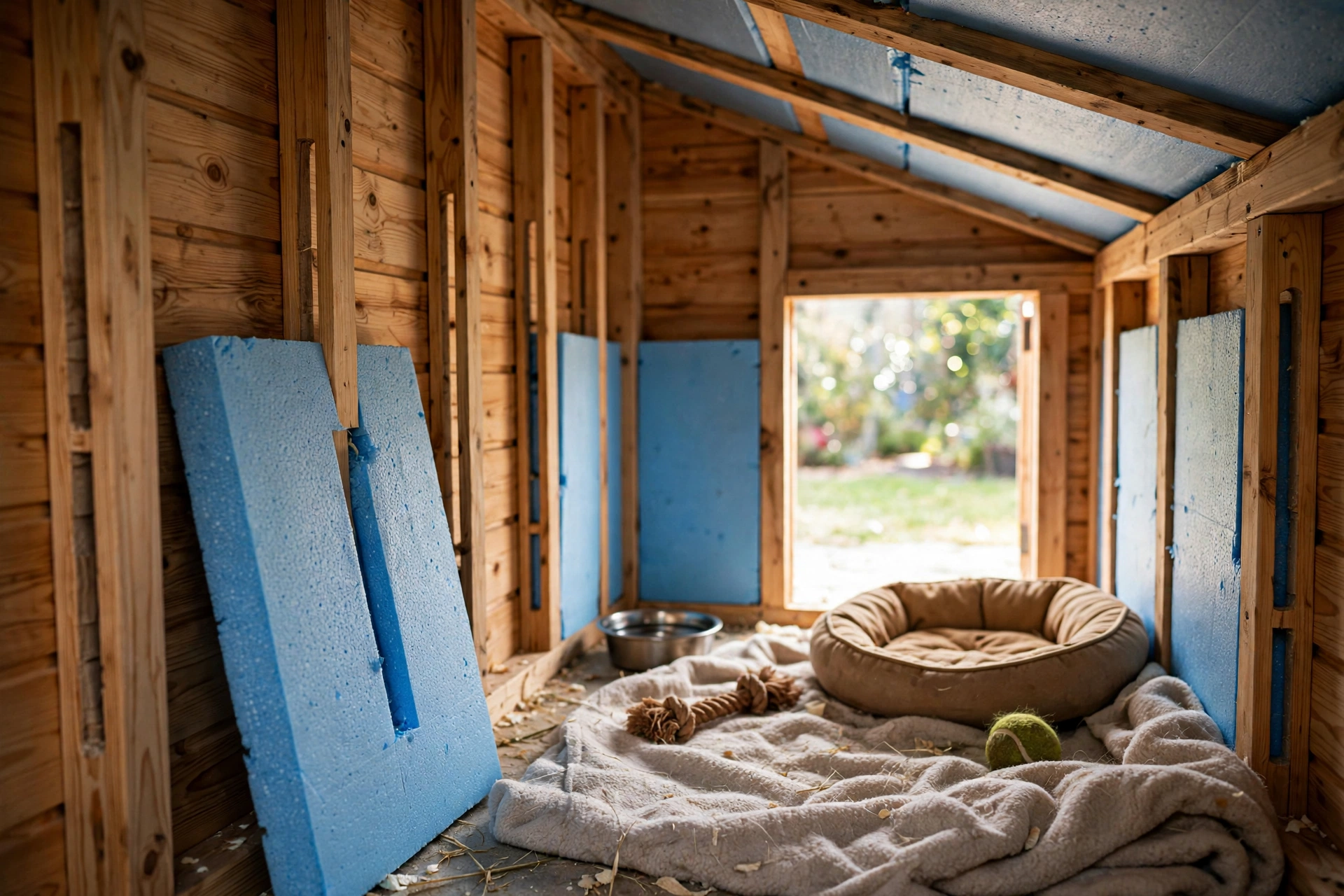
Build the walls to accept removable insulation panels — rigid foam boards that slide into interior slots. In winter, the panels go in for maximum warmth; in summer, they come out to let the walls breathe. This modular approach gives you two houses in one without rebuilding anything, and the panels double as wind baffles when partially inserted in shoulder seasons. Label each panel so spring and fall changeovers take five minutes.
8. Deep-Overhang Porch Roof
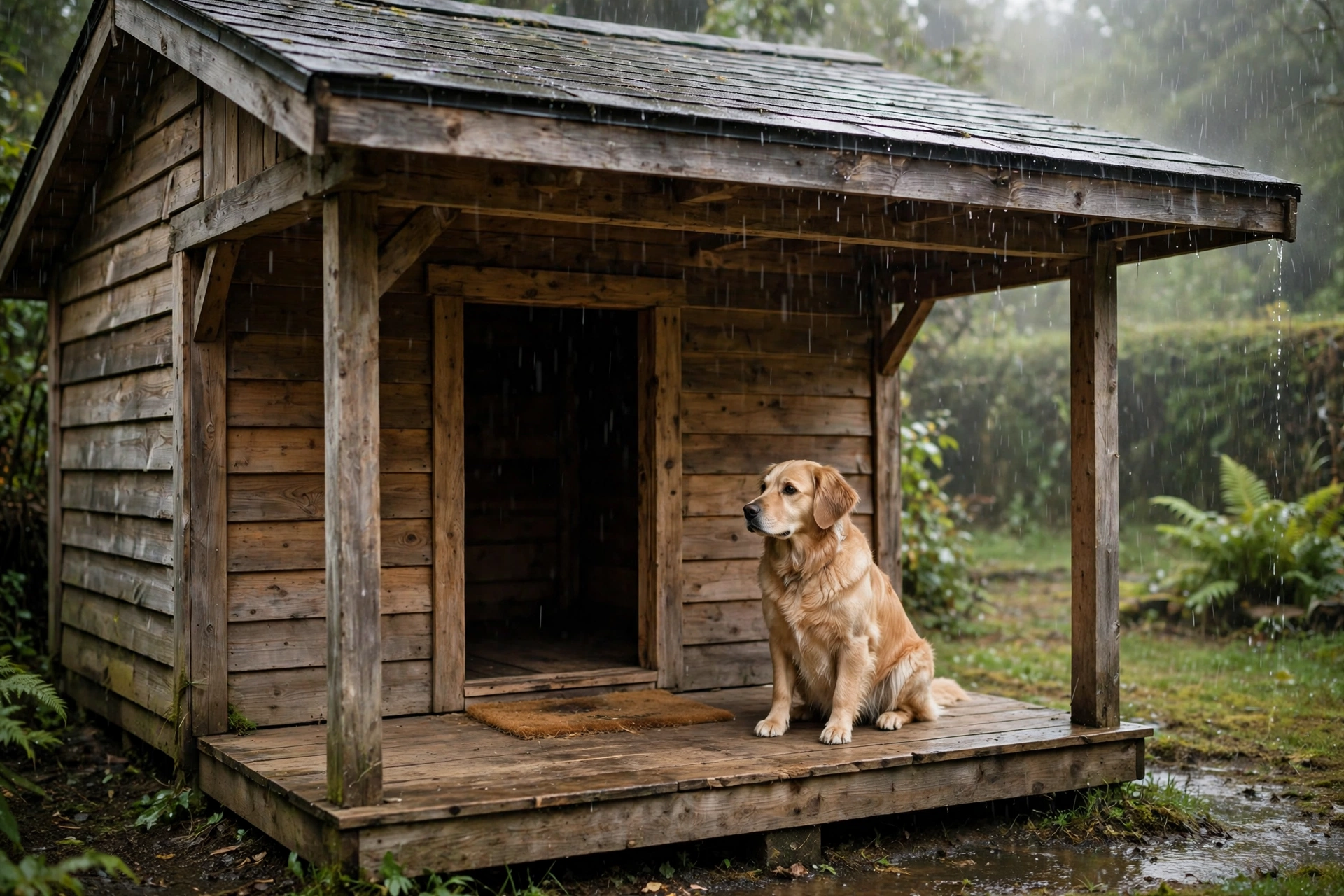
A generous roof overhang over the doorway acts like a built-in umbrella, sheltering the entrance from rain and snow while shading it from low summer sun. Extend it a foot or two beyond the walls and you’ve created a dry porch zone where your dog can watch the rain without getting wet. It’s simple carpentry with outsized comfort benefits.
9. Rot-Resistant Composite Build
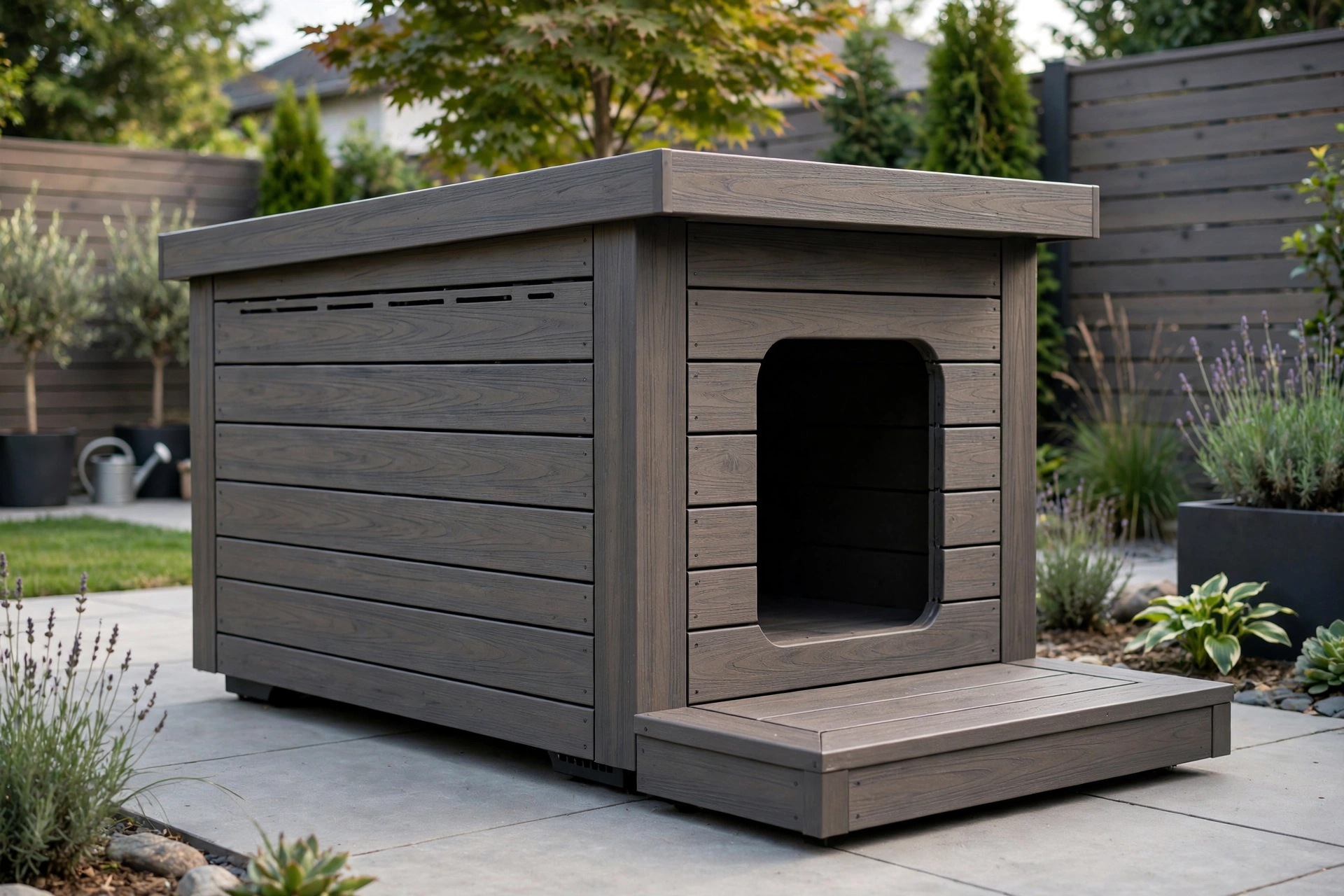
Wood rots when it’s wet half the year — composite decking boards and PVC trim don’t. Building the lower walls and floor frame from rot-proof composite materials means the parts closest to ground moisture never decay, and composite never needs repainting or resealing. Pair composite with a sealed wooden upper structure for a house that shrugs off years of weather. For placement tips, browse our outdoor dog house ideas.
10. Smart Sun-and-Shade Orientation
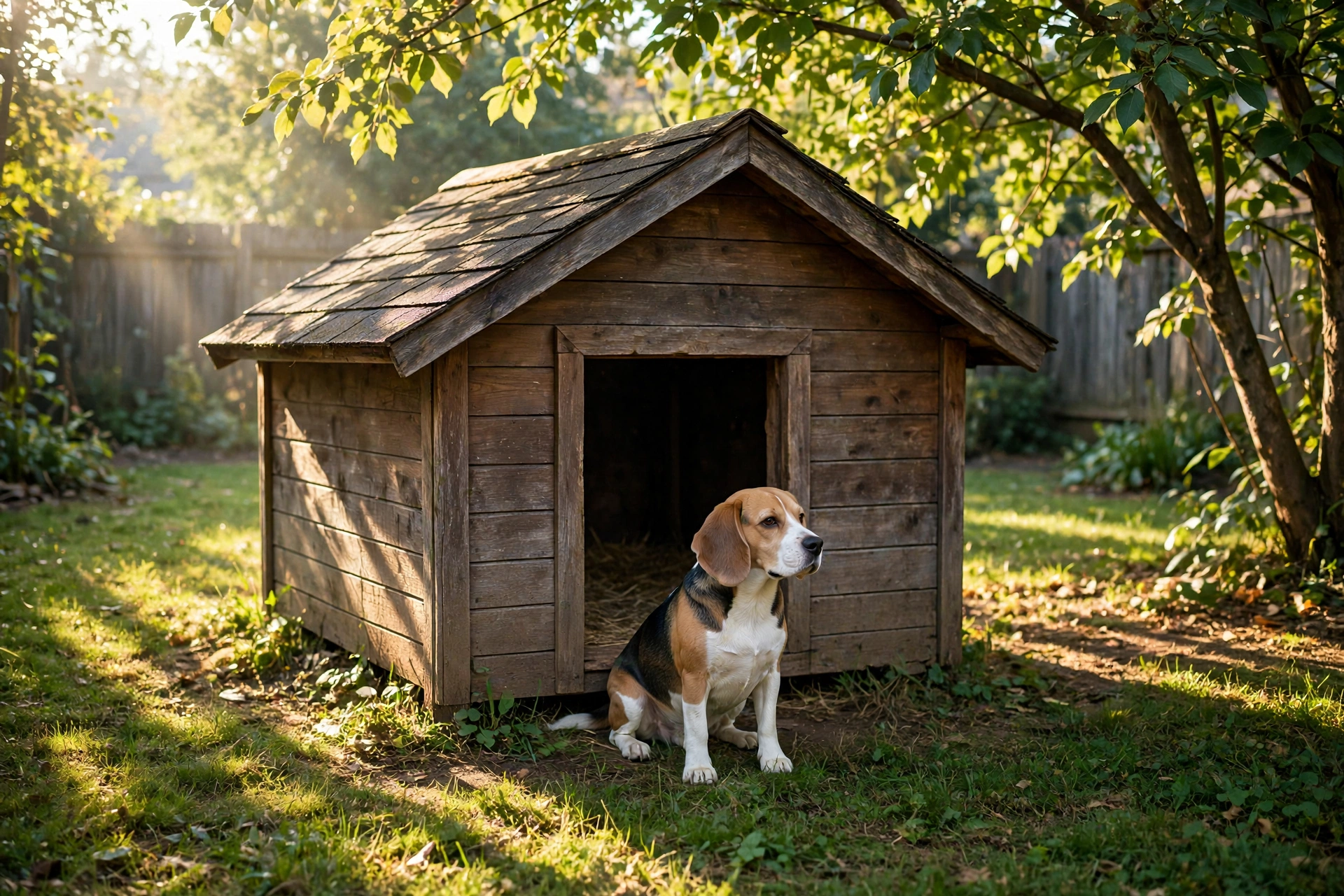
Face the doorway away from prevailing winds and toward the morning sun — winter sun warms the entrance while the house blocks the coldest gusts. In summer, position the house where afternoon shade from a tree or fence keeps it cool. Getting orientation right costs nothing and works in every season. It’s the easiest all-weather trick in the book.
11. Swap-Ready Bedding Zone
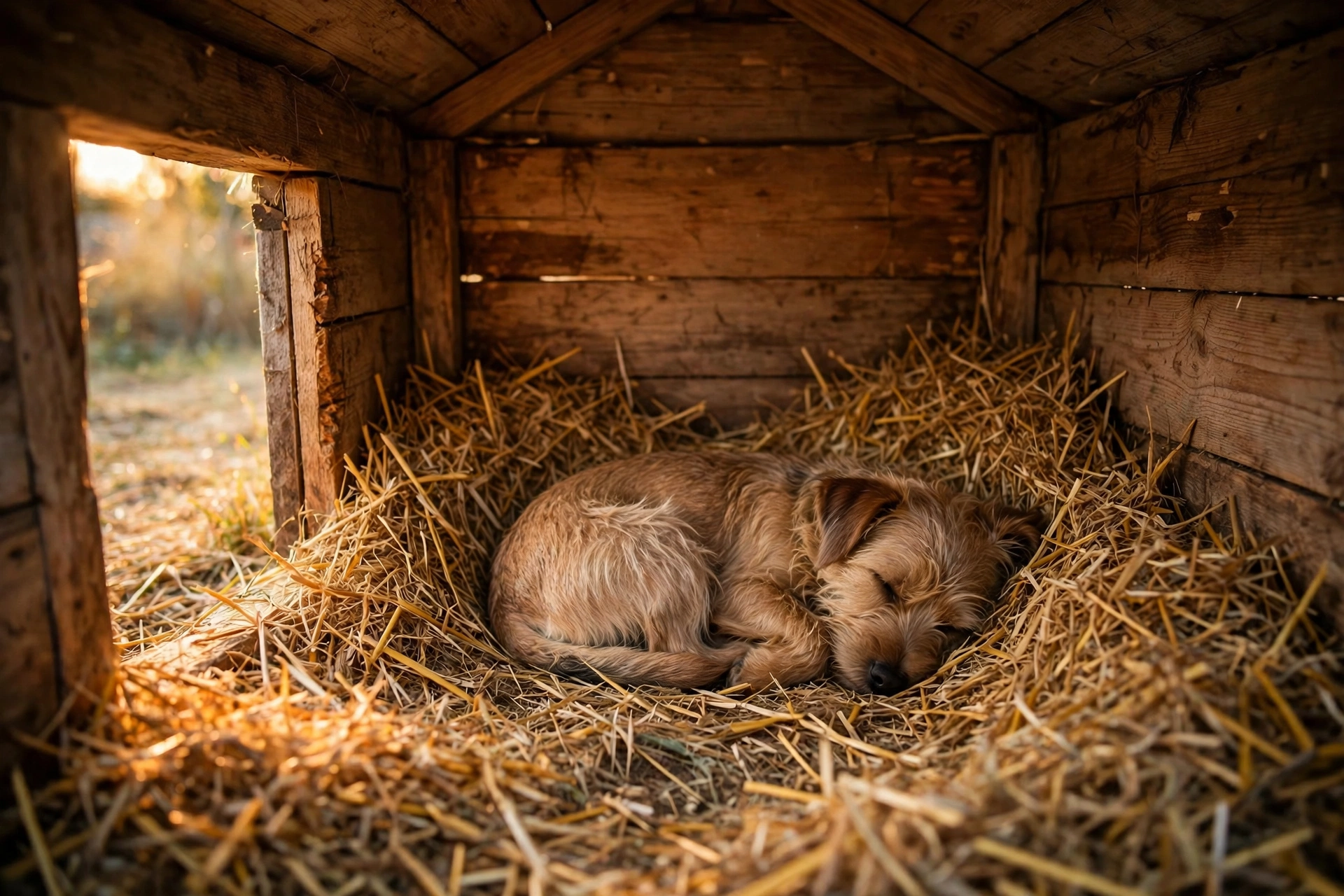
Design the sleeping area for seasonal bedding swaps: deep straw in winter for insulation, a raised cooling mat in summer for heat relief. A slightly recessed floor tray keeps bedding contained and makes the twice-yearly changeover quick, and it stops straw from spilling out the door. Dogs genuinely appreciate the switch — watch how fast yours claims the fresh straw each fall. See our summer dog house ideas for cooling-bedding picks.
12. Storm-Anchored Frame
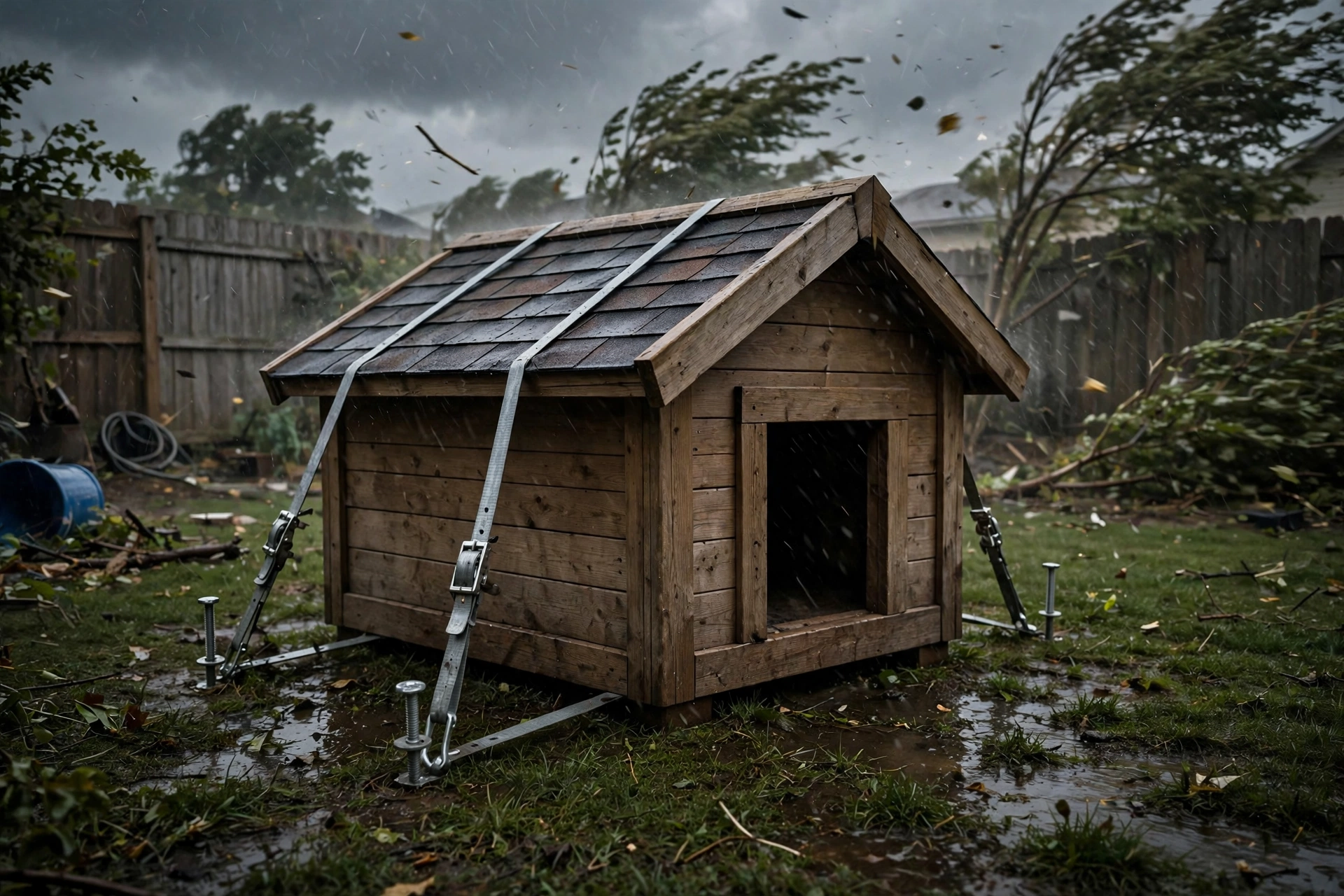
High winds can flip a lightweight house, turning shelter into hazard. Anchor the frame to the ground with auger-style tie-downs or bolt it to a heavy platform base. Anchoring also stops the house from creeping across the yard in storms. It’s a ten-minute job that protects your dog and your investment through every season’s worst weather.
Final Thoughts
An all-weather dog house isn’t about one magic feature — it’s about layering smart choices: insulation, elevation, waterproofing, ventilation, and solid anchoring. Build or buy with all four seasons in mind, do a quick inspection each spring and fall, and your dog will have a comfortable retreat whatever the forecast says.