
Dog House Size Ideas
Getting the size right is the single most important decision you will make about a dog house. Too big and it feels drafty and cold; too small and your dog cannot stretch out comfortably. The sweet spot is a house your dog can walk into, turn around in, and curl up to sleep — nothing more, nothing less. If you want the full measuring walkthrough, our dog house size guide breaks down the tape-measure steps. Here are twelve size-focused dog house ideas to help you nail the perfect fit.
1. The Stand-and-Turn Rule House

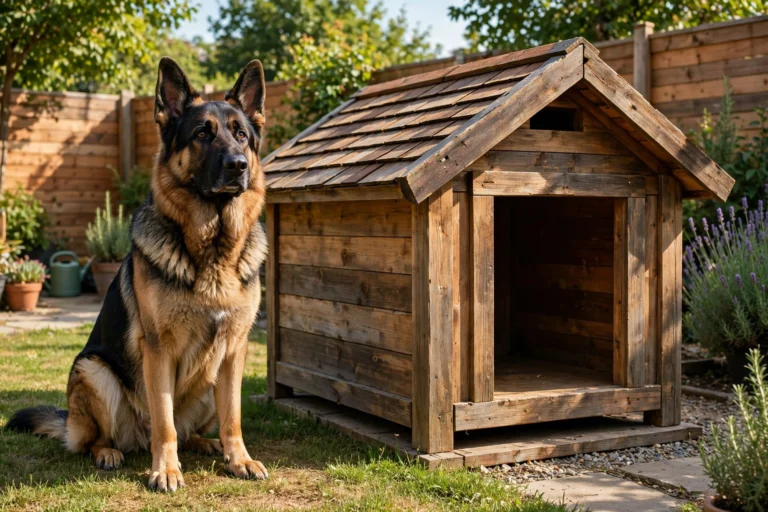
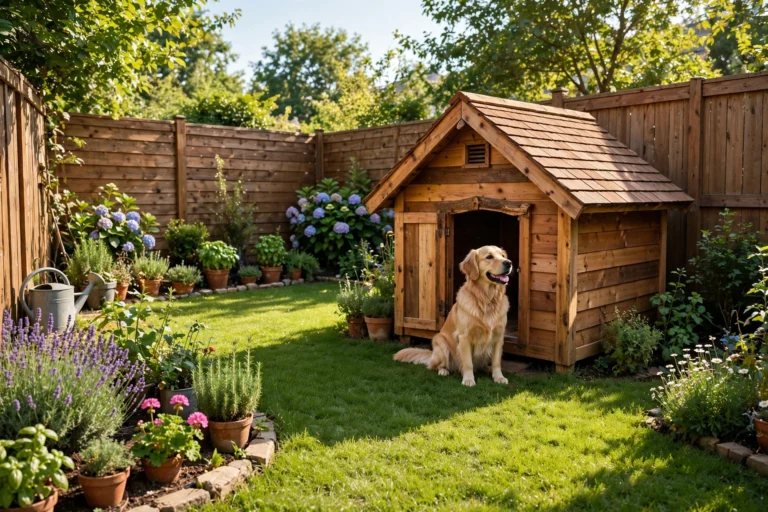
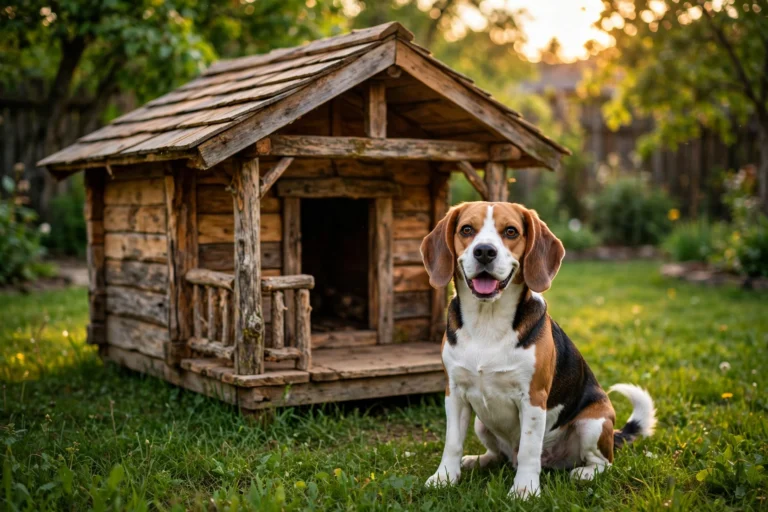
The golden rule of dog house sizing: your dog should be able to stand up, turn around, and lie down comfortably — and that is it. A house built exactly to this rule stays warmer in winter because there is less empty air for body heat to escape. Measure your dog’s height and length, add a few inches, and build or buy to those numbers. This principle underlies almost every well-designed house, from the tiniest small dog house ideas to the roomiest giant-breed builds.
Want a Better-Trained, Happier Dog?
Get practical guidance for obedience, behavior, and everyday dog training with a collection of helpful training guides designed for dog owners.
This post may contain affiliate links. If you purchase through our link, we may earn a commission at no additional cost to you.
2. Measure-Your-Dog-First Custom Build
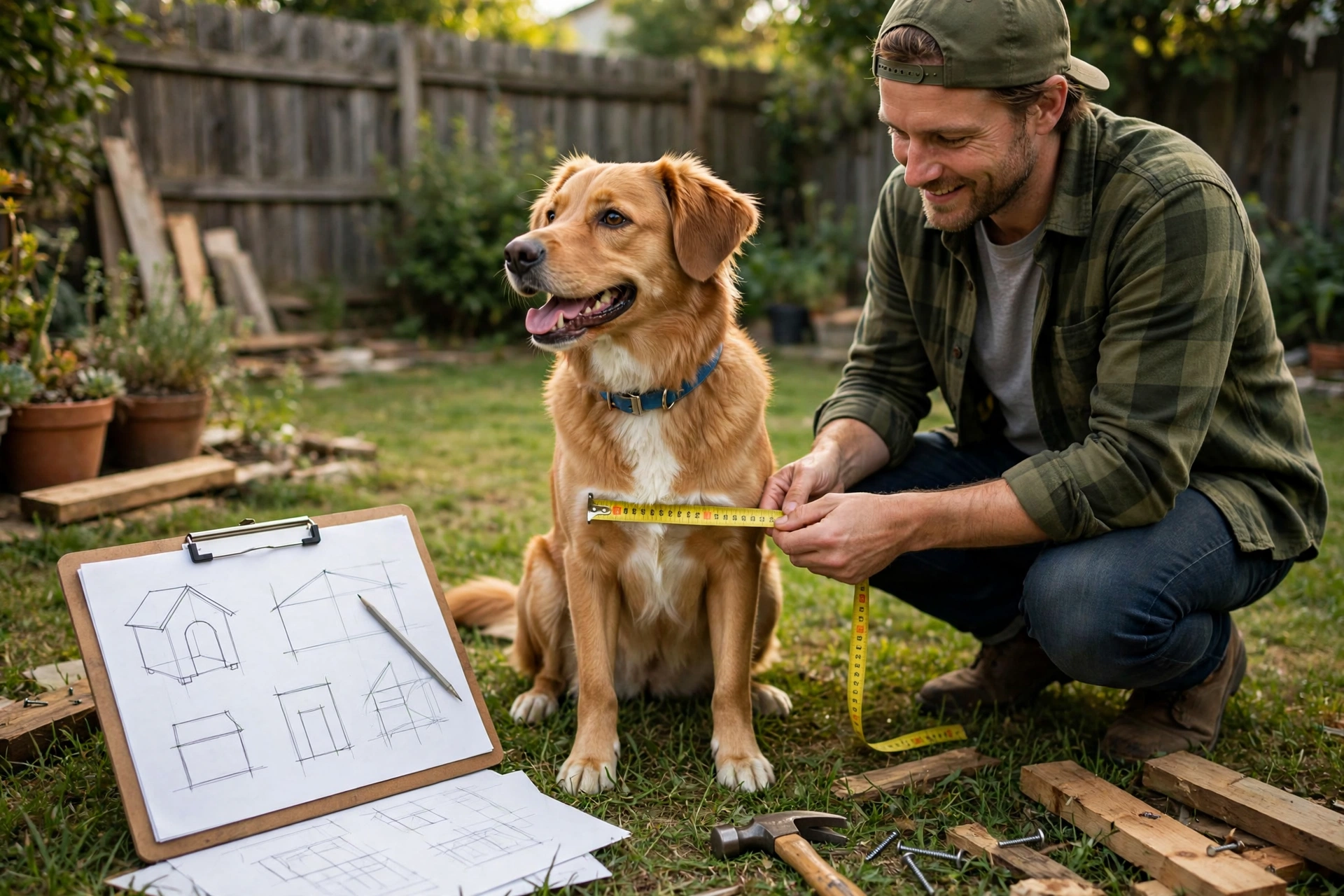
Start with the tape measure, not the lumber. Record your dog’s height at the shoulder, length from nose to tail base, and width across the chest, then size the house to those exact dimensions. This made-to-measure approach avoids the common mistake of buying a “large” house that is actually sized for a much bigger — or smaller — dog. It works especially well for mixed breeds whose proportions do not match standard size charts.
3. Adjustable-Panel Expandable House

Puppies grow fast, and an expandable house grows with them. Built with sliding or removable wall panels, this design starts snug for a young pup and expands in stages as your dog reaches full size. You only build once, and the fit stays perfect at every age. It is a brilliant money-saver for anyone raising a large-breed puppy. Pair it with our dog house ideas for two dogs if you plan to add a second pup later and want room to grow.
4. Puppy-to-Adult Convertible Design

Similar in spirit to the expandable house but simpler: a convertible design with a removable interior divider. The divider creates a cozy small chamber for a puppy, then comes out to open the full interior when the dog matures. No rebuilding, no buying twice. The divider can even become a windbreak panel at the doorway in its second life.
5. Extra-Tall Doorway for Long-Legged Breeds

Greyhounds, Great Danes, and other leggy breeds need headroom more than floor space. This idea prioritizes a tall doorway and high interior clearance while keeping the overall footprint modest. Your dog ducks in without crouching, which matters more than you would think for daily comfort. For the full giant-breed picture, see our large dog house ideas. A taller roofline also sheds rain and snow better.
6. Wide-Door House for Broad-Chested Breeds
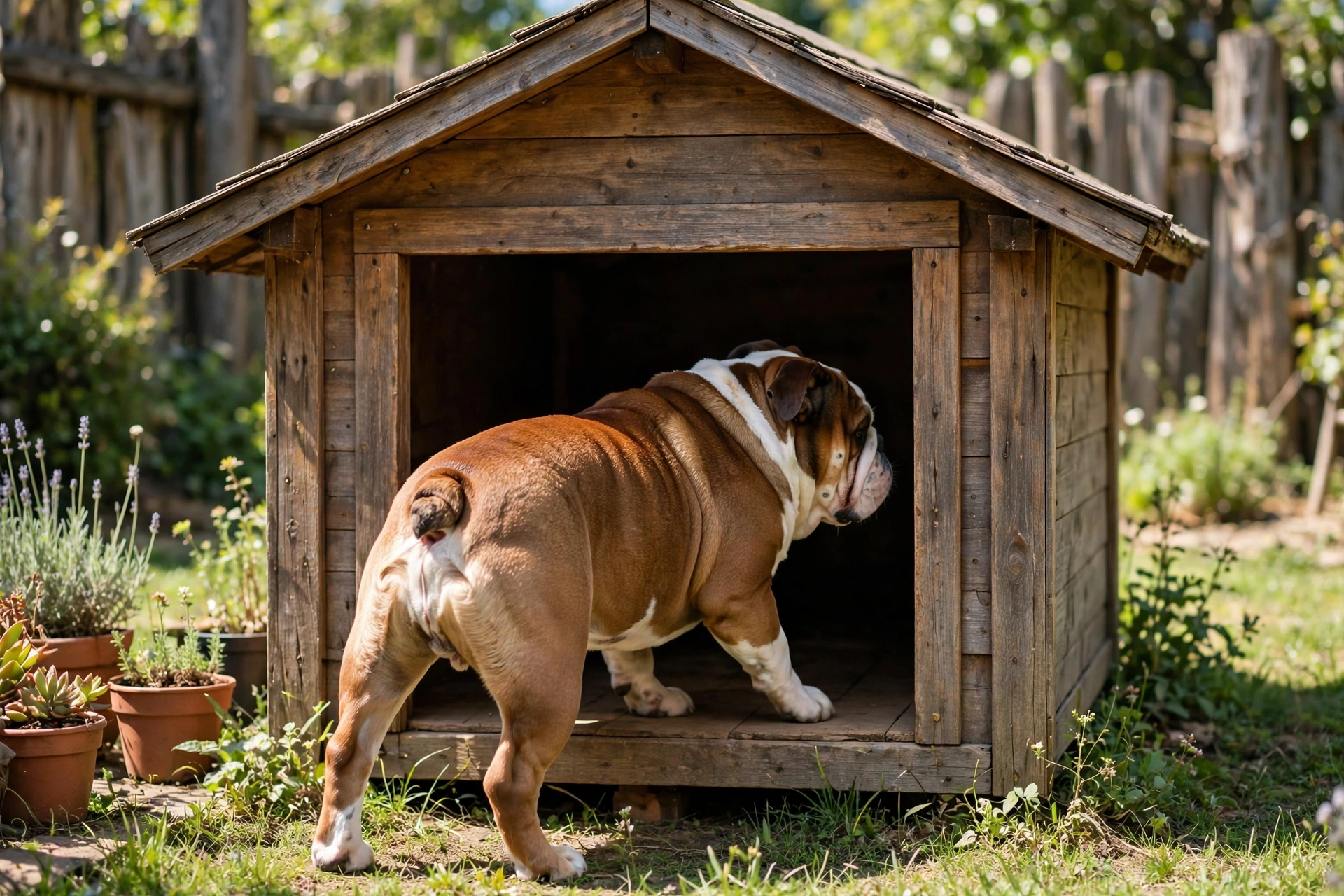
Bulldogs, Rottweilers, and other barrel-chested dogs struggle with narrow doorways even when the interior is roomy enough. A wide-door design opens up the entry — sometimes a full third of the front wall — so broad dogs slip in easily. The trick is adding a door flap or offset entry to keep drafts out of the bigger opening. Comfort at the threshold makes the whole house more inviting.
7. Double-Wide Duplex for Two Dogs

Two dogs, one structure: a duplex with a shared wall and separate entrances gives each dog their own correctly sized chamber. Size each side to its occupant — no forcing a Chihuahua to share a Great Dane’s mansion. The shared wall saves materials and the side-by-side layout looks tidy in the yard. It is the most space-efficient answer to multi-dog housing, and our dog house ideas for multiple dogs has even more pack-friendly layouts.
8. Multi-Size Family Compound

When your household mixes a teacup pup and a full-size lab, one size fits none. A family compound groups two or three houses of different sizes into one attractive cluster — a small cottage beside a medium A-frame beside a large barn-style house. Each dog gets a perfect fit, and the grouped arrangement looks intentional rather than random. Connect them with a shared deck for the ultimate doggy neighborhood.
9. Snug-Fit Winter House

In cold climates, smaller is smarter. A snug-fit winter house hugs your dog’s body closely so their own warmth heats the interior like a sleeping bag. Many owners keep a slightly smaller house just for winter and switch to a roomier one in summer. Add straw bedding and a door flap and this compact design can stay surprisingly toasty. It is the size equivalent of putting on a well-fitted coat instead of an oversized one.
10. Spacious Summer House

Summer flips the sizing logic: extra interior space means better airflow and a cooler dog. A spacious summer house with high ceilings, big vents, and room to sprawl lets heat rise away from your pup. Some designs even include an extended shaded porch so the dog can choose sun or shade. If you live somewhere hot, size up one notch from the standard rule and let the breeze do the work.
11. Breed-Proportioned Custom House
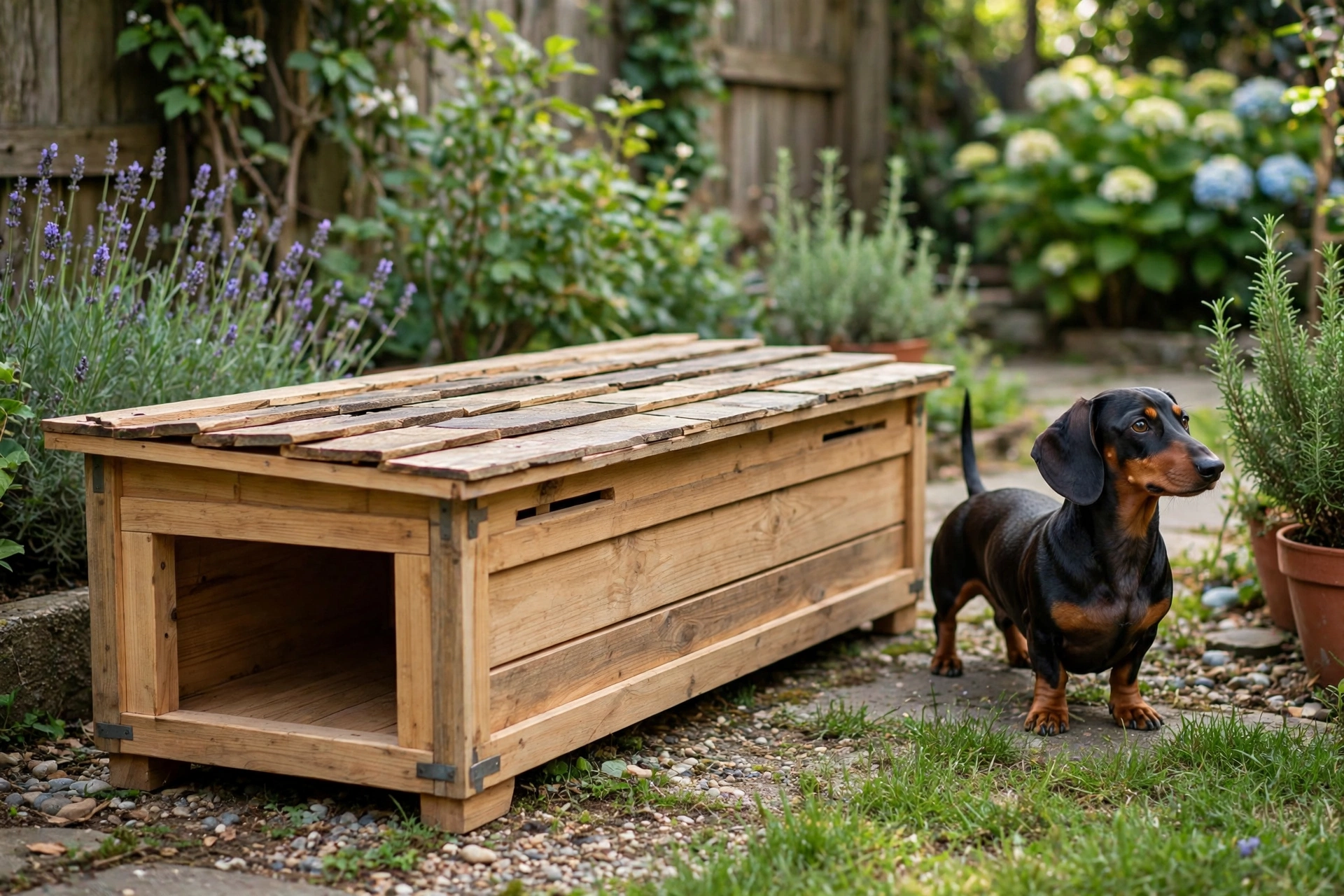
Dachshunds are long and low; Boxers are tall and deep-chested — standard boxes fit neither perfectly. A breed-proportioned house is designed around your breed’s actual silhouette: longer and lower for the Dachshund, taller with a big door for the Boxer. Builders who specialize in custom houses will ask for your dog’s breed and measurements before cutting a single board. The result fits like tailored clothing instead of off-the-rack.
12. Cardboard Mockup Trial Method

Not sure what size to commit to? Build a full-size cardboard mockup first. Cut and tape boxes to your planned dimensions, let your dog walk in, turn, and lie down, then adjust until the fit is right. It costs nothing, takes an afternoon, and removes all the guesswork before you buy lumber or click “add to cart.” Think of it as a fitting room for dog houses — measure twice, build once.
Final Thoughts
The perfect dog house size is not a label on a box — it is a match to your individual dog’s body. Measure carefully, remember that snug beats spacious in winter and airy wins in summer, and do not be afraid to customize. Get the size right and everything else about the house just works.