Cleaning with Lemon and Hydrogen Peroxide
Two simple cleaners, used the right way — lemon for grease, light limescale and freshness, 3% hydrogen peroxide for stains, grout and brightening.
Key rules:
- Use separately — Never mix them in a bottle;
- Peroxide: 3% only, standard household strength;
- Rinse between — One cleaner, rinse, then the other;
- Test first — Hidden spot, every new surface.
Two cleaners, two different jobs
Lemon — the acid cleaner
- Citric acid cuts grease and soap film;
- Loosens light limescale on taps and kettles;
- Deodorises boards, bins and fridges;
- Leaves a fresh scent and a light shine on stainless steel;
- Use fresh juice or a halved lemon.
Hydrogen peroxide 3% — the brightener
- Bubbles as it lifts dirt and stains;
- Brightens grout, white laundry and light surfaces;
- Useful on non-porous bathroom and kitchen surfaces;
- Sold in a brown bottle — light breaks it down, so keep it in that bottle;
- Use undiluted for cleaning jobs in this guide.
Want a Better-Trained, Happier Dog?
Get practical guidance for obedience, behavior, and everyday dog training with a collection of helpful training guides designed for dog owners.
This post may contain affiliate links. If you purchase through our link, we may earn a commission at no additional cost to you.
You will need
- 2-3 fresh lemons, plus coarse salt (optional, for boards);
- 1 bottle of hydrogen peroxide, 3% strength;
- Opaque spray bottle, labelled, for peroxide only;
- Small bowl and a jug of clean water for rinsing;
- Soft cloths and microfibre cloths;
- Old toothbrush or grout brush;
- Non-scratch sponge;
- Rubber gloves, and a label and pen.
Safety first — read before you start
- NEVER mix hydrogen peroxide with vinegar — the mix makes peracetic acid, which harms eyes, skin and lungs;
- NEVER mix hydrogen peroxide with bleach or ammonia;
- Do not mix lemon and peroxide together in a bottle or a sealed container. Use them one at a time, with a water rinse in between;
- Keep peroxide away from eyes and skin, wear gloves, and ventilate the room. Never swallow either cleaner.
Lemon — step by step
1. Cutting boards and stained counters
Sprinkle coarse salt over a wooden or plastic board, if using; Rub hard with a halved lemon, squeezing as you go; Leave for 5 minutes, then rinse well and dry upright.
2. Microwave steam clean
Put 1 cup of water and the juice and halves of 1 lemon in a microwave-safe bowl; Heat for 3-5 minutes until steaming, then wait 2 minutes with the door closed; Remove the bowl carefully — it will be hot — and wipe the inside with a cloth; Rinse the cloth and wipe again, then dry.
3. Taps, sinks and light limescale
Rub a halved lemon over taps, stainless steel sinks and shower fittings; Leave for 5-10 minutes on light limescale, then scrub gently; Rinse thoroughly with clean water and buff dry to prevent spots; Never use lemon on marble, granite or natural stone.
4. Fridge and bin freshness
Wipe fridge shelves with lemon juice on a cloth, then wipe with a damp water cloth; Leave a halved lemon in an open dish in the fridge for 1-2 days only, then discard it; Wipe bin lids with a lemon half, rinse, and dry before replacing the bag.
Hydrogen peroxide 3% — step by step
1. Grout brightening
Pour 3% peroxide into a labelled opaque spray bottle — peroxide only, nothing added; Spray the grout until damp, and leave for 10-15 minutes; Scrub with an old toothbrush, then rinse well with clean water and dry; Test coloured grout in a hidden spot first — peroxide can lighten colour.
2. Bathroom and kitchen surfaces
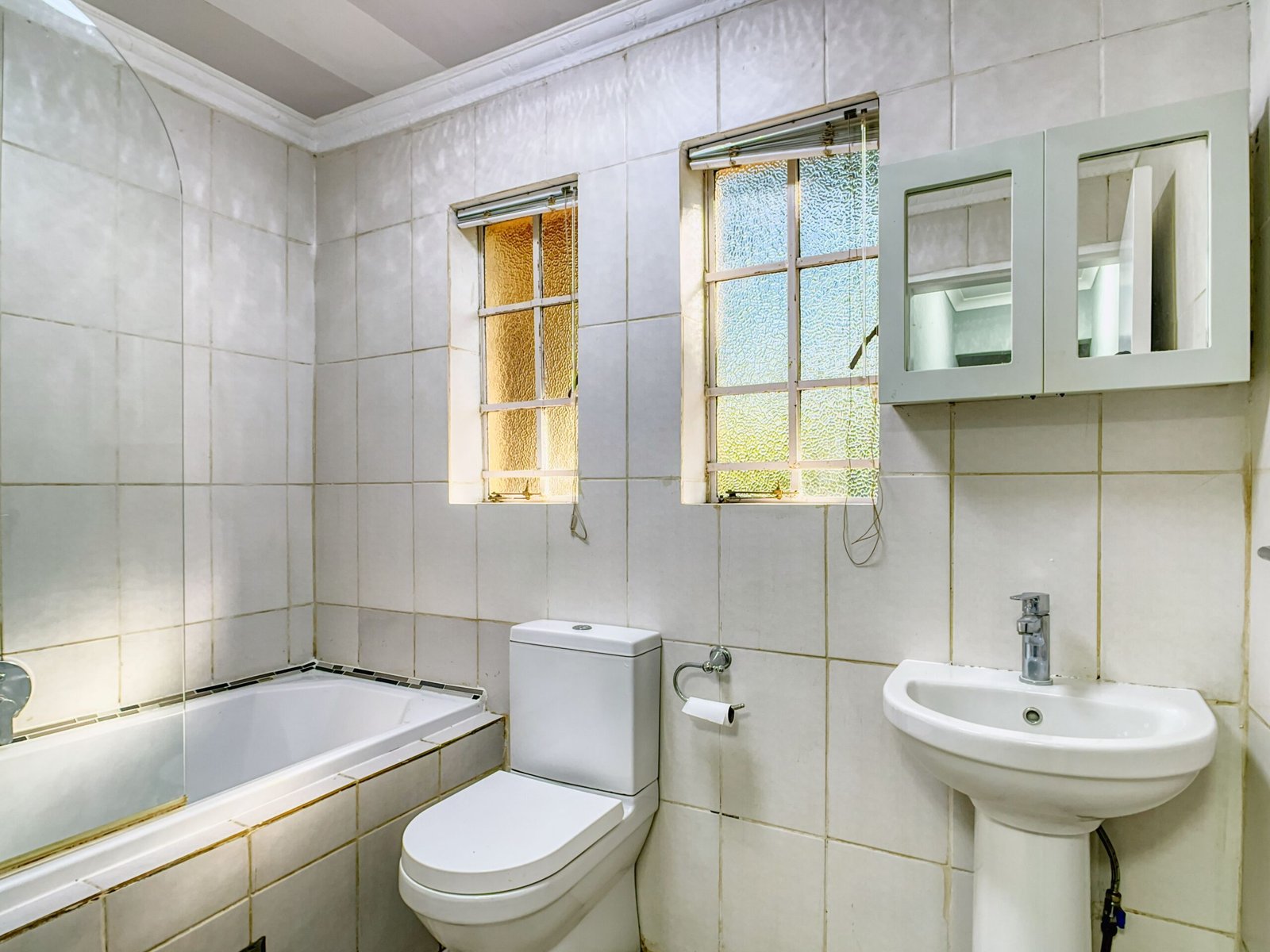
Spray undiluted 3% peroxide on non-porous surfaces — sinks, tubs, tiles, toilet seats; Leave for 10 minutes, then wipe with a clean cloth; Rinse food-contact surfaces, such as counters and boards, well with clean water; Dry with a clean cloth.
3. White laundry only
Add 1/2 cup of 3% peroxide to the bleach dispenser, or to the drum with white loads only; For a single stain on white cotton, dab peroxide on, leave for 10 minutes, then wash as usual; Never use on coloured clothes, silk, wool or dry-clean-only items — peroxide bleaches.
4. Bins, sponges and toothbrush holders
Spray the empty bin or holder, leave for 10 minutes, rinse and dry fully; Soak a sponge in 3% peroxide for 10 minutes, then rinse it very well before use.
Using both on one job — the safe order
Use ONE cleaner, then RINSE well with clean water, then WIPE dry, then use the OTHER. Example — a stained, greasy sink: clean with lemon first, rinse every trace away with clean water and dry, then use peroxide for the stain if you still need it. Never spray one straight over the other, and never store a mixture of the two.
Quick reference — which one, when
- Greasy stovetop and counters — Lemon, rub or wipe on, leave 5 minutes, rinse and dry;
- Light limescale on taps — Lemon, rub with a half lemon, leave 5-10 minutes, rinse, buff dry;
- Cutting board odours — Lemon, salt plus halved lemon, 5 minutes, rinse well;
- Microwave splashes — Lemon, steam with lemon water 3-5 minutes, wipe clean;
- Dull or stained grout — Peroxide 3%, spray, leave 10-15 minutes, scrub, rinse;
- Sinks, tubs and toilet seats — Peroxide 3%, spray, leave 10 minutes, wipe and rinse;
- White laundry stains — Peroxide 3%, 1/2 cup in the dispenser, whites only;
- Bins and sponges — Either, separately, one cleaner, 10 minutes, rinse very well, dry.
Where NOT to use them
Never use lemon on: Marble, granite and other natural stone — acid etches it; Hardwood and waxed wood — acid dulls the finish; Brass, copper and gold-plated fittings — it can tarnish them; Coloured or delicate fabrics — it can lighten them; Cast iron — acid strips the seasoning.
Never use peroxide on: Coloured clothes, silk, wool and leather — it bleaches; Dark or coloured grout without a hidden-spot test; Wood finishes and painted surfaces — test first, it can lift colour; Aluminium, brass and copper left soaking — it can discolour metal; Skin, eyes, wounds or pets — this guide is for surfaces only.
Safety and storage checklist
- Use only 3% hydrogen peroxide for household cleaning — never stronger strengths;
- Keep peroxide in its original brown bottle, in a cool, dark cupboard;
- Label any spray bottle clearly: what it holds, and the date you filled it;
- Never add anything to the peroxide bottle — no vinegar, no bleach, no lemon, no soap;
- Never mix peroxide with vinegar, bleach or ammonia, in a bottle, bucket or drain;
- Wear gloves, ventilate the room, and keep both cleaners away from children and pets;
- Rinse food-contact surfaces with clean water after cleaning, every time;
- Test on a small hidden spot first, and stop if a surface changes colour or dulls;
- If peroxide gets in eyes, rinse with clean water for several minutes and seek advice if stinging continues;
- Use fresh lemon juice within the day, and discard leftover cut lemons after the clean.
Weekly freshen-up

- Monday — Lemon steam clean for the microwave;
- Wednesday — Lemon rub for taps and the kitchen sink, rinsed and dried;
- Friday — Peroxide spray for bathroom grout and the toilet seat, rinsed;
- Sunday — Peroxide in one white laundry load, whites only.
Tip: Lemon and peroxide are helpers, not disinfectant guarantees for every situation. For illness, raw meat contamination or large areas of mould, use a product labelled for that job and follow its instructions.
Download Your Free Printable Checklist
Get the free printable checklist for this guide, so you can keep the safe steps, timings and warnings handy in your kitchen.
PDF • Print-friendly
Looking for more free printables? See all free printables on our Cleaning Resources page.