How to Unclog a Drain Naturally
Work from the gentlest fix to the strongest — plunger first, then a drain stick, then a natural soak — and know exactly when to call a plumber.
Quick facts: Start with the plunger; Baking soda + vinegar 1/2 cup + 1 cup; Overnight soak salt + baking soda; Enzyme cleaner 6-8 hours.
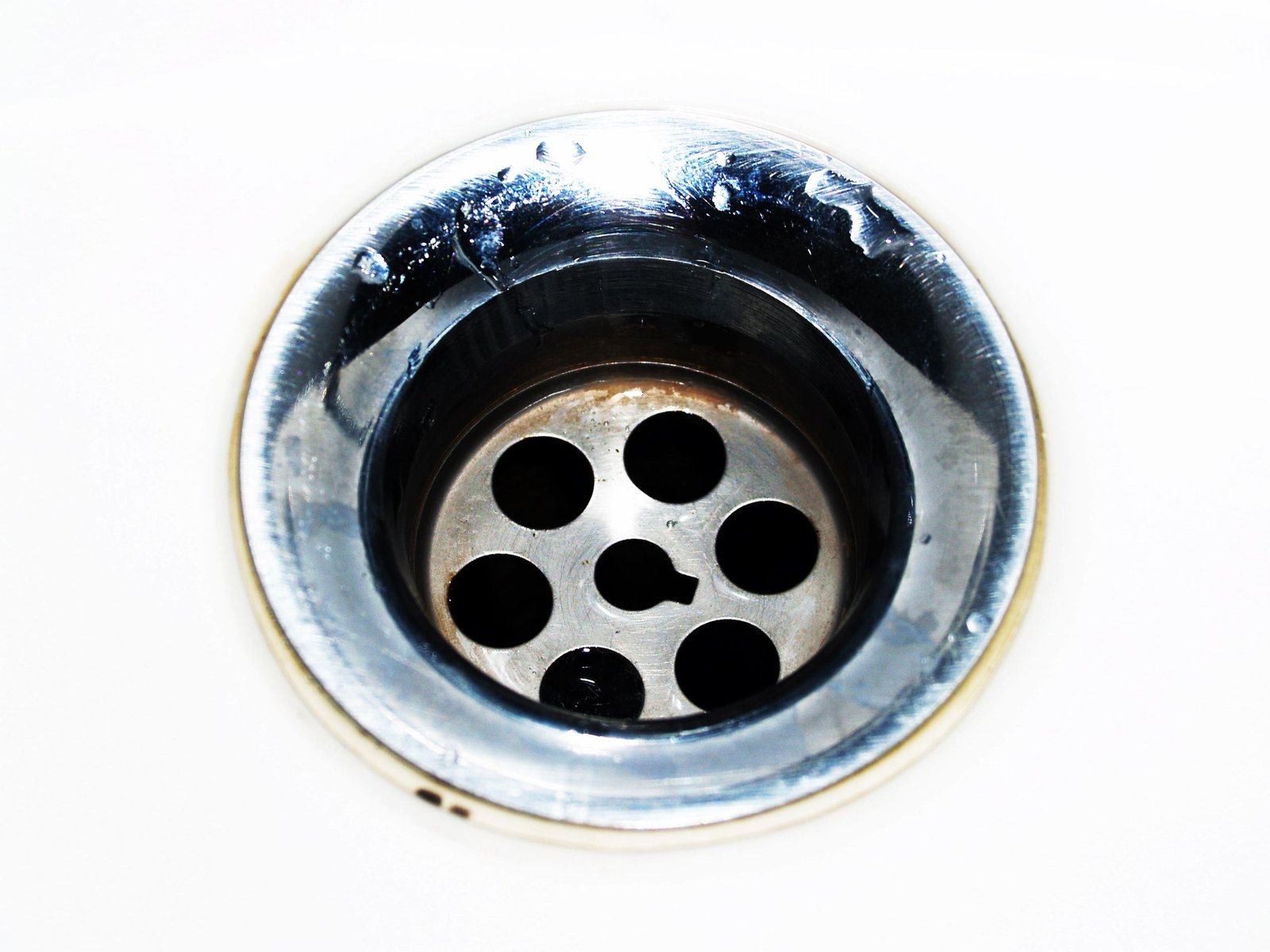
Most slow drains are blocked near the surface — hair, soap scum and grease in the first stretch of pipe. Try the methods in order and stop as soon as the water drains freely. If the clog is deep, or more than one drain is affected, the problem is further down the line and needs a plumber, not a stronger home remedy.
Want a Better-Trained, Happier Dog?
Get practical guidance for obedience, behavior, and everyday dog training with a collection of helpful training guides designed for dog owners.
This post may contain affiliate links. If you purchase through our link, we may earn a commission at no additional cost to you.
What You Will Need
- Cup plunger (flat-bottomed for sinks, flange plunger for toilets)
- Drain stick or small drain snake
- Baking soda and white vinegar
- Table salt
- Dish soap
- Enzyme drain cleaner (optional, for stubborn organic clogs)
- Bucket, old towels and rubber gloves
- A jug of hot tap water — never boiling water
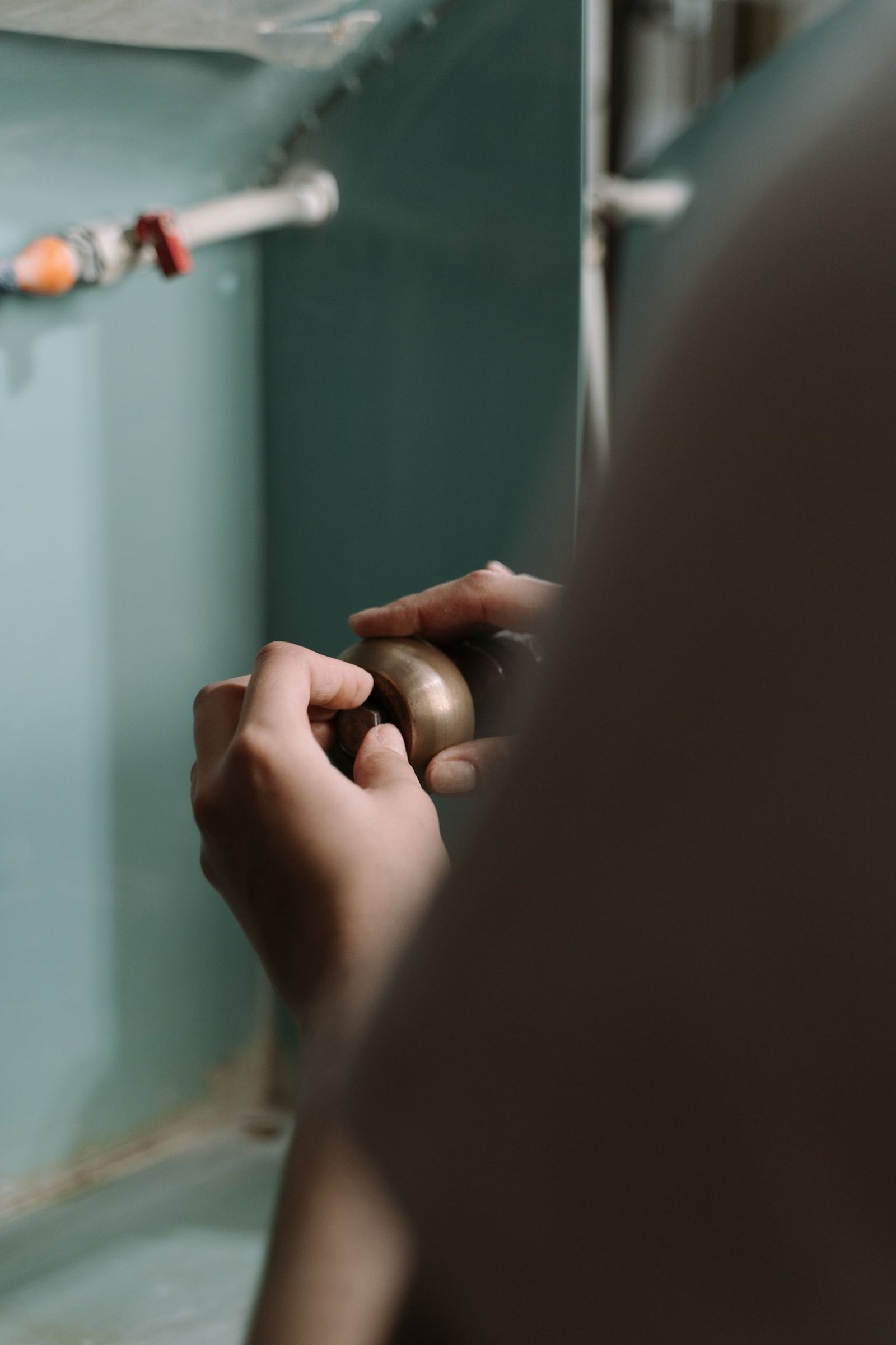
Method 1 — Plunge First
- Block the overflow. Seal the overflow opening (and a second basin drain, if fitted) with a wet cloth so the plunger’s pressure goes down the drain, not out of the overflow.
- Cover the plunger cup. Run enough water into the basin or bath to cover the plunger cup, and press the cup firmly over the drain so it seals.
- Plunge hard. Push down and pull up sharply 10-15 times, keeping the seal. Repeat for 2-3 cycles, checking the water level between cycles.
- Test it. Lift the plunger and let the water drain. If it flows freely, run hot tap water for 1-2 minutes to flush the loosened debris through.
Method 2 — Drain Stick or Snake (Clogs Near the Surface)
- For clogs in the first 12-18 inches. Push a drain stick or small snake slowly into the drain, twisting gently as you go. Hair and soap clogs usually sit in this stretch.
- Pull, don’t push. Draw the stick out slowly, bringing the clog with it. Wipe it off into the bin and repeat until the stick comes out clean.
- Flush. Run hot tap water for 1-2 minutes and check the drain speed. If it is still slow, move on to Method 3.
Method 3 — Baking Soda and Vinegar Soak
- Clear standing water. Bail out most of the water so the mixture reaches the clog, not just the water sitting above it.
- Pour in 1/2 cup of baking soda, pushing it down toward the drain opening.
- Follow with 1 cup of white vinegar. It will fizz — that fizz helps loosen soap scum and light grease.
- Cover and wait 15-30 minutes. Plug the drain or cover it with a cloth so the fizz works down in the pipe.
- Flush with hot tap water only. Run hot tap water (not boiling water) for 2-3 minutes. Repeat once if the drain is faster but still slow.
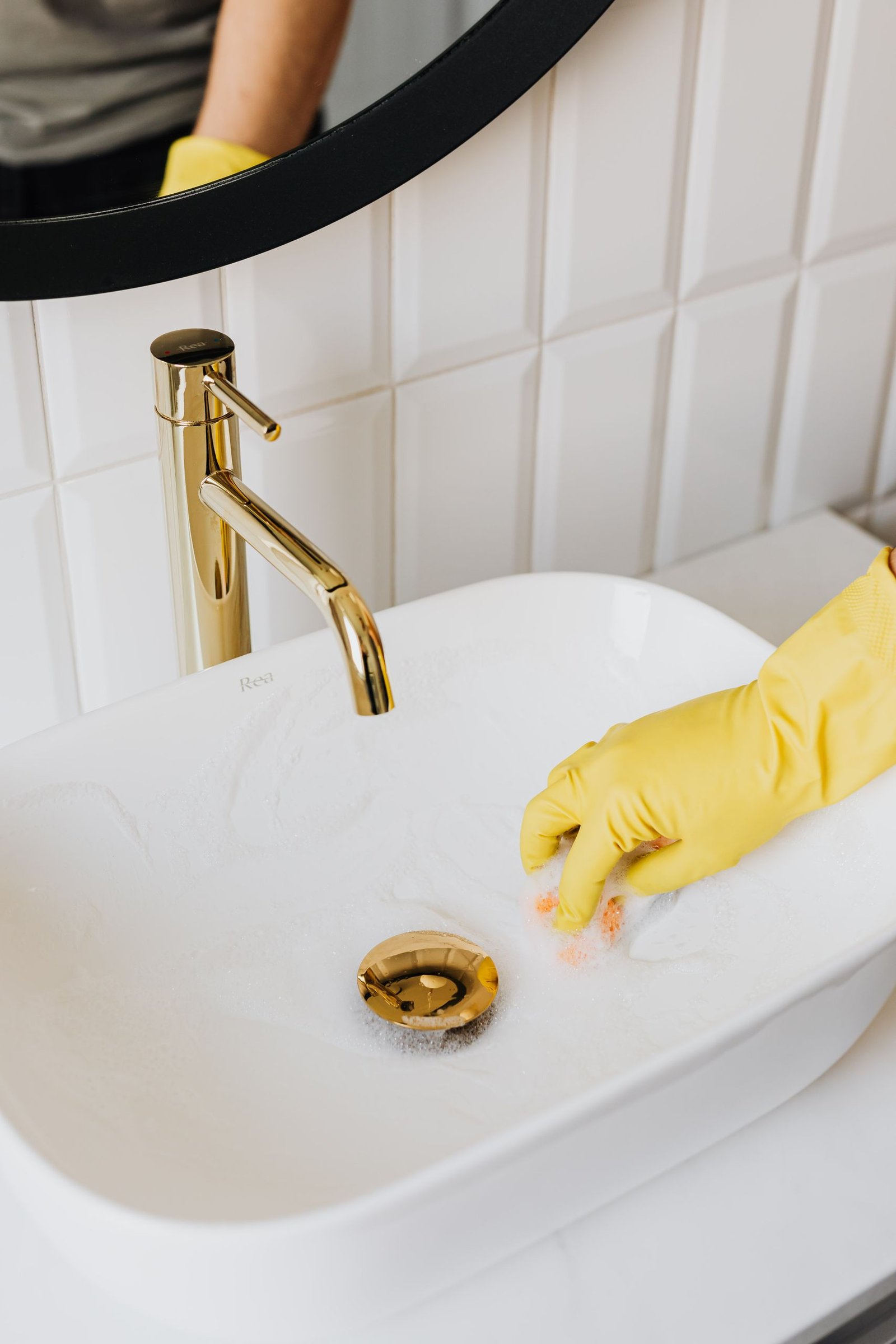
Method 4 — Salt and Baking Soda Overnight (Kitchen Grease)
- Mix 1/2 cup of table salt with 1/2 cup of baking soda and pour it down the drain.
- Leave it overnight. The salt scours and the baking soda breaks down grease while the drain is unused.
- Flush in the morning with hot tap water for 2-3 minutes. This method suits kitchen sinks with grease build-up best.
Method 5 — Enzyme Cleaner (Stubborn Organic Clogs)
- Use an enzyme drain cleaner (not a caustic chemical cleaner) and follow the label dose exactly.
- Leave it to work for 6-8 hours, ideally overnight, without running water down that drain.
- Repeat for 2-3 nights if the drain improves but is still slow. Enzymes eat organic matter gradually — they do not clear a solid object or a deep blockage.
- Flush with hot tap water and check the drain speed.
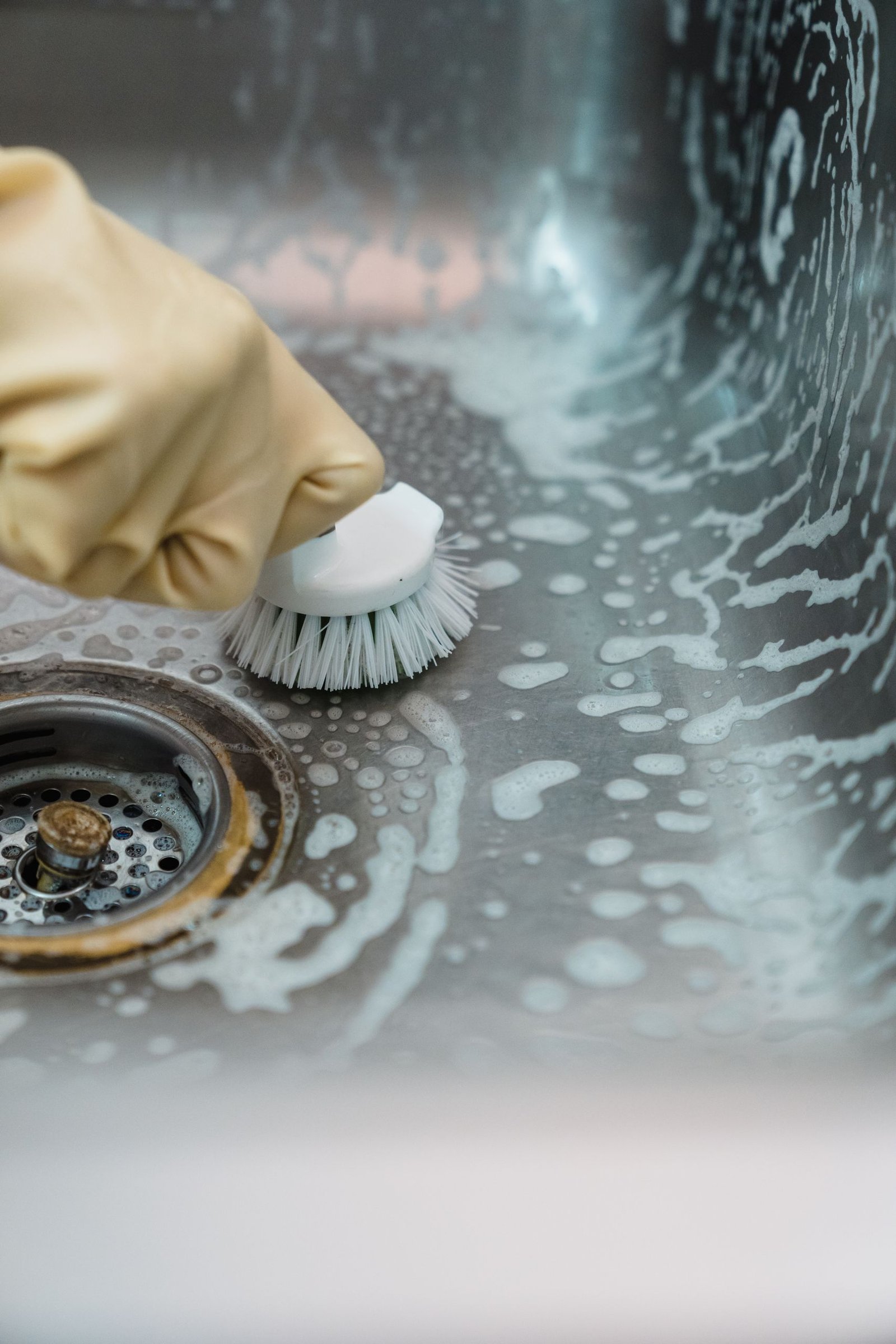
Toilet Clog — Dish Soap and Hot Water
- Pour 1/4 cup of dish soap into the toilet bowl and let it sink toward the clog.
- Add 1 gallon of hot water (hot from the tap or heated, but not boiling) from waist height, so its weight helps push the clog through.
- Wait 15-20 minutes, then flush once. If the water level does not drop, plunge with a flange plunger and repeat.
Safety Warnings
Never plunge a drain after using a chemical drain cleaner — it can splash caustic liquid. Never mix cleaners, and never mix vinegar with bleach. Use hot tap water only: boiling water can soften PVC pipes, crack porcelain toilets and warp seals. Wear gloves, keep the room ventilated, and keep children and pets away while you work.
Tick-Off Checklist
- Overflow opening blocked with a wet cloth before plunging
- Plunger sealed over the drain and plunged 10-15 times, 2-3 cycles
- Drain stick or snake tried for clogs in the first 12-18 inches
- Baking soda (1/2 cup) + vinegar (1 cup) left for 15-30 minutes
- Flushed with hot tap water only — no boiling water used
- Salt (1/2 cup) + baking soda (1/2 cup) left overnight for kitchen grease
- Enzyme cleaner left 6-8 hours, repeated for 2-3 nights if needed
- Toilet: 1/4 cup dish soap + 1 gallon hot water, waited 15-20 minutes
- Drain runs freely and flushes clean with hot tap water
- Bucket, towels and tools cleaned and put away
When to Call a Plumber
- More than one drain backs up at the same time
- You smell sewage, or water comes up in another fixture
- The same clog returns within days of clearing it
- Water is backing up into the bath, shower or basement drain
- You suspect a solid object, a broken pipe or tree roots in the line
Prevent the next clog: fit drain strainers in sinks, showers and baths; never pour cooking grease down the sink — wipe it into the bin; brush hair out of shower drains weekly; and flush kitchen drains with hot tap water for 30 seconds after washing greasy pans.
Tip: Write the date you cleared the drain here, so you can spot a pattern if the same drain clogs again.
Download Your Free Printable Checklist
Get the free printable checklist for How to Unclog a Drain Naturally — keep it under the sink for the next slow drain.
PDF • Print-friendly
Looking for more free printables? See all free printables on our Cleaning Resources page.