How to Wash a Comforter or Duvet
A fluffy, fully dry comforter — without lumps, damp centres or damaged fill.
Quick facts: Washing 45-60 minutes + drying 2-3 hours (down takes longest) | Wash every 2-3 months, or every month if you have pets, allergies, or no duvet cover | Difficulty: Easy — the hardest part is patience while it dries.

Want a Better-Trained, Happier Dog?
Get practical guidance for obedience, behavior, and everyday dog training with a collection of helpful training guides designed for dog owners.
This post may contain affiliate links. If you purchase through our link, we may earn a commission at no additional cost to you.
Before You Start
Check the care label. It tells you the fill (down, feather, polyester, cotton, wool) and the wash temperature. If it says “dry clean only,” believe it — especially for silk or wool-filled comforters.
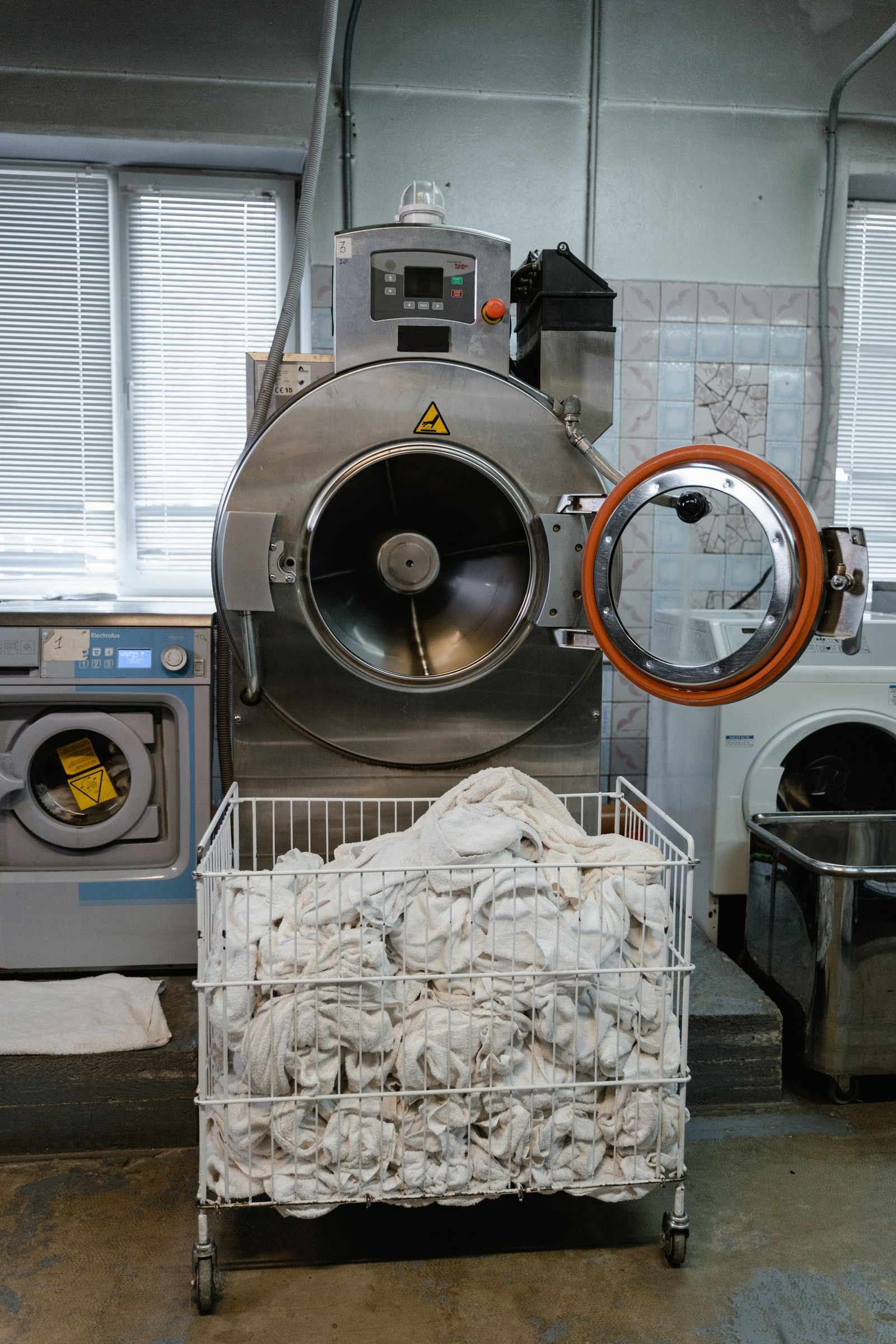
Check your machine’s capacity. A king-size or thick down comforter needs a large-capacity machine (at least 4.5 cubic feet / a 9-10 kg drum). If your comforter fills more than three-quarters of the drum when dry, it will not wash or rinse properly — use a laundromat’s large commercial machine instead.
Inspect first. Look for tears, loose seams, or holes. Mend them before washing, or the filling will escape and bunch up inside the machine.
What You Will Need
- Mild liquid laundry detergent — about 2 tablespoons (half a normal load’s dose)
- A large-capacity washing machine (or a laundromat trip)
- 3 wool dryer balls or 2 clean tennis balls in white socks
- White vinegar — 1/2 cup (optional, for the rinse)
- A sunny spot or drying rack for a final air-out
Step by Step — Machine Washing
- Load it loosely. Place the comforter in the drum by itself — no other laundry. It should move freely. If you have to force it in, the machine is too small.
- Add detergent. Pour in about 2 tablespoons of mild liquid detergent. Do not use bleach on coloured or down comforters — it damages the fill and the fabric. For white cotton comforters, a small amount of oxygen-based bleach (sodium percarbonate, per the packet) is safe, but never chlorine bleach on down.
- Choose the cycle. Select a gentle or bulky/bedding cycle with warm water (30-40°C / 85-105°F). Hot water can shrink cotton shells and damage down clusters, so stay at warm unless the label specifically allows hot.
- Run an extra rinse. Thick comforters trap detergent. After the main cycle, run one extra rinse cycle. If you want extra freshness, add 1/2 cup of white vinegar to this rinse — it softens the fabric and helps remove soap residue. Never add vinegar to the wash cycle with detergent.
- Check the rinse water. If it still looks soapy, run one more rinse. Leftover detergent attracts dirt and makes the comforter feel stiff.
Step by Step — Drying (The Most Important Part)
Warning: Never put a comforter away even slightly damp. A damp centre breeds mildew and a musty smell, and down that stays wet clumps permanently. Drying takes time — plan for 2-3 hours.
- Dry on low heat. Transfer the comforter to a large dryer and tumble on low heat. High heat can melt synthetic fills, scorch cotton shells, and damage down.
- Add dryer balls. Toss in 3 wool dryer balls (or 2 clean tennis balls inside white socks — the socks stop colour transfer). They break up clumps and cut drying time significantly. Every 30 minutes, stop the dryer, take the comforter out, and shake it vigorously to redistribute the fill.
- Check the centre. The edges dry first; the middle is always last. Keep drying until the very centre feels completely dry and fluffy — press it between your hands and feel for any cool, damp spots. When in doubt, give it one more 20-minute low-heat cycle.
- Air it out. Hang the comforter over a railing, a drying rack, or outside in fresh air (out of strong direct sun for down) for 1-2 hours before putting it back on the bed. This final airing removes any last trace of dampness.

Spot Cleaning Between Washes
Blot — never rub — the stain with a clean cloth to lift as much as possible. Dab a small amount of mild dish soap mixed with cool water (about 1 teaspoon soap per cup of water) onto the spot with a cloth. Work from the outside of the stain inward so it doesn’t spread. Rinse by dabbing with a cloth dampened in plain water, then blot dry. Let the spot air-dry fully before remaking the bed. For food or drink spills, act fast — most fresh stains lift easily if you blot within minutes.
What NOT to Do
- Never cram a comforter into a too-small machine — it won’t clean, won’t rinse, and can strain the motor
- Never use high heat to dry — it damages fill and fabric
- Never use fabric softener on down — it coats the clusters and kills their loft
- Never hang a wet down comforter to dry indoors without airflow — it can take days and smell musty. A dryer is almost always better for down
- Never iron a comforter — heat and pressure flatten the fill
- Never store a comforter in a plastic bag while even slightly damp — mildew will grow. Use a breathable cotton storage bag once fully dry
Tick-Off Checklist
- Care label checked — machine washable, fill type noted
- Machine capacity checked — comforter fits loosely (or laundromat chosen)
- Tears and loose seams mended before washing
- Comforter washed alone on a gentle/bulky cycle, warm water (30-40°C)
- About 2 tablespoons mild liquid detergent used (no chlorine bleach on down)
- Extra rinse run (1/2 cup white vinegar added to rinse, optional)
- Rinse water checked — no soapiness left
- Dried on low heat with 3 dryer balls (or 2 tennis balls in white socks)
- Comforter shaken out every 30 minutes during drying
- Centre checked — completely dry, no cool damp spots
- Aired for 1-2 hours before remaking the bed
- Spot stains blotted and dabbed clean between washes (never rubbed)
Download Your Free Printable Checklist
Get the free printable checklist for washing a comforter or duvet — perfect for keeping by the laundry room.
Download the Free Checklist (PDF)
PDF • Print-friendly
Looking for more free printables? See all free printables on our Cleaning Resources page.