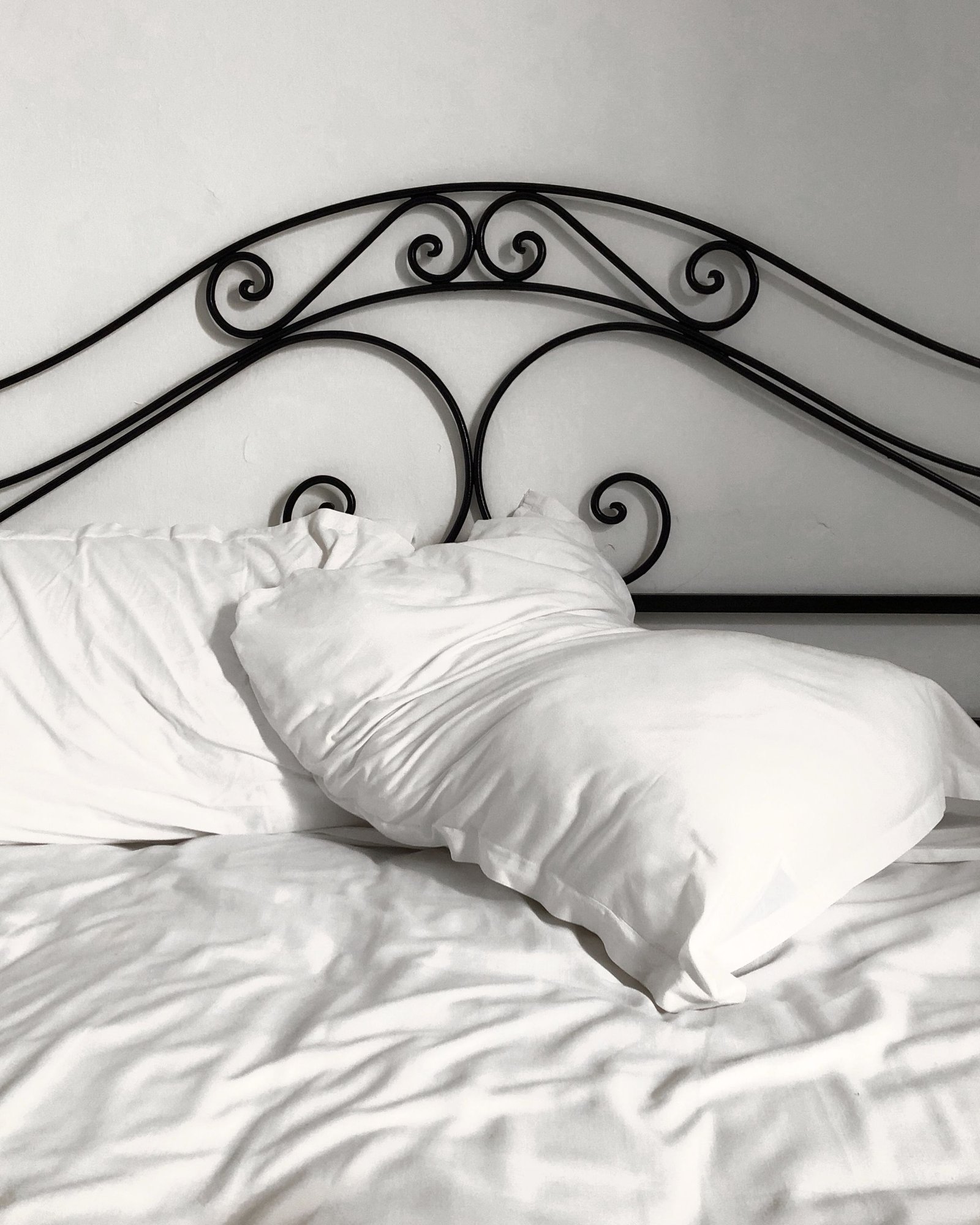
How to Wash Pillows
Fresh, fluffy, properly clean pillows — without ruining the fill or leaving them damp inside.
Quick Facts
Wash every 3-6 months (every 2-3 months if you sweat heavily at night, have allergies, or sleep without a pillow protector). Washing takes about 30-45 minutes, plus 2-4 hours of drying. Cost: just a washing machine and a little detergent.
Want a Better-Trained, Happier Dog?
Get practical guidance for obedience, behavior, and everyday dog training with a collection of helpful training guides designed for dog owners.
This post may contain affiliate links. If you purchase through our link, we may earn a commission at no additional cost to you.
Check the Label First
Down and feather pillows: usually machine washable, but need gentle handling and thorough drying. Polyester / fibre-fill pillows: the easiest to wash — almost always machine washable. Memory foam / latex pillows: NEVER put these in the washing machine or dryer. Water soaks deep into the foam, takes days to dry, and can crumble or grow mildew. Spot-clean only. Buckwheat, kapok and other specialty fills: follow the maker’s instructions; many need the fill removed and only the cover washed. If the label says “dry clean only,” believe it. If there is no label at all, play safe and spot-clean rather than machine-washing an unknown pillow.
What You Will Need
- Mild liquid laundry detergent — about 1 tablespoon per pillow (no more; excess soap is hard to rinse out of thick fill)
- Washing machine (top- or front-loading both work)
- Dryer with 2-3 clean tennis balls or wool dryer balls (put tennis balls in clean socks first)
- A pillowcase or laundry bag for delicate down pillows (optional but helpful)
- White vinegar — 1/2 cup, for the rinse (optional, for freshening)
- Baking soda — for spot-cleaning foam pillows
- Clean towels for pressing out water
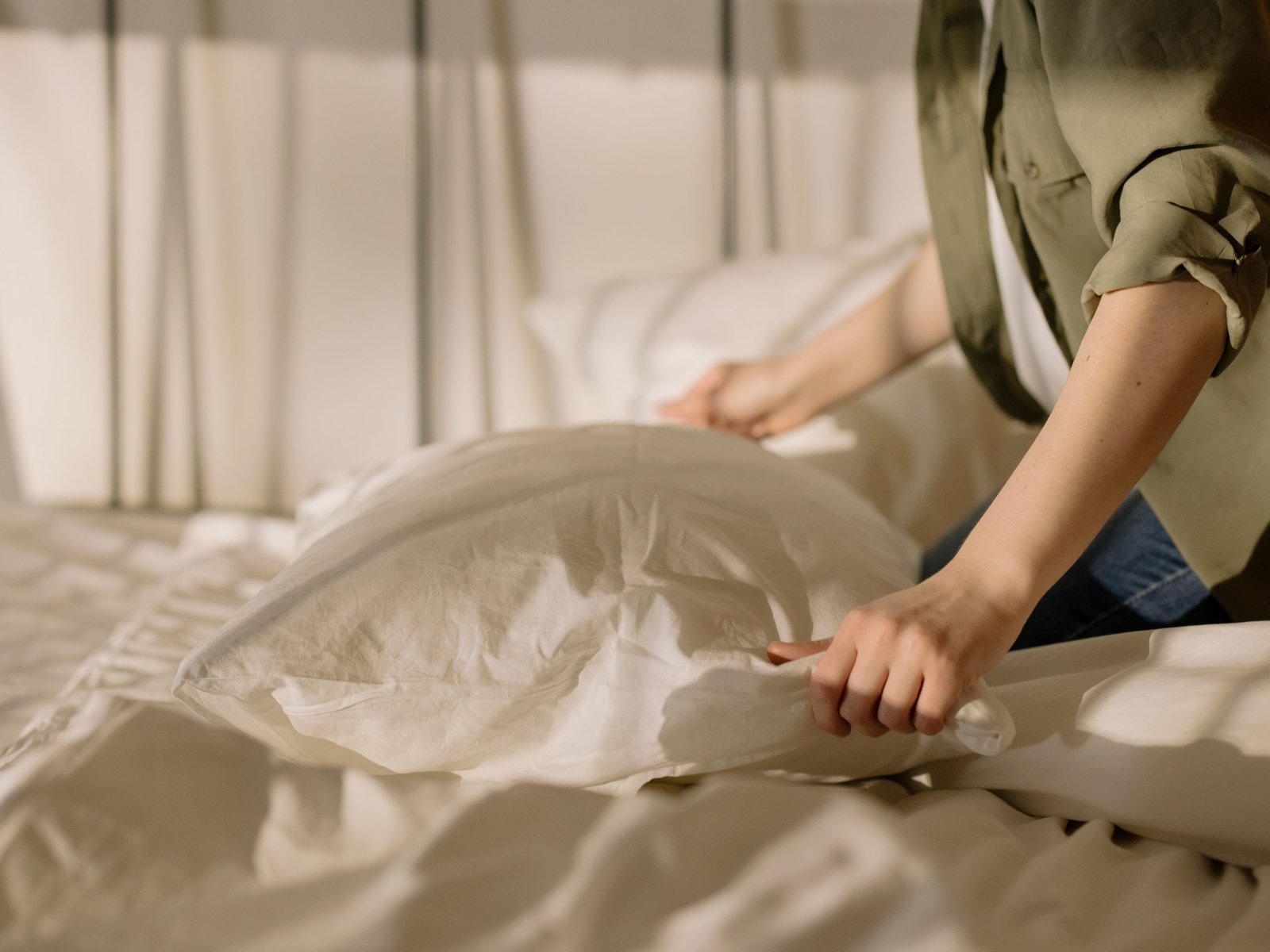
Machine-Washable Pillows (Down, Feather, Polyester)
1. Prep the pillows. Remove all pillowcases and protectors. Check for tears or loose seams and stitch them closed first — a small hole in the wash becomes a burst pillow and a machine full of feathers. Wash two pillows at a time to keep the machine balanced; a single pillow thumps around and does not clean evenly.
2. Set the machine. Use a gentle or delicate cycle with warm water (30-40°C). Hot water can damage down clusters and shrink some fills; cold water will not shift body oils well. Add about 1 tablespoon of mild liquid detergent per pillow — far less than a normal load, because thick fill traps soap.
3. Wash and rinse twice. Run the full gentle cycle, then run one extra rinse cycle with no detergent. This is not optional: leftover soap clumps the fill, attracts dirt faster, and can irritate skin. For a freshening boost, add 1/2 cup of white vinegar to the rinse (never mix vinegar with bleach).
4. Squeeze out the water. After the spin cycle, press the pillow gently between clean towels to remove excess water. Never wring or twist a down or feather pillow — it breaks the fill clusters and creates lumps.
Drying — The Part Most People Rush
This is where pillows are won or lost. A pillow that feels dry on the outside can still be damp in the middle, and damp fill grows mildew and smells worse than before you washed it.
1. Tumble dry on low heat (never high heat — it scorches down and melts synthetic fill). This takes 2-4 hours for most pillows; down pillows take the longest.
2. Add 2-3 clean tennis balls or wool dryer balls (tennis balls in clean socks first, to avoid colour transfer). They break up clumps and restore loft as the pillow dries.
3. Stop every 30-45 minutes, take the pillow out, and fluff it by hand, breaking up any clumps. Put it back and continue.
4. The pillow is done only when it feels light, fully lofted, and completely dry all the way through — squeeze the centre firmly and check for any cool, damp feeling. When in doubt, dry for another 30 minutes.
Air-drying alternative: lay the pillow flat in a well-ventilated spot, out of direct strong sun, and flip and fluff it every few hours. It can take a full day or more, and in humid weather it may never dry fully indoors — the dryer is safer.
Safety warning: Never put a still-damp pillow back on the bed, and never store pillows in plastic bags while damp. Trapped moisture breeds mildew and dust mites within days.
Memory Foam and Latex Pillows (Spot-Clean Only)
1. Remove the cover and machine-wash it separately according to its own label (usually gentle, 30°C).
2. Vacuum the foam pillow thoroughly on both sides with an upholstery attachment to remove dust and mites.
3. For stains, dab — never soak — with a cloth dampened in a solution of 1 teaspoon of mild dish soap in 1 cup (240 ml) of warm water. Work from the outside of the stain inward.
4. Blot with a clean cloth dampened in plain water to lift the soap, then press dry with towels.
5. For odours, sprinkle baking soda lightly over the surface, leave for 30 minutes to 1 hour, then vacuum it off thoroughly.
6. Let the pillow air-dry completely in a ventilated room (several hours) before putting the cover back on. Never use a hair dryer on high heat or put foam in a tumble dryer.
When to Replace a Pillow
Replace a pillow when it stays flat after washing and drying, smells musty even when fully dry, or has permanent stains and lumps that fluffing will not fix — typically every 1-2 years for polyester, 2-3 years for down. Always use a pillow protector under your pillowcase — it catches most sweat and oils and can be washed weekly with your sheets.
What NOT to Do
- Never machine-wash memory foam, latex, or buckwheat pillows — they absorb water, crumble, and mildew
- Never use bleach on pillows unless the label explicitly allows it; it weakens fibres and yellows fill
- Never use fabric softener — it coats the fill, reduces loft, and traps odours
- Never dry on high heat — it damages down, melts synthetic fibres, and can scorch fill
- Never skip the extra rinse — trapped detergent is the top cause of stiff, smelly “clean” pillows
- Never wash only one pillow in a top-loader — the unbalanced load bangs the machine and cleans unevenly
- Never hang a wet down pillow by a corner to dry — the fill slides to one end and clumps permanently
Tick-Off Checklist
- Care label checked — pillow type identified (down/feather, polyester, or foam)
- Pillowcases and protectors removed
- Tears or loose seams stitched closed
- Two pillows loaded to balance the machine
- Gentle cycle, warm water (30-40°C), 1 tablespoon mild detergent per pillow
- Extra rinse cycle run (1/2 cup white vinegar added, optional)
- Pillow pressed gently between towels — never wrung or twisted
- Tumble dried on low heat with 2-3 tennis/dryer balls
- Pillow fluffed by hand every 30-45 minutes during drying
- Pillow confirmed fully dry through the centre before use
- Foam pillow (if any): vacuumed, spot-cleaned, baking soda deodorised, fully air-dried
- Pillow protector refitted and pillowcase replaced
- No bleach, fabric softener, or high heat used
Download Your Free Printable Checklist
Get the free printable How to Wash Pillows checklist to keep by your washing machine.
PDF • Print-friendly
Looking for more free printables? See all free printables on our Cleaning Resources page.