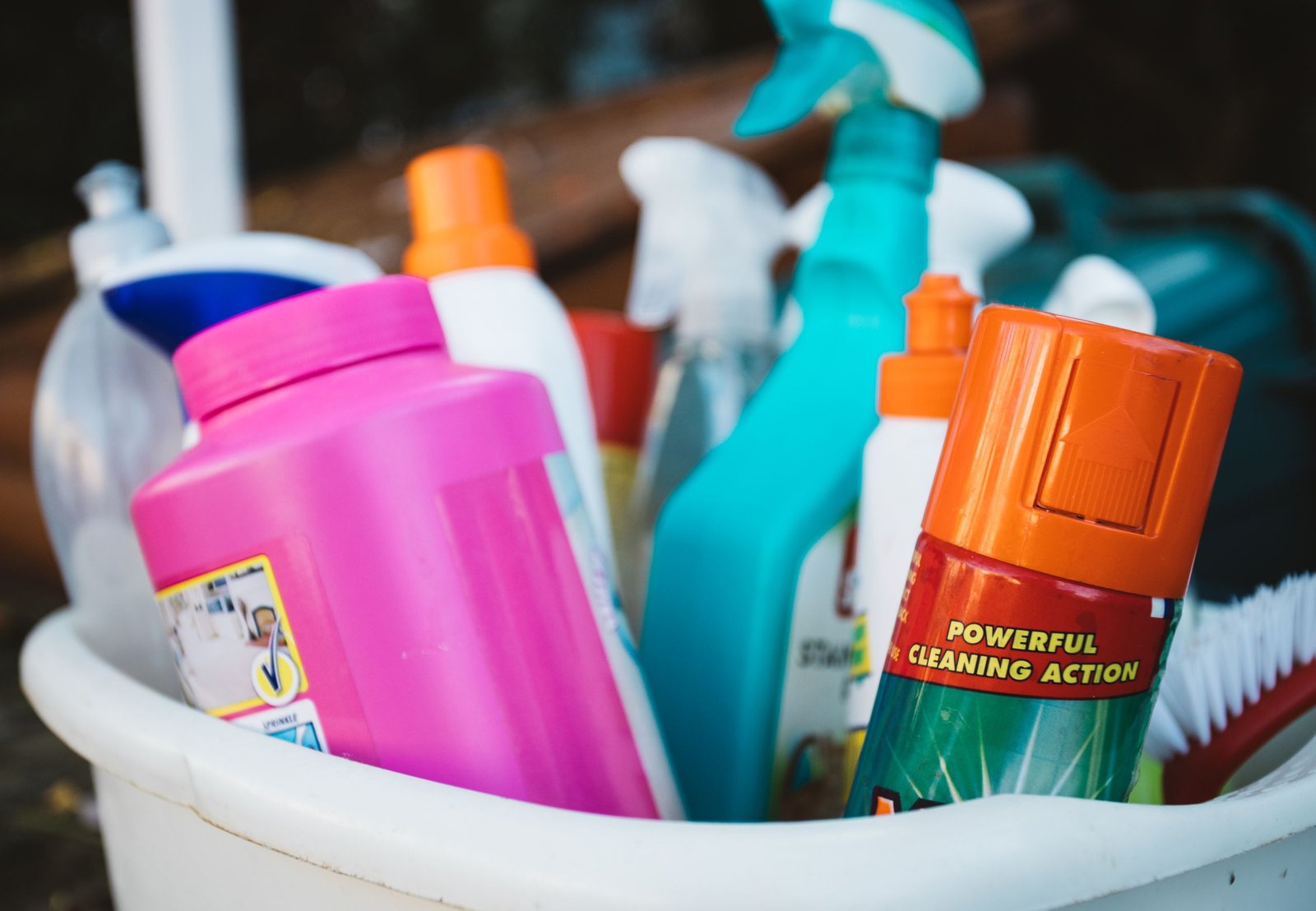
Cleaning Caddy Essentials
Everything you need in one portable tote — so cleaning takes minutes, not a hunt for supplies. The best cleaning shortcut isn’t a fancy gadget — it’s having everything you need in one portable tote. No more hunting for the glass cleaner, finding the gloves in a different cupboard, or realising mid-clean that the sponge is in the bathroom. A well-stocked cleaning caddy turns a 30-minute hunt into a 30-minute clean.
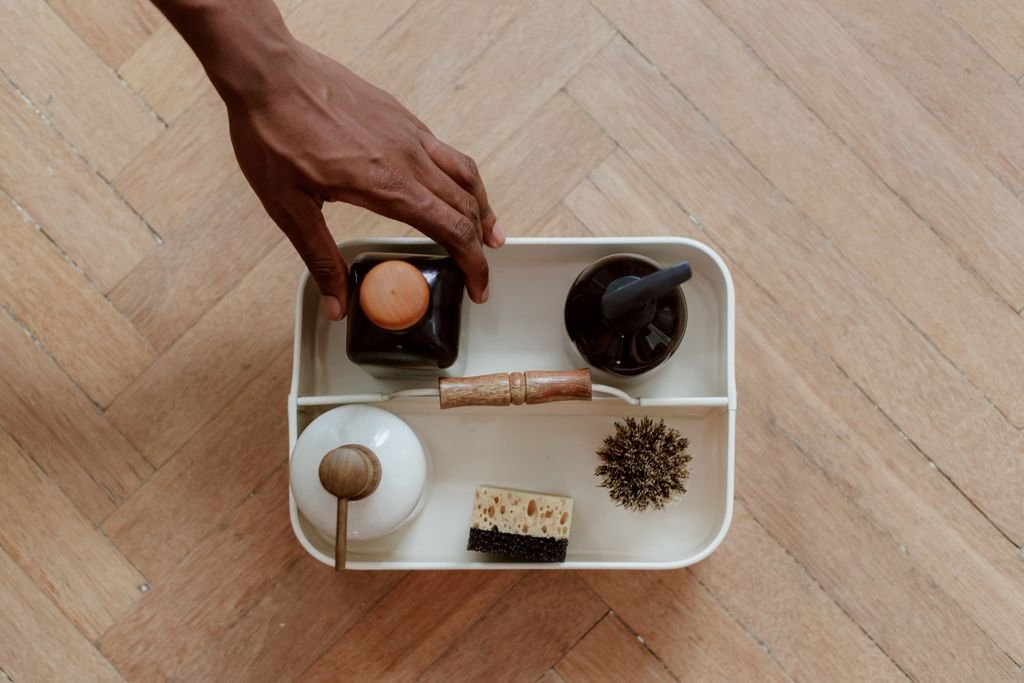
What Is a Cleaning Caddy?
A cleaning caddy is a portable container — a bucket, tote or divided carrier with a handle — that holds your everyday cleaning supplies. It lives in one spot (a utility cupboard, laundry room shelf or under the kitchen sink) and travels with you from room to room. Rule: everything you reach for most often goes in; anything dangerous, rarely used or bulky stays stored separately.
Want a Better-Trained, Happier Dog?
Get practical guidance for obedience, behavior, and everyday dog training with a collection of helpful training guides designed for dog owners.
This post may contain affiliate links. If you purchase through our link, we may earn a commission at no additional cost to you.
The Core Cleaners — 4-5 Bottles Only
Keep it lean. A caddy stuffed with half-empty bottles is heavy, messy and hard to carry — and most jobs only need a few products.
- All-purpose cleaner — your workhorse for counters, tables, sinks and most hard surfaces. One good spray bottle covers about 80% of daily cleaning.
- Bathroom cleaner or disinfectant spray — for toilets, tubs and bathroom sinks. A labelled vinegar spray works for daily wipe-downs (never on marble or natural stone).
- Glass cleaner — for mirrors, windows and glass doors. A small bottle lasts a long time.
- Dish soap (small bottle) — cuts grease on stovetops, works as a spot cleaner, and can substitute for all-purpose cleaner in a pinch.
- Baking soda (shaker or tub) — for scrubbing sinks, tubs and burnt pans, and for deodorising.
Optional, only if used weekly: wood polish (real wood only), stainless-steel cleaner, or a dedicated floor cleaner. Used less than once a month? It does not earn a place in the caddy — store it on a shelf instead.
Tools
- Scrub brush — sturdy, stiff bristles for sinks, tubs and grout lines.
- Old toothbrush — for taps, grout, hinges and tight corners.
- 2 sponges — one general, one bathroom-only. Never use the same sponge in the kitchen and the bathroom.
- Squeegee (small) — for shower glass and mirrors after cleaning.
- Rubber gloves (1 pair) — always in the caddy, not in a drawer somewhere.
- Spray bottle of plain water — for rinsing, dampening cloths and diluting cleaners.
Cloths
- Microfibre cloths (4-5) — the backbone of the caddy. One for dusting, one for wet wiping, one for glass (flat-weave leaves fewer streaks), plus spares. Colour-code if you can: blue for general rooms, red for the bathroom, green for the kitchen. This stops cross-contamination — the cloth that wiped the toilet never touches the kitchen counter.
- Paper towels or rags — for the messiest jobs you would rather throw away than wash.
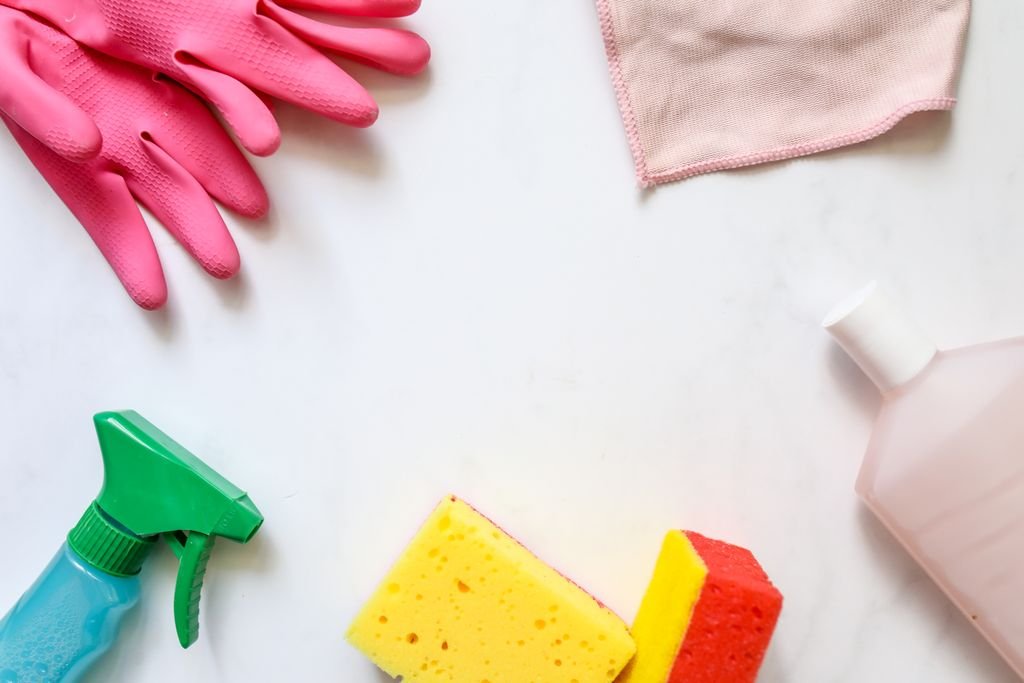
Small Extras That Earn Their Place
- A dusting wand or extendable duster, if it fits — saves a separate trip for ceiling corners and shelves.
- A small trash bag or two — for collecting rubbish as you clean each room.
- Labels or a marker — every bottle in the caddy must be clearly named (essential if you decant cleaners into smaller spray bottles).
Choosing the Right Caddy
- Size: big enough to hold your core kit without cramming, small enough to carry one-handed — a tote around 30-40 cm long is right for most homes. If it bangs against doorframes, it is too big.
- Dividers or compartments: separate sections stop bottles tipping over and keep wet and dry items apart. A centre handle with open sides is easiest to grab from.
- Easy to clean: plastic or coated fabric wipes clean when a bottle leaks. Avoid fabric caddies that soak up spills.
- Comfortable handle when loaded: test it full — a thin wire handle digs into your hand once the caddy weighs 3-4 kg.
Stocking for Different Homes
- Small flat or apartment: minimal — all-purpose cleaner, glass cleaner, dish soap, 3 microfibre cloths, a sponge, gloves and a scrub brush. Genuinely enough for weekly cleaning.
- Family home with children and pets: add a second pair of gloves, extra cloths, a pet-safe floor cleaner if you use one, and a lint roller. Keep the caddy itself out of reach (see Safety).
- Home with lots of wood, stone or delicate surfaces: swap the generic all-purpose cleaner for surface-safe options — a pH-neutral cleaner for stone, a wood-safe cleaner for real wood — and label them clearly so nobody grabs the wrong bottle. Never use vinegar or acidic cleaners on marble, granite or natural stone.
- Multi-storey home: one caddy per floor, or one main caddy plus a small upstairs kit (a spray, cloths and gloves). Carrying a full caddy up and down stairs every day gets old fast.

Safety and Storage — The Rules That Matter
- Never mix chemicals. Never mix bleach with vinegar, ammonia or toilet cleaner — the fumes can be dangerous. Never pour one cleaner into another bottle to “top it up.” Use one product at a time and rinse cloths between products.
- Keep bleach separate — or out of the caddy entirely. Store it in its original, labelled container, upright, away from other cleaners, and only bring it out when you need it. Never decant bleach into an unlabelled spray bottle.
- Label every bottle. Product name, and for homemade mixes the recipe and the date it was made. An unlabelled bottle is a guessing game nobody should play.
- Bottles upright, lids tight. Check caps before you carry the caddy and wipe up any drips straight away.
- Keep the caddy away from children and pets. Store it on a high shelf or in a latched cupboard, never on the floor where a toddler or pet can reach it.
- Store it in one place, dry and cool. A utility cupboard, laundry shelf or ventilated under-sink cabinet. Avoid heat sources (radiator, boiler) and direct sunlight, which degrade products and pressurise spray bottles.
- Do not store food or drinks in or next to the caddy. Cleaners and food do not share a shelf.
Restocking and Replacing
- After every clean: put used cloths in the wash, rinse the sponge, and put everything back in its place. A caddy that is not reset is just a box of mess next time.
- Weekly: check bottle levels. Refill or replace anything under a quarter full before your next clean, so you never run out mid-job.
- Every 1-2 weeks: launder microfibre cloths (without fabric softener, which coats the fibres and ruins their cleaning power) and replace paper towels.
- Monthly: replace sponges — they harbour bacteria once they start to smell or fall apart. Check gloves for tears and replace if damaged. Wipe out the caddy itself.
- Every 3-6 months: review the whole kit. Throw away expired or separated products and anything untouched for months. Check labels are still readable and re-label anything faded.
- When a product changes: relabel immediately and throw away the old bottle rather than keeping two half-used versions.
A Quick Room-by-Room Routine With Your Caddy
Grab the caddy and a trash bag. Start at the top of the house (or the furthest room) and work toward the door, so you never walk back through a cleaned room. In each room: declutter first, dust high to low, spray and wipe surfaces, clean glass and mirrors last (so they do not get splashed), and empty small bins into your trash bag. Bathroom last, or with bathroom-only cloths and sponge — then wash your hands and put the caddy back in its place, reset and ready.
Tick-Off Checklist
- Caddy chosen — right size, with compartments, easy to clean, comfortable handle
- All-purpose cleaner in the caddy
- Bathroom cleaner or disinfectant spray in the caddy
- Glass cleaner in the caddy
- Dish soap (small bottle) in the caddy
- Baking soda (shaker or tub) in the caddy
- Scrub brush and old toothbrush in the caddy
- Two sponges — one general, one bathroom-only
- Rubber gloves in the caddy
- Spray bottle of plain water in the caddy
- 4-5 microfibre cloths, colour-coded by room if possible
- Paper towels or rags for messy jobs
- Every bottle clearly labelled with product name (and recipe/date for homemade mixes)
- Bleach kept separate in its original labelled container, or left out of the caddy
- Caddy stored upright, lids tight, in one dry, cool place away from children and pets
- Caddy stored away from food, heat sources, and direct sunlight
- Used cloths laundered and sponge rinsed after every clean
- Bottle levels checked weekly; anything under a quarter full refilled
- Sponges replaced monthly; gloves checked for tears
- Whole kit reviewed every 3-6 months; expired or unused products thrown away
- No caddy overload — it lifts comfortably with one hand
- No unlabelled bottles, and no cleaner in a food or drink bottle
- No bathroom cloth or sponge used in the kitchen
- No wet cloths or sponges left sitting in the caddy
- No expired, separated or foul-smelling products kept “just in case”
Download Your Free Printable Checklist
Get the free printable Cleaning Caddy Essentials checklist to keep in your caddy or on your cleaning cupboard door.
PDF • Print-friendly
Looking for more free printables? See all free printables on our Cleaning Resources page.