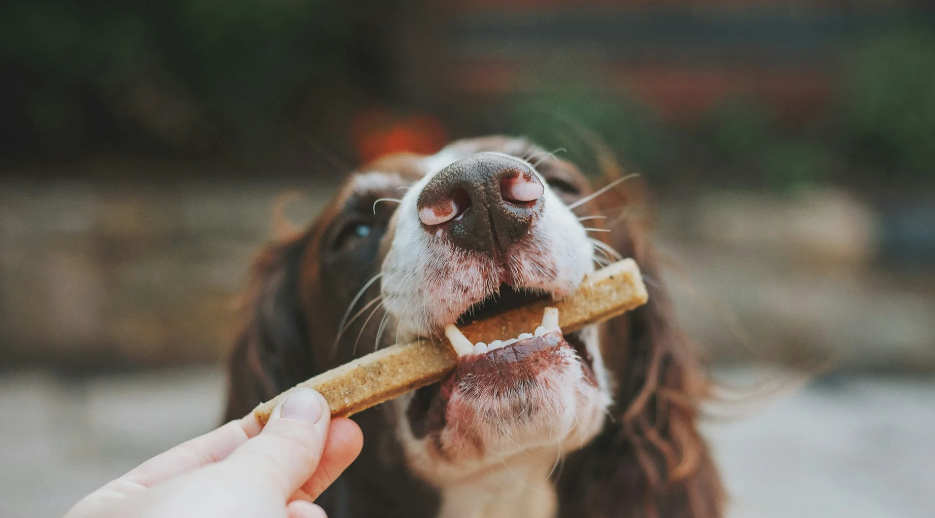
Peanut Butter Dog Training Treats: Quick & Easy
Let me let you in on a little secret: getting your puppy to actually pay attention isn’t about complicated commands or fancy training gadgets. Honestly, it’s simpler than that. The real magic? Treats. And not just any treats—peanut butter treats. There’s just something about that nutty, irresistible flavor that makes dogs drop everything and focus on you. Instead of spending a small fortune on store-bought treats that are often packed with weird chemicals and ingredients you can’t even pronounce, you can make something at home that’s healthy, simple, and way tastier for your dog. Trust me, when you see your pup’s little ears perk up at the smell of homemade peanut butter treats, you’ll know it’s worth every second in the kitchen.
Why Homemade Dog Treats? (Besides Making You Feel Like a Pro)
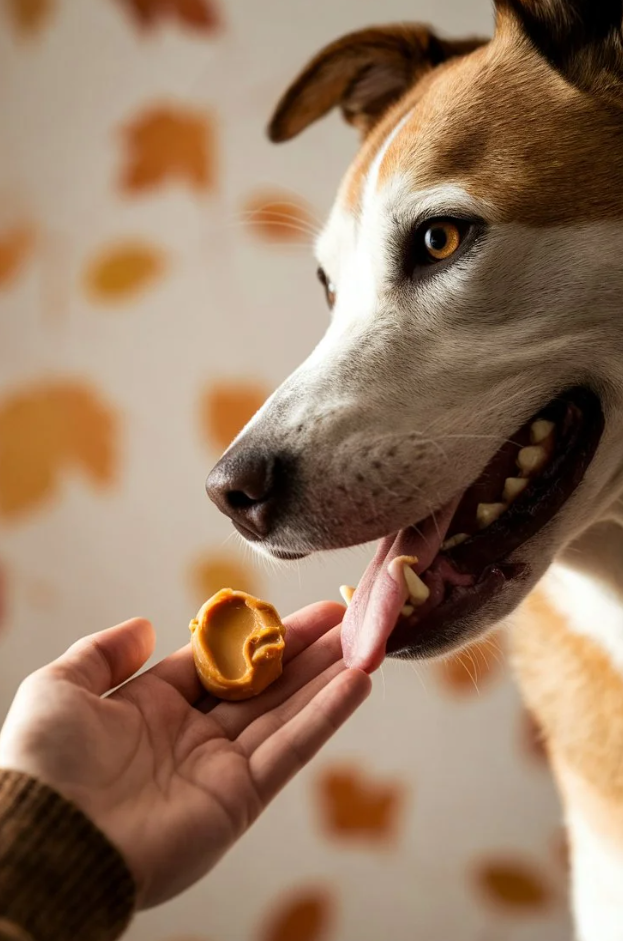
Making treats at home isn’t just about saving money—it’s about knowing exactly what goes into your dog’s food and feeling confident that you’re giving them something truly good for them.
You control the ingredients. No mystery chemicals, no hidden sugars, no preservatives. Everything in these treats is safe, wholesome, and good for your dog.
They’re budget-friendly. Let’s be real, gourmet dog treats can cost a fortune, and you end up buying them every week. Homemade treats let you save cash without skimping on quality.
Customizable for your pup. If your dog has allergies, it’s easy to swap out ingredients without stress. You can use oat flour instead of wheat, add a touch of pumpkin for flavor, or avoid eggs if your dog doesn’t tolerate them.
Ridiculously easy. Even if you feel like you can barely boil water without a mishap, you can make these treats. Seriously, they’re that simple.
Ingredients You’ll Need (Just Four—Yes, Really)
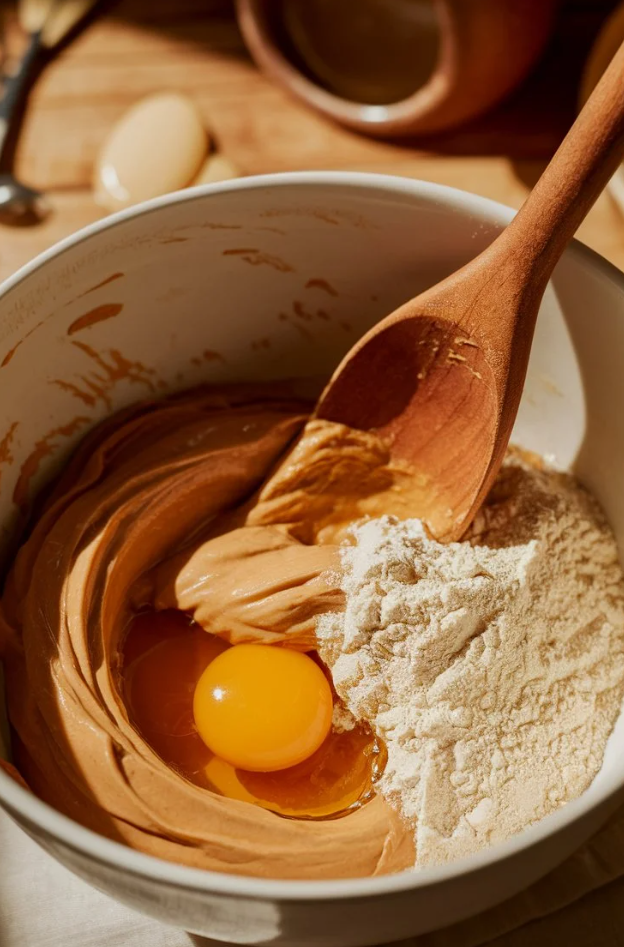
It might surprise you that you only need four ingredients to make treats your dog will go crazy for:
- Peanut Butter (1 Cup) – Make sure it’s free from xylitol, which is toxic to dogs. Natural peanut butter with no added sugar or salt works perfectly.
- Whole Wheat Flour (2 Cups) – You can swap this for oat flour if you need a gluten-free option.
- Egg (1 Large) – Acts as the binder that holds everything together. No eggs? Unsweetened applesauce is a great substitute.
- Water (Up to 1/2 Cup) – Just enough to make the dough easy to work with, but not sticky.
That’s it. Four simple ingredients, and you’re already on your way to a batch of irresistible training treats.
Quick Recipe Instructions (Your Pup is Already Excited)
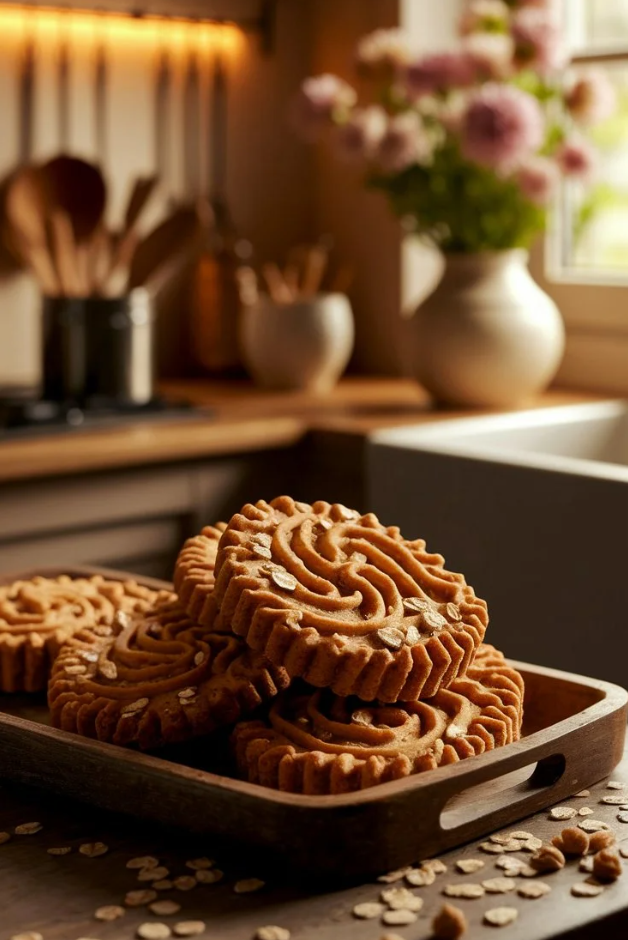
Preheat Your Oven
Set your oven to 350°F (175°C). Right away, your kitchen will start smelling like peanut buttery heaven, and your pup will probably be circling your feet.
Mix Ingredients
In a medium bowl, combine the peanut butter, flour, and egg. Slowly add water, a little at a time, until you have a firm, pliable dough that isn’t sticky. Don’t worry if it feels a little tough to knead—it’ll come together. Use your hands to knead it a bit to make sure all the ingredients are mixed evenly.
Roll and Cut
Lightly flour a surface and roll the dough out to about 1/4 inch thickness. You can use a cookie cutter to make fun shapes like bones, or just cut small squares. For training purposes, smaller pieces are better since you’ll be handing out quite a few treats.
Bake
Place your treats on a parchment-lined baking sheet and bake for 15–20 minutes until golden brown and slightly crisp. If your dog prefers softer treats, just bake a few minutes less.
Cool Completely
Let the treats cool completely before giving them to your dog. Nothing ruins training like a burnt little tongue!
Storing Your Peanut Butter Dog Treats
These treats are not only tasty but also versatile in how you store them. You can keep them at room temperature in an airtight container for up to a week. If you want them to last longer, store them in the refrigerator for around two weeks. For those who love prepping ahead, you can even freeze them for up to three months. Your dog won’t notice the difference—they’ll still taste fresh and delicious.
Bonus Tips: Make These Treats Your Own
You can get a little creative with these treats to make them perfect for your pup. Swap wheat flour with oat flour for dogs with gluten sensitivities. Mix in a spoonful of plain pumpkin puree or a pinch of cinnamon to add some exciting flavors. Size matters too—tiny pups do best with small pieces, while bigger dogs can enjoy slightly larger treats. Adjust accordingly to your dog’s size and preference.
Why These Treats Are Perfect for Training
When it comes to training, the treats you use can make all the difference. They should be small enough to give out multiple times, tasty enough that your dog actually wants them, and healthy enough that you don’t feel guilty giving out dozens during a training session. These peanut butter treats tick all the boxes—they’re bite-sized, packed with flavor, and made from wholesome, dog-safe ingredients.
Final Thoughts of Peanut Butter Dog Training Treats
These homemade peanut butter treats are simple, affordable, and totally irresistible. Watching your puppy perk up at the smell, sit eagerly, and focus on you will make every moment in the kitchen worth it. Each little treat is more than a reward—it’s a way to build trust, strengthen your bond, and make training an enjoyable experience for both of you. One treat at a time, you’re not just teaching commands—you’re creating a happy, healthy, and confident pup.