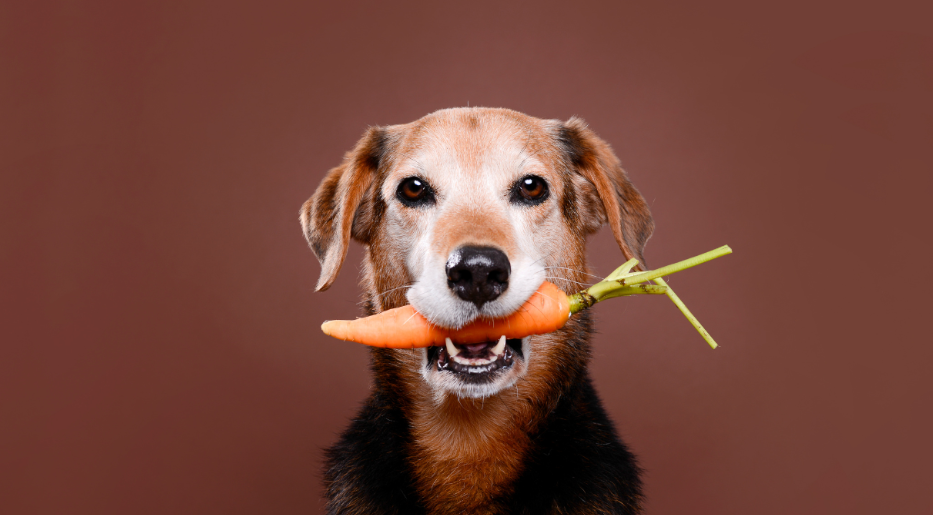
Vegetables Dogs Should not Eat (Avoid These!)
Adding vegetables to your dog’s diet can seem like a simple way to boost their nutrition and give them a tasty treat. After all, we love our greens, so why not share them with our furry friends? But not all vegetables are safe for dogs, and some can actually be harmful or even toxic.
Before you toss your pup a carrot or sneak them a bite of your salad, it’s important to know which veggies are safe and which ones should be avoided entirely. Understanding these risks helps you keep your dog healthy, happy, and free from any unwanted tummy troubles. In this guide, we’ll walk you through the top vegetables that can be dangerous for dogs and give you the knowledge to feed your pup safely.
1. Onions
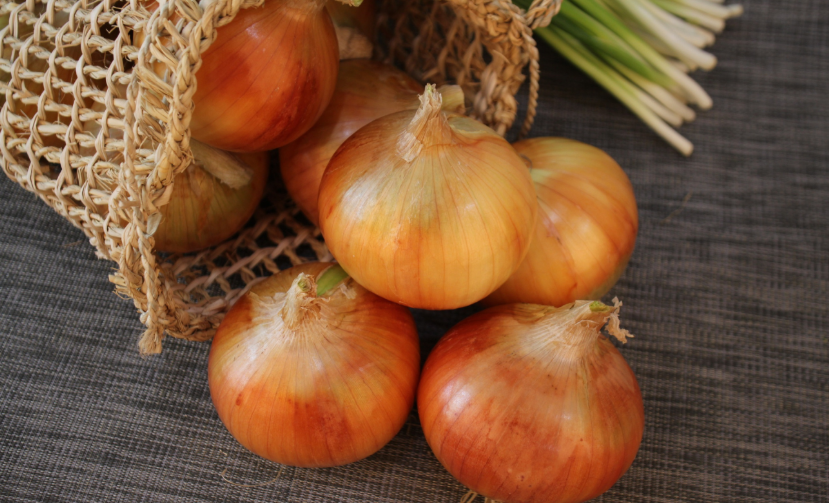
Onions are one of the most dangerous vegetables you can accidentally give your dog, and they should never make it anywhere near their bowl. Whether they’re raw, cooked, or even in powdered form, onions contain compounds that are toxic to dogs. When a dog consumes onions, these compounds attack their red blood cells, which can lead to anemia—a serious condition that makes your dog feel weak, tired, and listless. If your dog ever nibbles on onions, watch for signs like vomiting, unusual lethargy, or weakness. The moment you notice any of these symptoms, it’s critical to contact your veterinarian. Even small amounts can cause harm, so keeping onions completely out of reach is the safest approach.
2. Garlic
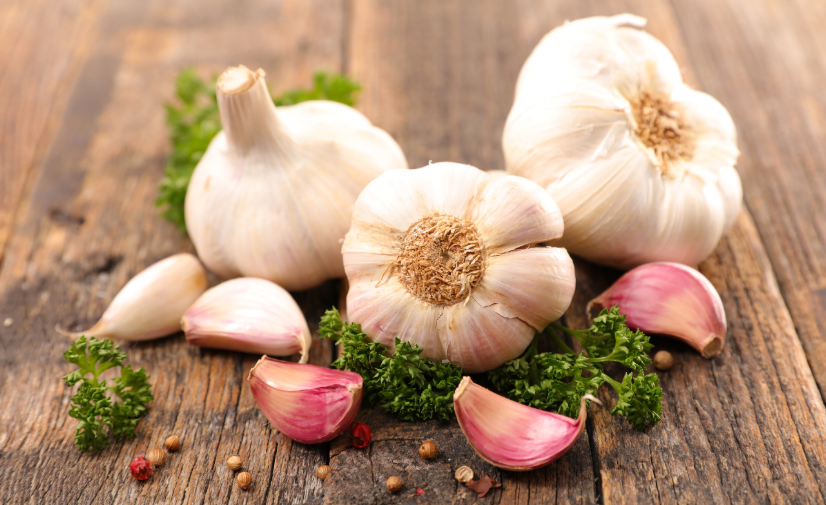
Garlic may seem harmless or even healthy, but for dogs, it’s risky business. It contains similar compounds to onions, which can upset your dog’s stomach and damage their red blood cells. Even a tiny piece of garlic can be enough to trigger health issues. Dogs that eat garlic may drool excessively, lose their appetite, or show signs of stomach upset. Because the effects can be serious, it’s best to avoid giving garlic in any form, whether in cooked meals, sauces, or powdered seasonings. Your dog’s health is much safer when garlic is completely off the menu.
3. Mushrooms
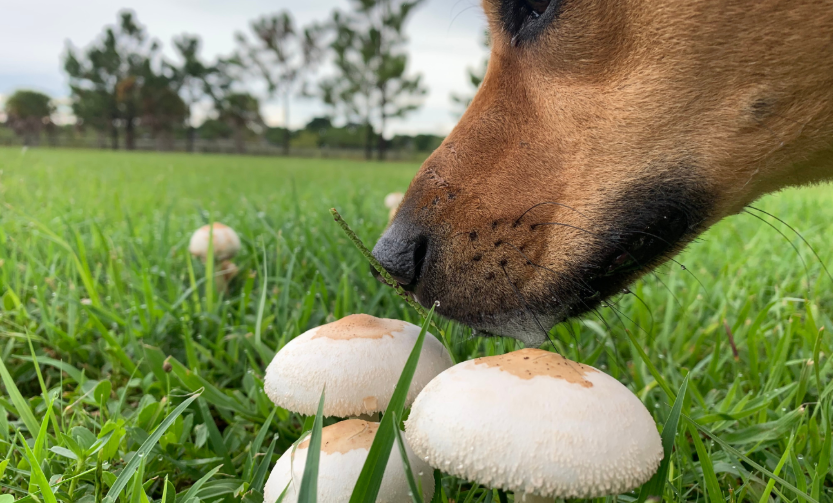
Mushrooms are tricky because while some types are safe, many are highly toxic to dogs. Wild mushrooms are especially dangerous, and even some store-bought varieties can cause severe issues. Eating a toxic mushroom can lead to extreme stomach problems, liver damage, or even death in severe cases. It’s simply not worth the risk. If you want to treat your dog with something safe, stick to vegetables and treats you know won’t harm them. Avoid mushrooms entirely to keep your dog safe and healthy.
4. Avocado

Avocados are a superfood for humans, but dogs react differently. They contain a substance called persin, which can irritate your dog’s stomach and, in larger amounts, lead to vomiting or diarrhea. Even small servings aren’t completely safe, so it’s best to keep avocados out of their diet altogether. While it might be tempting to share a bit of guacamole, remember that your dog’s digestive system handles some human foods very differently than ours, and avocados can cause more harm than good.
5. Tomatoes
Tomatoes may look like a harmless snack, especially when ripe, but they can still be a risk for dogs. Green tomatoes are particularly toxic due to solanine, which can upset the stomach and make your dog feel sluggish. Ripe tomatoes are somewhat safer, but even then, feeding them to your dog can still cause digestive discomfort. It’s far better to avoid tomatoes entirely and stick to vegetables that are proven to be safe for dogs. Your pup will thank you for keeping their tummy calm and healthy.
6. Corn on the Cob
Corn kernels themselves are generally safe for dogs, but the cob is a major choking hazard. Dogs may try to chew on the cob, and if swallowed, it can lead to intestinal blockage—a serious emergency that requires immediate veterinary attention. The best approach is to offer plain, fully cooked corn kernels without the cob. This way, your dog gets to enjoy a safe treat without risking choking or digestive complications.
7. Rhubarb
Rhubarb is a tart vegetable that dogs should never consume. It contains compounds that are toxic and can lead to drooling, vomiting, or diarrhea. Even small amounts can make your dog very uncomfortable, so it’s important to keep rhubarb completely out of their reach. Homemade treats should never include rhubarb, and you should ensure that your dog doesn’t have access to garden plants containing this vegetable.
8. Celery
Celery is a vegetable many people think of as safe, but it’s not ideal for dogs in large amounts. Its high fiber content can be tough on their digestive system, potentially causing an upset stomach or diarrhea. Some dogs may also struggle to chew it properly, which can make it a choking concern if offered in big pieces. If you want to share veggies with your dog, choose options that are easier to digest and gentler on their tummy.
9. Spinach
Spinach contains oxalates, which can interfere with calcium absorption in dogs and, if eaten in excess, may contribute to kidney problems. While a small amount is unlikely to cause immediate harm, it’s not a vegetable you want to make a regular part of your dog’s diet. Choosing safer, low-risk vegetables ensures your dog can enjoy treats without putting their organs under unnecessary stress.
10. Beet Tops
Beet tops are similar to spinach in that they are high in oxalates and can negatively affect your dog’s kidneys if consumed in large amounts. Even though they might seem like a healthy green option, it’s much safer to stick with vegetables that are proven to be safe for dogs. Avoiding beet tops eliminates any potential health risks and keeps your dog happy and healthy.
FAQ
Q: What should I do if my dog eats a harmful vegetable?
If you suspect your dog has eaten a toxic vegetable, contact your veterinarian immediately. They can guide you on the best course of action and determine if your dog needs medical treatment. Acting quickly can prevent serious health issues.
Q: How can I safely introduce new vegetables to my dog’s diet?
Start small. Introduce one vegetable at a time in tiny amounts and watch for any adverse reactions. Gradually increasing the portion size helps you know how your dog tolerates it. Always consult your vet if you’re unsure about a particular vegetable.
Q: Are there any safe vegetables that are good for dogs?
Absolutely. Carrots, green beans, and sweet potatoes are all excellent options. They’re nutritious, easy to digest, and can be given as treats or meal supplements without causing harm.
Q: Can dogs eat vegetables every day?
Vegetables should complement your dog’s regular diet and not replace their main meals. Offering them as snacks or side additions enhances nutrition, but high-quality dog food should remain the core of their diet.
Final Thoughts of Vegetables Dogs Should not Eat
Feeding vegetables to your dog can be beneficial and even fun, but knowing which ones to avoid is critical. Onions, garlic, mushrooms, and a few others can cause serious health issues and should never be fed. By sticking to dog-safe vegetables, you ensure your dog enjoys tasty, nutritious snacks without risking their health. Paying attention to what they eat is one of the simplest ways to keep your furry friend happy, energetic, and healthy.