
Can Dogs Eat Broccoli?
When I’m chopping vegetables in the kitchen, my dog always sits nearby waiting for a bite. That’s exactly when I first asked myself: can dogs eat broccoli, or should I keep it off their plate?
From my own routine with feeding dogs, I’ve learned broccoli can be a decent addition if handled properly. I’ve given it as a small treat and seen good results, but I’ve also noticed digestive issues when I didn’t control the portion carefully.
Broccoli can be a healthy, low-calorie treat for dogs when served correctly. It provides useful nutrients, but too much can upset their stomach. The key is to keep portions small and preparation simple.
Key Takeaways
- Dogs can eat broccoli in moderation without issues
- It contains fiber, vitamin C, and antioxidants
- Large amounts may cause gas or stomach discomfort
- Lightly cooked or soft broccoli is easier to digest
- Puppies can have it, but only in tiny portions
- Introduce slowly to monitor any reaction
Pro Tip
When I first started giving broccoli to my dog, I made the mistake of offering raw chunks that were too big. Now, I always chop it into very small, bite-sized pieces and lightly steam it. This simple step made a huge difference in digestion and prevented choking risks. I also mix it with their regular food instead of giving it alone, which helps avoid sudden stomach issues. Another thing I follow is the 10% rule—broccoli is just a treat, not a meal replacement. If I notice even slight gas or loose stool, I reduce the portion immediately. This trial-and-adjust method has worked best for me.
Related Posts
- If you want a complete and balanced meal, I highly recommend trying this broccoli and chicken homemade dog food recipe that I’ve personally found both nutritious and easy to prepare.
- For a quick and healthy snack option, you can check out these diced chicken thigh and broccoli bites for dogs and cats which work great as small training treats.
- When I need something simple yet tasty, I usually go with these homemade chicken and broccoli dog treats that are easy to make and well-loved by dogs.
The Good News: Broccoli Is Packed with Nutrients
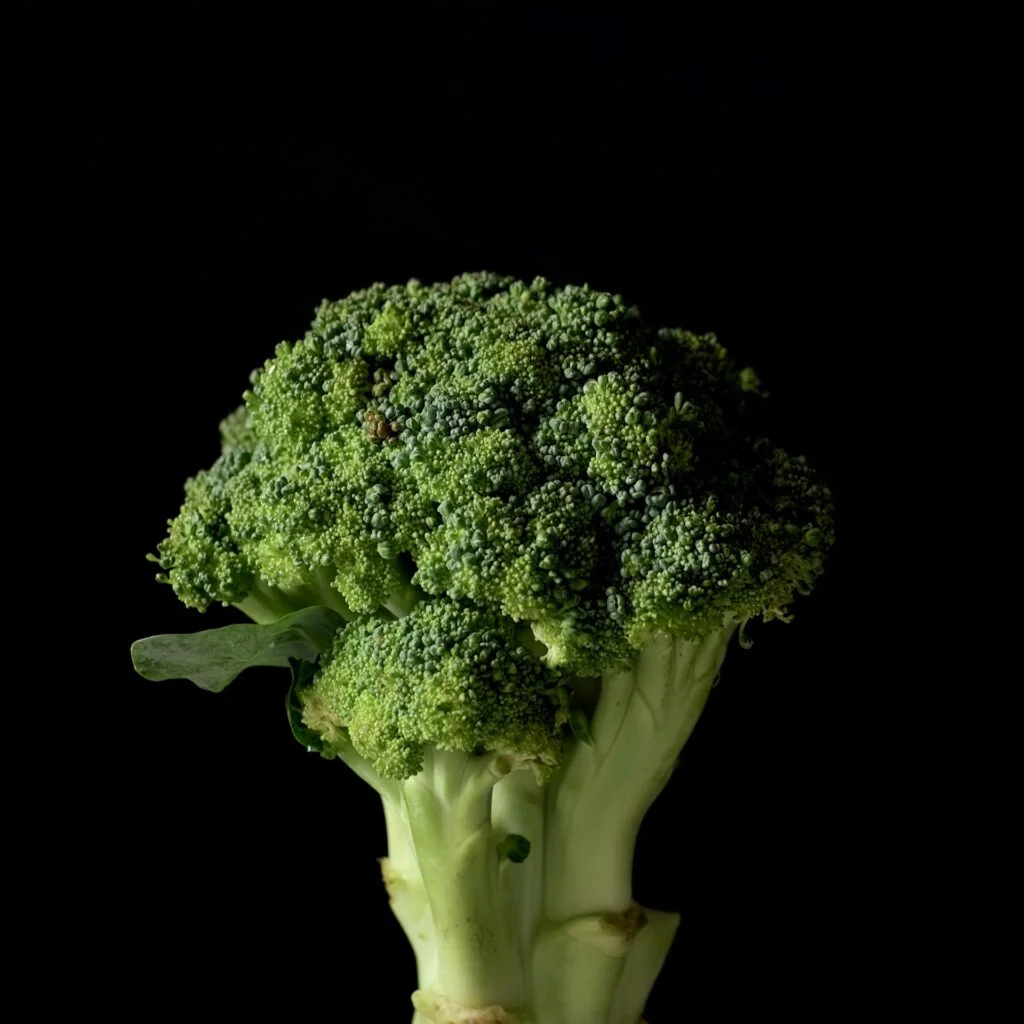
Broccoli isn’t just a superfood for humans—it’s a great veggie for dogs too. I often use it as a topper for meals or as an occasional treat for my dogs because it’s low-calorie yet nutrient-dense. Here’s why I recommend it:
Vitamins: Broccoli is high in vitamin C, which supports a healthy immune system, and vitamin K, which helps maintain strong bones. I’ve noticed over the years that dogs who get vitamin-rich veggies have fewer seasonal health issues.
Fiber: Dogs need fiber for proper digestion. Broccoli helps regulate the digestive tract and can prevent constipation. In studies, fiber-rich diets in dogs also support weight management—a key benefit for breeds prone to obesity.
Low in Calories: One cup of chopped broccoli has roughly 50 calories, making it an excellent snack for dogs that need to maintain or lose weight. I often recommend broccoli to owners of Labrador Retrievers or Beagles, who can easily gain excess weight.
Antioxidants: The antioxidants in broccoli fight free radicals and reduce inflammation. I’ve seen senior dogs with joint stiffness benefit from antioxidant-rich diets alongside regular exercise.
But Wait: There’s a Catch

While broccoli is generally safe, it contains isothiocyanates, natural compounds that can irritate some dogs’ digestive systems. Small amounts are harmless, but too much can cause gas, bloating, or diarrhea. Rarely, very large quantities may create more serious issues.
Safe Portion: Broccoli should not exceed 10% of your dog’s daily diet. A few small florets or a teaspoon chopped over their food is more than enough.
How to Safely Feed Broccoli to Your Dog
Start Small: Introduce broccoli slowly, especially if your dog hasn’t tried it before. Begin with one small floret and monitor for any digestive upset.
Cooked or Raw: Dogs can eat broccoli raw or lightly steamed. I prefer steaming because it softens the vegetable without destroying too many nutrients, making it easier for your dog to digest.
No Seasonings: Avoid butter, salt, garlic, or other spices. Garlic and onions are toxic to dogs, and too much salt can harm kidneys. Plain broccoli is safest.
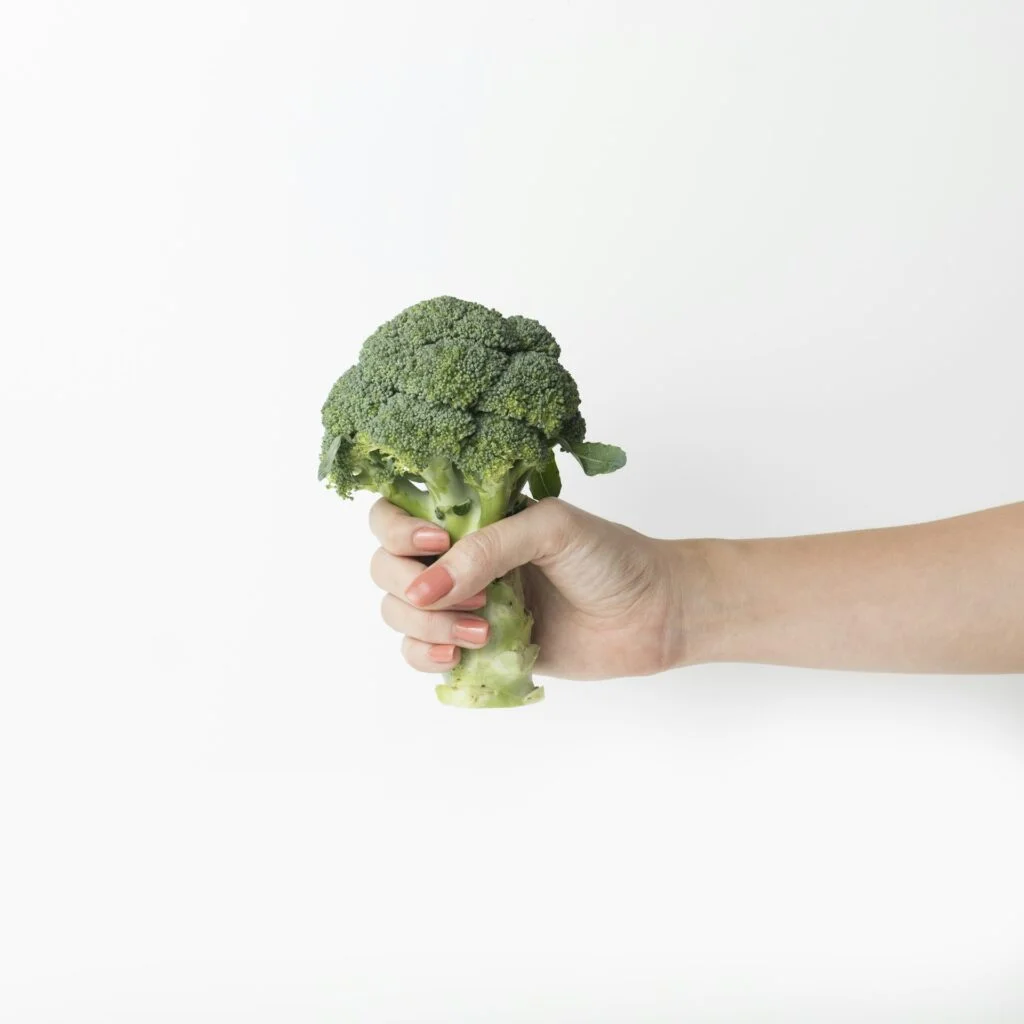
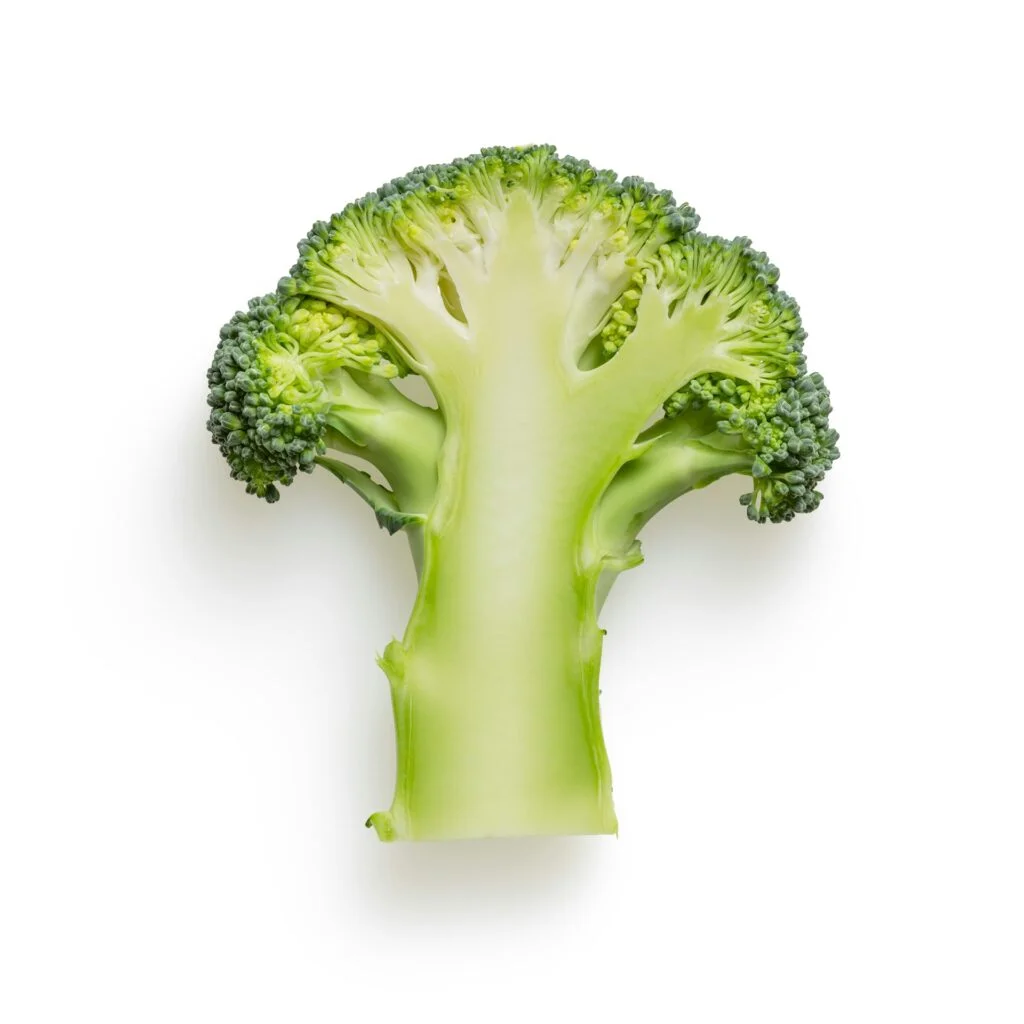
Chop It Up: Cut broccoli into bite-sized pieces, particularly for small dogs or fast eaters, to reduce choking risks. I avoid the stalks—they’re tougher to chew and digest.
Are There Any Risks?
Even with proper preparation, a few risks remain:
Digestive Upset: Sensitive dogs may experience gas, bloating, or loose stools if broccoli is overfed. Always monitor their reaction.
Choking Hazard: Large pieces or stalks can cause choking, especially in small breeds or dogs that eat quickly.
Allergies: Though rare, some dogs may have allergies to broccoli. Signs include itching, swelling, or vomiting. If observed, stop feeding immediately and consult a vet.
Puppies and Broccoli
Puppies can safely eat broccoli, but their digestive systems are delicate. Introduce very small amounts and watch for tolerance. Occasional small bites can be a healthy treat but should never replace a balanced puppy diet.
Broccoli Alternatives for Dogs
Not every dog loves broccoli, and I’ve found that variety is important. Here are other healthy veggies I use regularly:
Carrots: Sweet, crunchy, and packed with beta-carotene, great for vision.
Green Beans: Low in calories, high in fiber, and excellent for weight control.
Sweet Potatoes: Rich in vitamins A and C, easily digestible when cooked, and often loved by picky eaters.
Rotating vegetables keeps mealtime exciting and ensures your dog gets a broad range of nutrients.
If you’re looking for a more balanced meal idea, I’ve personally tried this broccoli and chicken homemade dog food recipe, and it’s been a great option when I want something nutritious and simple to prepare:
Wrapping It Up
So, can dogs eat broccoli? Absolutely! With the right portion, preparation, and moderation, broccoli is a nutritious and low-calorie addition to your dog’s diet. From my 20+ years of experience, I’ve seen dogs benefit from its vitamins, fiber, and antioxidants.
The next time you’re prepping broccoli for your meal, feel free to share a little with your furry friend—they’ll love the crunch, and you can rest easy knowing it’s a healthy treat. 😊
All content on this site is written and reviewed by our experienced team to ensure it is accurate, reliable, and helpful for our readers. Our Our Process page explains how we carefully research and create high-quality content, while our Team page introduces the professionals behind our work. We also provide clear guidelines for content or image concerns on our Image Removal page, so you can trust that we prioritize transparency, quality, and reader safety.