How to Train Your Dog to Be Alone (Without the Meltdowns)
Getting a dog is one of the most joyful things, but suddenly realizing that they watch your every move—even trips to the bathroom—can be overwhelming. Those big, sad eyes staring at you are cute, no doubt about it, but living like this constantly isn’t sustainable for you or your dog. Dogs are social creatures, and while they love spending time with you, it’s important for their mental health to learn how to enjoy being on their own sometimes. If you don’t, they can develop separation anxiety, which can lead to stress, destructive behavior, and even health issues.
Training your dog to handle alone time doesn’t happen overnight. It’s a step-by-step process, and the key here is patience and consistency. Think of it like teaching a child how to sit quietly in a room while you do something else—they need small, gradual lessons that build confidence and trust.
Start Small (Like, Really Small)
Imagine leaving a clingy toddler alone in another room for hours—you wouldn’t do it. The same goes for your dog. You need to start extremely small and slowly build up their independence. The first step is as simple as leaving the room for just one or two minutes. Yes, literally just stepping out.
If your dog panics or follows you frantically, don’t worry—that’s normal. It simply shows that they aren’t ready yet and need to start from the very beginning. Once they can handle a few minutes, you gradually increase the time: five minutes, then ten, then twenty. Always go at your dog’s pace.
When you leave, make it casual. No dramatic goodbyes, no lingering hugs. Just walk out calmly and return the same way. Your dog doesn’t need a soap opera moment every time you step away. Keeping it casual helps them understand that your departures are normal and nothing to stress about.
Create a Safe Space
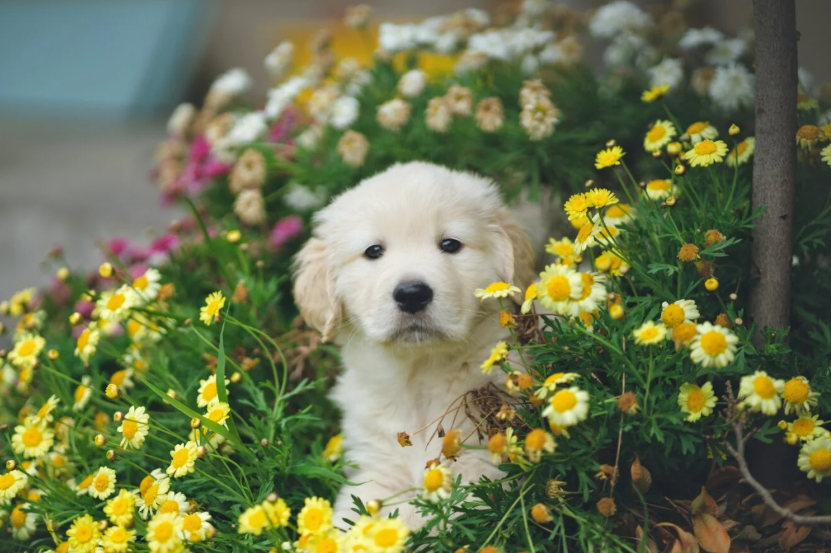
Dogs feel more secure when they have a designated safe area to retreat to. If your dog sees the whole house as their territory, leaving can feel like abandonment. A comfortable, defined space helps them relax while you’re away.
Crate: Some dogs naturally take to a crate because it feels like a cozy den. It should never be used for punishment, only as a safe and inviting spot.
Specific Room: If your dog prefers more space, set up a room with their bed, toys, and maybe an item of your clothing that carries your scent. This gives them familiarity and comfort.
Calm Music or White Noise: Complete silence can be unsettling for some dogs. Playing soft music or white noise can help them feel calmer and more secure.
Toys, Puzzles, and Treats (Healthy Distractions)
Being left alone with nothing to do can be boring and stressful for your dog, so keeping them mentally stimulated is crucial. Using toys, puzzles, and treat-filled activities can turn alone time into something enjoyable.
Stuffing a Kong toy with peanut butter or yogurt keeps your dog busy for a while. Puzzle toys challenge their brain, often tiring them more than a long walk would. Chew toys are perfect for dogs who get anxious or destructive when bored.
Here’s the trick: only give these special toys when you leave. This way, your dog starts associating your absence with something positive and rewarding rather than scary or sad.
Practice the “Fake Leaving” Trick

Some dogs start panicking as soon as they hear your keys jingling. To break this habit, you can desensitize them to departure cues.
Pick up your keys, put on your shoes, walk to the door, and then… just sit back down. Do this repeatedly so your dog realizes that these cues don’t always mean you’re leaving for a long time. Over time, this helps reduce anxiety and prevents overreactions when you actually do step out.
Keep Departures and Returns Low-Key
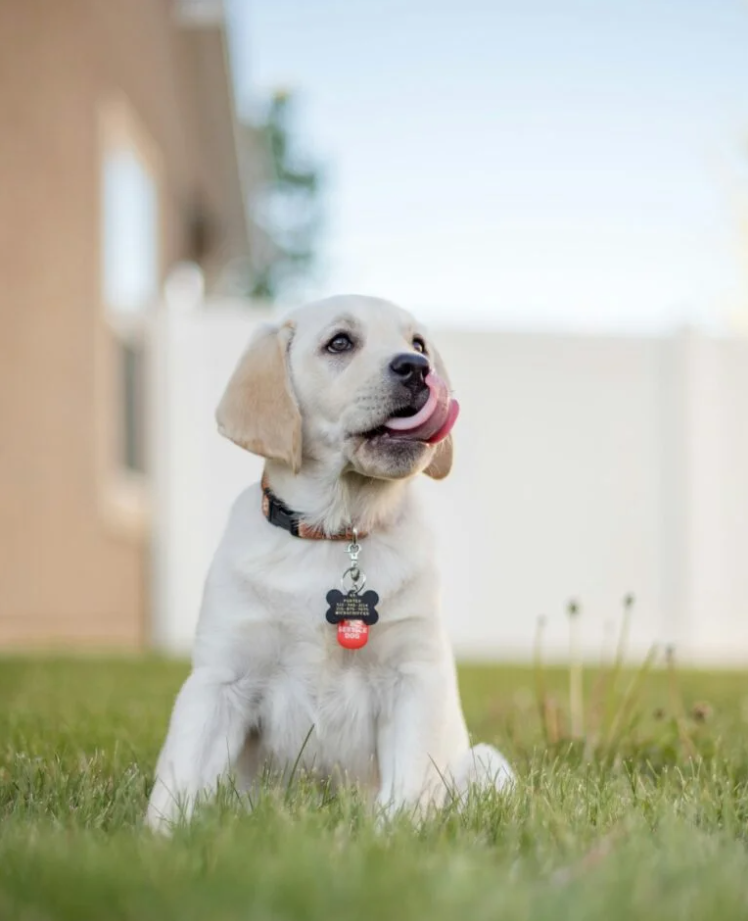
If you make a huge deal every time you leave or return, you’re reinforcing your dog’s anxiety. Instead, treat departures and arrivals casually. Leave calmly, return calmly, and don’t immediately shower your dog with attention. Reward them for calm behavior, not jumping or bouncing around like a hyper puppy.
This approach teaches your dog that your leaving and coming back are normal parts of the day, not events to get stressed about.
Get That Energy Out First
A tired dog is a relaxed dog. If you expect your dog to sit quietly while you’re gone but haven’t given them any physical or mental exercise, you’re setting both of you up for frustration.
Before leaving, take them for a long walk, let them sniff around, or play a quick game of fetch. You can also do a short training session—mental stimulation can tire a dog out just as much as running around. The goal is to have your dog ready for a nap or calm relaxation while you’re away.
Consider a Dog Walker or Doggy Daycare
Sometimes, your dog might need extra support, especially if you’re gone for long periods. A midday dog walker can prevent boredom and accidents, while doggy daycare offers social interaction for dogs that crave companionship. Even a trusted neighbor or friend checking in can make a huge difference in your dog’s comfort and mental health.
Don’t Reinforce Clinginess
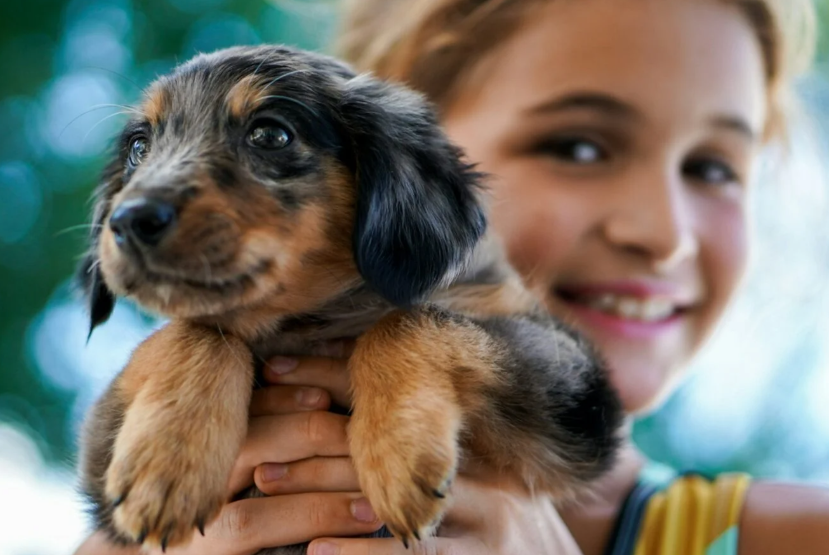
It might be hard to admit, but sometimes we unintentionally train our dogs to be velcro pets. Constantly following them around, giving attention whenever they demand it, or allowing them on your lap all the time can contribute to separation anxiety.
Encourage independence by rewarding your dog when they spend time in another room. Don’t respond to every attention-seeking behavior. Gently guide them to relax on their own and gradually build confidence being apart from you.
Be Patient – Seriously
Fixing separation anxiety or teaching your dog to be alone takes time. Some dogs improve in a few weeks, others take months. Consistency is the most important factor. Stick to your routine, avoid rushing the process, and celebrate the small victories along the way. Over time, you’ll notice that your dog is calmer, more relaxed, and confident being on their own.
Conclusion of How to Train Your Dog to Be Alone
Training your dog to enjoy alone time isn’t just about making your life easier—it’s about creating a happy, confident dog. By giving them the tools, structure, and support they need, you’re setting them up for success. A dog who knows you’ll always come back and can be calm when alone is a dog who’s truly thriving.
Your first step? Pick one small action today—maybe stepping out of the room for a minute—and start building independence. You’ll both benefit, and your dog will learn that alone time isn’t scary—it’s just another part of the day.