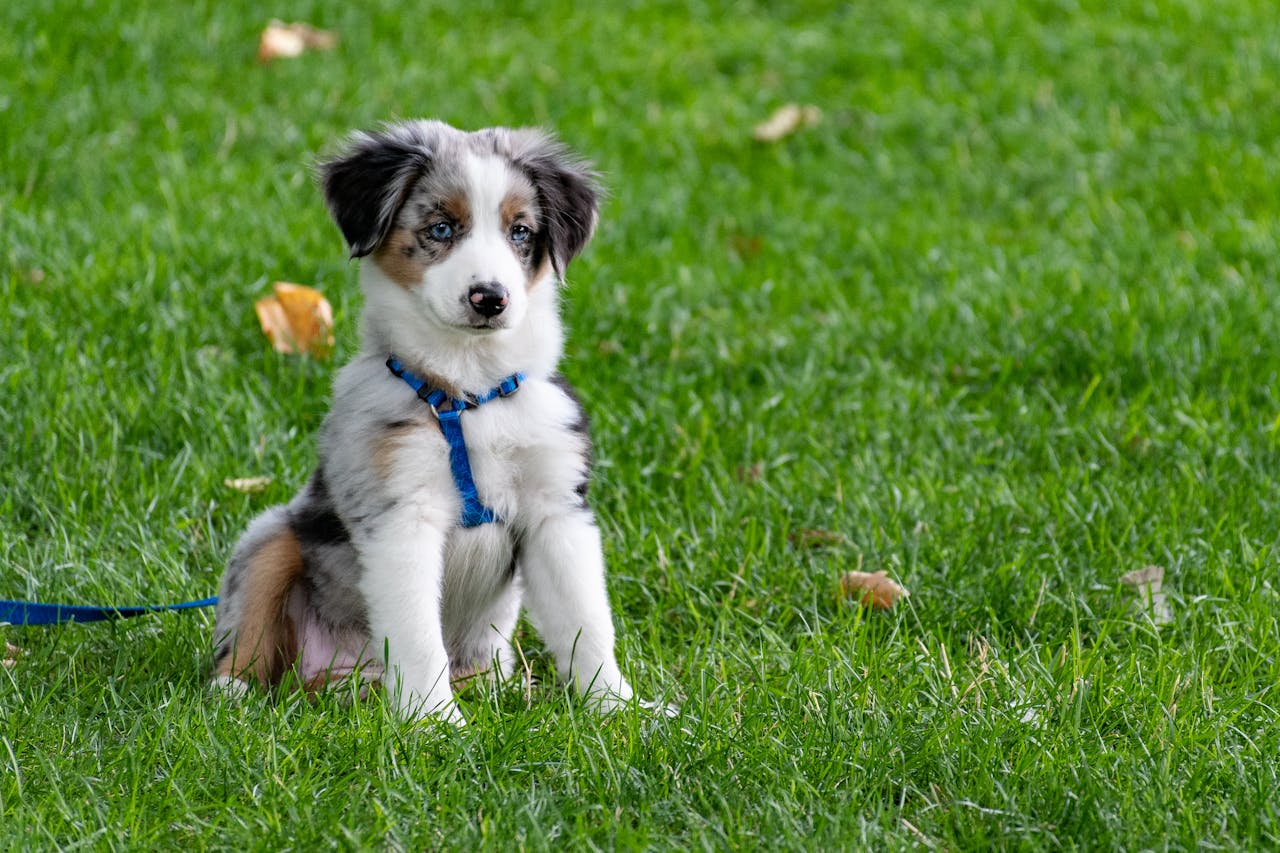
Your First 24 Hours With A New Puppy – What To Do?
Bringing home a puppy is a moment you’ll never forget, but those first few hours can raise a lot of questions. When I experienced the first 24 hours with a new puppy, I wasn’t sure where to begin or how to help my puppy feel comfortable in a completely new place. I quickly learned that a calm routine and a little patience make those first hours much smoother for both you and your new companion.
If you’re wondering what you should do first, you’re not alone. I found that focusing on simple things like creating a quiet space, introducing a potty routine, and giving my puppy time to adjust made a huge difference. Those small steps helped build trust right away and made the transition into our home much less stressful.
Save For Later

Key Takeaways
- Prepare your home before your puppy arrives.
- Keep the first day calm and free from too many visitors.
- Start a consistent potty routine immediately.
- Create a safe, quiet space for your puppy to rest.
- Introduce food, water, and gentle play at a comfortable pace.
- Begin building trust with patience and positive interactions.
Pro Tip
One thing that helped me was keeping the first day as quiet as possible. I avoided introducing my puppy to too many people or new experiences all at once. I took frequent potty breaks, even if nothing happened every time. I rewarded calm behavior with praise and a small treat instead of overwhelming my puppy with excitement. Keeping a familiar blanket or toy nearby also helped my puppy settle in faster. Those first calm hours made the following days much easier.
Other Posts
- How to Stop Puppy Biting: A Comprehensive Guide
- Puppy Necessities for First-Time Dog Owners
- Puppy Training Schedule by Age
1. Prepare Your Puppy Zone
Before I bring a puppy home, I always prepare their space in advance. Puppies explore the world with their mouths, and anything within reach is fair game. Creating a dedicated puppy zone keeps them safe and helps them settle faster.
Must-Haves for Day One:
I always start with a comfortable bed so they have a place that feels like theirs from the beginning. A crate is essential—not as confinement, but as a safe retreat. Puppy pads are a reality saver during the first few weeks, because accidents are guaranteed. Toys are non-negotiable; chew toys help with teething, while soft toys offer comfort. I prefer sturdy, easy-to-clean food and water bowls, and I stick with the same puppy food they were eating before coming home to avoid digestive upset.
Puppy-Proofing 101:
Over the years, I’ve learned that prevention beats correction. I remove cords, shoes, small objects, and anything toxic to dogs, including certain plants. I block off rooms using gates so the puppy isn’t overwhelmed. Puppies do best when their world starts small and expands gradually.
2. Introduce Them to Their New Home
When I bring a puppy home, I resist the urge to let them explore everything at once. Puppies process new environments slowly, and too much stimulation can cause anxiety.
I start by showing them their puppy zone first—the bed, crate, water bowl, and potty area. Once they seem relaxed, I introduce one new area at a time. I keep voices calm, movements slow, and the environment quiet. In my experience, a peaceful first impression helps puppies feel secure much faster.
3. Establish a Potty Routine (Immediately)
Potty training begins the second your puppy comes home. Puppies have very small bladders, and research shows most young puppies can only hold urine for one hour per month of age.
I take my puppy outside immediately upon arrival, then every 1–2 hours after that, including during the night. I always use the same outdoor spot because dogs learn through repetition and scent association. When they go in the right place, I praise enthusiastically.
One thing I never do is punish accidents. In 20 years, I’ve seen punishment delay potty training more than any other mistake. Calm cleanup and consistency work far better.
4. Introduce Them to Their Crate
Crate training has been one of the most valuable tools I’ve used with every puppy. A properly introduced crate becomes a comfort zone, not a punishment.
I line the crate with soft bedding and place it where the puppy can see and hear me. I leave the door open at first and encourage exploration with toys or treats. Over time, I slowly increase crate time, always keeping the experience positive. Puppies that feel safe in their crate tend to sleep better and develop independence sooner.
5. Set Meal Times
Puppies burn energy fast, and structured feeding supports healthy growth. Most puppies under 12 weeks need three to four meals per day.
I stick to consistent times because dogs thrive on routine. Feeding schedules also make potty training easier since digestion follows predictable patterns. According to veterinary nutrition guidelines, free-feeding can increase the risk of obesity and digestive issues later in life.
Portion control matters, even when they act hungry all the time—which they will.
6. Socialize, But Slowly
Socialization doesn’t mean exposure to everything at once. In my experience, slow and positive introductions build confident dogs.
On day one, I limit interactions to immediate family members and allow the puppy to approach at their own pace. I might introduce a leash, a mirror, or a new toy. I avoid dog parks, pet stores, and crowded environments early on, as puppies are still developing immune protection and emotional resilience.
7. Bond With Playtime
Play is one of the fastest ways to build trust. Puppies learn through play, and it helps burn energy that might otherwise turn into destructive behavior.
I keep play sessions short and gentle. Tug games, soft fetch, and calm cuddling all strengthen the bond. Puppies that feel safe playing with their owner tend to develop stronger recall and better responsiveness during training.
8. Plan for Bedtime
The first night is often the hardest. Puppies cry not because they’re being difficult, but because they’re adjusting to being alone for the first time.
I always make sure the puppy has had playtime and a potty break before bed. I place the crate in my room so they feel secure. Gentle background noise can help, and I stay consistent. In my experience, consistency shortens nighttime crying significantly within a few days.
9. Monitor Their Health
Puppies are vulnerable during the first weeks. I closely watch for signs like vomiting, diarrhea, low energy, or refusal to eat. Early detection can prevent serious issues.
I also schedule a vet visit within the first week. According to veterinary data, early checkups help catch parasites, congenital issues, and vaccination needs before they escalate.
10. Enjoy Every Moment
After raising many puppies, I can tell you this stage goes by faster than you think. The accidents, sleepless nights, and constant supervision are exhausting—but they’re temporary.
What lasts is the bond you’re building right now. Take photos, enjoy the clumsy moments, and give yourself grace. You’re learning together, and that’s part of what makes the journey so special.
All content on this site is written and reviewed by our experienced team to ensure it is accurate, reliable, and helpful for our readers. Our Our Process page explains how we carefully research and create high-quality content, while our Team page introduces the professionals behind our work. We also provide clear guidelines for content or image concerns on our Image Removal page, so you can trust that we prioritize transparency, quality, and reader safety.