14-Day Dog Training Plan for Beginners
Bringing a new dog into your life can be exciting, confusing, and sometimes downright overwhelming. Whether it’s a playful puppy bounding around like a tiny tornado or an older dog with a history you know nothing about, the thought of training can make anyone feel lost. But here’s the truth: you don’t need to be a professional dog trainer or have a special degree to get your dog to listen. What really matters is patience, consistency, and a lot of treats—seriously, more treats than you think. Training isn’t about perfection; it’s about building a connection, teaching clear communication, and learning to understand each other.
With a little daily focus, even just 10–15 minutes at a time, you can start shaping your dog into a polite, responsive, and happy companion. Let’s take it day by day.
Day 1–2: Name Recognition & Eye Contact

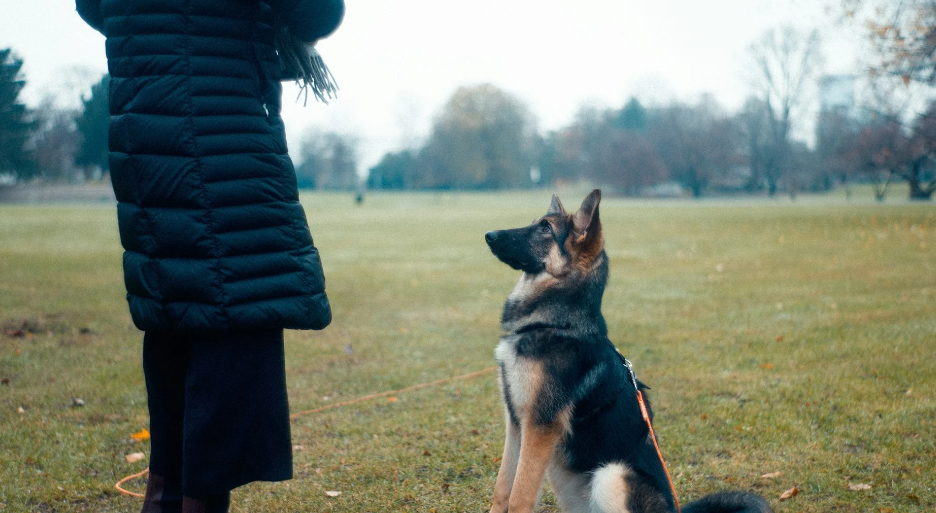
Before your dog learns sit, stay, or any other command, they need to understand one very simple thing: their name matters. This is the foundation of every interaction you’ll have. When you call their name, they should look at you. Nothing else.
Start by saying their name in a happy, upbeat tone. The moment they make eye contact, reward them like it’s the best achievement ever—treats, praise, excitement—whatever makes them feel like a superstar. Repeat this several times throughout the day, but don’t overdo it. And one important rule: never use their name when you’re angry or frustrated. Otherwise, they’ll associate it with trouble, not attention.
Eye contact is more than just cute—it’s how your dog tunes into you and starts to follow guidance naturally.
Day 3–4: Sit Happens (Literally)

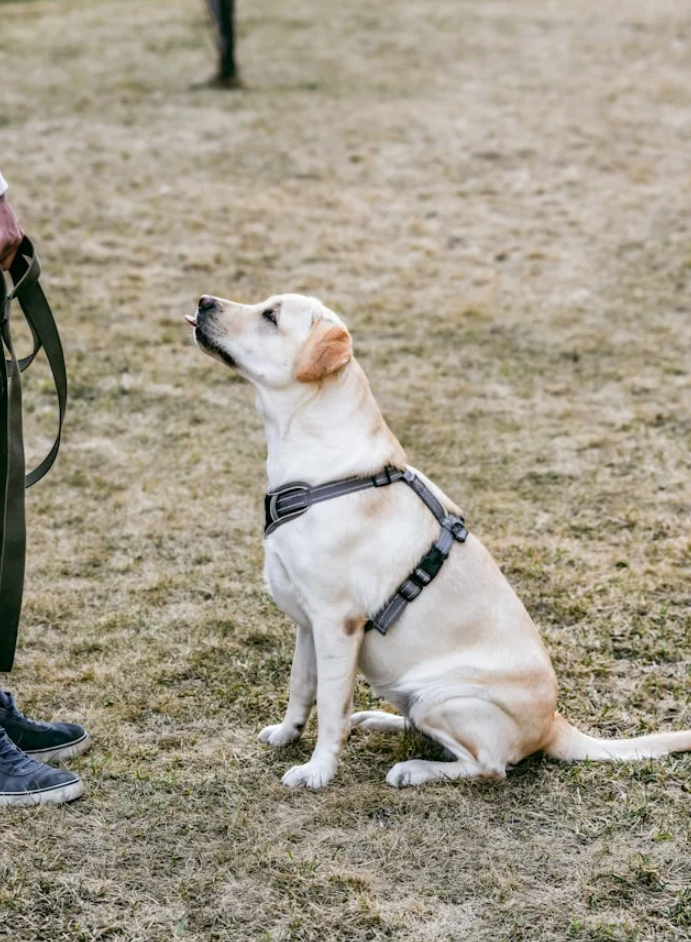
The sit command is the gateway to all good behavior. Think of it as the “pause button” for life with a dog. Overexcited? Sit. About to jump on a guest? Sit. Ready to launch off the couch like a rocket? Sit.
Hold a treat close to their nose, then slowly move your hand upward. As their head follows the treat, their bottom naturally lowers to the ground. The instant they sit, mark it with a “Yes!” or a click, and give them a treat. Never push their body down—dogs are not furniture, and it won’t teach them anything except mistrust.
Consistency here builds the habit, and within a couple of days, your dog will start sitting automatically, just for the promise of praise or a treat.
Day 5–6: Down (Nope, Not the Sad Kind)
The down command is all about calm control. It’s useful when you want your dog to relax during mealtime, visitors, or your third Zoom call of the day.
Start with your dog sitting, then take a treat and slowly move it from their nose down to the floor and slightly forward. Most dogs will naturally follow and lie down. As soon as they’re on the floor, praise and reward them enthusiastically. Some dogs might need a slower pace to understand what you’re asking. Patience is key—rushing will only confuse them.
Day 7: Stay (Yes, Even With Pizza Around)

Stay is a lifesaver when your dog’s default mode is chaos. This teaches them self-control and helps in situations where you need a pause.
Ask your dog to sit or lie down, then show a hand signal like a stop sign while saying “stay.” Take one small step back and reward them if they hold still. Gradually increase distance, step by step, but don’t rush it. Short, success-filled sessions work best—both your patience and theirs have limits.
Day 8: Come (aka “Put Down That Dead Bird and Get Over Here”)
The come command, or recall, is essential for safety. Yes, your dog might pretend they didn’t hear you, especially if a squirrel is involved—but that’s normal.
Start in a quiet space. Call their name with enthusiasm and a cheerful “come!” When they reach you, reward them with high-value treats—chicken, cheese, or anything that makes them drool. Practice in different rooms, then gradually move outdoors with a leash or long line. Add distractions slowly so your dog learns to focus on you no matter what’s happening around them.
Day 9–10: Loose Leash Walking (Not “Drag Me Across Town” Mode)
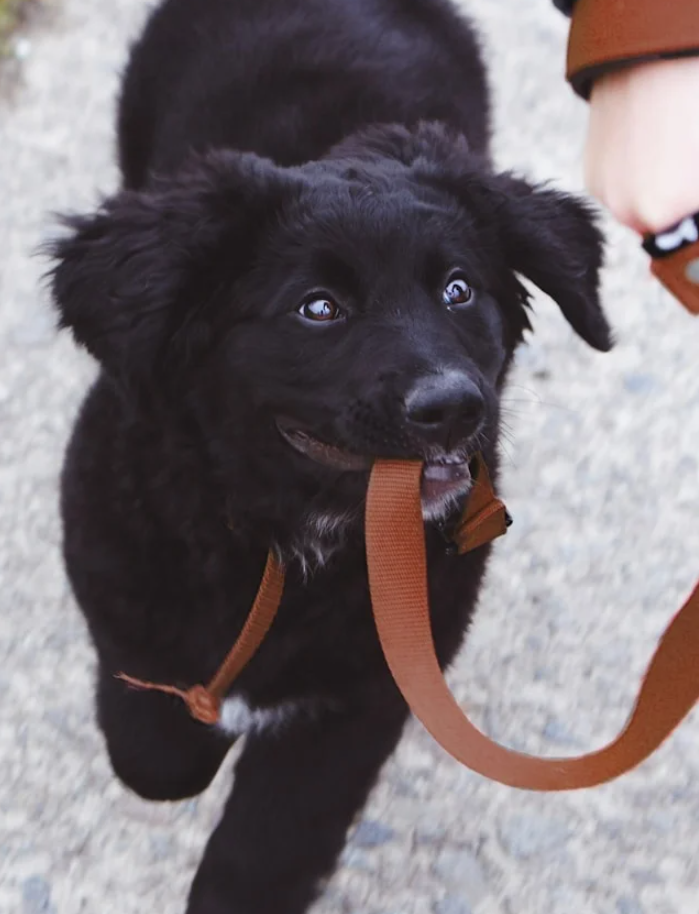
Walking politely on a leash isn’t instinctive. If you let your dog pull, they’ll think it’s normal. Loose leash walking takes patience and consistency.
Start walking. The second your dog pulls, stop. Call them back and only resume moving when the leash is slack. Yes, it can be frustrating, and yes, passersby might stare, but eventually your dog will understand that pulling equals no forward movement. This teaches them manners and makes walks enjoyable for both of you.
Day 11–12: Leave It (a.k.a. “Don’t Eat That Gross Thing”)
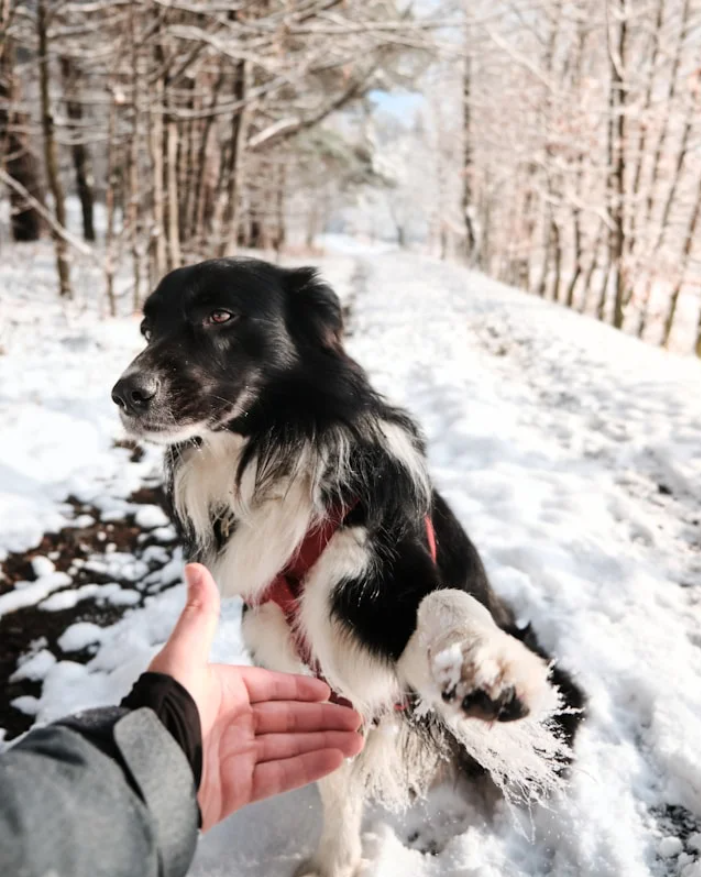
Every dog encounters tempting things on the ground—gum, trash, mystery objects. Leave it is the command that prevents disaster.
Hold a treat in a closed fist and say “leave it.” Let your dog sniff, paw, or lick, but don’t open your hand. When they look away, reward them with a treat from the other hand. This shows that ignoring temptation leads to a better reward, teaching self-control in a very positive way.
Day 13: Wait (Patience, Grasshopper)
Wait is slightly different from stay. It’s about short pauses—at doors, in the car, or before meals.
Place your dog’s food bowl down and say “wait.” If they move forward, lift the bowl. Repeat until they pause, then say “okay” and let them eat. This command builds impulse control, which most dogs need practice with.
Day 14: Put It All Together (aka “I Trained My Dog and Didn’t Cry”)
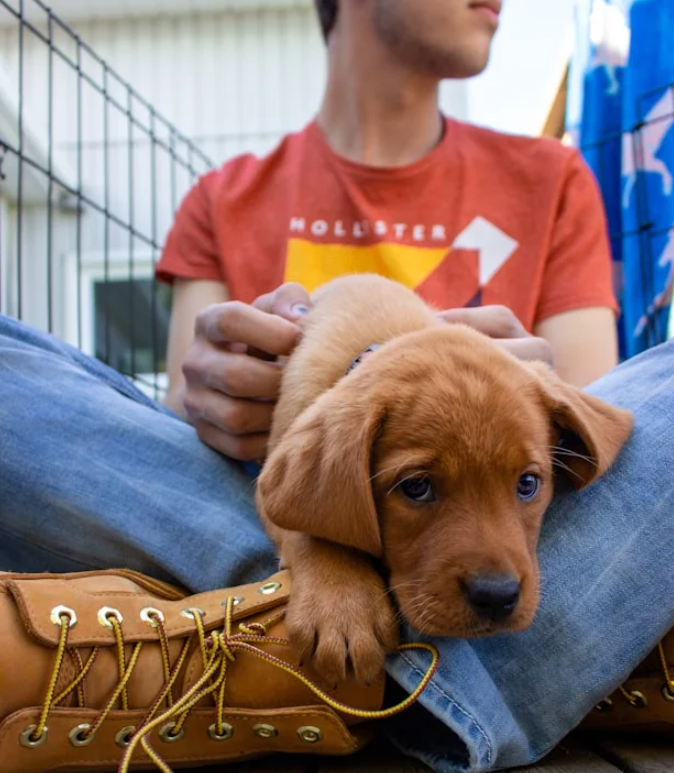
After two weeks, you’ll see real progress. Combine commands in real-life situations: sit and stay at the door, come and down in the park, leave it and wait near food. Keep sessions short, end on a success, and reward effort generously. Variety keeps your dog engaged and prevents boredom.
Extra Tips to Keep You (and Your Dog) Sane
Use High-Value Treats: Regular kibble is fine for basics, but for distractions like squirrels, trucks, or tempting food, bring out the big guns—chicken, cheese, or hot dogs.
Keep Sessions Short: Five to ten minutes works better than long, frustrating drills. Think of it like speed dating for learning—quick, fun, and effective.
Avoid Training When Cranky: Dogs can sense your mood. Skip training if you’re frustrated, tired, or hangry. Energy matters.
End on a High Note: Always finish with something your dog can do successfully. Reward effort and end positively.
Expect Setbacks: Some days will feel like starting over. That’s normal. Training isn’t linear—it’s messy, unpredictable, and sometimes hilarious.
Final Thoughts of 14-Day Dog Training Plan for Beginners
Training isn’t about creating a perfect dog; it’s about building communication, understanding, and trust. Give yourself grace and give your dog time. Two weeks of focused effort can accomplish more than months of yelling “no.” Celebrate small victories, enjoy the bonding process, and yes—keep the treats handy.
With patience, consistency, and a lot of positive reinforcement, you and your dog can start this journey on the right paw.