How to Train a 1-Year-Old Dog Without Losing Your Mind
Bringing a dog to the one-year mark is both exciting and challenging. You’ve survived the whirlwind puppy stage, and now your furry friend has grown into a confident, curious, and sometimes mischievous teenager. At this age, their energy is high, their curiosity is endless, and their independence can test your patience—but it’s also the perfect time to strengthen your bond and shape them into a well-behaved adult.
I’ve trained several dogs through this stage, and I can tell you from experience that with the right techniques, consistency, and a little patience, you can turn their teenage energy into focus, obedience, and fun. In this guide, I’ll walk you through everything you need to know to train your one-year-old dog effectively, while keeping your sanity intact.
1. Understand Your Dog’s Teen Energy
So, your dog just hit the one-year mark. First of all, congratulations! This milestone means you’ve made it past the whirlwind puppy stage—the phase where your little furball was chaotic, unpredictable, and full of tiny tornado energy. Now, instead of a small dependent puppy, you’re living with a confident, curious, and sometimes stubborn teenager.
At this age, your dog’s energy is completely different. They’re no longer content to follow you around every second, yet they haven’t calmed down into adult maturity either. I’ve noticed that my dogs around this stage are incredibly curious, easily distracted by everything around them, and occasionally test boundaries just to see what they can get away with. It’s natural, and understanding this energy is the key to working with them instead of against them.
Training now isn’t about pushing your dog to perfection—it’s about patience, consistency, and lots of encouragement. Think of your dog like a teen: they might look like they’re ignoring you, but deep down, they want to get it right. The trick is giving them the right guidance while keeping your cool.
2. Master the Basics (or Refresh Them)
Even if your dog learned basic commands as a puppy, a refresher is crucial at this stage. Commands like sit, stay, come, and leave it form the foundation for everything else. When I revisit these with my own dogs, I always see improvement in their focus and responsiveness.
Short, Fun Sessions Work Best
One thing I’ve learned the hard way is that long training sessions overwhelm them. Young dogs have the attention span of, well, a goldfish sometimes! Keeping sessions to 5–10 minutes ensures they stay engaged and eager to participate. I like to end each session with a reward or a quick play break, which keeps them excited for the next session.
Use High-Value Rewards
I cannot stress this enough: treats matter. Forget the regular kibble—they’re not motivating enough at this age. When I train, I use tasty, high-value treats like small pieces of chicken or cheese. These rewards make my dogs focus intensely and help them understand exactly which behavior earns praise.
3. Leash Training: The Eternal Struggle
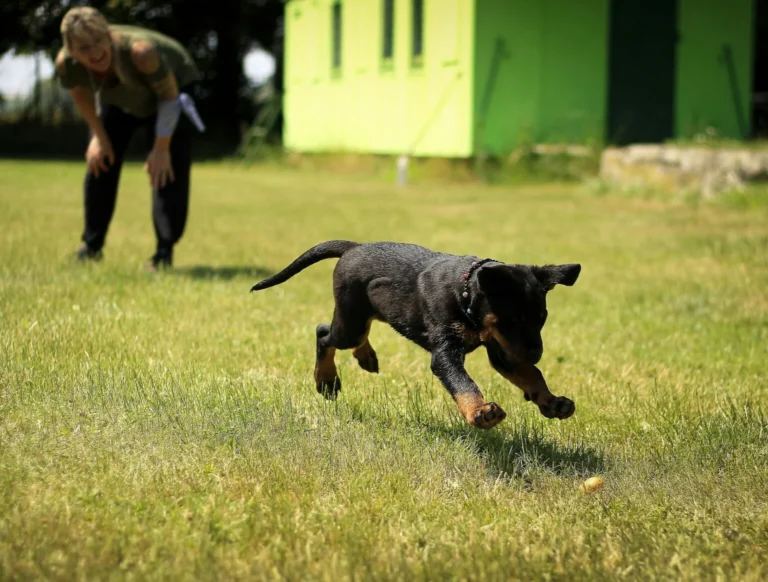
Walking a one-year-old dog on a leash can be a real challenge. At this stage, many dogs think a walk is just an opportunity to drag their human around the neighborhood. I’ve been there—it can feel exhausting! But with the right approach, you can teach them to walk calmly and confidently by your side.
Start in a Low-Distraction Area
Before attempting busy streets or parks, I always start in a quiet area—like my backyard or a calm street. It’s much easier to teach them proper leash manners without distractions. Whenever my dogs walk nicely by my side, I reward them immediately, which reinforces good behavior.
Stop Pulling Without Yanking
If they start pulling, I stop walking immediately. I don’t scold or yank the leash. I simply wait for them to return to my side. The first few times, they might test me, but eventually, they understand that pulling stops the fun and walking nicely keeps the adventure going.
4. Address Problem Behaviors
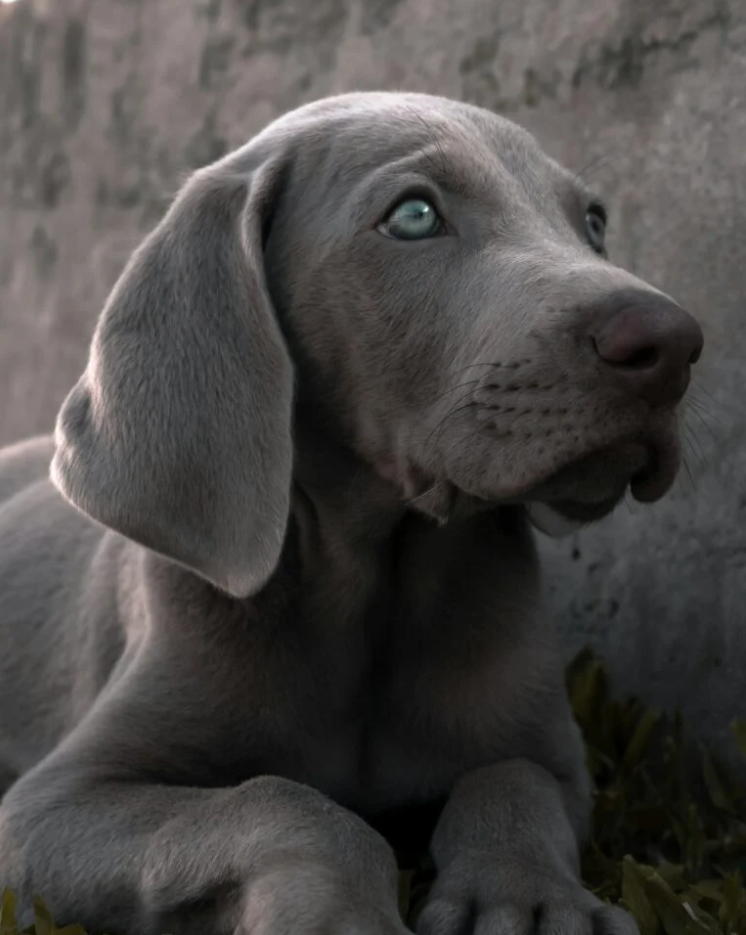
At one year old, some habits may still persist—jumping on visitors, chewing shoes, barking at everything that moves. I’ve definitely had days where I questioned my life choices because of these antics.
Redirect, Don’t Punish
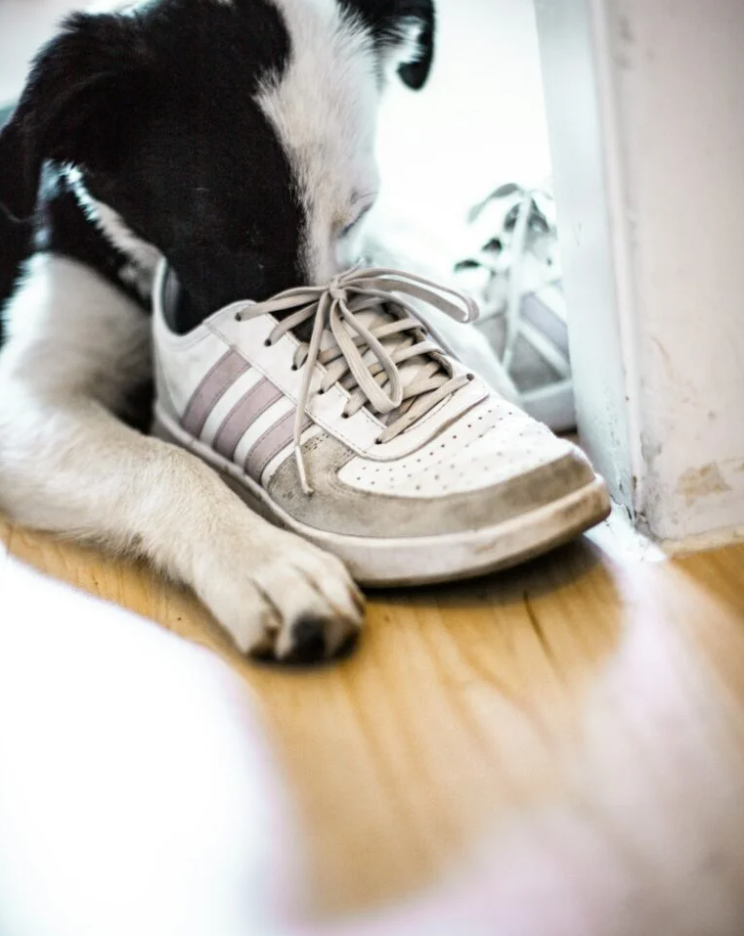
When my dogs display unwanted behavior, I don’t punish. I redirect their energy toward something positive. For instance, if they chew a shoe, I swap it for a chew toy and celebrate when they take it. This approach teaches them what is acceptable without creating fear or stress.
Stay Calm
Dogs are highly sensitive to human emotions. When I stay calm and assertive, my dogs respond better and faster. Yelling or losing my temper only makes them anxious or, worse, turns it into a game. Calm energy builds trust, which is far more effective than punishment.
5. Socialization: Yes, It’s Still Important
Even though your dog is no longer a puppy, socialization is far from over. At one year old, they are still learning to navigate new environments, people, and other dogs. Introducing them gradually helps build confidence and reduces stress in the long run.
Take Baby Steps
I always start small: a quiet park, a calm dog, or a friendly visitor at home. As my dogs get comfortable, I slowly increase the level of distractions. This careful approach allows them to build confidence at their own pace.
Watch Their Body Language
Dogs communicate constantly through their body. If I notice a tucked tail, ears back, or avoidance, I give them space. Pushing interactions can backfire, so I let them explore and approach when they feel ready. Over time, this method has made my dogs more social and relaxed in new situations.
6. Mental Stimulation: Wear Them Out Without Wearing Yourself Out
Physical exercise alone isn’t enough at this age. A mentally stimulated dog is just as tired—and often much calmer—than one who has had a long run. I’ve found that incorporating brain games makes a huge difference in their behavior.
Puzzle Toys and Brain Games
Interactive toys like treat puzzles or snuffle mats are lifesavers. I also hide treats around the house or teach short tricks. These activities engage their minds, prevent boredom, and strengthen our bond.
Teach New Tricks
Training doesn’t have to be all about obedience. Teaching tricks like roll over or spin not only challenges their brain but also makes training fun. My dogs love learning new tricks, and I love seeing their confidence grow.
7. Be Consistent (Seriously, Don’t Skip This)
Consistency is everything. Dogs thrive on routine and clear rules. I’ve seen behavior regress when one day a dog is allowed on the couch and the next day they are scolded. It confuses them.
Involve the Whole Family
Consistency requires everyone in the household to be on the same page. If one family member sneaks treats or allows misbehavior, it undermines your efforts. I make sure my whole family knows the rules and follows them, which keeps training effective and stress-free.
8. Patience and Progress Over Perfection
Training a one-year-old dog is about small victories, not instant perfection. Celebrate every success, whether it’s walking nicely on the leash, following a command without hesitation, or learning a new trick.
Keep It Light
I remind myself not to take things too seriously. Training should be enjoyable for both me and my dog. If either of us gets frustrated, I take a break and come back later. This keeps our bond positive and maintains motivation.
Final Thoughts of How to Train a 1-Year-Old Dog
Working with a one-year-old dog is like riding a rollercoaster—it can be unpredictable, tiring, and sometimes a little scary. But it’s also incredibly rewarding. The bond you build now through consistent training, patience, and love will last a lifetime.
Trust the process. Celebrate the small wins. And remember, a little humor and patience go a long way. You’re shaping your dog into the well-behaved, confident companion you’ve always wanted, and every effort now pays off for the years to come. 🐾