How To Choose The Right Dog Leash
Walking your dog is supposed to be relaxing. You picture a quiet stroll through a park, maybe some soft sunlight, your pup happily sniffing around, and you enjoying the scenery. But often reality looks very different. Instead of a serene outing, it can feel like you’re being dragged down the street by a determined little whirlwind with a nose for chaos. Every blade of grass becomes a destination, every leaf a potential threat, and you’re left trying not to get jerked into a bush. The truth is, the leash you choose won’t instantly solve all your walking woes, but having the right one can make a massive difference in your comfort, your control, and even in keeping your shoulders and arms from feeling like they’ve been through a wrestling match. Choosing wisely means walks become easier, more enjoyable, and dare I say, almost romantic again.
Standard Leash: The Reliable Classic
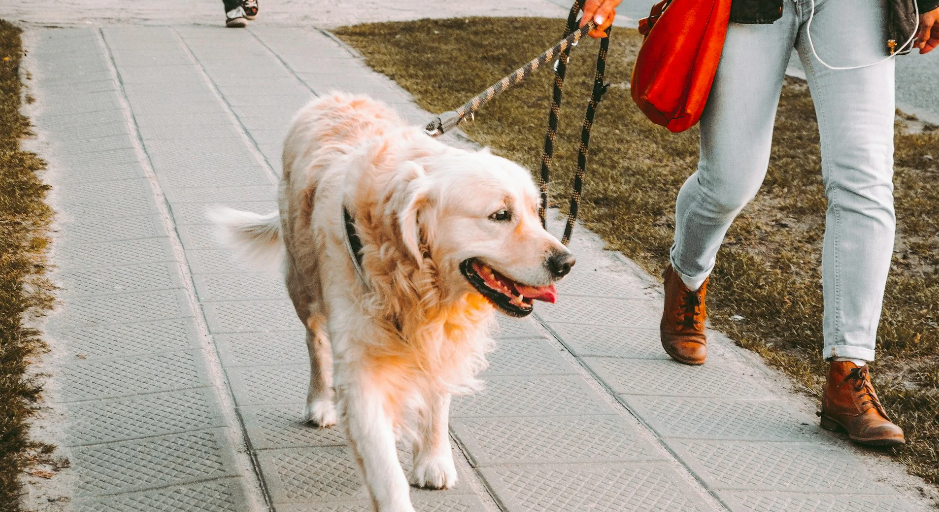
The standard leash is the one most of us know and probably grew up with. It’s the flat, straightforward type, usually between four and six feet long, and made of materials like nylon, leather, or rope. Think of it as your go-to companion for everyday walking, dependable, simple, and effective.
Best for everyday walks, basic training sessions, and dogs who aren’t prone to sudden lunges or erratic behavior.
Why it works is pretty simple. It strikes a solid balance between giving your dog enough freedom to sniff and explore while still keeping them under control. It works well with most collars and harnesses, is usually durable, and you can find it anywhere.
When choosing a standard leash, pay attention to a few key things. Make sure the clasp is strong and won’t fail unexpectedly, especially if your dog is prone to sudden pulls. Consider padded handles if your pup is on the stronger side and can turn a casual walk into an arm workout. And the length matters too: long enough for your dog to sniff but short enough to prevent them from weaving dangerously into traffic.
If your dog generally walks nicely, this leash is going to be your everyday MVP. You’ll find it hard to go back to anything else for your regular strolls.
Retractable Leash: The Controversial One
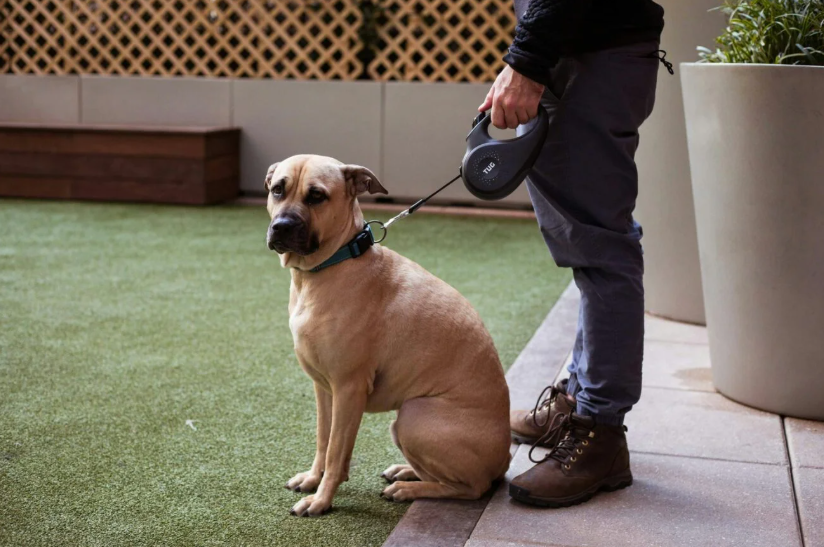
Ah, the retractable leash. It’s the one that divides dog owners like no other. Essentially, it’s a thin cord that extends out of a plastic handle, letting your dog roam further when they pull and automatically retracting as they come back. People either love them or, if you ask trainers, they mostly hate them.
Best for calm dogs that have reliable recall, wide-open spaces like parks or fields, and owners who are extremely attentive.
But there are serious warnings. In high-distraction areas, you lose almost all control. The cord itself can burn your hands, snap unexpectedly, or wrap around your legs if your dog takes off. Plus, it tends to reward pulling behavior: your dog pulls and suddenly gets more freedom, which encourages them to pull even more. For reactive or unpredictable dogs, this leash is usually a hard no. It’s a tool that works in very specific situations, but you have to be aware of the risks before deciding to use it.
Long Line: The Training Tool
Long lines are essentially super long leashes, usually fifteen to thirty feet. They’re designed to give your dog more freedom while still keeping them connected to you, making them ideal for recall training, outdoor adventures, or situations where your dog needs space without going completely off-leash.
Best for recall training, hikes, beach trips, or open fields where your dog can explore safely, and for shy or nervous dogs that benefit from space without total freedom.
The benefits are obvious: your dog gets tons of freedom while you maintain control, and it’s a great tool for teaching commands like “come.” It’s also far safer than letting your dog run off completely in areas that may have hazards.
On the downside, it can tangle easily, and it’s not practical for everyday neighborhood walks. A crucial tip: don’t just let your dog run with a long line unattended. You want to be supervising at all times, or you risk a sudden tug when your dog reaches the end at full speed.
Hands-Free Leash: For the Multi-Tasking Human
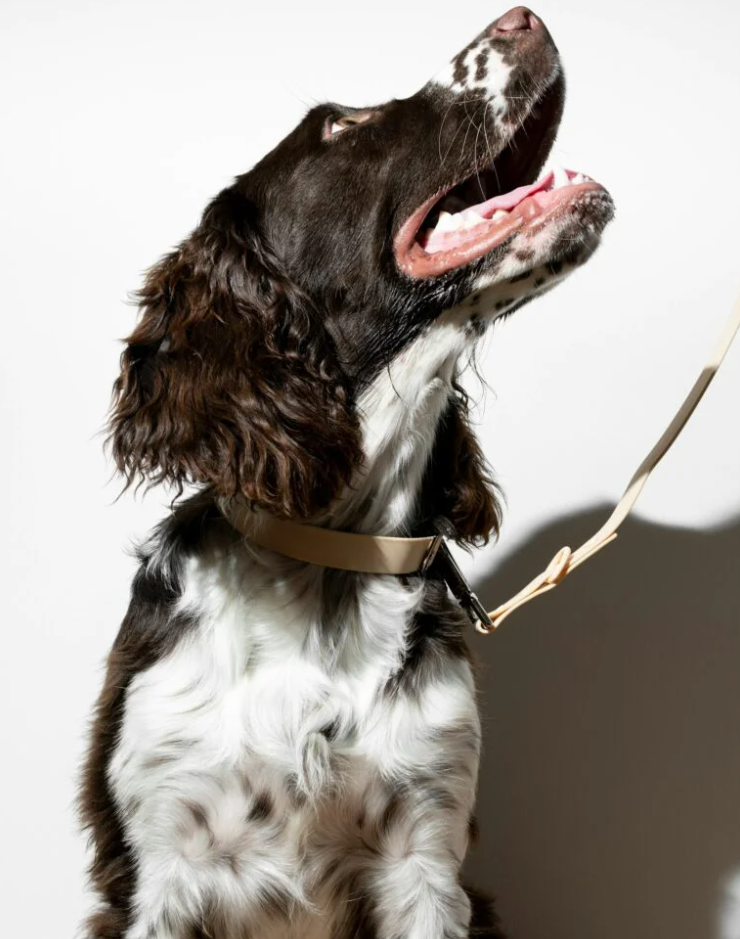
Hands-free leashes are designed for owners who like to keep their hands free, whether you’re jogging, hiking, or balancing a coffee in one hand. These leashes wrap around your waist or go over your shoulder like a sling, and some include bungee cords to absorb the shock if your dog pulls.
Best for joggers, hikers, dogs that already walk politely on a leash, or anyone navigating urban walks while carrying things.
Cool features often include built-in pockets or pouches for storing essentials, shock-absorbing materials to reduce strain, and the obvious perk: freedom for your hands.
However, they aren’t foolproof. They’re not ideal if your dog tends to lunge or pull unpredictably. Definitely avoid using them with untrained puppies unless you enjoy the occasional tumble in public.
Slip Lead: The Quick Fix
Slip leads are a hybrid of a leash and collar all in one. You simply loop it over your dog’s head and go, making it a favorite in shelters, vet clinics, and training sessions where quick control is needed.
Best for temporary use, training situations, or dogs that don’t usually wear collars or have a tendency to slip out of them.
A word of caution: slip leads tighten as your dog pulls. That means if you’re not careful, it can cause discomfort or even choking. They’re not suitable for regular walks unless you’re confident in using them properly.
Chain Leash: Chewer’s Enemy
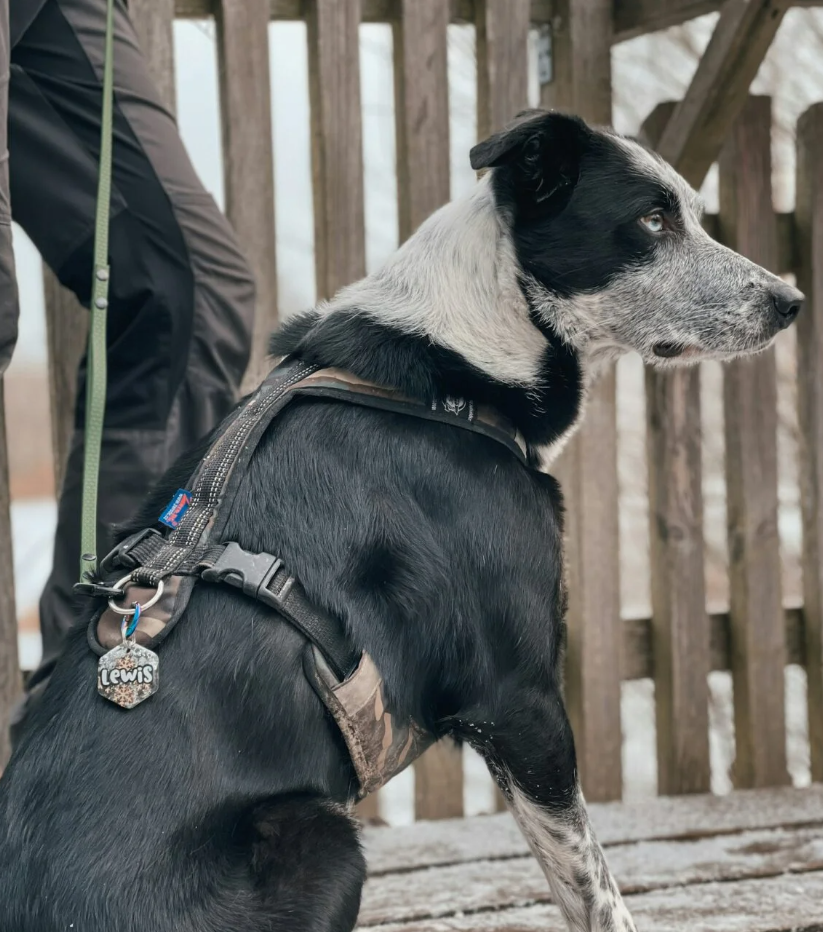
Chain leashes are made of metal links, designed to withstand the jaws of dogs who see leashes as chew toys. The handle is usually nylon or leather for comfort, but the leash itself is chew-proof.
Best for dogs that consistently chew leashes and for short-term use during training sessions.
Why they exist is simple: some dogs treat leashes like spaghetti. A chain leash can buy you time while you work on teaching better habits.
The downside? They’re heavy and cumbersome, making them unsuitable for small dogs or long walks.
Material Matters: Nylon vs. Leather vs. Rope vs. Biothane
Different materials serve different needs. Nylon is lightweight, affordable, and comes in countless colors, but it can cause leash burn if your dog pulls. Leather is durable, softens over time, and looks elegant, though it costs more and requires maintenance. Rope leashes, often made from climbing rope, offer strength and a comfortable grip, perfect for larger dogs or hiking. Biothane is waterproof, easy to clean, and perfect for messy, muddy dogs or trips to the beach. Choosing the right material depends on your dog’s behavior, your walking environment, and how much durability you need.
Length: Size Does Matter

Leash length is crucial for control and safety. A four-foot leash gives maximum control, perfect for city walks, crowded areas, or training sessions. Six feet is the gold standard for most walks, letting your dog sniff and explore while staying close enough for you to intervene if needed. Leashes longer than ten feet are only suitable for training or wide-open spaces—not sidewalks or busy neighborhoods filled with distractions.
Clip Type: Because That Leash Has to Stay On
The clip keeps your leash attached and secure. Common options include bolt snaps, which are simple and reliable, trigger snaps, which offer extra security for strong dogs, and locking carabiners, which are practically escape-proof. Avoid any clip that feels flimsy or wobbly; if it clicks but moves around, it’s not safe enough to rely on.
FAQ: Leashes & WTF Moments
Should I get a harness instead of a leash? You still need a leash, but a good harness can reduce pulling and prevent injury, especially for small or brachycephalic dogs.
What’s the best leash for a puppy? A four-to-six-foot nylon leash is ideal. Lightweight, manageable, and perfect for teaching leash manners. Avoid retractables—they encourage pulling before your puppy learns to walk calmly.
Can I use the same leash forever? As long as it’s durable and in good shape, yes. Regularly check for fraying, loose stitching, or malfunctioning clasps. Remember, a leash is a safety tool first.
Do I need multiple leashes? Probably. A standard leash for daily walks, a long line for training or exploring, and a hands-free leash for busy moments can cover most scenarios. Your leash closet might become a real thing.
Final Thoughts of How To Choose The Right Dog Leash
Choosing the right leash isn’t about what looks cute or Instagram-worthy. It’s about control, safety, and making walks less stressful for both you and your dog. Start by considering your dog’s behavior and where you typically walk, then don’t be afraid to try different options. Sometimes the third leash you try is the one that transforms your walks. After all, walks should feel like a relaxing vibe, not a tug-of-war contest.