
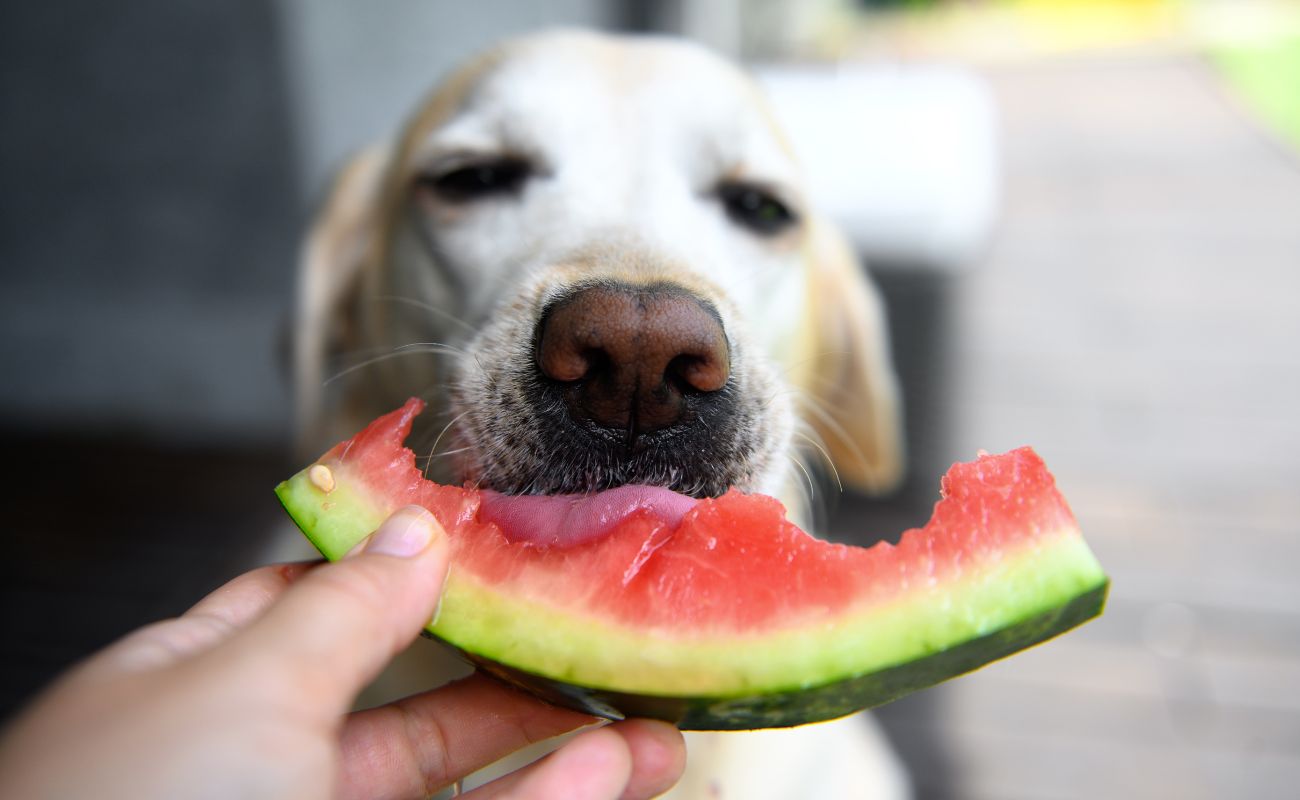
5 Fruits Perfect For Dogs (And 2 To AVOID!)
Choosing the right fruits perfect for dogs has made a big difference in how I reward my dogs without relying on processed treats. Fresh fruit can be a healthy option when served correctly, but I always make sure every piece is safe before it goes into the food bowl. A little preparation goes a long way in keeping snack time both nutritious and worry-free.
After caring for dogs with different ages, sizes, and dietary needs, I’ve learned that not every fruit belongs in a dog’s diet. Some provide valuable nutrients and hydration, while others should never be offered. Knowing the difference helps me keep my dogs happy and healthy every day.
Save For later

Key Takeaways
- Some fruits make excellent low-calorie treats when fed in moderation.
- Always remove seeds, pits, stems, and tough peels before serving fruit.
- Fresh fruit should be an occasional snack, not a replacement for balanced meals.
- Certain fruits can support hydration, digestion, and overall wellness.
- Grapes and avocados should never be given to dogs because of their health risks.
- Introduce one new fruit at a time to watch for digestive sensitivity.
Pro Tip
Whenever I offer fruit to my dogs, I start with just one or two small bites instead of a full serving. This makes it much easier to notice if a new fruit causes stomach upset or loose stools. I also wash every fruit thoroughly, even if I’m removing the peel. During hot weather, I like freezing small fruit pieces for a refreshing treat that lasts longer. If the fruit contains seeds or a pit, I remove them completely before serving. Simple preparation has always been the safest approach in my experience.
Other Posts
Homemade Jackfruit Recipe for Dogs
Healthy Cottage Cheese & Fruit Treat for Dogs
Vegetables Dogs Should Eat (And Which Ones to Avoid)
5 Fruits Perfect for Dogs
1. Apples
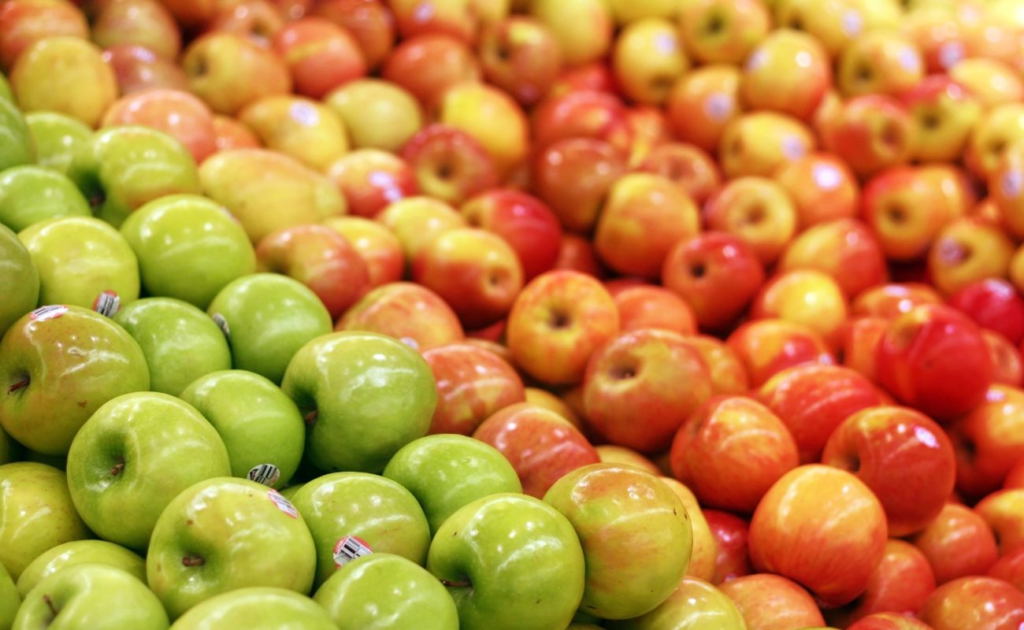
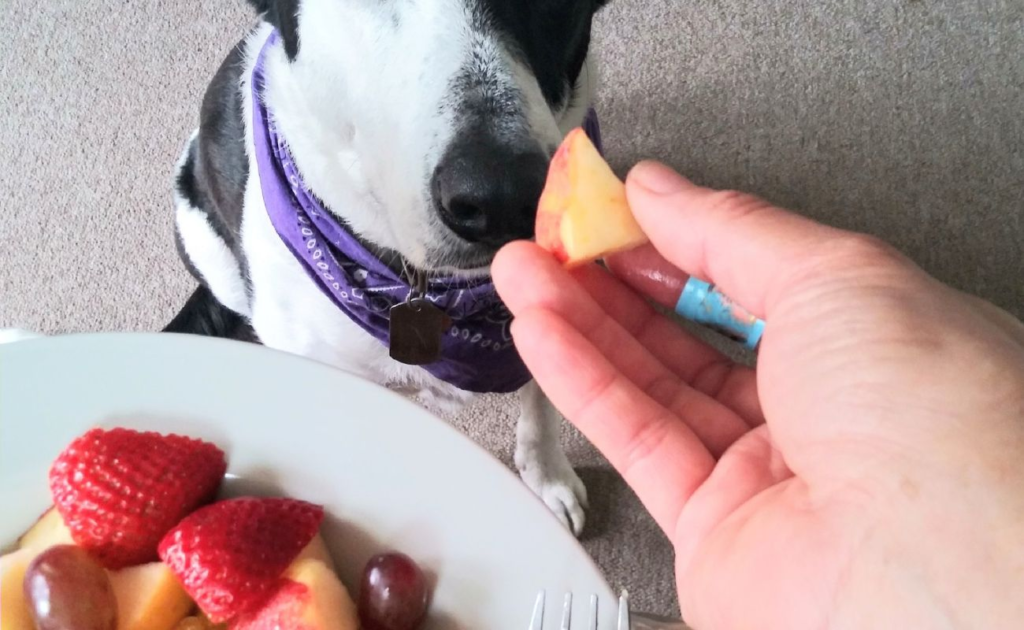
In my years of grooming and caring for dogs, apples have always been one of my go-to crunchy treats. Most dogs love the texture, and they’re easy on the stomach when served correctly.
Apples are rich in vitamins A and C, which help support immune health, skin condition, and vision. They also contain dietary fiber, which can aid digestion—especially helpful for dogs prone to constipation.
According to veterinary nutrition data, fiber can improve gut health in dogs by supporting beneficial bacteria and regulating bowel movements.
How to serve:
Always remove the core and seeds, as apple seeds contain cyanide, which is toxic to dogs. Slice the apple into bite-sized pieces. I often freeze apple slices during summer—it’s a hydrating, low-calorie enrichment treat dogs genuinely enjoy.
2. Blueberries
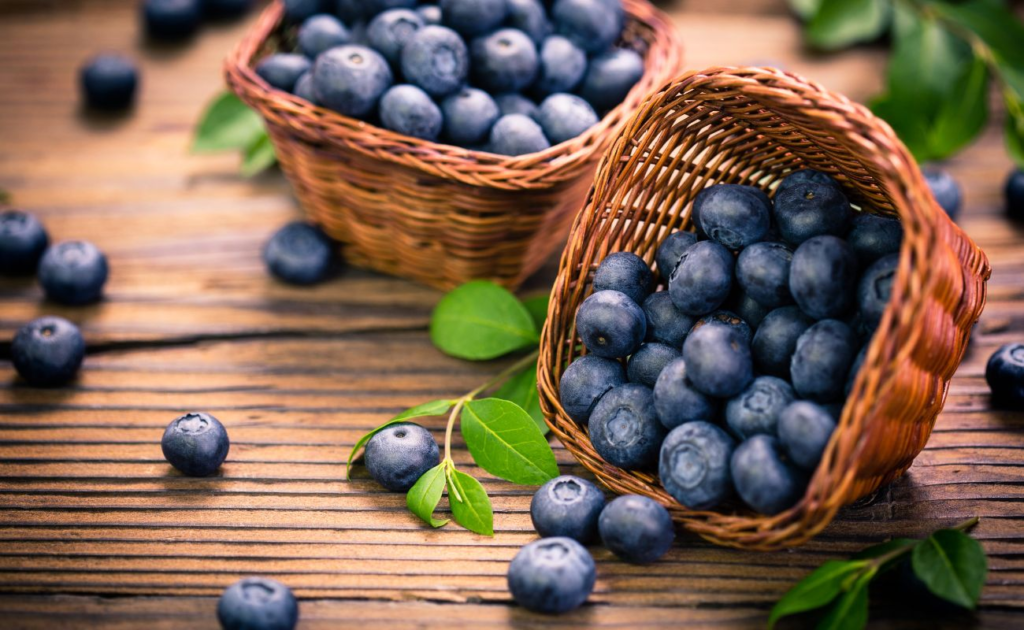
Blueberries are one of the most powerful antioxidant-rich fruits you can give your dog. I’ve used them frequently with senior dogs and working breeds that need extra cellular support.
They contain anthocyanins, which help combat oxidative stress. Studies show antioxidants may help slow cognitive decline in aging dogs and support heart health.
Blueberries are also low in sugar compared to many fruits, making them a safer option for dogs watching their weight.
How to serve:
Serve fresh or frozen. I usually toss a few into meals or use them as training treats. Start with small amounts—too many can cause loose stools.
3. Watermelon
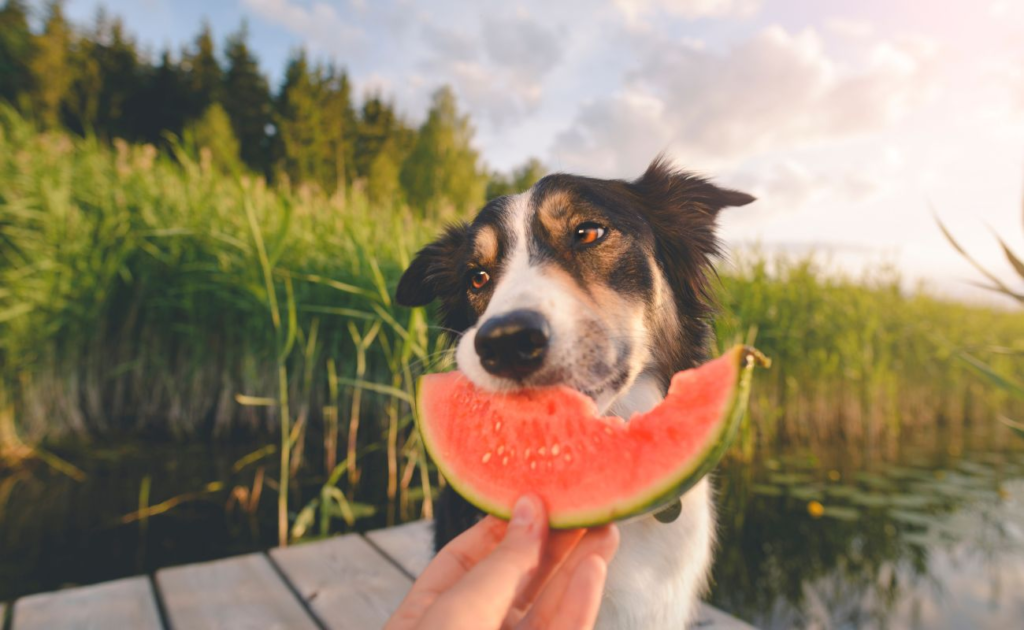
On hot days, watermelon is one of the safest and most refreshing treats I’ve given dogs over the years. With about 92% water content, it’s excellent for hydration, especially for dogs that don’t drink enough.
Watermelon contains vitamins A, B6, and C, plus potassium, which supports muscle and nerve function.
How to serve:
Remove all seeds and the rind. Both can cause intestinal blockage. Cut into small cubes and serve chilled. I often use watermelon as a post-grooming reward during summer months.
4. Strawberries
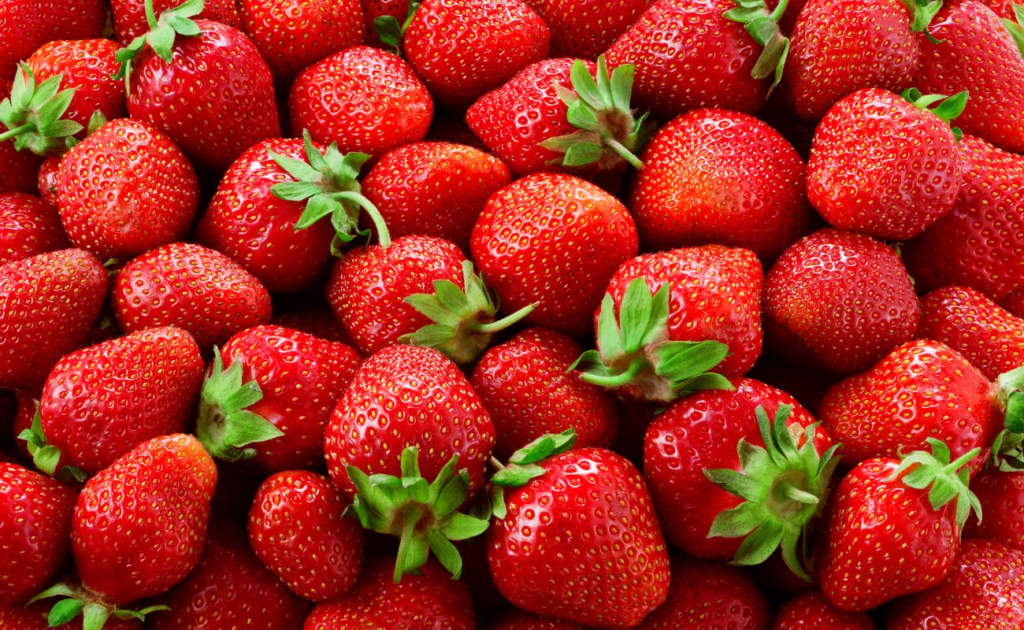
Strawberries are a seasonal favorite in my household, and many dogs enjoy their sweetness. They’re high in fiber and vitamin C and contain malic acid, which may help reduce plaque buildup on teeth.
While strawberries won’t replace brushing, they can contribute to better oral health when used occasionally.
How to serve:
Wash thoroughly, remove stems, and cut into small pieces. I like freezing them and offering one or two as a cooling treat. Keep portions small due to natural sugars.
5. Bananas
Bananas are gentle, easy to digest, and often recommended for dogs with mild stomach issues. I’ve used mashed banana sparingly for dogs recovering from digestive upset.
They’re rich in potassium, vitamin B6, vitamin C, fiber, and biotin, which supports coat and skin health.

How to serve:
Peel and slice into thin rounds or mash into food. Because bananas are higher in sugar, I limit them to occasional treats—especially for overweight or diabetic dogs.
2 Fruits to AVOID!
1. Grapes and Raisins
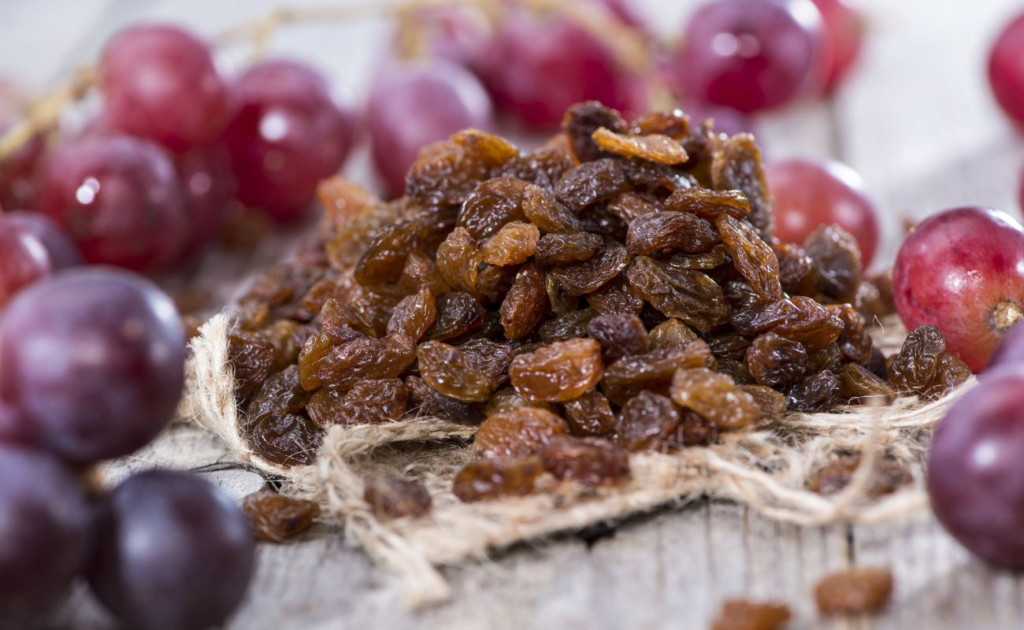
After decades around dogs, I can’t stress this enough—grapes and raisins are extremely dangerous. Even small amounts have been linked to sudden kidney failure in dogs, and the exact toxic mechanism is still unknown.
Veterinary studies confirm that toxicity can occur regardless of breed, size, or age. There is no safe amount.
Never feed grapes or raisins, and seek immediate veterinary care if ingestion occurs.
2. Avocado
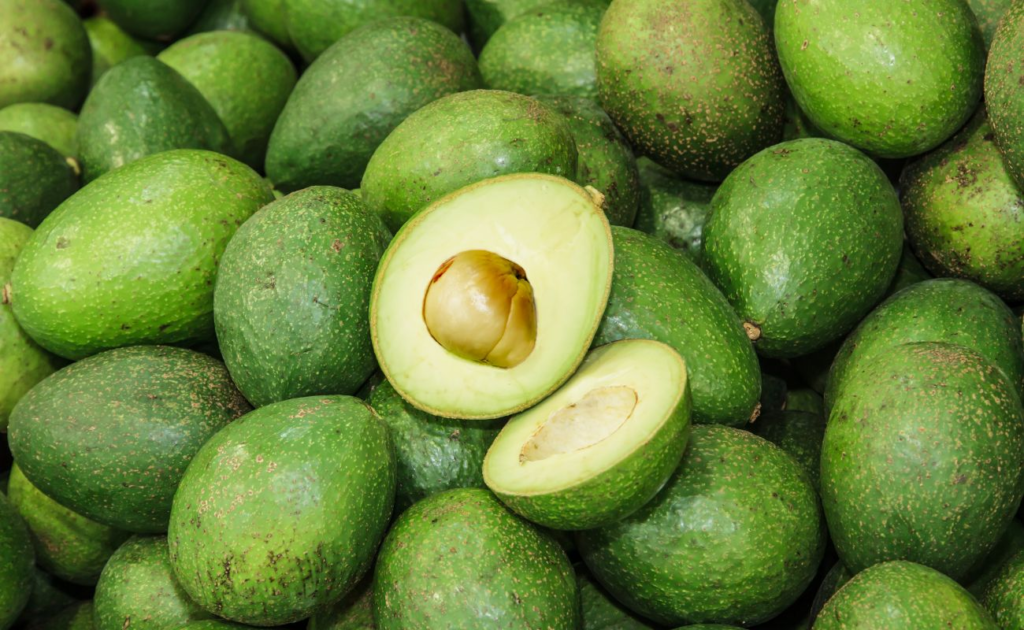
Avocados contain persin, a toxin found in the skin, pit, leaves, and even flesh. While dogs are less sensitive than some animals, I’ve seen cases of vomiting, diarrhea, and pancreatitis linked to avocado ingestion.
The pit also poses a serious choking and obstruction risk.
For safety, I recommend avoiding avocado entirely.
Final Thoughts
Fruits can absolutely be part of a healthy dog lifestyle when chosen wisely and served correctly. From my 20+ years of hands-on experience, the key is moderation, preparation, and awareness.
Dogs thrive on consistency and balance. Treats—including fruits—should complement a complete, high-quality diet, not replace it.
When in doubt, introduce new foods slowly and observe your dog closely. And if something feels off, trust your instincts and consult your veterinarian.
FAQ
Q: Can I give my dog fruit every day?
A: Yes, but only in small amounts. Fruits should stay under 10% of daily caloric intake to avoid digestive upset and excess sugar.
Q: How should I introduce new fruits to my dog’s diet?
A: Start with a few small pieces and monitor for vomiting, diarrhea, itching, or behavioral changes over 24 hours.
Q: Are there any other fruits I should avoid giving my dog?
A: Yes. Avoid cherries (pits contain cyanide), citrus fruits (can cause stomach upset), and any fruit with pits or seeds unless removed.
Treat your dog with knowledge, not guesswork—and they’ll enjoy a longer, healthier life by your side.
All content on this site is written and reviewed by our experienced team to ensure it is accurate, reliable, and helpful for our readers. Our Our Process page explains how we carefully research and create high-quality content, while our Team page introduces the professionals behind our work. We also provide clear guidelines for content or image concerns on our Image Removal page, so you can trust that we prioritize transparency, quality, and reader safety.