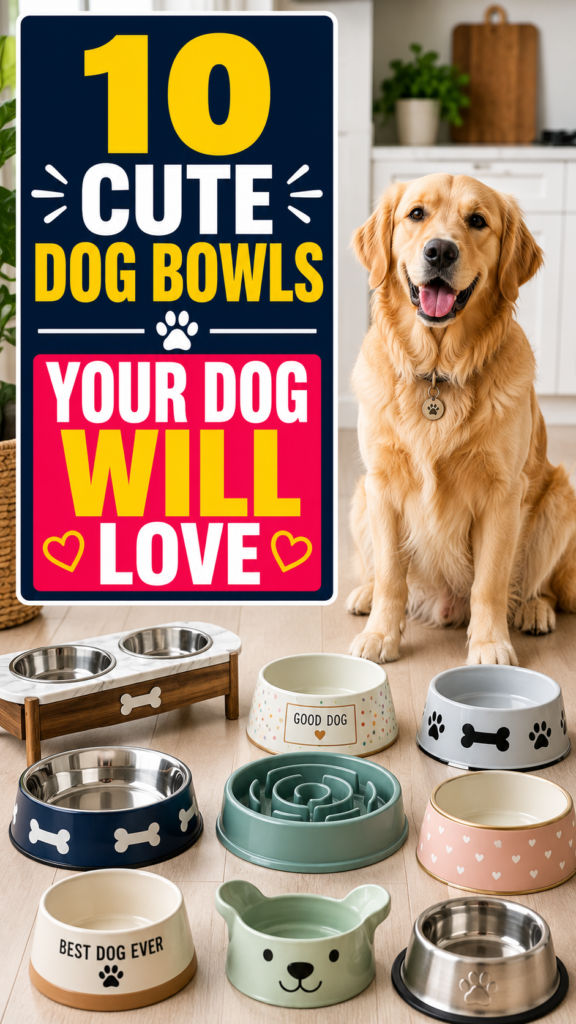
10 Cute Dog Bowls That Your Dog Will Love
Finding the perfect cute dog bowls for my dogs has always been about more than appearance. A well-designed bowl can make every meal more comfortable, reduce spills, and help dogs eat with ease. I also enjoy choosing bowls that match my home while giving each of my dogs a feeding space that feels just right for them.
After years of caring for dogs with different sizes, ages, and eating habits, I’ve realized that the right bowl can make a noticeable difference. Some dogs need a sturdy bowl that won’t slide around, while others benefit from raised or slow-feeder designs. A thoughtful choice can make mealtime cleaner, calmer, and much more enjoyable for both dogs and their owners.
Save For later
Key Takeaways
- The right dog bowl can improve comfort during mealtime.
- Different bowl styles suit different breeds and eating habits.
- Durable materials help bowls last longer and stay hygienic.
- Non-slip designs reduce spills and messy floors.
- Cute bowls can match your home while remaining practical.
- Choosing the right size supports healthier eating habits.
Pro Tip
I always choose a bowl based on how my dog actually eats instead of picking one only because it looks attractive. Heavy ceramic bowls work well for enthusiastic eaters because they stay in place, while stainless steel is my favorite for everyday use because it’s easy to clean. If a dog eats too quickly, I switch to a slow-feeder bowl instead of making larger portions. I also wash food bowls after every meal and water bowls daily to keep them fresh. Replacing scratched or damaged bowls helps maintain better hygiene over time.
Other Posts
- Healthy Beef & Sweet Potato Dog Food Recipe
- Chicken Soup for Dogs: A Comforting Homemade Recipe
- Homemade Meatloaf for Dogs They’ll Love
Cute Dog Bowls Your Dog Will Love
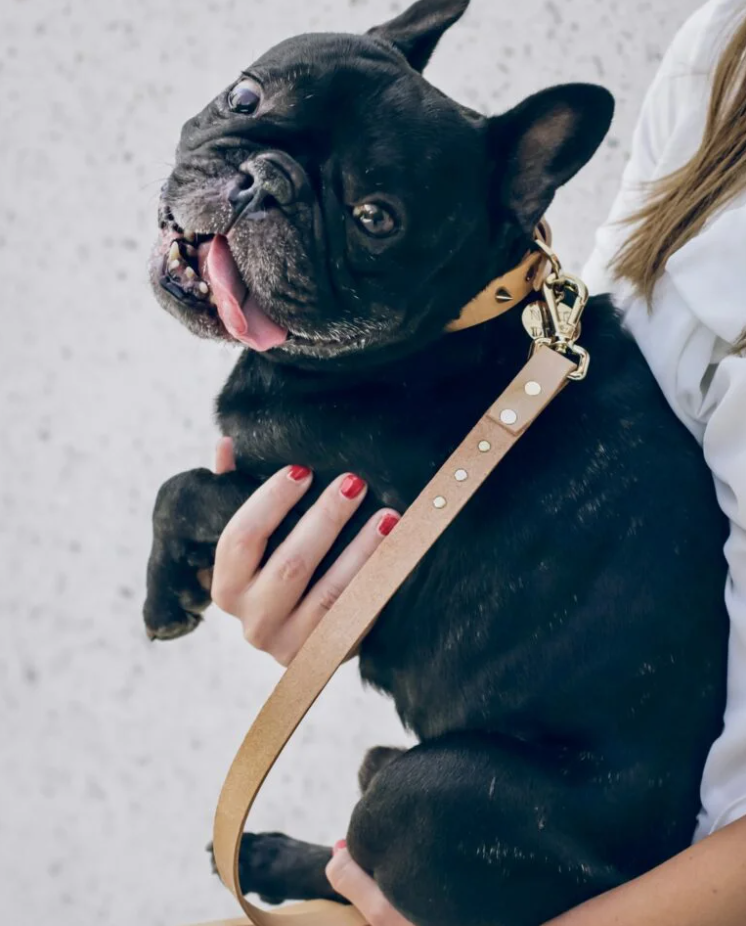
When you pick a dog bowl, it’s helpful to think about more than just the color or design. The best bowls combine function, style, and safety, giving your dog a comfortable experience while fitting nicely into your home. Some bowls are made from durable ceramic with charming patterns, others are stainless steel and built to last, and there are even lightweight plastic options that can be handy for travel.
Your dog may notice the difference when eating from a stable, non-slip bowl versus a bowl that slides around. Dogs are sensitive to their environment, and mealtime comfort can make a real difference in their mood and behavior. I’ve found that pups often eat more confidently and enjoy their meals more when the bowl feels secure under their paws.
How to Choose a Dog Bowl
Choosing a dog bowl can feel overwhelming because there are so many options. But by focusing on a few key factors, you can make a choice that will serve your dog well for years. Here’s what to consider:
Material
Dog bowls come in stainless steel, ceramic, and plastic, and each has pros and cons.
Stainless steel bowls are incredibly durable, easy to clean, and resistant to bacteria. They are ideal if your dog is a heavy chewer or if you want something that will last for years without losing its shape.
Ceramic bowls often have fun, stylish designs that can enhance your home’s decor. They are stable and usually heavier, which prevents tipping. The downside is that they can chip if dropped, so handle them carefully.
Plastic bowls are lightweight and affordable, making them convenient. However, they may scratch or wear over time, creating crevices where bacteria can grow. If you choose plastic, make sure it’s BPA-free and dishwasher safe.
In my experience, most dogs respond best to stainless steel or ceramic because they are safer, more hygienic, and feel solid under the paws.
Size
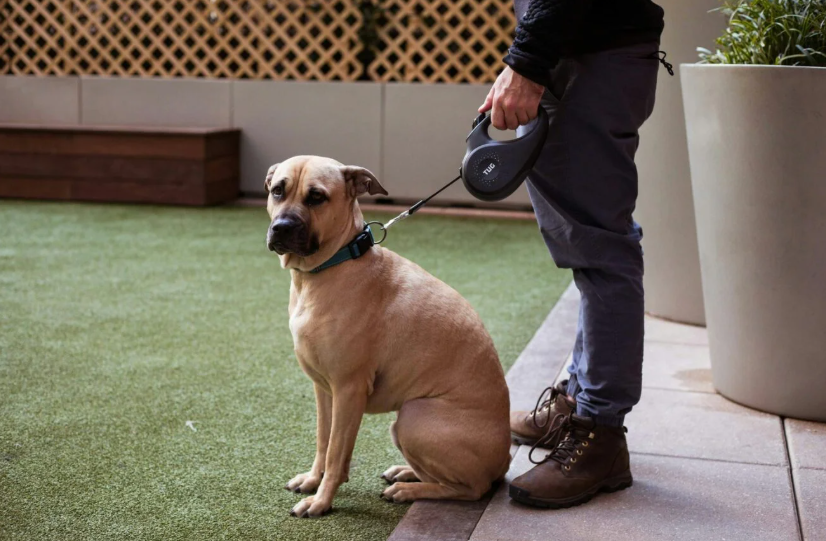
The size of the bowl matters a lot. A small dog doesn’t need a huge bowl, and a large breed won’t be satisfied with a tiny dish. Think about how much your dog eats in one sitting, their breed, and whether they tend to eat quickly or slowly. A bowl that’s too small can be frustrating for a dog, while one that’s too large may make eating awkward.
I’ve seen many small dogs struggle with oversized bowls—they push the food around and get frustrated. Choosing the right size ensures that your dog can eat comfortably without wasting food.
Height
The height of a bowl can make a huge difference, especially for older dogs or dogs with arthritis. Elevated bowls allow dogs to eat and drink without bending their necks too much, which reduces strain on joints and can even help with digestion.
I’ve personally switched my senior dog to an elevated bowl, and the improvement was noticeable immediately. He ate more comfortably, and his posture was much better during mealtime.
Non-Slip Base
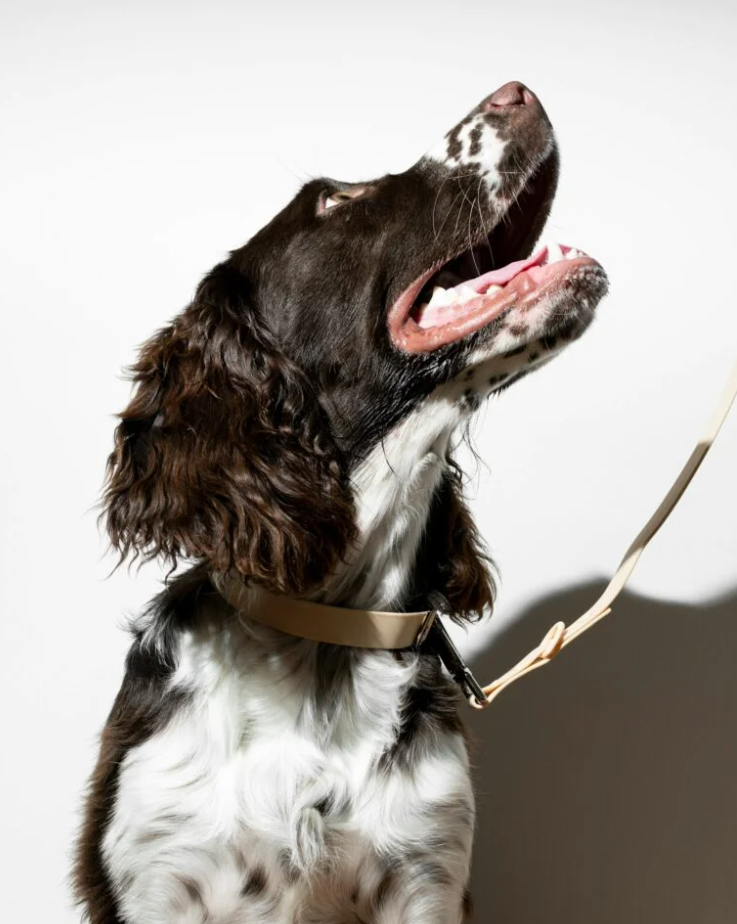
Dogs that are excited about food can push a bowl all over the floor, creating a mess and frustration. Non-slip bases prevent bowls from sliding and make eating easier and calmer for your dog.
From my experience, dogs feel more confident eating from a stable bowl. It reduces anxiety for those who tend to be nervous eaters and prevents frustration for more energetic pups.
Design
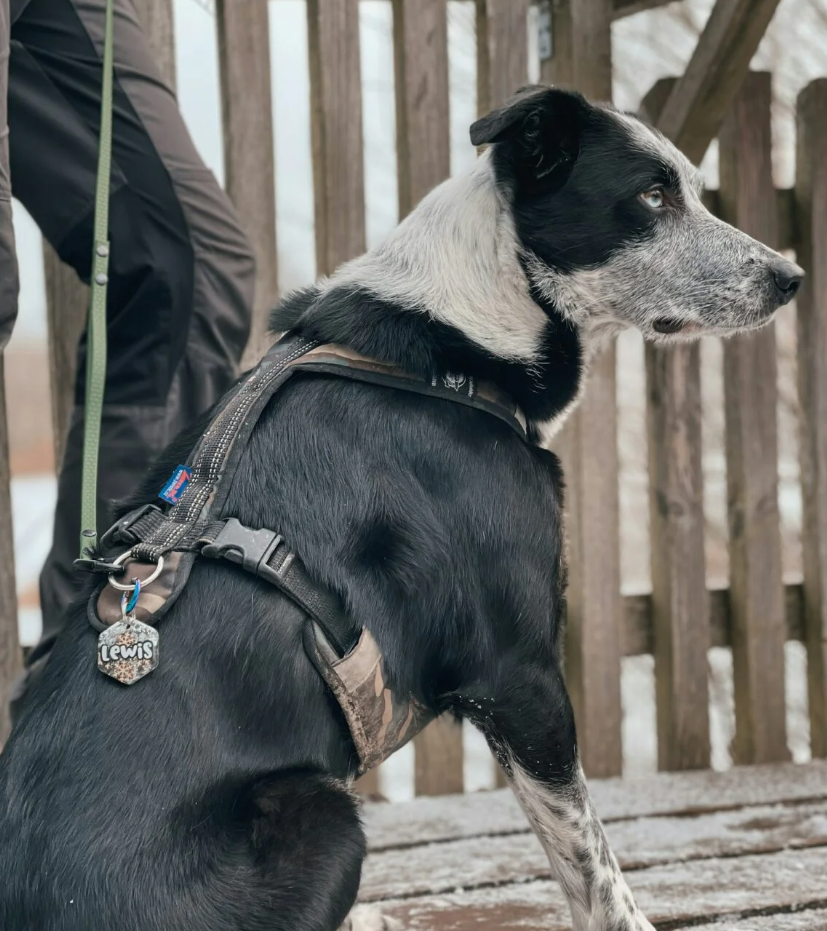
While function is crucial, style doesn’t hurt. Pick a design that complements your home and matches your dog’s personality. Some dogs seem drawn to playful patterns or bright colors, while others are perfectly content with a simple, classic look.
I’ve noticed that certain patterns or bowls with fun designs can even make mealtime more engaging for dogs, turning eating into a little moment of joy each day.
Frequently Asked Questions
How often should I clean my dog’s bowl?
It’s important to clean your dog’s food bowl after every meal. This prevents bacteria buildup and keeps your dog healthy. Water bowls should be cleaned at least once daily, as stagnant water can harbor bacteria and affect your dog’s health.
Are plastic bowls safe for dogs?
Plastic bowls can be convenient, but they often scratch easily and can trap bacteria. If you prefer plastic, make sure it’s BPA-free and dishwasher safe. Stainless steel or ceramic bowls are generally safer and last much longer.
What are the benefits of elevated dog bowls?
Elevated bowls reduce strain on your dog’s neck and joints. They are particularly helpful for older dogs or those with arthritis. They also promote better digestion by helping food move smoothly from the mouth to the stomach.
Can I use a human bowl for my dog?
While human bowls can work in a pinch, dog-specific bowls are better. They are designed with non-slip bases, proper sizes, and safer materials that make feeding easier and safer for your dog.
Final Thoughts
Choosing the right dog bowl is about comfort, health, and happiness. By thinking about material, size, height, stability, and design, you can find a bowl that works perfectly for your dog and fits beautifully in your home.
A well-chosen bowl makes mealtime a pleasant and stress-free experience. Your dog will feel more comfortable eating, and you’ll enjoy seeing your furry friend happy and satisfied after every meal.
Take your time to explore different bowls, consider your dog’s needs, and pick one that suits both of you. When you get it right, every meal becomes a joyful moment for your dog and a relief for you. Happy feeding!
All content on this site is written and reviewed by our experienced team to ensure it is accurate, reliable, and helpful for our readers. Our Our Process page explains how we carefully research and create high-quality content, while our Team page introduces the professionals behind our work. We also provide clear guidelines for content or image concerns on our Image Removal page, so you can trust that we prioritize transparency, quality, and reader safety.