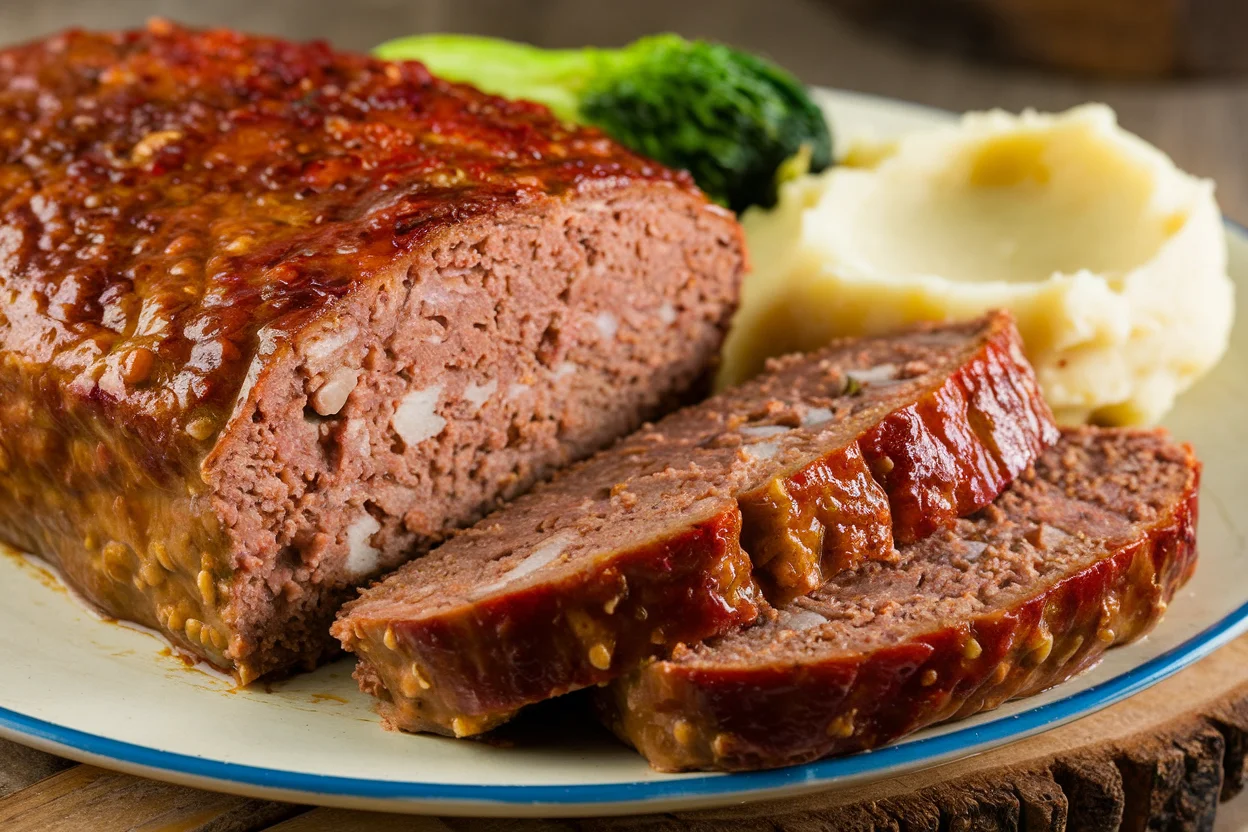
Homemade Meatloaf For Dogs That’ll Make Your Pup Sit, Stay, and Beg for More
Homemade Meatloaf For Dogs
Making homemade meatloaf for dogs has become one of my favorite ways to give my dogs a meal I can truly trust. Instead of relying on processed foods filled with ingredients I don’t recognize, I prefer preparing fresh meals with wholesome protein, vegetables, and simple pantry staples. Knowing exactly what goes into every slice gives me peace of mind at every feeding.
Over the years, I’ve learned that dogs thrive on consistent, nutritious meals made with quality ingredients. This recipe is easy enough for weekly meal prep, works well for most healthy adult dogs, and stores beautifully for busy days when I need a ready-to-serve meal.
Save For later
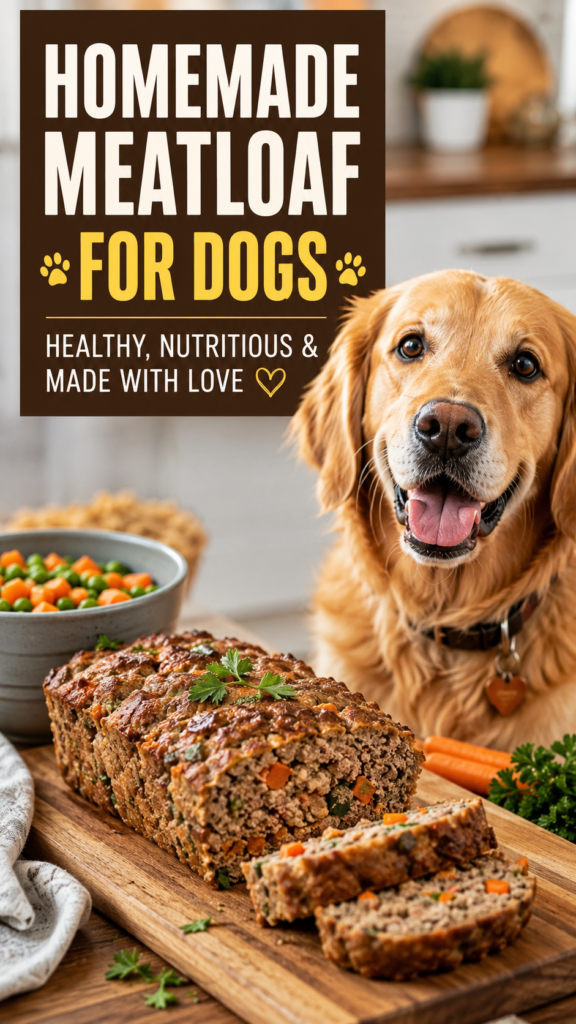
Key Takeaways
- Homemade meals let me control every ingredient that goes into my dog’s bowl.
- Lean meat, healthy vegetables, and wholesome carbohydrates create a balanced meal.
- This meatloaf freezes well, making meal prep simple for busy weeks.
- Gradually introducing homemade food helps reduce digestive upset.
- The recipe can be customized for different ages, food sensitivities, and preferences.
- Proper cooking and portion control help keep meals safe and nutritious.
Pro Tip
Whenever I prepare homemade meatloaf for dogs, I always bake a small test loaf before making a large batch. It helps me check the texture and moisture level because dry meatloaf can be harder for some dogs to chew. I let the loaf cool completely before slicing so it stays together during storage. I portion each serving before freezing, which saves time on busy mornings. I also label every container with the preparation date, and I never add onions, garlic, or seasoning blends since many common spices are unsafe for dogs
Other Posts
- Healthy Beef & Veggie Dog Food Recipe
- Homemade Beef & Sweet Potato Dog Food Recipe
- Homemade Lentil & Sweet Potato Dog Food Recipe
Jump to Recipe Card
Why This Recipe Works
After years of feeding dogs with different needs, I’ve learned that balance matters more than trends. This recipe focuses on lean ground meat to provide quality protein without pushing fat levels too high. That’s important, especially for dogs prone to weight gain or sensitive digestion.
Oats and sweet potato are low-glycemic and gentle on the gut. I’ve relied on this combination for dogs dealing with loose stools or inconsistent digestion, and it consistently helps keep things regular. Baking instead of pan-cooking keeps the meatloaf moist without excess grease, which is a big win for dogs with sensitive stomachs.
Dog-safe vegetables add natural vitamins and minerals, and healthy oils support skin and coat health. Over the years, I’ve seen noticeable improvements in dryness, dull fur, and itching when dogs get consistent, clean fats in their meals.
Ingredients
1.5 pounds lean ground meat (turkey, chicken, or 90% lean beef)
1 cup rolled oats (plain and unsweetened)
1 cup mashed sweet potato, cooked and skin removed
2 large eggs
1 cup finely chopped dog-safe vegetables such as carrots, green beans, spinach, or zucchini
1/2 cup low-sodium bone broth or water
1 tablespoon ground flaxseed (optional)
1 tablespoon olive oil or salmon oil
1/4 teaspoon turmeric (optional)
A pinch of dried parsley (optional)
No salt, onion, garlic, or seasoning of any kind
Let’s Get Cooking – Instructions
Preheat your oven to 350°F (175°C) and lightly oil or line a loaf pan.
Cook the sweet potato until soft, then mash it well and let it cool slightly. This step matters because hot mash can affect the eggs when mixed.
In a large bowl, combine the oats, flaxseed, turmeric, and parsley if using them. Stir in the mashed sweet potato, eggs, broth, and oil until the mixture looks thick but scoopable.
Add the ground meat and finely chopped vegetables. I always mix by hand so I can feel when everything is just combined. Overmixing makes the loaf dense, and dogs seem to prefer a softer texture.
Press the mixture evenly into the loaf pan and smooth the top. Bake for 45 to 60 minutes, checking that the internal temperature reaches 165°F (74°C). Let it rest in the pan for about 10 minutes, then transfer to a rack and allow it to cool completely before slicing.
Portion based on your dog’s size, activity level, and calorie needs. Store properly once cooled.
Serve it as a full meal or as a topper. If your dog is new to home-cooked food, transition slowly over several days.
Preservation Guide
Store cooked meatloaf in airtight containers in the refrigerator for up to four days.
For longer storage, slice and wrap individual portions and freeze them for up to three months.
When reheating, warm gently with a small splash of water or broth to maintain moisture.
Always label containers with the date and protein type. After years of batch cooking, I can tell you this saves a lot of guesswork.
Benefits of This Recipe
You avoid fillers, preservatives, and unnecessary additives.
The combination of oats, sweet potato, and optional flaxseed supports consistent digestion.
Healthy fats contribute to a shinier coat and healthier skin over time.
The recipe is easy to customize for dogs with sensitivities.
Batch cooking saves money and time.
Chilled slices can be cut into cubes and used as high-value training rewards.
Avoid These Mistakes
Never add onion or garlic. They are toxic to dogs.
Avoid seasoning. Dogs don’t need salt or spices.
Don’t use fatty meats, especially for small breeds or dogs prone to pancreatitis.
Always cook thoroughly and confirm internal temperature.
Avoid sudden diet changes and transition gradually.
Do not overfeed just because the food is homemade.
Different Ways to Make This
Bake the mixture in muffin tins for easy single portions.
Swap oats with finely ground cauliflower for a grain-free version.
Rotate proteins like turkey, chicken, or lean beef to reduce sensitivity risks.
For low-allergen dogs, keep ingredients minimal with one protein and two vegetables.
Add small amounts of fish oil if joint or skin support is needed, adjusting portions carefully.
Mini loaves can be cooked in an air fryer at a lower temperature for quicker prep.
FAQ
How much should I feed my dog?
A common starting point is 2–3% of your dog’s body weight per day, split into meals. Adjust based on age, activity, and body condition. I always recommend monitoring weight and energy rather than sticking to rigid numbers.
Is this a complete and balanced diet?
This recipe is nutrient-dense but not guaranteed to meet all long-term nutritional requirements on its own. For extended feeding, consult a veterinarian or canine nutrition professional about appropriate supplementation.
Can I use pork?
Lean pork can be used if fully cooked and well-trimmed, but I generally suggest starting with turkey or chicken, especially for sensitive dogs.
What veggies are off-limits?
Avoid onion, garlic, leeks, chives, grapes, raisins, and avocado skin or pit. Stick to simple vegetables like carrots, green beans, spinach, and zucchini.
Can humans eat this?
It’s safe but intentionally bland. If making a human version, prepare it separately with seasoning and never share seasoned portions with your dog.
My dog has allergies—what should I change?
Simplify the recipe. Use one protein, one carb, and one vegetable. Introduce changes slowly and watch for itching, ear issues, or digestive changes.
How do I transition from kibble?
Mix gradually over 5–7 days, increasing the homemade portion slowly to prevent digestive upset.
Can I add cheese?
I don’t recommend it. Cheese adds unnecessary fat and salt, and many dogs are lactose-sensitive.
What if my dog won’t eat vegetables?
Finely mince or lightly steam them so they blend seamlessly into the mixture. Texture makes a big difference.
How long can it sit out?
No more than two hours at room temperature. Treat it like any cooked meat.
Wrapping Up
This homemade meatloaf for dogs is something I trust because I’ve seen the results firsthand over many years. It gives you control, saves money, and turns mealtime into something your dog truly enjoys. When you portion it correctly, store it properly, and rotate proteins thoughtfully, it becomes a reliable staple that supports long-term health and happiness.
All content on this site is written and reviewed by our experienced team to ensure it is accurate, reliable, and helpful for our readers. Our Our Process page explains how we carefully research and create high-quality content, while our Team page introduces the professionals behind our work. We also provide clear guidelines for content or image concerns on our Image Removal page, so you can trust that we prioritize transparency, quality, and reader safety.