Beginner Guide to Puppy Socialization
Helping a young dog through puppy socialization is one of the most valuable things I’ve ever done as a dog owner. Early experiences shape how puppies react to new people, places, sounds, and other animals later in life. I always make socialization a priority because it builds confidence and helps prevent fear-based behaviors as they grow.
Over the years, I’ve learned that socialization doesn’t mean overwhelming a puppy with everything at once. Small, positive experiences repeated consistently have always produced the best results. Taking things slowly allows puppies to feel safe while learning that the world is full of good experiences.
Save For later
Key Takeaways
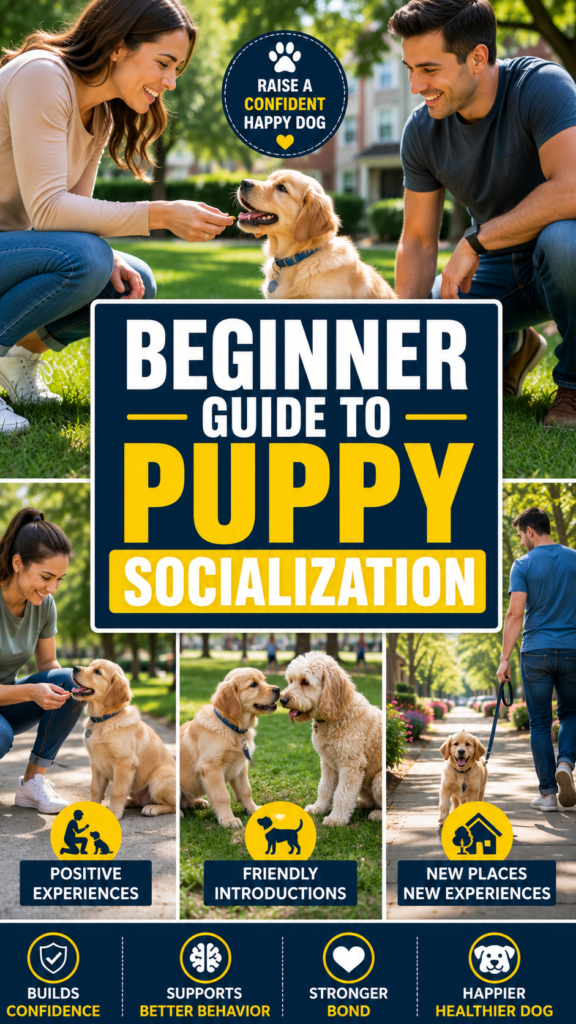
- Start puppy socialization early with safe, positive experiences.
- Introduce new people, places, sounds, and environments gradually.
- Reward calm and confident behavior with praise and treats.
- Never force a puppy into situations that create fear.
- Keep training sessions short and enjoyable.
- Consistency helps build confidence over time.
Pro Tip
I always let my puppy explore new places at their own pace instead of rushing them into unfamiliar situations. I carry small treats so I can reward calm behavior the moment it happens. If my puppy seems nervous, I create more distance and try again later instead of forcing the interaction. Short outings have always been much more successful than long, overwhelming trips. I also introduce only one or two new experiences at a time so my puppy stays relaxed. Building confidence gradually has given me the best long-term results.
Other Posts
- French Bulldog Socialization Tips for a Well-Behaved Puppy
- Irish Setter Puppy Training Tips for Beginners
- Easy Ways to Remove Dark Stains from White Clothes
What the Heck Is Puppy Socialization?
Puppy socialization is really about introducing your dog to the world in a way that feels safe, positive, and completely manageable. Imagine it as giving them a guided tour of everything they’ll ever encounter—people, noises, places, surfaces—without overwhelming them.
This includes:
People: tall, short, bearded, wearing hats, riding skateboards—basically all the humans your dog might meet.
Other dogs: calm, friendly dogs—not chaotic packs at a dog park.
Noises: everything from vacuum cleaners and traffic to fireworks and construction.
Surfaces: grass, sand, hardwood floors, slippery tiles, metal grates—your pup will step on them all eventually.
Environments: stores, parks, elevators, cafes, vet offices—life has many new experiences to offer.
The goal is simple: your dog learns the world isn’t scary, and they can handle whatever comes their way. And trust me, a puppy with this mindset makes life so much easier for both of you.
Why It Matters (Like, a LOT)
Skipping proper socialization can lead to a dog that’s anxious, reactive, or downright fearful. Once puppies hit around six months, fear behaviors become much harder to correct. It’s so much easier to prevent these problems early than try to fix them later.
Socialization also isn’t just about your dog—it’s about your sanity. Imagine walking into a grocery store and your dog lunges at every cart, stroller, and random passerby. If you’ve socialized your puppy well, this scenario becomes far less likely. You get a calm, confident companion who makes public outings enjoyable instead of stressful.
The Ideal Socialization Window 🐶⏳

There’s a special period in a puppy’s life when their brain is like a sponge, soaking up experiences and forming lasting impressions. This window is between 8 and 16 weeks, and it’s the perfect time to introduce them to new people, animals, noises, and environments.
During these weeks, they’re learning things like:
“Skateboards are terrifying!” OR “Skateboards are loud, but I can sniff something else and it’s fine.”
After 4–6 months, puppies naturally become more cautious. Training isn’t impossible then, but it requires more patience and effort. And while some vets recommend avoiding public spaces until vaccinations are complete, you can still do controlled exposure—introducing new experiences safely at a distance—so your puppy doesn’t miss out on this crucial learning period.
PTE Training Tips (Positive Training & Exposure FTW)
1. Go Slow or Go Home

Never throw your puppy into a chaotic situation on day one. Think of it like taking a toddler to a rock concert—it’s overwhelming. Start one new thing at a time, keep sessions short and positive, and gradually build their confidence.
2. Treats Are Your Best Friend (Besides Your Dog)
Food is a universal motivator. Carry treats everywhere and use them to reward calm behavior. If your puppy stays relaxed around a stroller, a strange sound, or a new surface, give a treat. This helps your puppy associate new experiences with positive feelings and builds confidence.
3. Let Them Set the Pace
Your puppy’s comfort is key. Look for signs they’re enjoying themselves: relaxed ears, soft tail wags, curious sniffing, and taking treats. If you notice fear signals like tail tucked, backing away, barking, or refusing treats, slow down and let them approach new experiences on their terms. Never force interactions—forcing a puppy can create long-term behavioral issues.
4. Controlled Dog Intros Only
Your puppy doesn’t need to be friends with every dog. Avoid dog parks early on. Instead, arrange short playdates with calm, vaccinated dogs. Keep sessions around 5 minutes initially and reward positive interactions. One negative experience with an aggressive dog can undo weeks of careful work.
5. Socialization ≠ Chaos

Exposure alone isn’t enough; every new experience should be paired with something your puppy loves. Toss treats on a new surface, reward calm behavior when a loud truck passes, or allow your puppy to sniff a stranger’s umbrella while praising them. Be your puppy’s hype squad—make the world exciting, not terrifying.
6. Create a Socialization Checklist (Like a Nerd—but It Helps)
Keeping track of experiences ensures your puppy doesn’t miss anything. A sample checklist includes:
Children of different ages
Elderly people with walkers
People wearing hats, hoodies, sunglasses
Bikes, scooters, skateboards
Traffic, buses, sirens
Household noises like vacuums, blenders, and brooms
Cats (safely behind gates)
Calm, vaccinated dogs
Shopping carts, automatic doors
Vet visits, baths, nail trims
Check off each item gradually to build a confident, well-rounded dog.
7. Mix It Up

Variety is critical. Expose your puppy to different people, locations, weather conditions, and sounds. A puppy who only experiences the same few things risks becoming overwhelmed by anything unfamiliar later.
Common Mistakes (AKA How to Raise an Overdramatic Adult Dog)
Forcing your puppy into scary situations: This creates fear, not confidence. Be patient and try again later.
Assuming they’ll grow out of fear: Fearful behaviors intensify with age, so early intervention is essential.
Only socializing with dogs: Dogs need to handle all aspects of life, not just interactions with other pups.
How to Know It’s Working
Your puppy is well-socialized when they recover quickly from new experiences, voluntarily approach new people and environments, and stay calm in unusual situations. Socialization doesn’t mean your puppy is never afraid—it means they can handle life confidently, even when things are unexpected.
Final Thoughts of Beginner Guide to Puppy Socialization
The socialization window is short but powerful. Focus on positive, safe, and calm exposures rather than overwhelming your puppy. Every small success builds their confidence, making them a well-adjusted adult dog. Celebrate each victory, skip the crowded dog parks at first, and enjoy watching your puppy grow into a calm, friendly, and curious companion.
All content on this site is written and reviewed by our experienced team to ensure it is accurate, reliable, and helpful for our readers. Our Our Process page explains how we carefully research and create high-quality content, while our Team page introduces the professionals behind our work. We also provide clear guidelines for content or image concerns on our Image Removal page, so you can trust that we prioritize transparency, quality, and reader safety.