12 Essential Training Tips for Australian Shepherd Owners
Training an Australian Shepherd has taught me that this breed thrives when it has both physical activity and mental challenges every day. These dogs learn quickly, but they also become bored just as fast if training lacks variety. I’ve found that a consistent routine, clear expectations, and positive reinforcement help bring out the very best in an Aussie.
After spending time with energetic working breeds, I’ve learned that patience matters just as much as consistency. Australian Shepherds enjoy having a job to do, whether it’s learning new commands, playing interactive games, or practicing obedience. Keeping training fun and rewarding has always helped build a stronger bond.
Save For later

Key Takeaways
- Start training your Australian Shepherd at an early age.
- Keep sessions short, engaging, and mentally stimulating.
- Reward good behavior immediately with praise or treats.
- Provide daily exercise alongside obedience training.
- Be consistent with commands and household rules.
- Mental enrichment helps prevent unwanted behaviors.
Pro Tip
I always include short brain games after obedience practice because Australian Shepherds enjoy solving problems as much as physical exercise. If training starts feeling repetitive, I introduce a new command or obstacle to keep my dog interested. I avoid repeating commands multiple times and instead wait for the correct response before rewarding it. Daily practice, even for just a few minutes, has always worked better than long weekend sessions. A tired mind is just as important as a tired body for this energetic breed.
Other Posts
- Smart & Effective Poodle Puppy Training Guide
- Easy Dachshund Puppy Training Tips for Beginners
- Essential Puppy Obedience Training Tips
Start Training as Early as Possible

The moment your Australian Shepherd comes home, training has already begun. Puppies absorb information fast, and everything you do teaches them something—whether you realize it or not. Early training isn’t about strict obedience; it’s about building habits, routines, and trust.
When you start early, your dog learns what’s expected before bad habits ever form. Simple things like responding to their name, waiting calmly before meals, and following basic cues set the tone for adulthood. Everyone in the household needs to stay consistent. If one person allows jumping while another corrects it, your Aussie will become confused, not disobedient. Consistency creates clarity, and clarity creates calm behavior.
Make Socialization a Daily Priority

Australian Shepherds are naturally alert and protective. That’s part of what makes them great companions, but without proper social exposure, that alertness can turn into fear or reactivity. Socialization isn’t just about meeting other dogs—it’s about learning how the world works.
Take your Aussie to new places regularly. Let them hear traffic, see children playing, meet visitors, and experience different environments. Keep these experiences positive and pressure-free. When your dog learns early that new situations aren’t scary, they grow into confident adults who can handle change without stress.
Use Positive Reinforcement Every Day
Aussies are deeply connected to their humans. They want to please you, and they respond best when training feels fair and encouraging. Rewarding good behavior teaches your dog exactly what you want, while punishment often only creates anxiety.
Praise, food rewards, playtime, and affection all work well when used correctly. Timing matters—reward the behavior immediately so your dog connects the action with the reward. Over time, your Aussie won’t just behave for treats; they’ll behave because it feels good to do the right thing.
Give Their Brain a Job

Physical exercise alone is not enough for an Australian Shepherd. These dogs were bred to think, problem-solve, and work alongside humans. When their minds aren’t engaged, boredom shows up as barking, chewing, or restlessness.
Daily mental stimulation keeps your dog balanced. Training games, puzzle toys, scent work, and learning new commands all give their brain something to focus on. Rotate activities often so things don’t feel repetitive. When your Aussie is mentally fulfilled, their behavior improves naturally.
Create a Safe and Comfortable Crate Space
Crate training can be one of the most helpful tools if done correctly. A crate should never feel like punishment. Instead, it should be your dog’s personal retreat—a place where they can relax and feel secure.
Introduce the crate slowly using treats, toys, and calm encouragement. Start with short periods and gradually increase the time. When your Aussie sees the crate as a safe space, it becomes a powerful tool for rest, house training, and stress management.
Meet Their Exercise Needs Consistently
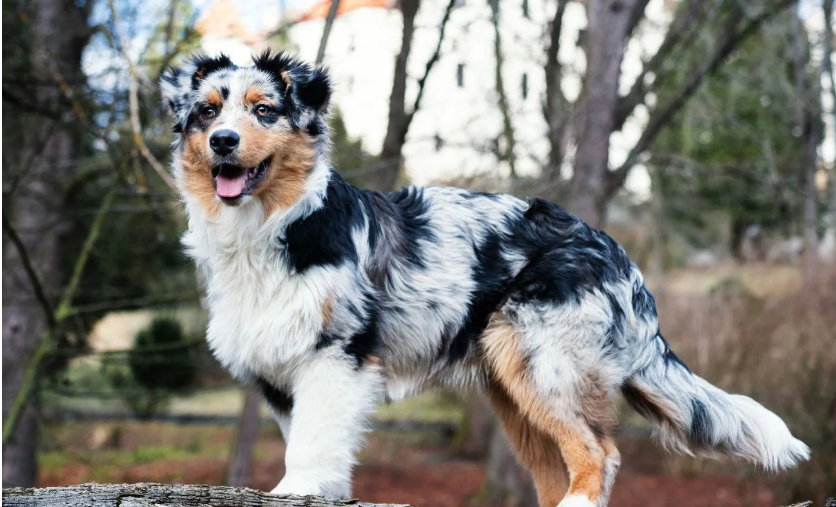
Australian Shepherds are high-energy dogs, and skipping exercise is not an option. Daily physical activity keeps them healthy, but more importantly, it prevents behavioral problems caused by pent-up energy.
Long walks, structured playtime, fetch, agility, and backyard games all help burn energy in healthy ways. Exercise should be regular and purposeful. When your Aussie’s body is tired in a good way, their mind relaxes too.
Teach Basic Commands and Practice Them Often
Basic obedience commands form the foundation of good behavior. Commands like sit, stay, come, and down aren’t just tricks—they’re tools that keep your dog safe and under control.
Keep sessions short and upbeat. Aussies learn quickly, but they also get bored if training feels repetitive. Practice commands in different environments so your dog learns to listen even with distractions. This builds reliability and strengthens your bond at the same time.
Redirect Herding Instincts Instead of Fighting Them
Herding is in your Australian Shepherd’s DNA. You can’t train it out of them, but you can guide it in healthy directions. Without guidance, that instinct may show up as nipping, chasing, or controlling movement.
Give your dog appropriate outlets. Structured games, agility training, and advanced obedience work allow them to use their natural instincts productively. When you work with their nature instead of against it, behavior improves faster and feels more natural for your dog.
Stick to a Regular Grooming Routine
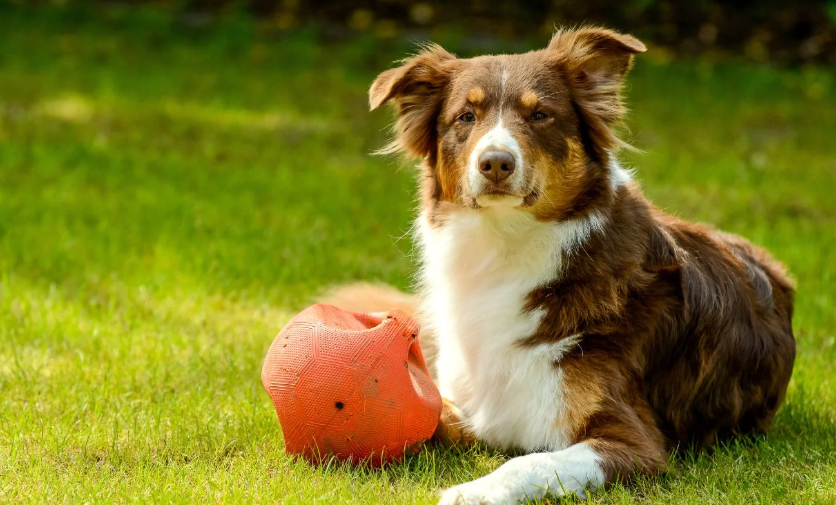
Grooming isn’t just about appearance—it’s about comfort and health. Australian Shepherds have thick coats that require regular care. Starting grooming early helps your dog feel relaxed with handling.
Brushing prevents matting and reduces shedding. Nail trims and ear cleaning should become routine, not stressful events. When grooming is calm and positive, it strengthens trust and makes care easier throughout your dog’s life.
Teach Calm Leash Walking
Walking an excited Aussie without leash training can feel like a workout you didn’t ask for. Teaching calm leash behavior early makes walks enjoyable instead of exhausting.
Start indoors, then move to low-distraction areas. Reward your dog for walking beside you and stop moving if they pull. With patience and consistency, your Aussie will learn that calm walking gets them where they want to go.
Stay Patient and Consistent With House Training
House training requires structure, timing, and patience. Take your puppy out frequently and stick to a predictable routine. Reward them immediately when they go in the right place.
Accidents happen, especially early on. Respond calmly and avoid punishment. Your dog isn’t being stubborn—they’re learning. A consistent routine leads to faster success and long-term reliability.
Balance Training With Love and Connection
Discipline without affection doesn’t work with Australian Shepherds. These dogs form deep emotional bonds and need to feel secure to thrive. Training should never feel cold or distant.
Spend quality time together outside of training. Play, relax, and simply enjoy each other’s company. When your Aussie feels loved and understood, they become more responsive, more confident, and more eager to work with you.
Final Thoughts of Training Tips for Australian Shepherd Owners
Training an Australian Shepherd is not a one-time task—it’s an ongoing relationship. Every walk, every game, and every interaction shapes their behavior. When you invest time, patience, and consistency, the payoff is huge.
Your Aussie isn’t just learning commands. They’re learning how to live with you, trust you, and be part of your world. With the right approach, you don’t just end up with a well-trained dog—you gain a loyal companion for life
All content on this site is written and reviewed by our experienced team to ensure it is accurate, reliable, and helpful for our readers. Our Our Process page explains how we carefully research and create high-quality content, while our Team page introduces the professionals behind our work. We also provide clear guidelines for content or image concerns on our Image Removal page, so you can trust that we prioritize transparency, quality, and reader safety.