How to Stop Your Dog From Eating Poop (Without Losing Your Mind)
Learning how to stop your dog from eating poop can feel frustrating, especially when it happens during a walk or in your backyard. I’ve dealt with this behavior before, and I know how unpleasant it can be. The good news is that many dogs can break this habit with patience, consistent training, and a better understanding of why they’re doing it in the first place.
Over the years, I’ve learned that poop eating doesn’t always mean something is seriously wrong. Sometimes it’s caused by curiosity, boredom, habit, or even environmental factors. Once I focused on the root cause instead of simply reacting, I started seeing much better results.
Save For later
Key Takeaways
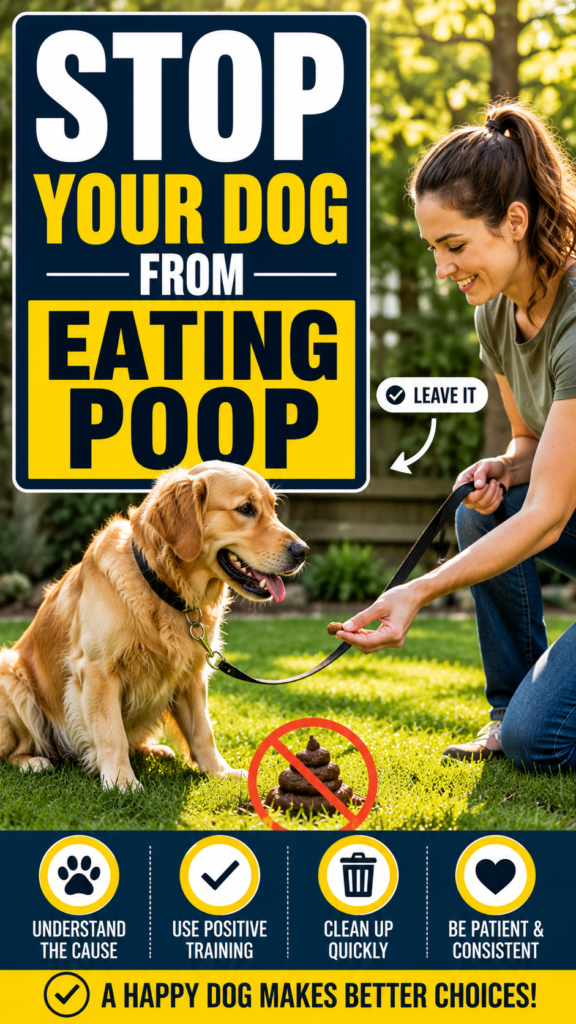
- Poop eating is a common behavior in both puppies and adult dogs.
- Identifying the reason behind the habit makes training more effective.
- Quick cleanup helps reduce opportunities for the behavior.
- Positive reinforcement works better than punishment.
- Consistent supervision speeds up the training process.
- Speak with your veterinarian if the behavior appears suddenly or becomes excessive.
Pro Tip
Whenever I’m working to stop this habit, I never leave poop sitting in the yard for long because prevention is much easier than correction. During walks, I keep my dog’s attention on me with treats, toys, or simple obedience cues before they reach anything tempting. I reward every successful “leave it” command immediately so my dog understands exactly what earned the reward. Short daily practice sessions have always been more effective than occasional long ones. Staying calm and consistent has produced much better results than reacting with frustration.
Other Posts
- How to Stop Puppy Barking with Simple Training Tips
- How to Stop Puppy Biting the Positive Way
- Easy Puppy Barking Solutions That Actually Work
Common Reasons Dogs Eat Poop
They’re Not Getting Enough Nutrition
One of the most overlooked reasons dogs eat poop is diet quality. When a dog’s food lacks proper nutrients, their body goes searching for what’s missing. Even if you’re feeding them regularly, low-quality food can leave them feeling unsatisfied. Dogs don’t think in terms of ingredients or labels—they simply follow instinct. If their body says something is missing, they’ll try to find it anywhere they can.
In real-life experience, many owners notice a change within weeks of switching to a higher-quality, protein-rich diet. Better digestion, firmer stools, and reduced interest in poop often go hand in hand. When your dog feels full and nourished, desperation behaviors tend to fade.
They’re Bored and Understimulated
Dogs need more than food and shelter. When a dog isn’t mentally or physically engaged, they look for stimulation wherever they can find it. For some dogs, poop becomes something to explore, chew, or consume simply because there’s nothing else going on.
This is especially common in dogs who don’t get enough walks, playtime, or interaction. Boredom doesn’t always show up as chewing furniture—it can show up in strange habits like this one. When dogs are tired in a healthy way, they’re far less likely to seek out unpleasant distractions.
Instinct Is Still at Play
As strange as it sounds, poop-eating can be rooted in instinct. Mother dogs naturally clean up after their puppies to keep the living area safe. That instinct doesn’t always disappear completely, even when it’s no longer necessary. Some dogs carry this behavior forward without realizing it’s unwanted.
Certain breeds are also more prone to this habit. Dogs known for being food-driven or highly curious may be more likely to experiment with things they shouldn’t. It’s not a flaw—it’s wiring.
There Could Be a Health Issue
If your dog suddenly starts eating poop or becomes obsessive about it, a medical reason should always be considered. Parasites, digestive disorders, thyroid imbalances, and nutrient absorption problems can all trigger this behavior. Your dog may genuinely feel hungry even after eating.
From experience, this is one of the biggest red flags. Sudden changes in behavior are your dog’s way of telling you something isn’t right. Ignoring it can delay proper treatment and make the habit harder to break.
How to Stop a Dog From Eating Poop
Fix the Food First
Upgrade What’s in the Bowl
Food matters more than many people realize. Dogs thrive on meals made with real, identifiable ingredients. When protein is the first ingredient and fillers are minimal, dogs feel satisfied longer. A well-fed dog is far less likely to treat poop like a backup snack.
Once nutrition improves, many owners notice not just behavioral changes, but better energy levels, shinier coats, and healthier digestion.
Support Digestion Naturally
Some dogs benefit from digestive support like probiotics or enzyme supplements. These help the body absorb nutrients properly instead of passing them through unused. When digestion improves, poop becomes less appealing, both in smell and taste.
Simple additions like pumpkin or pineapple are often used to support gut health and discourage the behavior naturally.
Adjust Feeding Schedules
Instead of one or two large meals, spreading food into smaller portions throughout the day can make a big difference. Hunger-driven behaviors tend to disappear when a dog knows food is consistently available. A dog that feels secure about meals is less likely to scavenge.
Train With Consistency, Not Frustration
Teach a Strong “Leave It” Command
Training is one of the most powerful tools you have. A solid “leave it” command teaches your dog impulse control. It’s not about punishment—it’s about communication. When your dog understands what you expect, they’re more likely to listen.
Practicing this command daily, even away from poop, builds reliability. Over time, your dog learns that ignoring something earns better rewards than grabbing it.
Redirect Before the Moment Escalates
Timing matters. If you catch your dog before they reach for poop, redirection works incredibly well. A toy, a sudden change in direction, or a command they know well can break the focus instantly.
Dogs live in the moment. If you give them something better to do, they’ll usually take it.
Reward the Right Choices
Praise works. Dogs repeat behaviors that get attention and rewards. When your dog walks past poop without reacting, make it a big deal. Your excitement teaches them that this choice was the right one.
Yelling or punishment often backfires, causing anxiety instead of learning. Calm, positive reinforcement builds trust and long-term change.
Control the Environment
Remove Temptation Immediately
The easiest way to stop poop-eating is to limit access. Cleaning up waste as soon as possible removes the opportunity entirely. It’s simple, but it’s one of the most effective steps you can take.
In yards, routine cleanup prevents habits from forming. On walks, staying alert and keeping your dog moving helps avoid risky moments.
Keep Your Dog Engaged Daily
Mental stimulation is just as important as physical exercise. Puzzle toys, chew items, training games, and interactive play keep your dog’s mind busy. A fulfilled dog doesn’t look for trouble.
When to See a Vet
If you’ve improved diet, increased stimulation, trained consistently, and cleaned up the environment—and the behavior continues—it’s time for a vet visit. Persistent poop-eating often has an underlying cause that needs professional attention.
Blood work, stool tests, and dietary evaluations can uncover issues that aren’t visible on the surface. Addressing the root problem is the only way to stop the behavior permanently.
Last-Resort Management Options
In some cases, temporary tools may be needed. Taste deterrents can reduce interest, and basket muzzles can prevent access during walks while training and medical issues are addressed. These are not punishments—they’re safety tools used while real solutions are put in place.
Final Thoughts of How to Stop Your Dog From Eating Poop
Stopping poop-eating isn’t about quick fixes. It’s about understanding your dog, meeting their needs, and staying consistent even when it’s frustrating. Dogs don’t do this to be gross or rebellious—they do it because something is driving the behavior.
With patience, better nutrition, proper training, and attention to health, most dogs outgrow this habit completely. And when they do, walks become enjoyable again, yards feel cleaner, and you can stop watching the ground like a hawk.
You’ve got this. And your dog? They’re just being a dog—one who needs a little guidance.
All content on this site is written and reviewed by our experienced team to ensure it is accurate, reliable, and helpful for our readers. Our Our Process page explains how we carefully research and create high-quality content, while our Team page introduces the professionals behind our work. We also provide clear guidelines for content or image concerns on our Image Removal page, so you can trust that we prioritize transparency, quality, and reader safety.