
Easy Ways To Remove Grease Build-up In The Kitchen
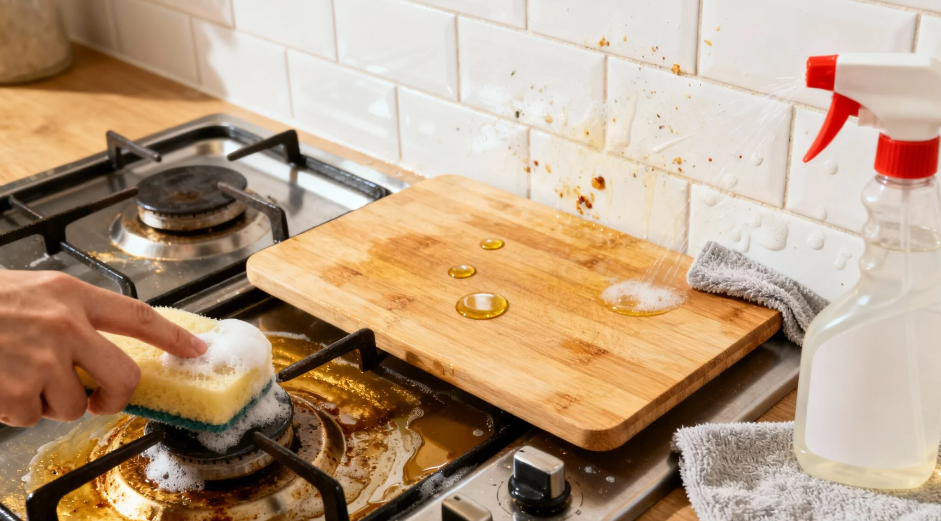
Keeping up with easy ways to remove grease build-up in the kitchen has saved me hours of frustrating scrubbing over the years. Grease has a way of settling on cabinets, countertops, appliances, and backsplashes without being obvious at first. Once it mixes with dust, it becomes much harder to clean, so I prefer tackling it before it turns into a thick sticky layer.
After years of cooking almost every day, I’ve learned that regular maintenance is much easier than dealing with months of buildup. A few simple cleaning habits and the right household products keep my kitchen looking fresh without relying on harsh chemicals or spending an entire afternoon scrubbing.
Save For later
Key Takeaways
- Grease builds up gradually on nearby kitchen surfaces.
- Cleaning small messes regularly prevents stubborn residue.
- Warm water and gentle cleaners often work better than harsh chemicals.
- Different surfaces may require different cleaning methods.
- Soft microfiber cloths help lift grease without scratching finishes.
- Consistent maintenance keeps the kitchen cleaner with less effort.
Pro Tip
Whenever I’m cleaning greasy cabinets or appliances, I always start with a warm, damp microfiber cloth before using any cleaner. Letting the cleaning solution sit for a minute or two helps soften stubborn grease without heavy scrubbing. I work in small sections so the cleaner doesn’t dry before I wipe it away. After removing the grease, I finish with a clean damp cloth to remove any leftover residue. Drying the surface immediately also helps prevent streaks, especially on glossy cabinets and stainless steel. This simple routine has kept my kitchen looking much cleaner with far less effort.
Other Posts
- How to Remove Dark Stains from White Clothes
- How to Remove Dog Pee from Carpet in 5 Easy Steps
- Simple Guide to Cleaning Wood Floors Properly
Why Kitchen Grease Is So Stubborn
Grease isn’t just oil sitting on top of a surface. Heat turns it into a magnet for dust and moisture. Once it cools, it bonds to whatever it lands on, which is why plain water often smears it instead of removing it. The longer it sits, the more stubborn it becomes.
Where Grease Builds Up First
Grease gathers fastest around heat and airflow. Cabinets near the stove, range hoods, vent filters, and backsplashes are prime targets. It also builds up quietly on microwave doors, appliance handles, oven knobs, refrigerator handles, and light switches because they’re touched constantly.
A slight yellow tint, resistance when you wipe, or fingerprints that won’t disappear easily are early signs that grease has already settled in.
Cleaners That Actually Break Down Grease
You don’t need a dozen specialty products. In real kitchens, a few basics handle nearly every grease problem when they’re used correctly.
Dish Soap and Hot Water
This is the backbone of grease cleaning. Dish soap is designed to break down fats, not just lift dirt. Hot water softens grease so the soap can surround it and carry it away. For fresh or moderate buildup, this alone solves most problems.
White Vinegar
Vinegar works well on light grease and residue, especially on glass, stainless steel, and tile. It cuts through film and leaves surfaces looking clearer. I use it after soap, not instead of it, for better results.
Baking Soda
When grease has hardened, baking soda helps loosen it. Mixed with a little water, it becomes a gentle paste that lifts grime without damaging most surfaces when used with care.
Rubbing Alcohol
For fingerprints, smudges, and light grease on stainless steel and appliance fronts, rubbing alcohol works quickly and dries fast. It’s especially useful when you want a streak-free finish.
Using Soap and Vinegar Together Properly
Soap and vinegar both work, but not at the same time. Clean first with dish soap, rinse, then follow with vinegar if needed. Mixing them cancels out the soap’s grease-cutting ability.
When a Commercial Degreaser Is Necessary
Some grease has been ignored for years. Cabinets feel almost fuzzy, and stoves look permanently discolored. In these cases, a commercial degreaser can help. It should be chosen based on the surface and used carefully. Think of it as a backup plan, not your everyday cleaner.
How to Clean Greasy Cabinets Without Damaging Them
Cabinets take the most abuse, especially near the stove. Wood and painted finishes need a gentle approach.
Safe Cabinet Cleaning Method
Start with warm water and dish soap using a microfiber cloth. Wipe with the grain and rinse the cloth often so grease isn’t spread around. For stubborn spots, apply a small amount of baking soda paste and let it sit briefly before wiping gently.
Always dry cabinets immediately. Water damage happens faster than most people realize. Once clean, a light protective layer can help reduce future stickiness.
High-Gloss vs Matte Cabinet Finishes
High-gloss cabinets clean easily but show smudges quickly. Matte and painted finishes require lighter pressure and should never be scrubbed aggressively.
Cleaning the Range Hood and Filters Properly
Range hoods collect grease by design, and when they’re dirty, grease ends up circulating back into the kitchen.
Metal Filter Cleaning
Remove the filters and soak them in hot, soapy water. Give the grease time to loosen before scrubbing gently. Filters must be completely dry before reinstalling.
Cleaning the Hood Exterior
Wipe stainless steel with the grain using vinegar or a mild degreaser. Gentle, consistent cleaning keeps buildup from hardening.
Charcoal Filters
Charcoal filters cannot be washed. They need regular replacement depending on how often and how intensely you cook.
Backsplashes, Grout, and Overlooked Areas
Grease clings to textured surfaces. Tile and grout trap oil and dust, making them harder to clean over time.
Ceramic and glass tiles respond well to vinegar after an initial soap wash. Grout benefits from baking soda paste worked in gently with a soft brush. Painted walls should be cleaned with diluted dish soap only and wiped carefully to protect the finish.
Small Touchpoints That Collect Grease Quickly
Oven knobs, refrigerator handles, microwave keypads, and light switches gather grease faster than expected because they’re touched constantly. Regular wiping keeps them from becoming sticky problem areas.
Pots, Pans, and Cooktop Care
Cookware and stovetops experience repeated heat, which bakes grease into surfaces.
Stainless steel responds well to heat and baking soda. Cast iron should be cleaned with salt and water, then dried and re-oiled. Nonstick surfaces need mild soap and patience. Gas grates clean best after soaking, and glass cooktops benefit from baking soda and warm moisture.
The Best Time to Clean Grease
Grease comes off easiest when surfaces are warm but safe to touch. Timing alone can cut cleaning effort in half.
How to Prevent Grease From Taking Over
Prevention saves more time than deep cleaning ever will. Wiping surfaces while food cooks, using lids or splatter screens, running the vent fan during and after cooking, and lining cabinet areas near the stove all make a noticeable difference. A quick weekly routine focused on high-use areas keeps grease from settling in long term.
What to Avoid to Protect Your Kitchen
Mixing chemicals is dangerous. Abrasive tools permanently damage finishes. Soaking wood causes swelling and peeling. Spraying liquids directly onto electronics risks failure. Vinegar damages natural stone. These mistakes cost more to fix than grease ever does.
Common Questions About Grease Cleaning
Baking soda is effective but mildly abrasive, so it isn’t suitable for every surface. Sticky residue on painted cabinets usually responds to dish soap first, followed by gentle vinegar if needed. Stainless steel stays streak-free when wiped with the grain and dried immediately. Range hood filters need cleaning or replacement based on cooking habits. Vinegar should never be used on stone surfaces. Hot water consistently makes grease removal faster and easier.
Conclusion of Ways To Remove Grease Build-up In The Kitchen
Grease only becomes overwhelming when it’s ignored. With regular attention, basic supplies, and simple habits, your kitchen stays clean without turning maintenance into a chore. When grease doesn’t get time to settle in, it never gets the chance to take over.
All content on this site is written and reviewed by our experienced team to ensure it is accurate, reliable, and helpful for our readers. Our Our Process page explains how we carefully research and create high-quality content, while our Team page introduces the professionals behind our work. We also provide clear guidelines for content or image concerns on our Image Removal page, so you can trust that we prioritize transparency, quality, and reader safety.