8 Puppy Necessities for First-Time Dog Owners: Don’t Get Caught Unprepared
The excitement of bringing home a puppy can quickly turn into panic if you realize you’re missing something important. When I first searched for puppy necessities for first-time dog owners, I thought I had everything covered, but I soon discovered there were a few essentials I hadn’t even considered. Having the right supplies ready before your puppy arrives makes those first days much less stressful for both of you.
Over time, I learned that a few well-chosen items can make potty training, feeding, sleeping, and daily care much easier. Instead of rushing to the pet store every other day, I now prepare everything in advance so my puppy can settle into a safe, comfortable home from the very beginning. It saves time, reduces stress, and helps create a smoother start for everyone.
Save For Later
Key Takeaways
- Stock up on essential puppy supplies before bringing your puppy home.
- Choose safe, age-appropriate toys and chew items.
- Set up a comfortable sleeping and resting area.
- Prepare feeding, grooming, and potty training essentials.
- Puppy-proof your home to prevent accidents and injuries.
- Stay organized to make the first weeks easier and less stressful.
Pro Tip
I like to unpack and organize every puppy item before the big day instead of waiting until my puppy arrives. I keep food, treats, leash, waste bags, and cleaning supplies in one easy-to-reach spot. Having a second water bowl in another room has also been surprisingly helpful. I rotate chew toys every few days to keep my puppy interested without constantly buying new ones. A small storage bin for puppy supplies keeps everything neat and saves time during busy days.
Other Posts
- Puppy Training Schedule by Age
- Your First 24 Hours With a New Puppy: What to Do
- Beginner’s Guide to Puppy Socialization
A Crate That Feels Safe, Not Punishing
Why a crate matters more than you think
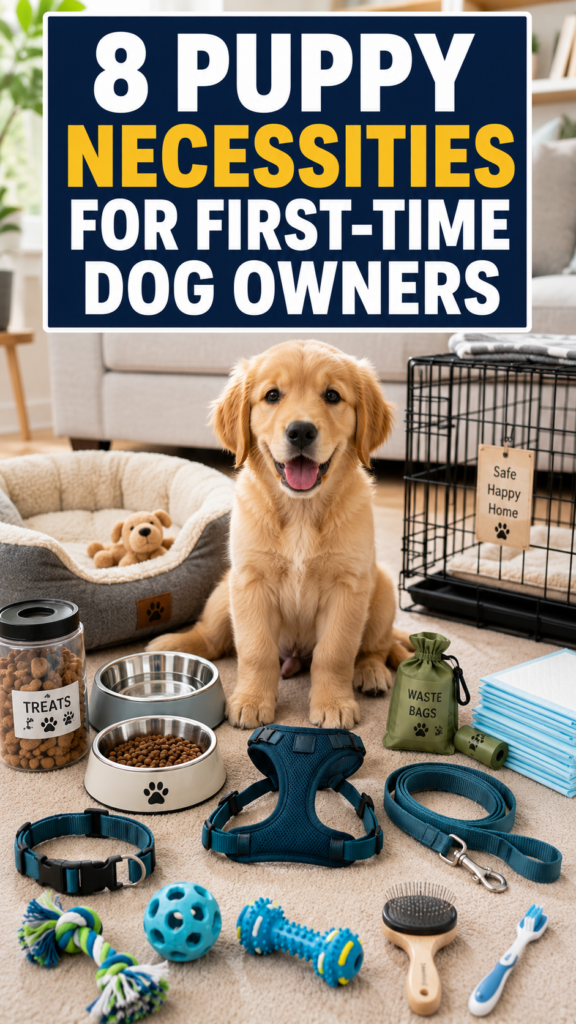
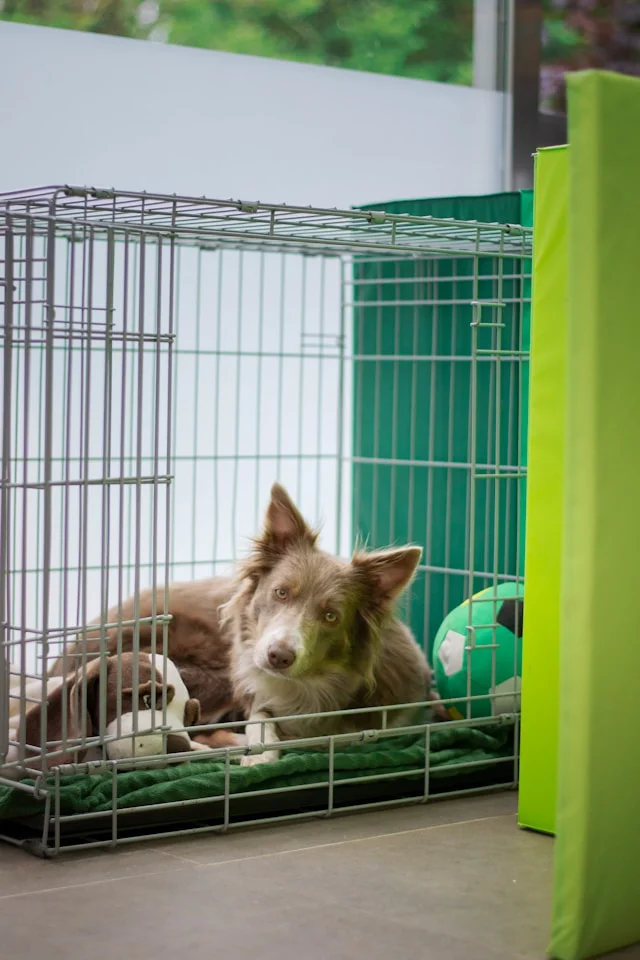
A crate isn’t about locking your puppy away. It’s about giving them a space that feels predictable and secure in a world that suddenly feels huge. Puppies naturally look for small, den-like areas when they’re tired or overwhelmed, and a crate fills that role perfectly.
From a practical point of view, a crate helps with potty training, prevents destructive behavior when you can’t supervise, and gives you peace of mind. From the puppy’s point of view, it becomes their personal retreat.
Choosing the right size and setup
Your puppy should be able to stand up, turn around, and stretch out comfortably—nothing more. Too much space encourages accidents. Inside the crate, keep things simple: a soft blanket or bed and maybe one safe chew toy. Don’t be surprised if bedding gets chewed early on; that’s normal puppy behavior, not defiance.
The first few nights can be rough. Crying doesn’t mean your puppy hates the crate or you’re doing something wrong. They’re adjusting to being alone for the first time. Stay consistent and calm—it passes faster than you expect.
Chew Toys That Save Your Home (and Your Hands)
Why chewing is non-negotiable
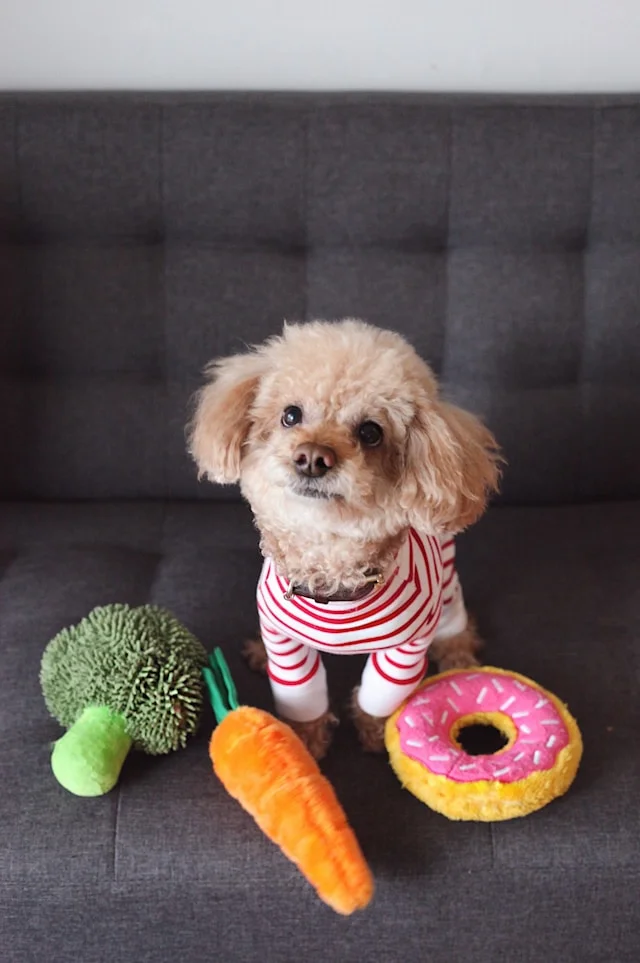
Puppies don’t chew to be destructive. They chew because their teeth hurt, their mouths are exploring, and they don’t yet know what’s acceptable. If you don’t give them proper outlets, they’ll choose your shoes, furniture, or fingers.
What actually works
Having multiple textures makes a huge difference. Rubber toys, soft toys, and rope toys all serve different needs. During teething, cold or frozen chew toys can provide real relief and noticeably calm your puppy.
Safety matters more than durability claims. If something can splinter, crack, or be swallowed, it doesn’t belong in a puppy’s mouth. No shortcuts here—this is about preventing emergencies, not just messes.
A Collar and Leash That Support Early Training
Starting small and simple
Even if your puppy isn’t going on long walks yet, a collar and leash are essential from the beginning. Short leash walks help with potty routines, leash manners, and confidence building.
Fit, comfort, and identification
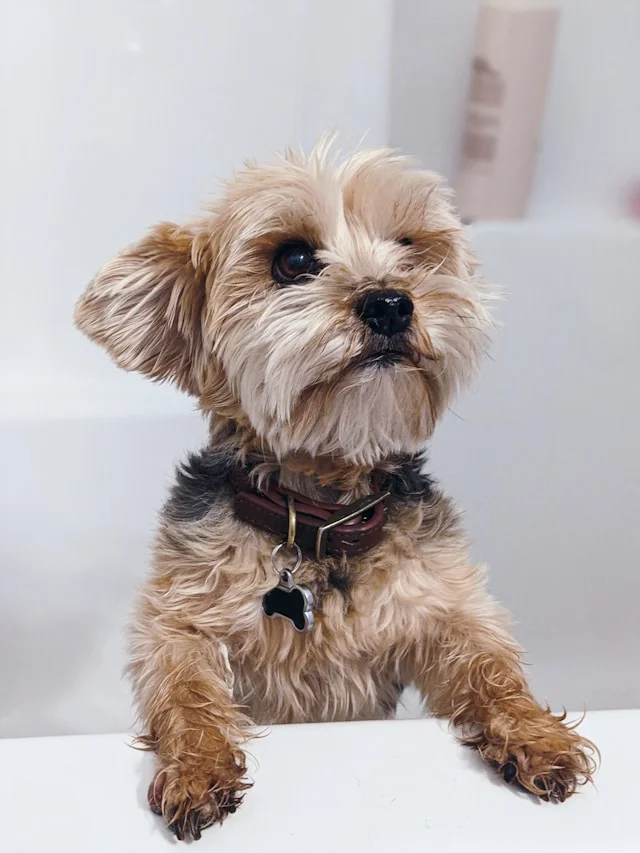
An adjustable collar is a must because puppies grow fast—sometimes shockingly fast. You should be able to slip two fingers comfortably between the collar and their neck. A lightweight leash gives you control without overwhelming them.
An ID tag isn’t optional. Puppies are curious and surprisingly good at escaping. Having your contact information attached can save hours of panic.
Feeding Your Puppy for Growth, Not Just Fullness
Why puppy nutrition isn’t the place to cut corners
Puppies burn energy constantly, and their bodies are developing at a rapid pace. Feeding them properly supports bones, joints, brain development, and long-term health. Just because a puppy will eat anything doesn’t mean they should.
What to focus on when feeding
Look for food where real animal protein is the foundation. Puppies of different sizes and breeds can have very different nutritional needs, so guidance from a veterinarian is invaluable here.
Portion control matters. Overfeeding can cause joint stress, digestive issues, and unhealthy weight gain. A round puppy belly might look cute, but balance is far more important than volume.
Pee Pads That Reduce Stress During Training
Accepting that accidents will happen
No matter how attentive you are, accidents are part of puppy life. Pee pads aren’t about giving up on outdoor training—they’re about protecting your floors and your sanity while your puppy learns.
Using pads the right way
Good pads absorb quickly and don’t leak. Placement matters: near doors and inside your puppy’s main area helps them start associating bathroom behavior with specific spots.
As your puppy improves, slowly reduce pad use instead of removing them all at once. Gradual change leads to fewer setbacks.
Puppy Gates That Set Boundaries Without Confusion
Why freedom too early causes problems
Giving a puppy access to the entire house sounds generous, but it usually leads to trouble. Puppies don’t understand danger, and they explore with their mouths.
Creating safe zones
Gates help you control where your puppy can go while still allowing them to observe and learn. Blocking kitchens, bathrooms, staircases, and cluttered areas prevents accidents before they happen.
Portable gates are especially useful as your puppy grows and earns more freedom over time.
Grooming Tools That Build Trust Early
Starting grooming before it’s necessary
Even short-haired puppies need brushing, and all puppies need baths eventually. Introducing grooming early helps them accept handling as normal rather than stressful.
Keeping it gentle and consistent
Use soft brushes designed for puppies and shampoos made specifically for their sensitive skin. Human products are too harsh and can cause irritation.
Making grooming a calm routine now prevents battles later when your puppy is bigger, stronger, and harder to manage.
Training Treats That Actually Motivate Learning
Why treats work so well
Puppies learn fastest through positive reinforcement. Treats give them immediate feedback that they did something right, which builds confidence and strengthens your bond.
How to use them effectively
Treats should be small, tasty, and not nutritionally empty, since you’ll be using them often. Puppies have individual preferences, so experimenting helps you find what really motivates yours.
Timing matters more than quantity. Reward immediately, and pair treats with praise so your puppy learns to respond even when treats aren’t visible.
Other Essentials You’ll Be Grateful You Bought
Accidents happen, so pet-safe cleaning solutions are a must. A comfortable bed gives your puppy a place to rest, even if they eventually decide your couch is better. Stable, non-tip food and water bowls make feeding calmer and cleaner.
Conclusion of Puppy Necessities for First-Time Dog Owners
The first week with a puppy can feel overwhelming. Your routine changes, your patience is tested, and sleep might be interrupted. But when you’re prepared, those challenges feel manageable instead of chaotic.
Puppies grow fast—physically and emotionally. What feels difficult today becomes second nature sooner than you think. And when your puppy curls up next to you after a long day, you realize that every bit of preparation was worth it.
All content on this site is written and reviewed by our experienced team to ensure it is accurate, reliable, and helpful for our readers. Our Our Process page explains how we carefully research and create high-quality content, while our Team page introduces the professionals behind our work. We also provide clear guidelines for content or image concerns on our Image Removal page, so you can trust that we prioritize transparency, quality, and reader safety.