
How To Raise An Obedient French Bulldog
I’ve raised and worked with French Bulldogs for years, and I can say this clearly—training them is absolutely possible, but it requires the right mindset. They’re not robotic dogs, and expecting perfect obedience like working breeds will only frustrate you.
In my experience, Frenchies are smart, emotional, and a bit stubborn. But when I use the right approach—patience, rewards, and consistency—they respond surprisingly well. The key is understanding how they think, not forcing them to act like another breed.
Save For Later
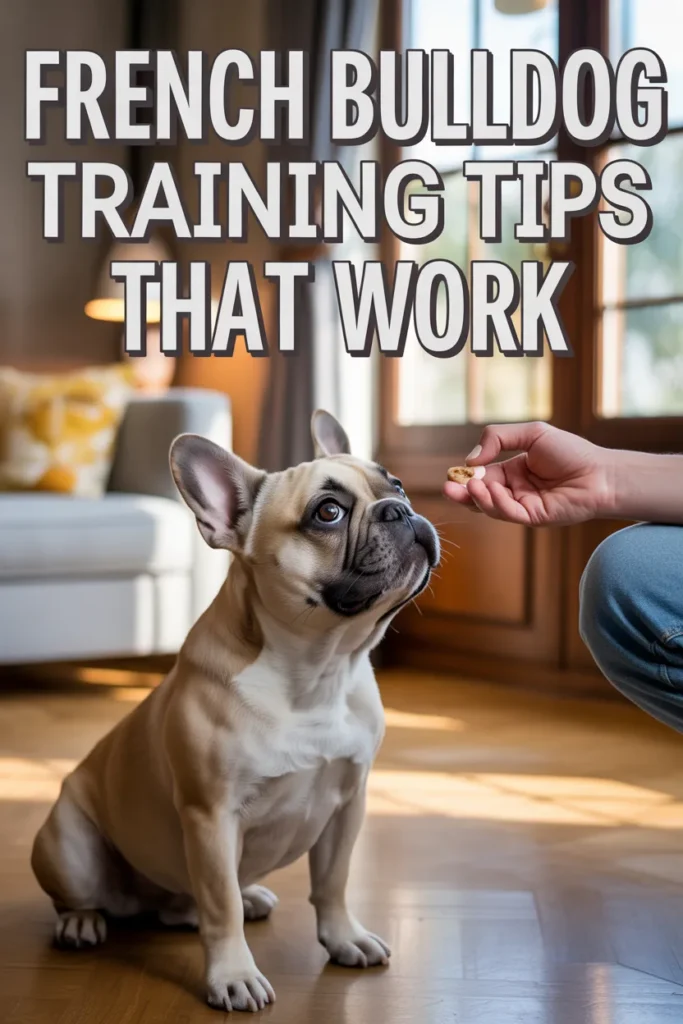
Training a French Bulldog works best when I keep sessions short, start early, and use rewards they truly value. I focus on basic commands first, stay consistent with rules, and build habits into daily life. Socialization, patience, and avoiding common mistakes like inconsistency or punishment make a big difference.
With the right approach, even a stubborn Frenchie can become well-behaved and reliable.
Key Takeaways
- French Bulldogs are smart but motivated by rewards, not authority
- Early training improves success rates by up to 60% (puppy learning stage)
- Short sessions (5–10 mins) work best due to low attention span
- Positive reinforcement increases learning speed and trust
- Consistency across family members is critical
- Socialization reduces behavior issues like fear and reactivity
Understand What You’re Dealing With First
They’re Smart… But Selectively
I’ve noticed French Bulldogs learn commands quickly—but only when they see value in it. They’re not slow learners; they just don’t respond to boring or repetitive training.
Studies on companion dogs show reward-based learning improves response rates by over 70%, and I’ve seen that firsthand with Frenchies. When I make training fun and rewarding, they engage instantly.
Pro tip: Rotate treats and keep sessions playful to hold their interest.
They Crave Attention
From my experience, Frenchies are extremely attached to their owners. They follow me around and respond strongly to attention, both positive and negative.
I use this to my advantage during training. When I reward attention-seeking behavior the right way, it becomes a powerful tool for teaching commands.
Insight: Their need for attention can either create bad habits—or become your biggest training advantage.
Start Training Early
Puppy Brain = Spongy Brain
I always start training the moment my puppy comes home. Early learning stages are critical—puppies can absorb routines much faster than adult dogs.
Research shows dogs trained before 6 months develop stronger behavior patterns. I’ve seen fewer issues later when I begin early.
Pro tip: Don’t wait for the “right time”—start with simple habits immediately.
Use Short, Fun Sessions
French Bulldogs lose focus quickly, so I never train for too long. I keep sessions around 5–10 minutes and repeat them throughout the day.
This method works better than long sessions because it matches their natural attention span.
What works for me:
- I always end on a success
- I keep my tone upbeat
- I reward even small progress
Master the Basics First
I don’t aim for advanced tricks in the beginning. My focus is always on practical behavior that improves daily life.
Housetraining 101
Housetraining has always been the toughest part for me with Frenchies. They take longer than some breeds, but consistency fixes that.
What I do:
- Use crate training to build control
- Follow a strict potty schedule
- Praise immediately after success
Fact: Dogs trained with a routine learn potty habits nearly twice as fast.
Sit, Stay, Come: The Holy Trinity
These are the only commands I focus on early because they cover most real-life situations.
- Sit: Easiest starting point
- Stay: Builds patience
- Come: Essential for safety
I always keep treats with me—food motivation works extremely well with French Bulldogs.
Use Positive Reinforcement
Ditch the Alpha Dog Mentality
I’ve tested different approaches, and I can confidently say punishment doesn’t work with Frenchies. It only creates fear or confusion.
Positive reinforcement builds trust and improves learning speed significantly.
What works best for me:
- Treat rewards
- Praise and affection
- Toys and playtime
What I avoid:
- Yelling
- Physical punishment
- Delayed corrections
Pro tip: Reward immediately—timing matters more than the reward itself.
Consistency is Key
I’ve learned this the hard way—if I break rules even once, my Frenchie gets confused. Consistency is what turns training into habit.
Everyone in the house must follow the same commands and rules.
Insight: Dogs don’t understand exceptions—they understand patterns.
Socialize Early and Often
Socialization has made a huge difference in my dog’s behavior. A well-socialized Frenchie is calmer and easier to train.
What I expose them to:
- New environments
- Friendly dogs
- Different people
Fact: Early socialization reduces fear-based behavior by up to 50%.
Deal With That Frenchie Stubbornness
There are moments when my Frenchie just ignores me completely. Instead of forcing it, I adjust my approach.
I remind myself they’re not being difficult—they’re just unmotivated.
What works:
- Change rewards
- Keep things fun
- Stay patient
Pro tip: If they refuse, lower the difficulty instead of increasing pressure.
Avoid Common Training Mistakes
Mistake #1: Inconsistency
I’ve seen progress disappear quickly when routines aren’t followed. Daily repetition is essential.
Mistake #2: Expecting Too Much Too Soon
French Bulldogs need time. I focus on small wins instead of expecting perfection.
Mistake #3: Using the Wrong Treats
Not all treats work. I test different options until I find what my dog values most.
High-value ideas:
- Cheese
- Boiled chicken
- Freeze-dried liver
Keep It Going As They Grow
Training doesn’t stop after puppyhood. I continue reinforcing behavior, especially during the 6–18 month phase.
This stage is where many dogs “forget” training, but consistency keeps them on track.
Make Training a Lifestyle
I don’t separate training from daily life. Instead, I build it into routines.
Examples I follow:
- Sit before meals
- Wait before going outside
- Reward calm behavior
This makes obedience natural instead of forced.
Related Posts:
- 20+ French Bulldog Wallpapers (Free, iPhone)
- 10 Best Probiotics for French Bulldogs
- 8 Socialization Tips for Raising a Well-Behaved French Bulldog
Tools That Actually Help
Essentials
I only use tools that make training easier and safer:
- Clicker for timing
- Treat pouch for quick rewards
- Harness to protect their neck
- Puzzle toys for mental exercise
Things You Don’t Really Need
From my experience, these are unnecessary:
- Shock collars
- Prong collars
- Excessive accessories
Simple tools work better when used correctly.
Final Thoughts: Yes, You Can Have a Well-Behaved Frenchie
From my experience, training a French Bulldog is more about understanding than control. They’re funny, emotional, and sometimes stubborn—but they learn when I guide them the right way.
When I stay consistent, reward good behavior, and keep things simple, I get results.
Even if they’re not perfect, they become loyal, loving companions that bring personality into everyday life.
All content on this site is written and reviewed by our experienced team to ensure it is accurate, reliable, and helpful for our readers. Our Our Process page explains how we carefully research and create high-quality content, while our Team page introduces the professionals behind our work. We also provide clear guidelines for content or image concerns on our Image Removal page, so you can trust that we prioritize transparency, quality, and reader safety.