10 Vegetables Dogs Should Eat (And 2 To Avoid)
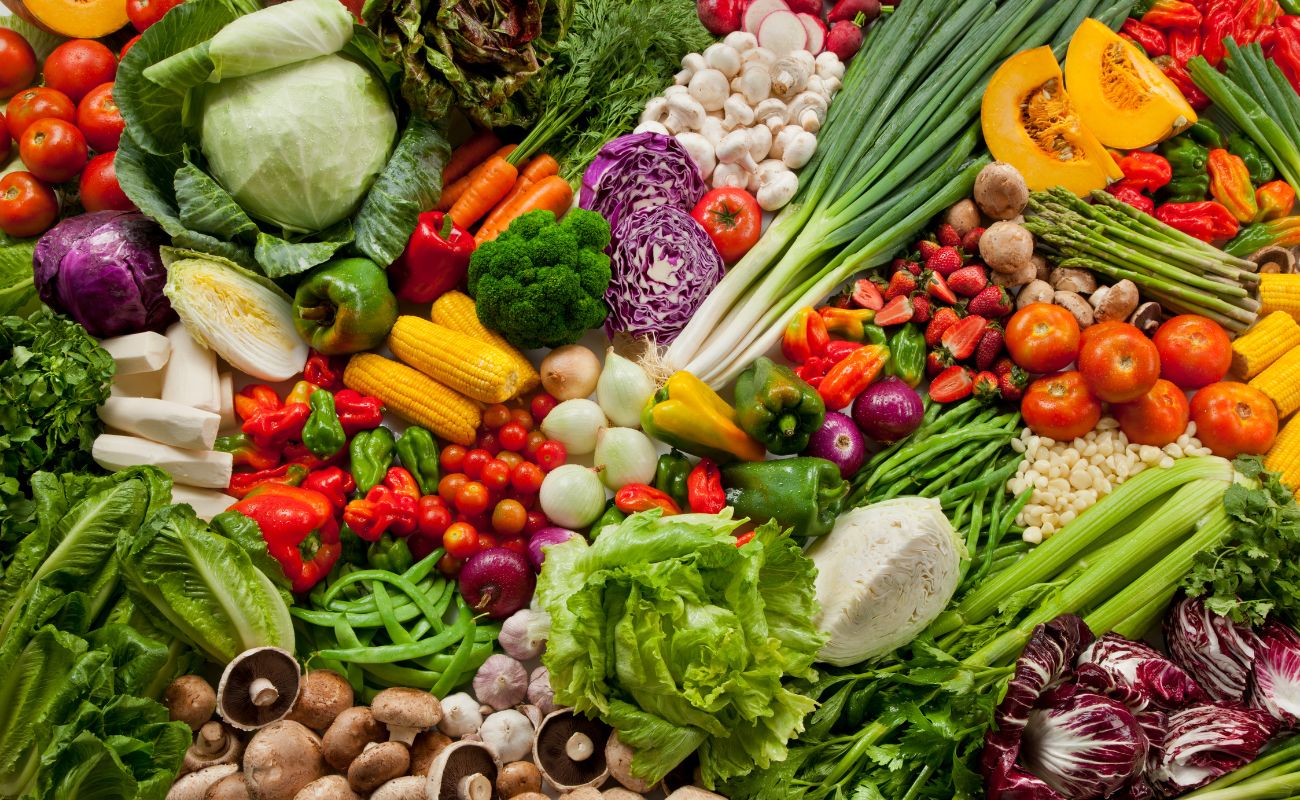
When people think about a healthy canine diet, they usually focus on protein first. But over the years, I’ve found that adding the right vegetables dogs should eat can make a noticeable difference in digestion, energy levels, and overall wellness. The key is knowing which vegetables are beneficial and which ones should stay off the menu.
I learned this firsthand while caring for dogs with different dietary needs. Some vegetables became regular additions to their meals and worked wonderfully, while others caused stomach upset or were simply unsafe. Knowing the difference helped me build healthier meal plans and avoid unnecessary risks.
Save For later
Key Takeaways
- Many vegetables provide important vitamins, minerals, and fiber for dogs.
- Low-calorie vegetables can support healthy weight management.
- Properly prepared vegetables are often easier for dogs to digest.
- Some vegetables contain compounds that can be harmful to dogs.
- New foods should be introduced gradually to monitor tolerance.
- A balanced diet works best when vegetables complement quality protein sources.
Pro Tip
One habit that has helped me tremendously is steaming vegetables before adding them to homemade dog meals. While some dogs handle raw veggies well, I noticed many digest cooked vegetables more comfortably. I also chop everything into small pieces to improve digestion and reduce choking risks. Whenever I introduce a new vegetable, I start with a very small portion for several days. This makes it easier to spot any digestive changes before making it a regular part of the diet. Keeping portions moderate has always produced the best results in my experience.
Other Posts
- Healthy Vegan Tofu Mixed Vegetable Dog Food Recipe
- Easy Dog Food Ideas Using Fresh Spring Vegetables
- Nutritious Vegan Quinoa Vegetable Bowl For Dogs
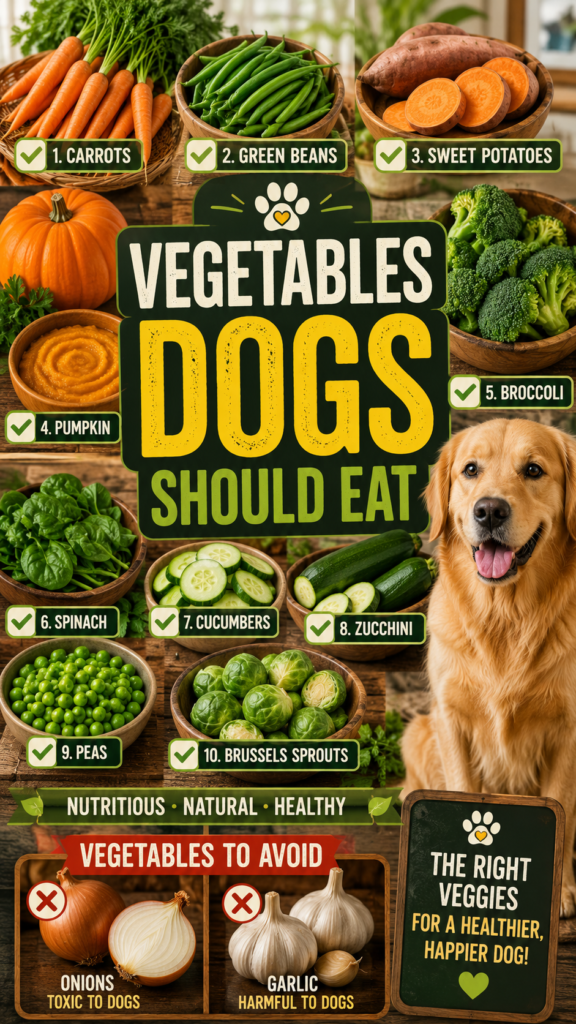
Vegetables Dogs Should Eat
1. Carrots
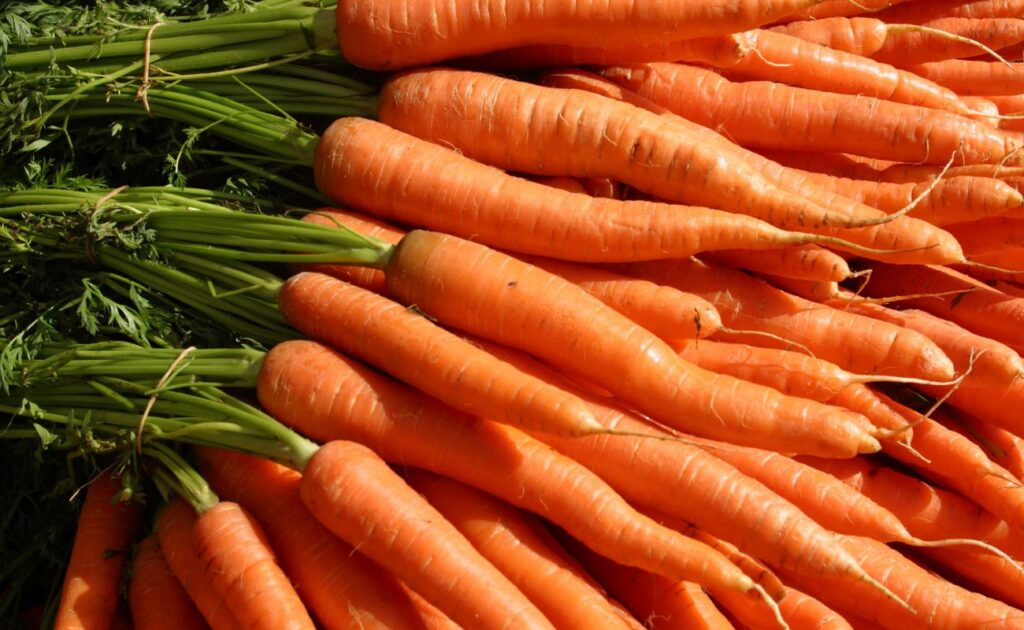
Carrots are one of my favorite go-to treats for my dogs. They’re crunchy, low in calories, and high in vitamin A, which supports vision and a healthy coat. They also act as a natural teeth cleaner when given raw. I always cut them into small, bite-sized pieces to prevent choking hazards. According to veterinary nutrition research, the beta-carotene in carrots can also help boost immunity.
2. Green Beans
Green beans are packed with fiber and vitamins C and K, making them perfect for a low-calorie snack. My dogs love them steamed or lightly boiled. Never add salt or seasoning. Fun fact: green beans are often recommended in weight management diets for dogs because they add bulk without adding fat.
3. Sweet Potatoes
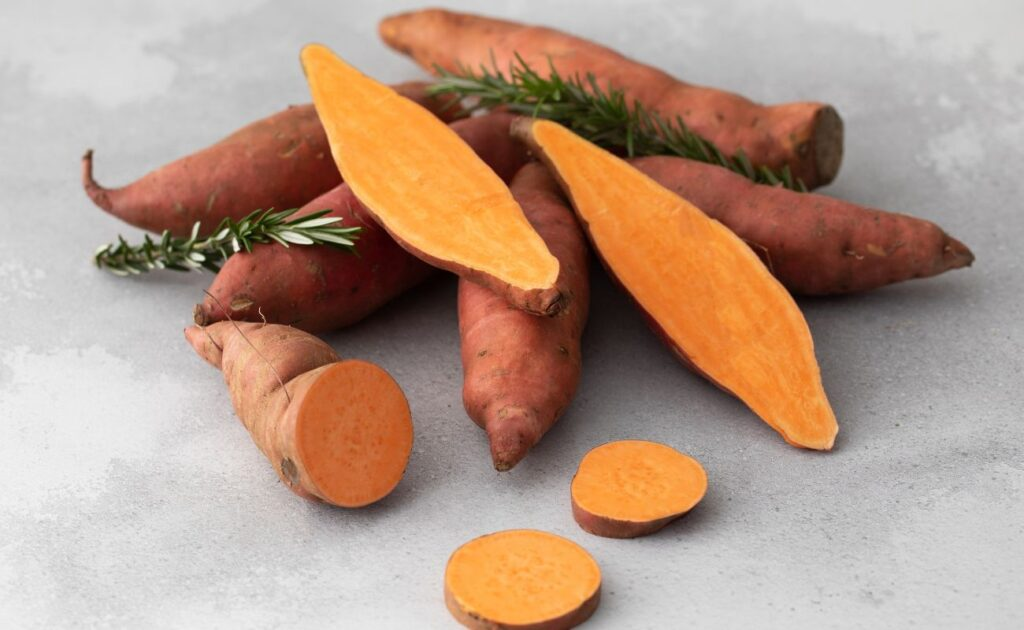
Sweet potatoes are a fiber and vitamin powerhouse. Rich in vitamins A, B6, and C, they help with digestion and overall gut health. I usually bake or steam them and mash them up or cut them into small chunks. Fiber-rich diets like this can help regulate stool consistency in dogs with sensitive stomachs.
4. Peas
Peas are small but mighty. They’re a good source of protein, vitamins A, B, and K, and minerals like iron. My dogs love them raw or lightly steamed. Avoid canned peas with added salt or preservatives. According to studies, peas can also help support heart health due to their antioxidant content.
5. Spinach
Spinach is rich in iron, vitamins A and C, and antioxidants, supporting immunity and skin health. I give it in moderation because high oxalate content can interfere with calcium absorption. Adding a small amount to meals occasionally can provide a nutrient boost without overdoing it.
6. Cucumbers
Cucumbers are hydrating and low-calorie, perfect for hot summer days. They contain vitamins K and C and antioxidants. I slice them into small, manageable pieces for my dogs, and they love the crunch. They’re especially good for overweight dogs as a filling, low-calorie snack.
7. Zucchini
Zucchini is low in calories and full of vitamins C and B6. It can be served raw or cooked. I usually lightly steam it for my dogs, but raw zucchini also works well as a crunchy snack. It’s excellent for dogs that need extra fiber in their diet.
8. Broccoli
Broccoli offers vitamins C and K and fiber. Cooked broccoli is easier for dogs to digest. I feed small portions because too much can cause gas. A study in canine nutrition journals shows that small amounts of broccoli can help neutralize free radicals and support overall health.
9. Brussels Sprouts
Brussels sprouts are high in vitamins A, C, and K, plus fiber. Cook them before serving to avoid digestive upset. I usually give 1–2 small halves at a time. Feeding large amounts can cause gas, so portion control is key.
10. Butternut Squash
Butternut squash is loaded with vitamins A and C and is a great source of fiber. Cooked and mashed, it’s easy for dogs to digest and mixes well into regular meals. I often blend it into their kibble to add extra nutrition without increasing calories.
Vegetables Dogs Should Avoid
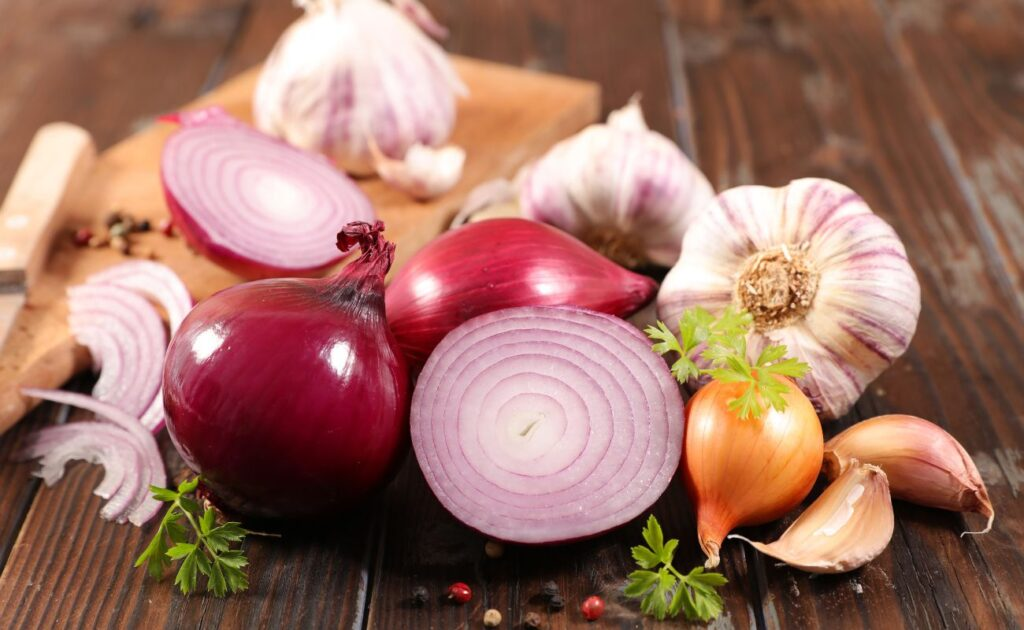
1. Onions
Onions are highly toxic to dogs. They contain compounds that damage red blood cells, causing anemia. Even small amounts, raw or cooked, can be dangerous. Signs of toxicity include vomiting, lethargy, and weakness.
2. Garlic
Garlic, like onions, can cause gastrointestinal upset and red blood cell damage. Even small quantities can lead to serious health issues. Symptoms of garlic poisoning include drooling, weakness, and loss of appetite. Always keep garlic far from your dog’s diet.
FAQ
Q: Can dogs eat all types of vegetables?
A: No. Only stick to dog-safe vegetables mentioned above and avoid toxic ones like onions and garlic. Introduce new vegetables gradually and monitor your dog.
Q: How should I prepare vegetables for my dog?
A: Cook vegetables that are hard to digest raw, like sweet potatoes or broccoli, but raw crunchy veggies like carrots or cucumbers are fine. Avoid seasoning, salt, and oil.
Q: Can vegetables replace my dog’s regular food?
A: No. Vegetables are a supplement, not a complete meal. They add variety, fiber, and nutrients but should never replace a balanced diet.
Q: What if my dog has a bad reaction to a vegetable?
A: Stop feeding the vegetable immediately and consult your veterinarian. Signs of intolerance may include vomiting, diarrhea, or lethargy.
Final Thoughts
Adding vegetables to your dog’s diet is an easy way to provide extra nutrients, support digestion, and keep meals interesting. Carrots, green beans, and sweet potatoes are safe and nutritious, while onions and garlic should always be avoided. With the right vegetables and portion sizes, your dog can enjoy a balanced, healthy, and varied diet. Your pup will thank you with a shiny coat, happy tummy, and wagging tail.
All content on this site is written and reviewed by our experienced team to ensure it is accurate, reliable, and helpful for our readers. Our Our Process page explains how we carefully research and create high-quality content, while our Team page introduces the professionals behind our work. We also provide clear guidelines for content or image concerns on our Image Removal page, so you can trust that we prioritize transparency, quality, and reader safety.