How to Feed a Healthy Diet to Your Guinea Pig
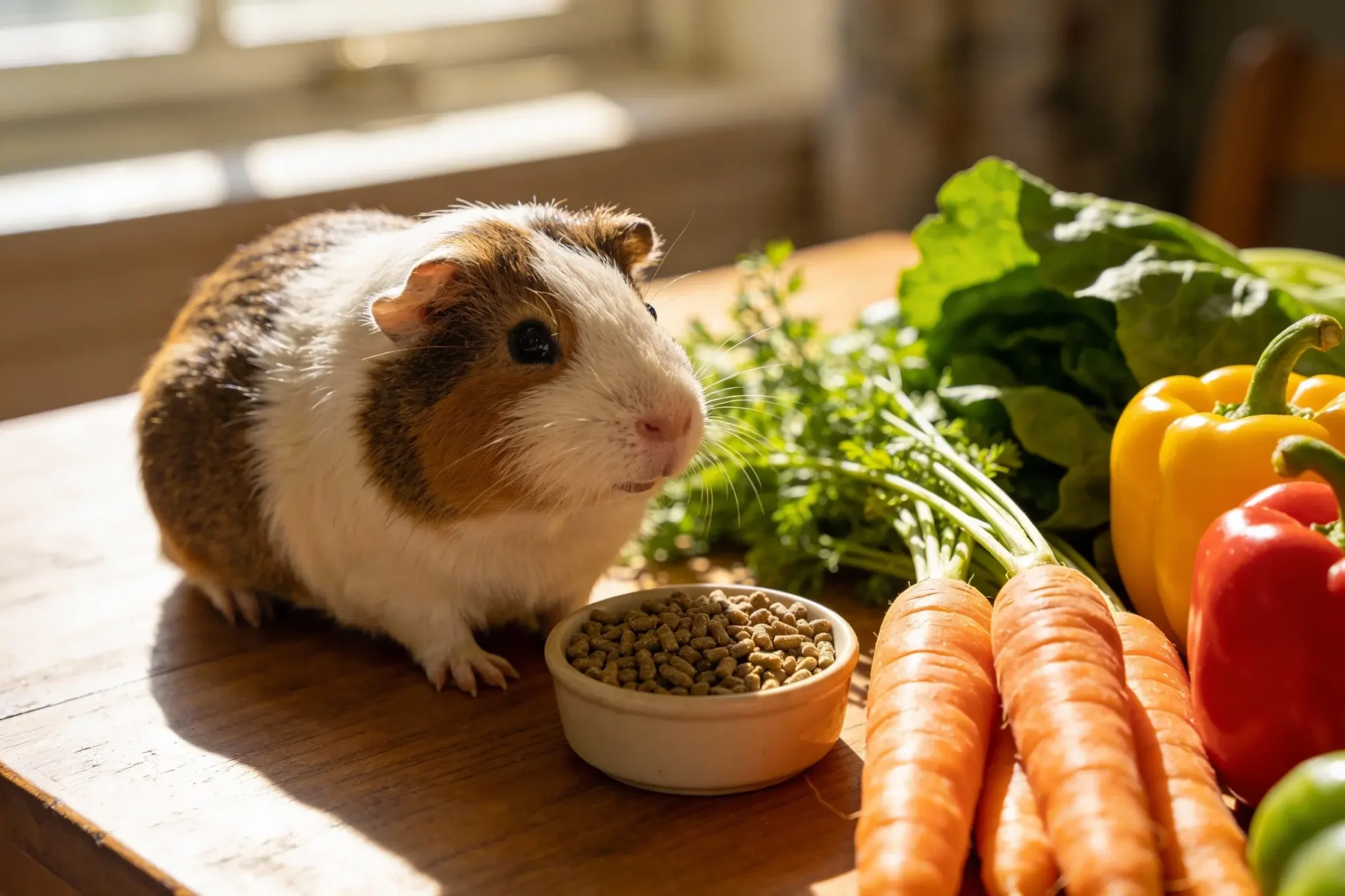
Feeding a guinea pig sounds simple until you start wondering if you’re offering the right foods every day. Learning how to feed a healthy diet to your guinea pig is one of the most important parts of keeping your pet active and healthy. Over the years, I’ve learned that a consistent feeding routine with fresh, nutritious foods does far more for a guinea pig than expensive treats or colorful food mixes.
I’ve watched guinea pigs become more energetic, maintain a healthy weight, and stay happier after making a few simple changes to their daily diet. Fresh hay, vitamin C-rich vegetables, quality pellets, and clean water all play an important role. In this guide, I’ll share the feeding habits I trust so you can feel confident that your guinea pig is getting everything it needs.
Save For Later
Key Takeaways
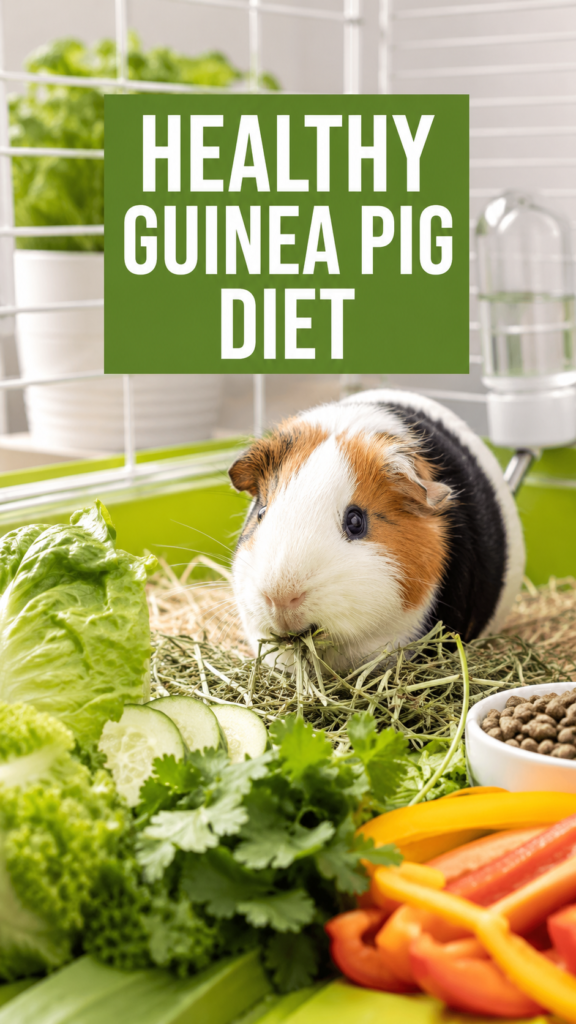
- Unlimited hay should be the foundation of every guinea pig’s diet.
- Feed fresh vegetables daily, especially those rich in vitamin C.
- Choose high-quality guinea pig pellets without colorful fillers.
- Always provide clean, fresh drinking water.
- Avoid sugary treats and foods that can upset digestion.
- A balanced diet supports healthy teeth, digestion, and weight.
Pro Tip
I like to prepare my guinea pig’s vegetables at the same time every day because it creates a predictable routine. I rotate safe vegetables throughout the week instead of feeding the same ones every day. Fresh hay is always available, and I replace any damp or dirty hay right away. I also check food bowls before adding more pellets to avoid overfeeding. Watching your guinea pig’s appetite and droppings can help you notice health changes early. Small daily habits often prevent bigger problems later.
Other Posts
- How to Keep Your Guinea Pig Happy and Socialized
- Common Guinea Pig Health Problems Every Owner Should Know
- Guinea Pigs vs. Rats: Which Pet Is Right for You?
The Foundation of a Proper Guinea Pig Diet
Think of your guinea pig’s diet as a simple structure with one massive pillar and a few smaller supports. When that main pillar is solid, everything else works smoothly.
Here’s the ideal breakdown:
- 80% unlimited grass hay
- 10–15% fresh vegetables
- 5–10% high-quality fortified pellets
- Unlimited fresh water
That’s it. No complicated formulas. No rotating “special blends.” Just balance and consistency.
Hay supports digestion and dental health. Vegetables provide fiber and essential nutrients, especially vitamin C. Pellets fill in nutritional gaps. Water keeps everything functioning properly.
When one of these components is missing or overfed, problems begin.
Hay: The Absolute Non-Negotiable
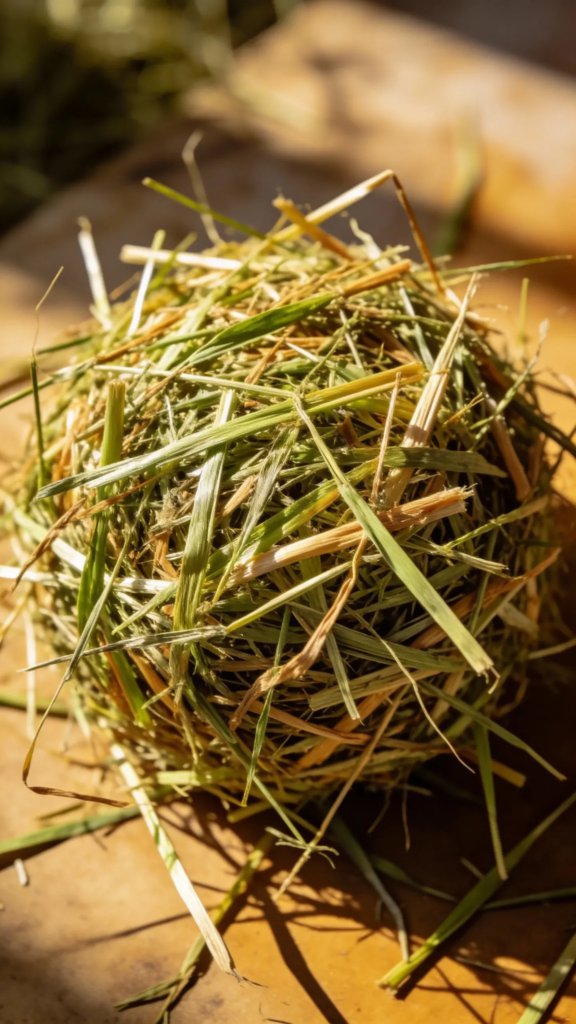
If you remember only one rule, let it be this: your guinea pig must have unlimited access to grass hay at all times.
Guinea pig teeth never stop growing. Without constant chewing, their teeth overgrow, misalign, and create painful mouth injuries. At the same time, their digestive system relies on a steady flow of fiber to function properly. Without enough hay, gut movement slows, which can quickly become dangerous.
Best Types of Hay
Timothy Hay
This is the gold standard for adult guinea pigs. It has the right balance of fiber and calcium.
Orchard Grass or Meadow Hay
Softer and often more fragrant. Excellent for picky eaters or owners sensitive to timothy dust.
Alfalfa Hay
Only appropriate for babies under six months, pregnant or nursing females, or underweight pigs. It contains too much calcium for healthy adults and can contribute to bladder issues if fed long-term.
How to Offer Hay Properly
- Provide large handfuls multiple times daily.
- Place hay in more than one area to encourage movement and foraging.
- Use a rack to reduce waste, but also scatter some loose hay for enrichment.
- Always discard hay that smells musty, damp, or dusty.
If you ever notice your guinea pig eating less hay, that’s an immediate red flag. Dental issues often show up this way first.
Fresh Vegetables: Daily Nutrition and Variety
Guinea pigs cannot produce their own vitamin C. Without it, they develop scurvy, which causes joint pain, weakness, poor healing, and lethargy. This isn’t rare—it happens quickly when diets are inadequate.
Fresh vegetables are your safest and most reliable vitamin C source.
Aim for about one cup of mixed vegetables per adult guinea pig per day.
Daily Staples (Feed Every Day)
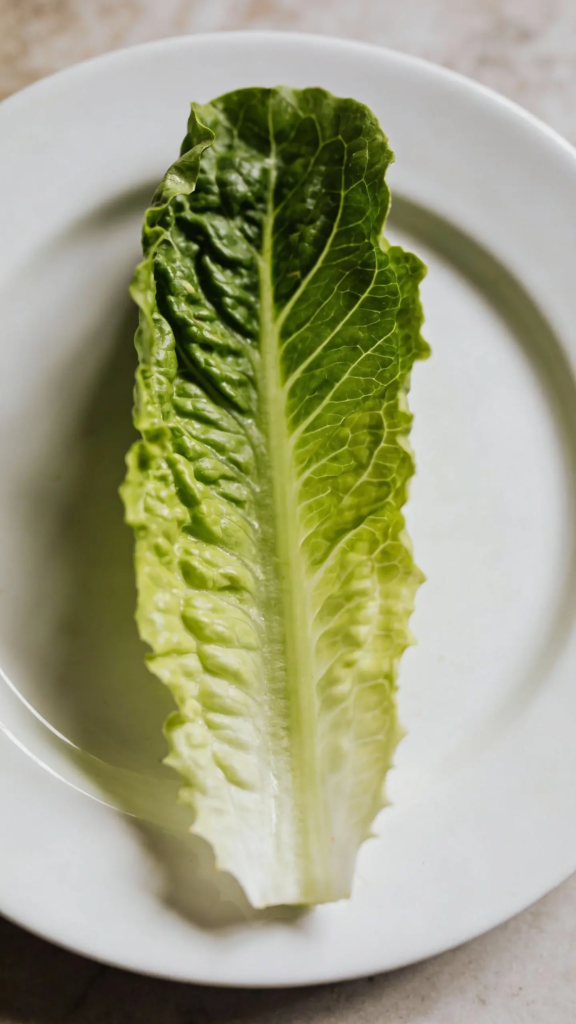
- Romaine lettuce
- Green leaf lettuce
- Red leaf lettuce
- Cilantro
- Bell peppers (any color, especially red)
- Endive
- Escarole
Bell peppers are especially powerful because they provide a strong vitamin C boost without excess sugar.
Vegetables to Rotate 2–4 Times Per Week
- Kale
- Parsley
- Spinach
- Carrots
- Cherry tomatoes (no leaves or stems)
- Cucumber
These are nutritious but higher in calcium or sugar, so moderation is important.
Portion Guidelines
- Leafy greens: a loose handful total per pig
- Bell pepper: 1–2 tablespoons daily
- Higher-calcium greens: just a few leaves at a time
- Carrot: thin slice, not a full stick
Whenever introducing a new vegetable, do it slowly. Sudden changes can cause bloating or soft stool. If droppings become mushy, simplify the diet back to hay and romaine for a few days.
Pellets: A Supplement, Not the Main Event
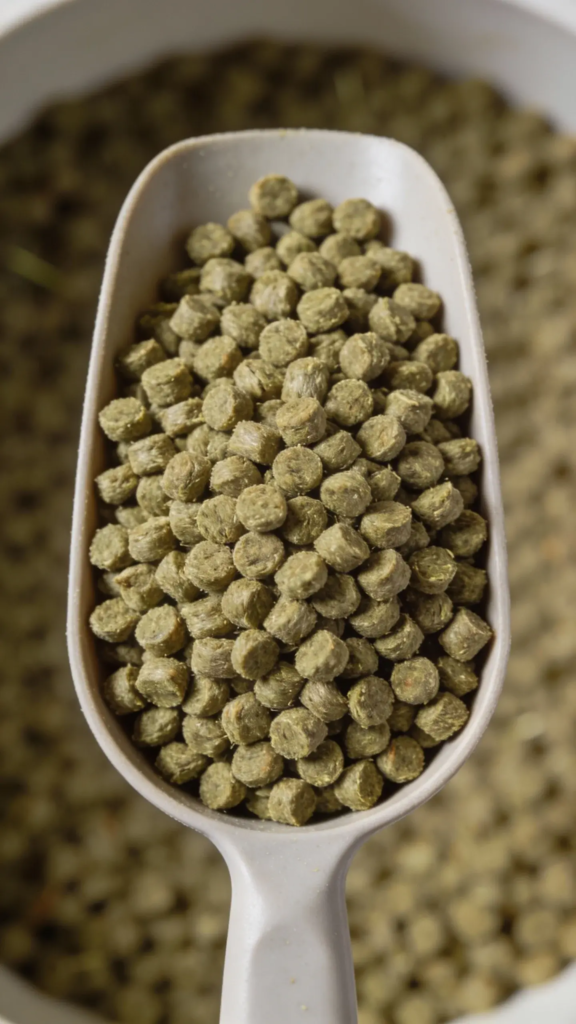
Pellets are often overfed. Many owners assume they are the primary food source. They are not.
Choose a plain, timothy-based pellet fortified with vitamin C. Avoid anything containing:
- Seeds
- Nuts
- Dried fruit
- Colored pieces
- Yogurt coatings
Those mixes are marketing gimmicks and often harmful.
Correct Pellet Amount
- Adults: 1–2 tablespoons per day per pig
- Babies or nursing mothers: may require alfalfa-based pellets temporarily under veterinary guidance
Store pellets in an airtight container away from heat and sunlight. Vitamin C degrades over time, so buying huge bags that sit for months is not ideal unless you have multiple pigs.
If your guinea pig fills up on pellets, they will eat less hay. That leads to dental and digestive trouble.
Water: Simple but Essential
Fresh water should always be available.
Some guinea pigs prefer bottles, others prefer bowls. The key is consistency. If you switch systems and notice reduced drinking, switch back. Hydration matters more than aesthetics.
Clean water containers daily. Slimy buildup forms quickly and can harbor bacteria. A small bottle brush and diluted vinegar work well for deep cleaning.
Treats: Keep Them Truly Occasional
Most commercial guinea pig treats are unnecessary and unhealthy. Seed sticks, cereal blends, yogurt drops, and sugary snacks cause more harm than joy.
Instead, use natural options.
Safe Treat Ideas
- Small sprigs of basil, mint, or dill
- A thin apple slice (no seeds)
- A strawberry or blueberry
- A small orange segment
- A thin slice of kiwi or melon
Limit fruit to two or three times per week in very small portions. Think thumbnail-sized.
Fruit is dessert, not a daily food.
Understanding Vitamin C Requirements
Each guinea pig needs approximately 20–30 mg of vitamin C daily.
You can meet this requirement through:
- Bell peppers
- Leafy greens
- High-quality fortified pellets
Avoid vitamin C drops in water. They degrade quickly and often discourage drinking due to taste changes.
If supplementation is needed, use a vet-approved chewable tablet with a known dose rather than altering the water supply.
Managing Calcium to Prevent Bladder Problems
Too much calcium contributes to bladder sludge and stones. Signs of trouble include:
- Gritty white residue in urine
- Straining to urinate
- Squeaking while peeing
To reduce risk:
- Avoid long-term alfalfa for adults
- Rotate high-calcium greens
- Ensure constant hay intake
- Encourage hydration
If you repeatedly see chalky urine residue, consult a veterinarian and review the diet carefully.
A Simple, Balanced Daily Feeding Routine
If you prefer structure, follow this easy rhythm.
Morning:
- Unlimited timothy hay
- 1 tablespoon pellets
- Romaine or green leaf lettuce
- 1 tablespoon chopped bell pepper
Evening:
- Refresh hay
- Cilantro, endive, or escarole
- Occasional cucumber slice
Twice weekly:
- A few kale or parsley leaves
- Tiny fruit treat
Keep water fresh at all times.
Splitting vegetables into two feedings prevents overeating and keeps your guinea pig engaged throughout the day.
Common Feeding Mistakes That Cause Problems
Even loving owners make these mistakes:
Overfeeding pellets, leading to weight gain and reduced hay intake.
Feeding iceberg lettuce, which offers minimal nutrition.
Introducing too many vegetables at once.
Relying on seed mixes for variety.
Using alfalfa long-term for adult pigs.
Skipping hay variety, causing boredom and reduced interest.
When in doubt, simplify. Hay first. Everything else second.
Special Situations and Adjustments
Young Guinea Pigs
Under six months old, they benefit from some alfalfa hay and possibly alfalfa-based pellets for growth. Gradually transition to timothy around six months.
Senior Guinea Pigs
Older pigs may need slightly softer hay varieties like orchard grass if dental wear becomes uneven. Monitor weight closely and adjust portions gently.
Overweight Guinea Pigs
Reduce pellet quantity slightly and increase hay access. Avoid fruit entirely until weight normalizes.
Picky Eaters
Mix new greens with familiar favorites. Warm vegetables slightly to room temperature if refrigerated. Patience works better than forcing sudden changes.
Yard Grass: Is It Safe?
Fresh grass is safe only if:
- It is completely pesticide-free
- It has not been treated with fertilizers
- It is not near roadside runoff
Introduce slowly. Never feed lawn mower clippings, as they ferment quickly and upset digestion.
How to Transition to Better Pellets
Switch gradually over 7–10 days:
- Days 1–3: 25% new, 75% old
- Days 4–6: 50/50
- Days 7–9: 75% new, 25% old
- Day 10: Fully transitioned
Monitor appetite and droppings. If your guinea pig refuses food entirely, slow the process slightly.
How to Know the Diet Is Working
A well-fed guinea pig shows:
- Firm, oval droppings
- Bright eyes
- Smooth coat
- Strong appetite for hay
- Consistent weight
- Active, curious behavior
If you see lethargy, weight loss, soft stool, reduced hay intake, or urinary discomfort, reassess immediately.
Final Thoughts on How to Feed a Healthy Diet to Your Guinea Pig
Feeding your guinea pig properly is not complicated, but it does require attention to detail. Unlimited hay. Measured pellets. Fresh leafy greens rich in vitamin C. Clean water. Minimal treats.
When you stay consistent and observe how your guinea pig responds, you build a routine that supports long-term health. You avoid preventable illnesses. You create stability.
And in return, you get a lively, vocal little companion who thrives because you made informed, thoughtful choices every single day.
All content on this site is written and reviewed by our experienced team to ensure it is accurate, reliable, and helpful for our readers. Our Our Process page explains how we carefully research and create high-quality content, while our Team page introduces the professionals behind our work. We also provide clear guidelines for content or image concerns on our Image Removal page, so you can trust that we prioritize transparency, quality, and reader safety.