

7 Things You Should not Do With Rhodesian Ridgebacks: Expert Tips
The first time I met a Rhodesian Ridgeback, I quickly realized this breed was nothing like the average family dog. Many people search for things you should not do with Rhodesian Ridgebacks because they struggle with stubborn behavior, endless energy, or training setbacks. After working with strong, independent dogs over the years, I’ve learned that avoiding a few common mistakes makes a huge difference.
I’ve seen well-meaning owners accidentally create bad habits simply because they didn’t understand how this breed thinks. Rhodesian Ridgebacks are intelligent, loyal, and protective, but they also need clear leadership, early socialization, and consistent routines. In this guide, I’ll share the biggest mistakes to avoid so you can build a happier and more trusting relationship with your dog.
Save For Later
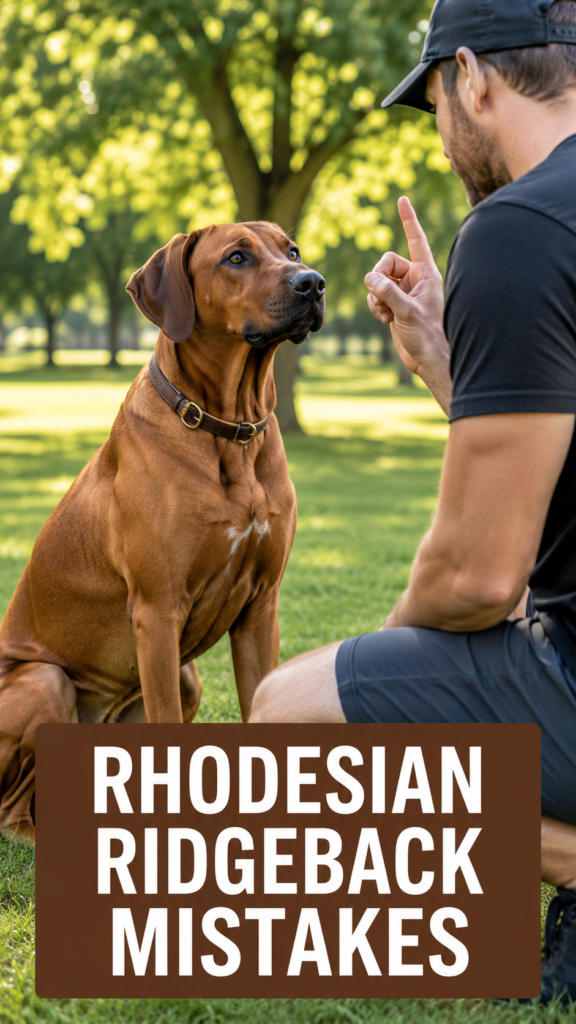
Key Takeaways
- Start training and socialization as early as possible.
- Avoid harsh punishment because it can damage trust.
- Give your Ridgeback plenty of daily physical and mental exercise.
- Always use secure fencing since this breed has a strong prey drive.
- Be consistent with rules to prevent stubborn behavior.
- Learn your dog’s natural instincts before expecting perfect obedience.
Pro Tip
One habit that has always worked for me is ending every training session on a positive note, even if progress is small. Rhodesian Ridgebacks respond much better when they feel successful instead of frustrated. I keep sessions short, use rewards they truly enjoy, and stay patient when they test boundaries. Consistency every day works better than one long weekend of training. If your dog seems distracted, add more exercise before practicing commands. A tired Ridgeback is usually much more focused and willing to learn.
Other Posts
- Things to Know Before You Get a Bull Terrier
- Things You Should Never Do With a Chihuahua
- Vegetables Dogs Should Eat and Avoid
1. Don’t Skip Their Exercise Routine

Rhodesian Ridgebacks are not your typical lap dogs—they were bred for stamina, speed, and endurance. These dogs thrive on physical activity and actually need it to stay happy and healthy. If you skip their exercise, they can become bored or restless, which often shows up as destructive behaviors like chewing, digging, or even excessive barking.
Save For Later

Try to dedicate at least an hour every day to vigorous activity. This can be a mix of running, long walks, hiking, or even interactive games in your backyard. They love challenges that let them stretch their muscles and burn energy. Think of it like giving them the freedom to use their body the way it was designed—it keeps them strong, fit, and content.
2. Avoid Neglecting Their Mental Stimulation

Exercise alone isn’t enough. Rhodesian Ridgebacks are extremely intelligent dogs, and they get bored easily if their minds aren’t challenged. When they don’t have enough mental engagement, they can become frustrated or even stubborn.
Using puzzle toys, interactive feeders, or training exercises can keep their brains active. Activities like obedience training, scent games, or agility courses give them something to focus on while strengthening your bond. A mentally stimulated Ridgeback is far calmer, more responsive, and generally much happier around the house.
3. Don’t Ignore Their Socialization Needs

Even though Ridgebacks are independent by nature, they still need exposure to other dogs, people, and environments. Socialization is crucial to help them grow into confident, well-mannered adults. If they’re not introduced to different experiences early, they might become overly reserved, anxious, or even aggressive in unfamiliar situations.
Take your Ridgeback to puppy classes, parks, and safe playdates. Let them meet new people and animals in positive, controlled ways. This helps them adapt, be friendly, and handle new experiences with confidence rather than fear.
4. Don’t Neglect Training and Boundaries

Ridgebacks are smart and strong-willed, which can sometimes come across as stubbornness. That’s why consistent training and clear boundaries are essential. If you’re inconsistent or vague with commands, they will test limits and may become difficult to manage.
Start with basic obedience early, use positive reinforcement, and be patient but firm. Setting rules isn’t about dominance—it’s about mutual respect and understanding. When your Ridgeback knows what’s expected, life becomes easier for both of you, and they feel secure knowing their place in the family.
5. Avoid Overfeeding or Poor Diet Choices

A healthy diet is one of the most important ways to keep a Ridgeback in peak condition. Overfeeding or giving low-quality food can lead to obesity, joint problems, and digestive issues.
Feed them a balanced diet suited for their age, size, and activity level. Make sure to check their weight regularly and adjust portions as needed. Protein-rich meals with minimal fillers work best. Keeping them at a healthy weight not only prevents health problems but also allows them to enjoy exercise without strain or fatigue.
6. Don’t Neglect Grooming Needs
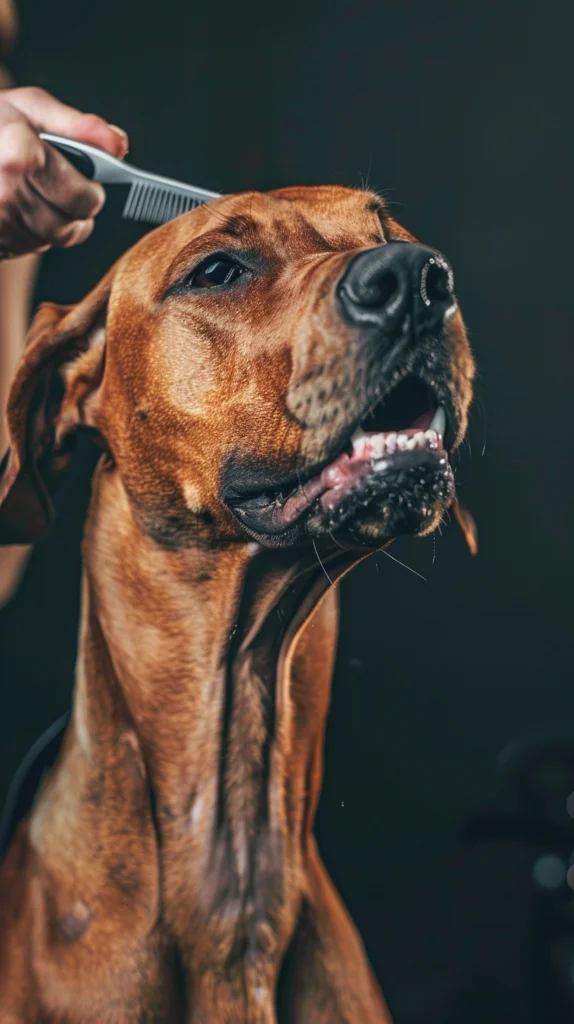
Even though Rhodesian Ridgebacks have short coats, grooming is more than just about looks. Regular brushing removes loose hair, distributes natural oils, and keeps their skin and coat healthy. Neglecting this can lead to skin irritations or a dull coat.
You should also check their ears, teeth, and nails regularly. Clean ears help prevent infections, brushing teeth keeps breath fresh and teeth strong, and trimming nails prevents discomfort or injury. Grooming is a key part of their overall health routine, not just a chore.
7. Avoid Overlooking Health Checks

Rhodesian Ridgebacks are generally healthy, but like any breed, they can be prone to certain conditions, such as hip dysplasia or thyroid issues. Regular vet visits are vital to detect problems early and maintain their well-being.
Make sure they receive routine vaccinations, flea and tick prevention, and annual exams. Watching for changes in behavior, mobility, or appetite can help catch health issues before they become serious. Staying proactive ensures your Ridgeback lives a long, energetic, and happy life by your side.
Frequently Asked Questions
1. What is the best way to exercise a Rhodesian Ridgeback?
They need activities that match their high energy and endurance. Long walks, runs, hikes, or active play sessions give them both physical and mental stimulation. They especially enjoy challenges that let them explore or run freely.
2. How do I manage my Rhodesian Ridgeback’s independent nature?
Consistency and patience are key. Use positive reinforcement to encourage good behavior and clearly define boundaries. They may challenge commands if they don’t see a purpose, so stay firm while keeping training fair and encouraging.
3. How can I ensure my Rhodesian Ridgeback is properly socialized?
Start young by introducing them to different people, dogs, and environments. Positive early experiences make them confident adults. Puppy classes and supervised outings are excellent ways to safely expand their social exposure.
4. What kind of diet is best for a Rhodesian Ridgeback?
High-quality, balanced dog food works best. It should be rich in protein, appropriate for their size and activity level, and free from unnecessary fillers. Monitor their weight and adjust portions as needed to keep them healthy and active.
5. How often should I groom my Rhodesian Ridgeback?
Weekly brushing keeps their coat smooth and healthy. Regularly check ears, teeth, and nails to prevent infections and maintain overall hygiene. Even with a short coat, grooming plays a big role in comfort and health.
6. Are Rhodesian Ridgebacks prone to any specific health issues?
Yes, they can face conditions like hip dysplasia, hypothyroidism, and certain cancers. Routine veterinary checkups, preventive care, and careful monitoring help catch issues early.
7. How can I keep my Rhodesian Ridgeback entertained when I’m busy?
Puzzle toys, interactive feeders, and safe playdates keep them occupied. Doggy daycare or supervised time with other dogs also helps provide stimulation and social interaction when you’re unavailable.
8. What are some signs that my Rhodesian Ridgeback might be bored or unhappy?
Look for destructive behaviors, like chewing, digging, or constant barking. If you notice these signs, it’s time to increase both mental challenges and physical exercise to keep them happy and fulfilled.
Final Thoughts of Things You Should not Do With Rhodesian Ridgebacks

Rhodesian Ridgebacks are loyal, intelligent, and energetic companions. Meeting their exercise, mental, social, and health needs ensures they thrive in your care. Paying attention to their diet, training, grooming, and routine checkups builds a strong, happy, and lasting bond that both you and your Ridgeback will cherish.
All content on this site is written and reviewed by our experienced team to ensure it is accurate, reliable, and helpful for our readers. Our Our Process page explains how we carefully research and create high-quality content, while our Team page introduces the professionals behind our work. We also provide clear guidelines for content or image concerns on our Image Removal page, so you can trust that we prioritize transparency, quality, and reader safety.