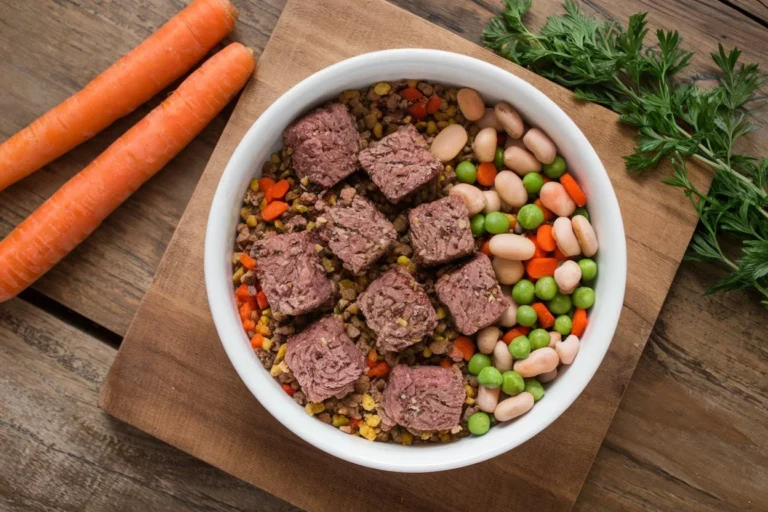
Meal Prep for Dogs: Chicken Dog Food & Vitamin B
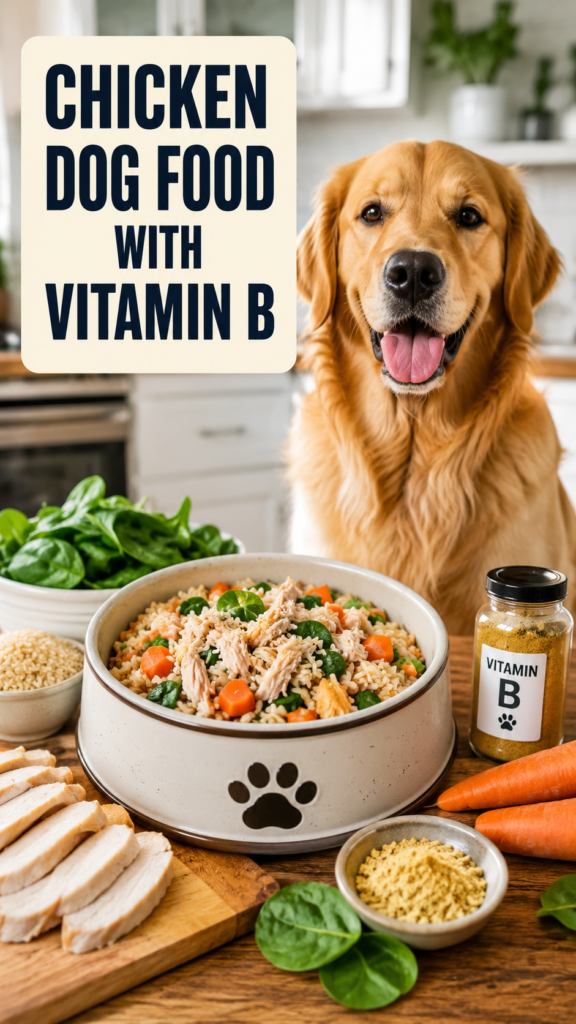
Making healthy meals at home can feel confusing when you want the best for your furry friend. I know many dog parents wonder if homemade food provides enough nutrients, especially when preparing chicken dog food with Vitamin B for daily meals. After years of caring for dogs and creating balanced recipes, I’ve learned that simple ingredients can make a big difference when they are combined properly.
I focus on using quality proteins, helpful vitamins, and dog-friendly ingredients to support my dogs’ overall wellness. A well-planned homemade meal can help maintain steady energy, healthy skin, a soft coat, and good digestion while giving you more control over what your dog eats.
Save For Later
Key Takeaways
- Homemade chicken meals can provide valuable protein for active and growing dogs.
- Vitamin B plays an important role in energy, metabolism, and overall health.
- Balanced recipes are important to avoid missing essential nutrients.
- Fresh ingredients allow you to control what goes into your dog’s food.
- Meal preparation can make feeding your dog easier throughout the week.
- Simple homemade recipes can support a healthier feeding routine.
Pro Tip
Prepare your dog’s meals in batches and store individual portions to save time during busy days.
Always choose plain cooked chicken without seasoning, salt, or harmful ingredients.
Add Vitamin B sources through safe, dog-friendly foods recommended for canine nutrition.
Keep a consistent feeding schedule to help support digestion.
Introduce new ingredients slowly to watch for any sensitivities.
Use fresh vegetables and quality proteins to create more balanced meals.
Always check with your veterinarian before making major diet changes.
Other Posts
- 4 Ingredient Chicken Broth Biscuits for Dogs
- Peanut Butter Carrot Hearts Dog Treats Recipe
- Turkey Apple Dog Treats Recipe
Why Chicken Rocks (But Isn’t Enough Alone)
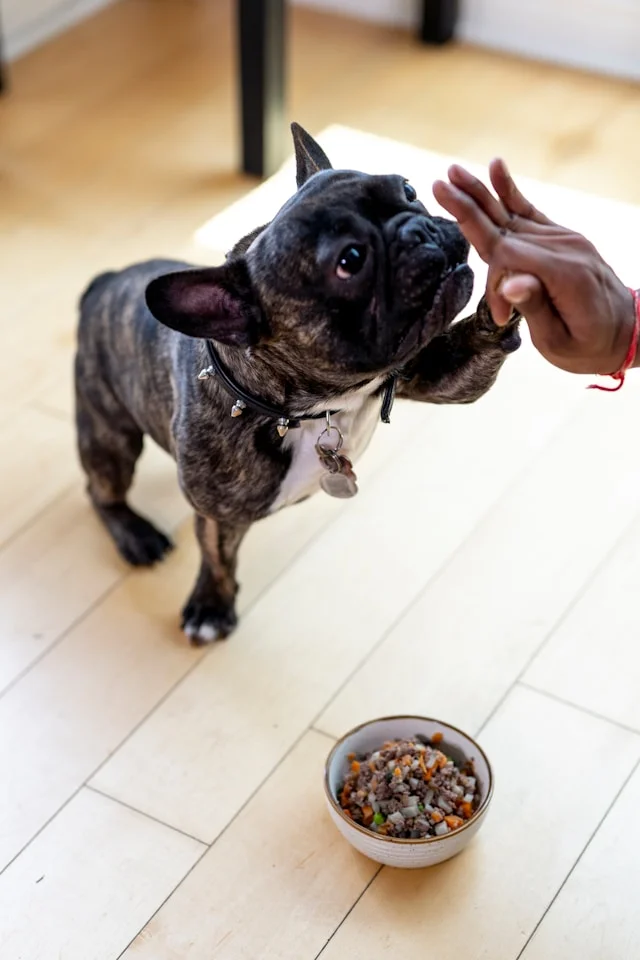
Chicken is one of my favorite base proteins for dogs. It’s lean, highly digestible, and rich in essential amino acids that support muscle maintenance and immune health.
Benefits of chicken for dogs:
- High-quality protein for muscle repair
- Naturally contains B vitamins like B3 (niacin) and B6
- Lower in fat than many red meats
- Generally gentle on sensitive stomachs
However, here’s where many well-meaning owners go wrong: plain boiled chicken every day is not balanced nutrition. I’ve seen dogs develop dull coats, low energy, and even mild deficiencies when fed unbalanced homemade diets long-term.
Vitamin B plays a crucial role in:
- Cellular energy production
- Brain and nervous system function
- Healthy red blood cell formation
- Skin and coat health
Chicken contains some B vitamins, but it doesn’t provide the complete B-complex in optimal ratios. That’s why smart additions matter.
Chicken alone is good. Chicken plus nutrient diversity is excellent.
The All-Star Cast: Best Dog-Safe Foods to Add
When I formulate homemade meals, I think in layers: protein, complex carbs, fiber, micronutrients, and healthy fats.
Here’s how I round out a chicken-based meal properly.
🥦 Veggies That Bring the Heat (Vitamin B, That Is)
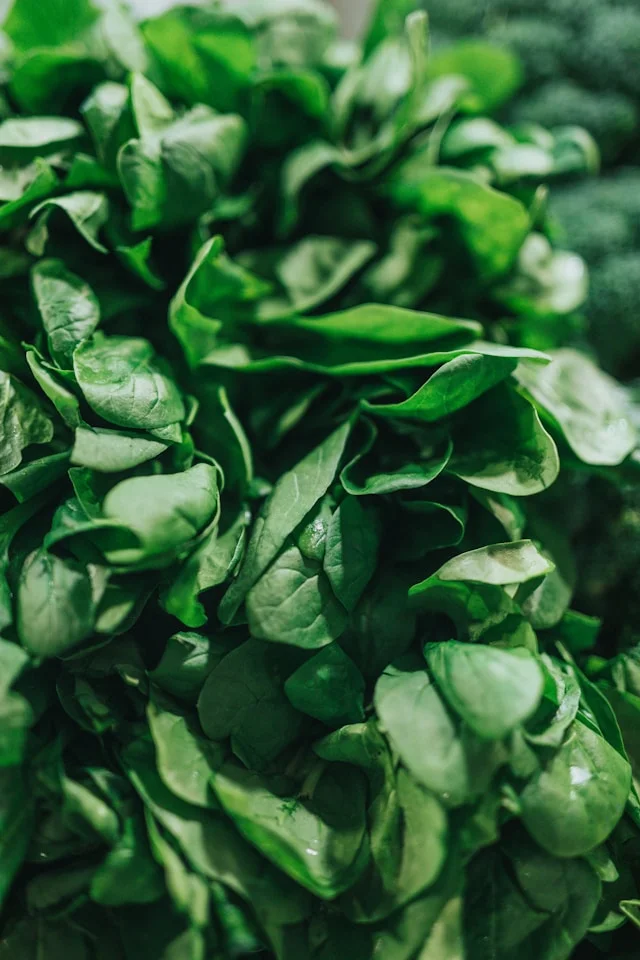
Vegetables provide fiber, antioxidants, and important B vitamins.
Dog-safe Vitamin B–rich options I regularly use:
Spinach – Contains B2, B6, and folate (B9). Use in moderation and lightly steamed.
Green beans – Low calorie, fiber-rich, and contain several B vitamins.
Broccoli – Offers B vitamins and antioxidants; serve in small amounts to avoid gas.
Sweet potatoes – Excellent source of B6 and fiber for digestive health.
From my experience, lightly steaming vegetables improves digestibility and nutrient absorption. Raw vegetables can pass through partially undigested, especially in smaller breeds.
🍳 Other Yummy, Dog-Safe Additions
To round out a chicken meal, I often incorporate:
Eggs – A fantastic source of B12, riboflavin (B2), and biotin (B7). Always fully cooked.
Pumpkin – Supports digestion and provides additional B vitamins and fiber.
Brown rice – Contains B1, B3, and B6, plus slow-burning carbohydrates.
Salmon – Rich in B12 and Omega-3 fatty acids for skin and coat support.
Omega-3s combined with B vitamins significantly improve coat shine and reduce inflammation. I’ve seen noticeable coat improvement within 4–6 weeks when meals are balanced correctly.
Simple DIY Chicken & Vitamin B Dog Meal
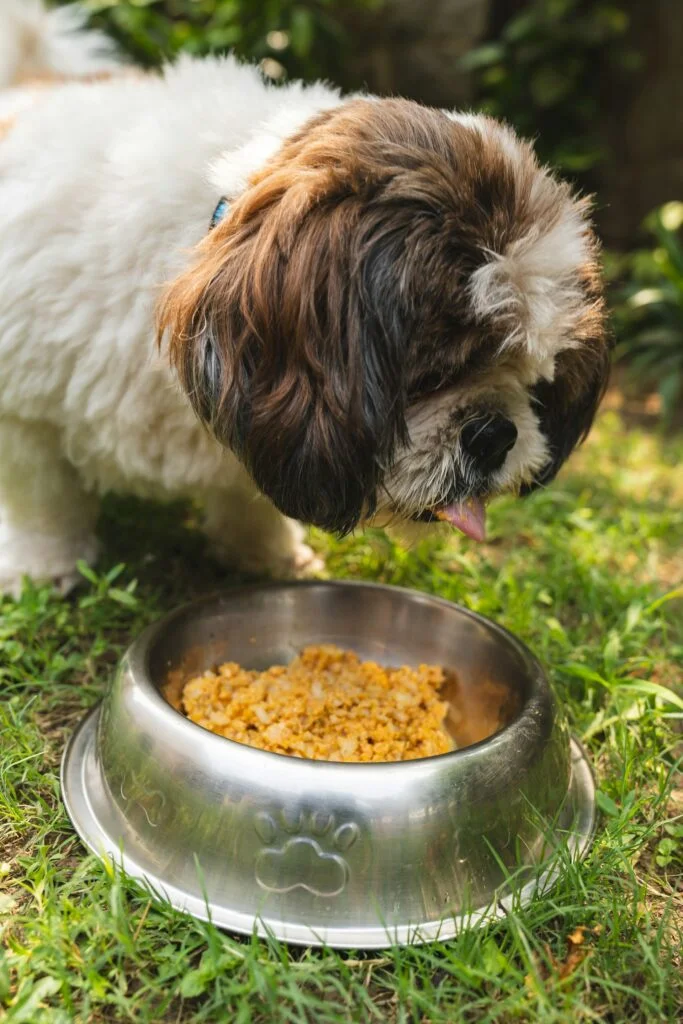
This is one of the balanced base recipes I’ve used successfully for years. Portion sizes should always be adjusted based on your dog’s weight, age, and activity level.
Ingredients:
1 cup cooked, unseasoned chicken breast (shredded)
½ cup steamed sweet potato (mashed)
¼ cup lightly steamed spinach
¼ cup cooked brown rice
1 fully cooked scrambled egg (no oil, butter, or seasoning)
Small amount of cooked salmon (optional)
Preparation:
Cook all ingredients thoroughly.
Allow food to cool completely before serving.
Mix evenly to ensure nutrient distribution.
Important: This recipe works best as part of a rotational feeding plan. Long-term homemade feeding should ideally be reviewed by a veterinarian or veterinary nutritionist to ensure full nutrient adequacy.
A Few Rules So You Don’t Accidentally Ruin Everything
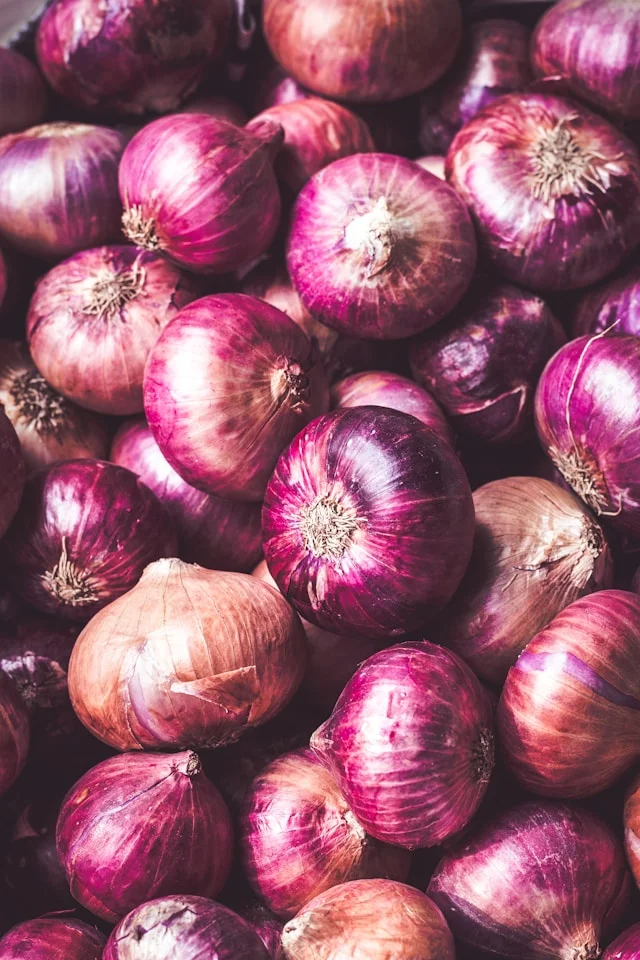
Over the years, I’ve seen diet mistakes lead to avoidable emergencies. Avoid these completely:
Onions and garlic – Toxic to dogs and can cause anemia.
Excess salt – Can strain kidneys and cause dehydration.
Butter, oils, heavy seasoning – May trigger pancreatitis.
Grapes, raisins, chocolate – Potentially life-threatening toxins.
Even healthy foods must be introduced gradually. I always transition new meals over 5–7 days to prevent digestive upset.
But Wait—What About Vitamin B Supplements?
In most cases, if you are feeding a properly varied homemade diet, additional Vitamin B supplementation is unnecessary.
B vitamins are water-soluble, meaning excess amounts are usually excreted in urine. However, chronic over-supplementation can still create imbalances and unnecessary strain on the system.
If supplementation is required—for example, in senior dogs or dogs with specific medical conditions—it should only be done under veterinary supervision using dog-specific formulations.
In my two decades of experience, food-first nutrition works best when done thoughtfully.
Final Thoughts: Be the Chef Your Dog Deserves
Preparing chicken dog food with proper Vitamin B support isn’t complicated—but it does require intention. When I cook for my dogs, I’m not just feeding them. I’m investing in their longevity, coat quality, digestive health, and overall vitality.
Balanced homemade meals can:
- Improve energy levels
- Support immune function
- Enhance coat shine
- Promote healthier digestion
Your dog depends entirely on you for nutrition. When you choose fresh, balanced ingredients over convenience, you’re making a powerful decision for their health.
And trust me—after 20 years of watching dogs thrive on properly balanced meals, I can say with confidence: it’s worth the effort.
All content on this site is written and reviewed by our experienced team to ensure it is accurate, reliable, and helpful for our readers. Our Our Process page explains how we carefully research and create high-quality content, while our Team page introduces the professionals behind our work. We also provide clear guidelines for content or image concerns on our Image Removal page, so you can trust that we prioritize transparency, quality, and reader safety.
🐾 Reviewed & Approved by Our Pet Experts
Every recipe on Dogs Life Journey is carefully researched, reviewed, and written by experienced pet care specialists to ensure it is safe, nutritious, and pet-friendly.
Cat Care & Nutrition Specialist
Dog Health & Recipe Expert
Rabbit Care & Diet Expert