Dog Crate Training 101: How to Make the Crate Your Dog’s BFF
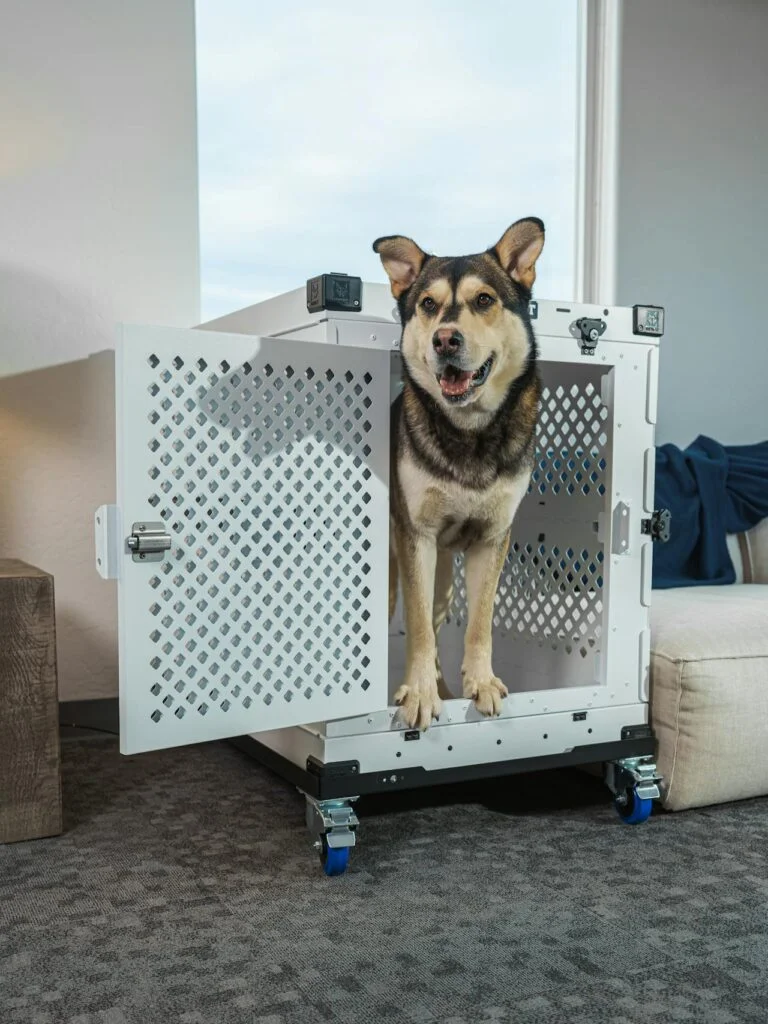
Many people initially feel guilty about using a crate, imagining it as a punishment. In reality, when used correctly, a crate is a safe, cozy spot for your dog to relax. Think of it as their personal retreat.
Why Crate Training Actually Works (Yes, Even for That Wild Puppy)
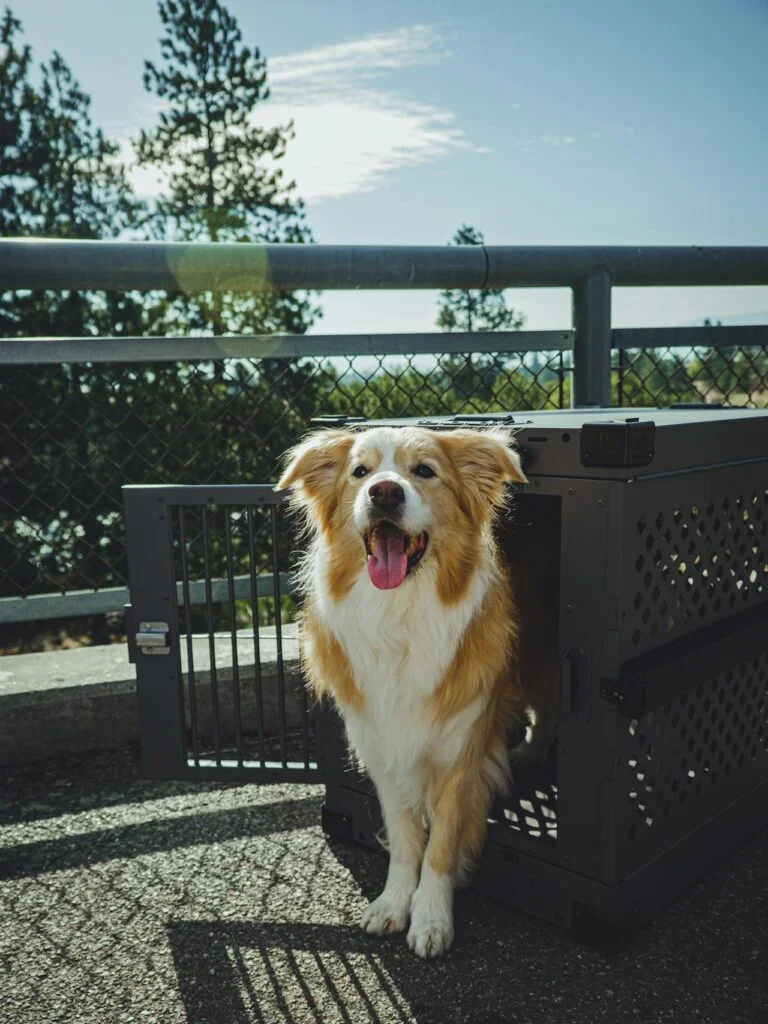
Dogs naturally seek out enclosed, den-like spaces for comfort. Crates appeal to this instinct, providing a secure place. They can aid potty training, protect your dog when unsupervised, prevent destruction, and offer a calm space during stressful moments.
The “Golden Rules” of Crate Training (Don’t Skip These!)
Successful crate training requires following basic dos and don’ts: make the crate inviting with treats and praise, introduce it gradually, and use it consistently. Avoid punishment, overlong confinement, or forcing a panicked dog inside.
Step-by-Step: Crate Training Like a Pro (Or At Least Someone Who Googled It First)
Step 1: Set Up the Crate Like a Vibe
Create a welcoming space with a blanket, bed, toys, and items that smell like you. Keep the door open at first to let the dog explore freely and reward them with treats.
Step 2: Associate the Crate with Good Stuff
Feed meals in the crate and give treats, making it a positive experience. Use a happy tone to reinforce that the crate is fun, not a punishment.
Step 3: Close the Door (But Don’t Disappear Into the Void)
Once your dog is comfortable, close the door for short periods while you stay nearby. Gradually increase the time to build confidence without stress.
Step 4: Leave the Room (Briefly, Calmly, Like a Ninja)
Practice leaving the room for a few minutes, returning calmly, to help your dog learn that being alone briefly is normal and safe.
Step 5: Crate Time While You’re Actually Gone
Gradually extend crate time when you leave the house. Start with short periods, provide toys or chews, and slowly build up to longer absences.
Crate Training Troubleshooting (Because Let’s Be Honest, It’s Not Always Smooth)
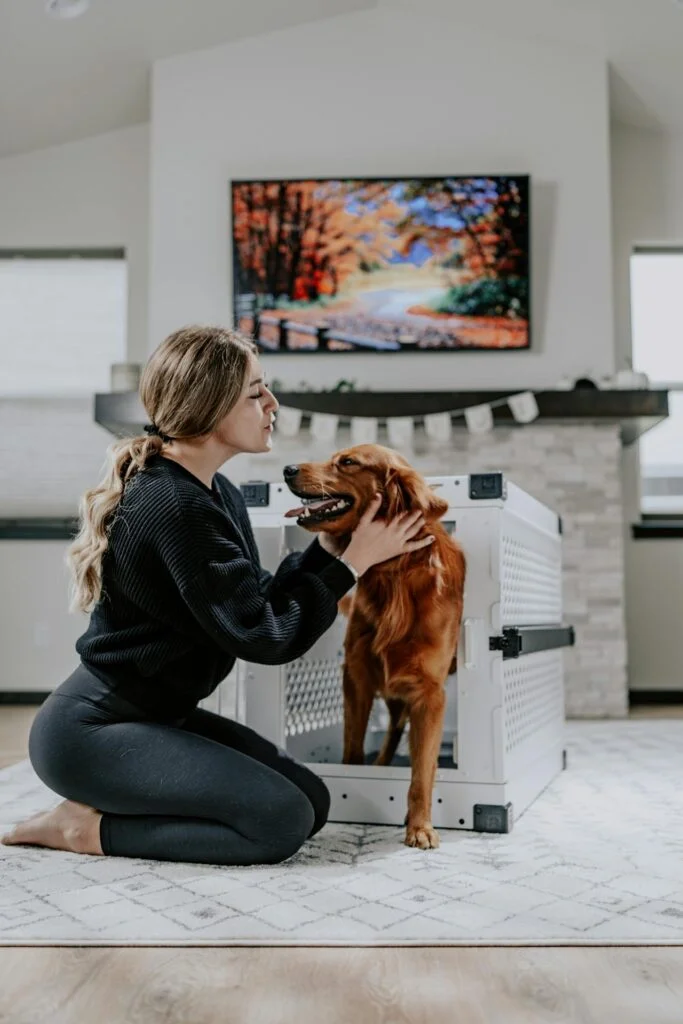
Crying, resistance, or attempts to escape are normal at first. Respond by reinforcing positive experiences, slowing the pace, and not forcing the dog. Severe anxiety may require a vet or trainer’s guidance.
How Long Can My Dog Be in the Crate?
Puppies: max crate time = age in months + 1 hour.
Adult dogs: 6–8 hours max if used to it.
Overnight is fine after a bathroom break and exercise.
When to Crate (and When Not to)
Good times: errands, overnight sleep, meal times, or a break from overstimulation.
Bad times: as punishment, all-day confinement, or when the dog shows anxiety.
FAQ (For the Overthinkers)
Is crate training cruel?
No, if done correctly. It only becomes cruel if used excessively or improperly.
What size crate should I get?
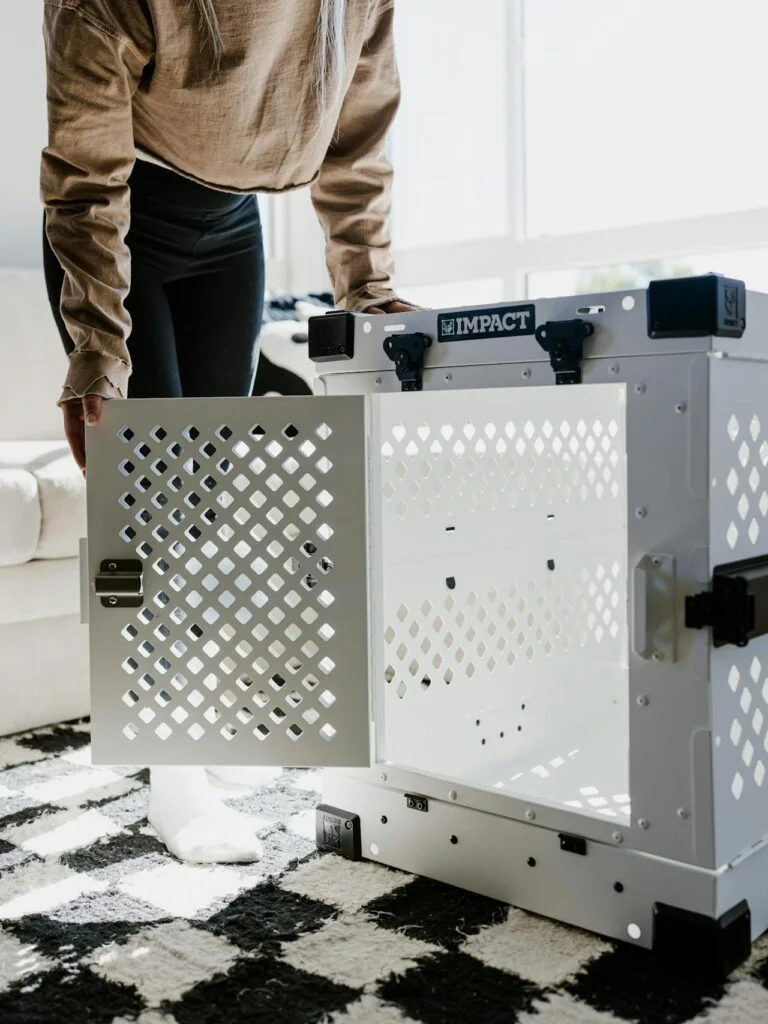
Large enough for the dog to stand, turn, and lie comfortably. For puppies, a divider can adjust the space as they grow.
Should I cover the crate?
Some dogs like a cover for a den-like feeling; others don’t. Observe your dog’s preference.
Final Bark of Dog Crate Training 101
Crate training provides comfort, structure, and a safe retreat for dogs. Though it takes patience and consistency, it’s worth it when your dog happily uses the crate as their personal space, letting you relax too. Treats help teach the rules while keeping the experience positive.