How to Clean Cat Pee Out of Carpet: Step-by-Step Guide
Cat pee is easily one of the toughest odors to remove from carpets—I’ve dealt with it more times than I can count, especially in homes where dogs and cats coexist.
From my experience working with pet owners and managing indoor accidents, I can tell you this: the faster and smarter you act, the easier it is to completely eliminate both the stain and the smell.
Key Takeaways
- Act within minutes to prevent deep absorption into carpet padding
- Always blot—never rub—to avoid spreading the stain
- Enzymatic cleaners are the most effective solution for odor removal
- DIY vinegar and baking soda can work in emergencies
- Proper drying is critical to prevent mold and lingering smells
- Repeat cleaning may be necessary for older or stubborn stains
Step 1: Blot the Area (Don’t Rub!)
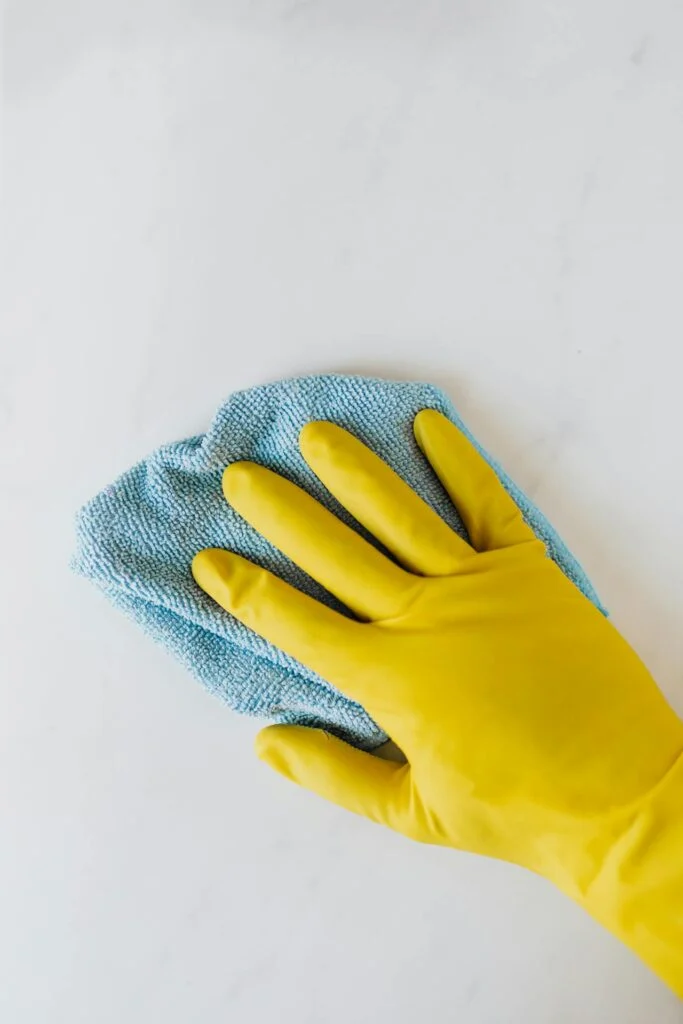
The moment you notice the accident, grab paper towels or a clean cloth and start blotting immediately. I always tell pet owners I work with—blotting is your first line of defense.
Press firmly to absorb as much liquid as possible. Avoid rubbing at all costs because it pushes urine deeper into carpet fibers and even into the padding underneath, making it much harder to remove later.
If the stain is already dry, don’t panic. I’ve handled older stains successfully—but they do require more effort and repeated treatment.
From my hands-on experience with dog owners managing indoor accidents during training phases, using pressure (even standing on towels briefly) pulls out significantly more moisture than casual dabbing.
Step 2: Use an Enzymatic Cleaner
This is where most people go wrong—they rely on regular household cleaners that only mask the odor temporarily.
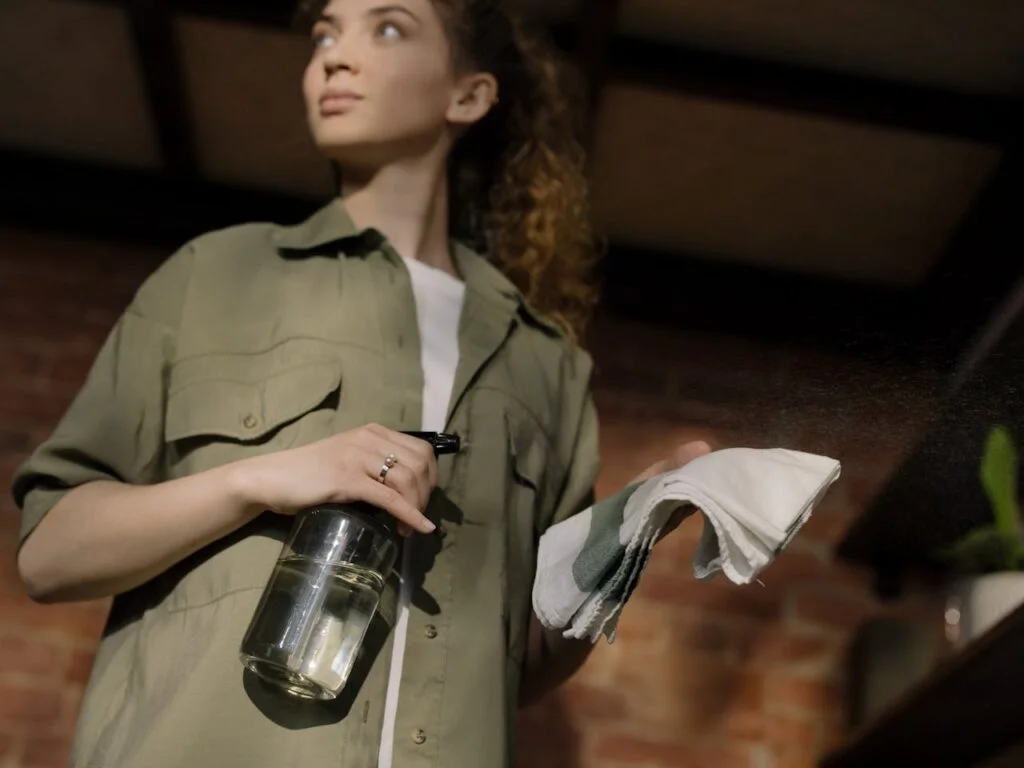
Enzymatic cleaners are specifically formulated to break down uric acid crystals found in pet urine. These crystals are the real reason smells linger for days—or even weeks. I’ve tested multiple cleaning approaches over the years, and enzymatic solutions consistently outperform everything else when used correctly.
Spray the cleaner generously so it penetrates deep into the carpet fibers and even the padding. Let it sit for at least 10–15 minutes, or longer if the product instructions recommend it.
Expert Insight:
According to pet care studies, over 80% of recurring pet accidents happen because animals can still detect leftover odor traces invisible to humans. That’s why breaking down the odor at a molecular level is critical.
Step 3: Baking Soda and Vinegar Combo (If Needed)
If you don’t have an enzymatic cleaner available, I’ve used this DIY method many times with decent results—especially for fresh stains.
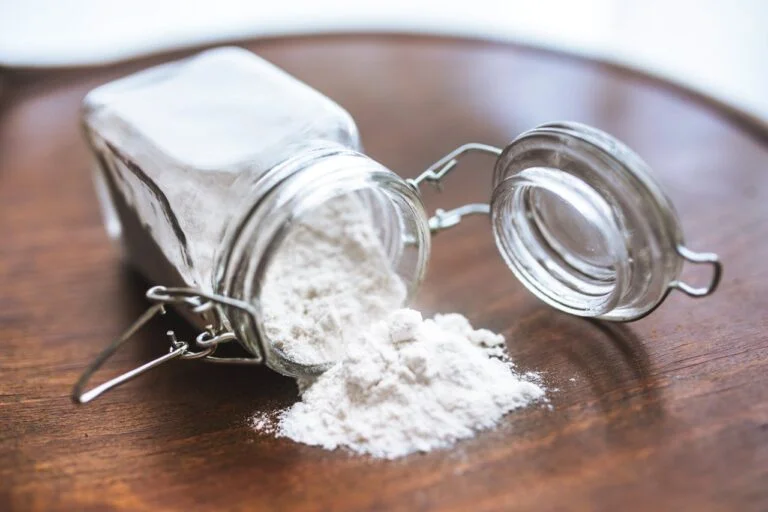
Mix equal parts white vinegar and water, then spray it over the affected area. Vinegar helps neutralize ammonia in urine, which reduces odor intensity.
After letting it soak, sprinkle a generous amount of baking soda over the area. Baking soda works as a natural deodorizer and moisture absorber.
Let it sit for several hours, ideally overnight. Once fully dry, vacuum thoroughly.
Pro Tip:
I’ve found this method works best as a secondary treatment, not a replacement for enzymatic cleaners—especially for strong or older stains.
Step 4: Rinse and Blot Again
After applying your cleaning solution, lightly rinse the area with clean water. This step helps remove any leftover residue from cleaners or urine particles.
Blot again using a clean cloth or paper towels to remove as much moisture as possible.
From my experience, skipping this step often leads to residue buildup, which can attract dirt and create a stiff patch in your carpet over time.
Step 5: Use a Wet/Dry Vacuum (Optional)
If you have access to a wet/dry vacuum, use it here—it significantly improves results.
I’ve used these machines in homes with multiple pets, and they make a noticeable difference by extracting deep moisture that manual blotting can’t reach.
If you don’t have one, just ensure you’ve blotted thoroughly and repeatedly.
Step 6: Air Dry Completely
Drying is just as important as cleaning. Any leftover moisture can lead to mold, mildew, or lingering odors.
Open windows, turn on fans, or use airflow to speed up the drying process.
In humid environments, I always recommend extra drying time. From experience, even slightly damp carpet padding can trap odors that reappear later.
FAQs
Q: Can I use regular household cleaners on cat pee?
A: You can, but they usually don’t eliminate the odor completely. Based on my experience working with pet owners, enzymatic cleaners are far more reliable because they break down urine compounds rather than covering them up.
Q: How do I prevent my cat from peeing in the same spot again?
A: Pets tend to return to areas where they smell previous accidents. Thorough odor removal is essential. You can also use deterrent sprays or temporarily block access to the area during retraining.
Q: What if the smell won’t go away after cleaning?
A: This usually means the urine has reached deeper layers like carpet padding. I’ve seen cases where repeating the cleaning process 2–3 times was necessary. In severe situations, professional carpet cleaning may be the best solution.
Final Thoughts
Cleaning cat pee from carpet isn’t pleasant, but it’s absolutely manageable with the right approach. I’ve handled everything from fresh accidents to deeply set stains, and the key is always the same—act quickly, use the right products, and be thorough.
Enzymatic cleaners remain the most effective solution, while baking soda and vinegar can support the process when needed. Patience and proper technique make all the difference.
As someone deeply involved in pet care and dog training, I’ve learned that maintaining a clean environment isn’t just about hygiene—it also directly impacts pet behavior. A properly cleaned space reduces repeat accidents and helps create a more structured, stress-free environment for all your pets.
All content on this site is written and reviewed by our experienced team to ensure it is accurate, reliable, and helpful for our readers. Our Our Process page explains how we carefully research and create high-quality content, while our Team page introduces the professionals behind our work. We also provide clear guidelines for content or image concerns on our Image Removal page, so you can trust that we prioritize transparency, quality, and reader safety.