Overcoming Canine Obesity
From my experience as a dog owner, managing my dog’s weight has been one of the most important aspects of keeping him healthy and active. I’ve seen firsthand how easy it is for dogs to gain weight, especially with treats, table scraps, and limited activity. The good news is that canine obesity is preventable—and even reversible—with the right approach.
Key Takeaways
- Up to 25–30% of dogs are overweight or obese, making it a common health issue
- Maintaining a healthy weight can reduce risks of diabetes, heart disease, and joint problems
- I always check for a visible waist and feel my dog’s ribs to assess weight
- Portion control and limiting treats to under 10% of daily calories is essential
- Regular exercise helps burn fat and maintain muscle mass
- Weekly weight tracking helps me stay consistent and spot issues early
Obesity is one of the most common canine nutritional diseases today. According to organizations like the Association for Pet Obesity Prevention, excess weight can significantly shorten a dog’s lifespan by up to 2 years. However, I’ve learned that keeping my dog at a healthy weight dramatically lowers the risk of serious conditions like diabetes, heart disease, orthopedic issues, and even certain cancers.
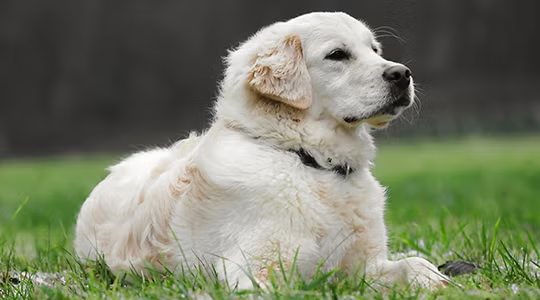
To determine whether my dog is overweight, I start with a simple visual and physical check. When I look down from above, I should see a clear waistline behind the ribs. Then I gently run my hands along his sides—I should be able to feel his ribs without pressing too hard. If I only feel fat layers, I know it’s time to adjust his diet and activity.
Feed your dog properly
One of the biggest lessons I’ve learned is that feeding correctly makes the biggest difference. If I’m using commercial dog food, I treat the feeding guidelines on the label as a starting point—not a strict rule. Every dog is different, and I adjust portions based on my dog’s activity level, metabolism, and body condition.
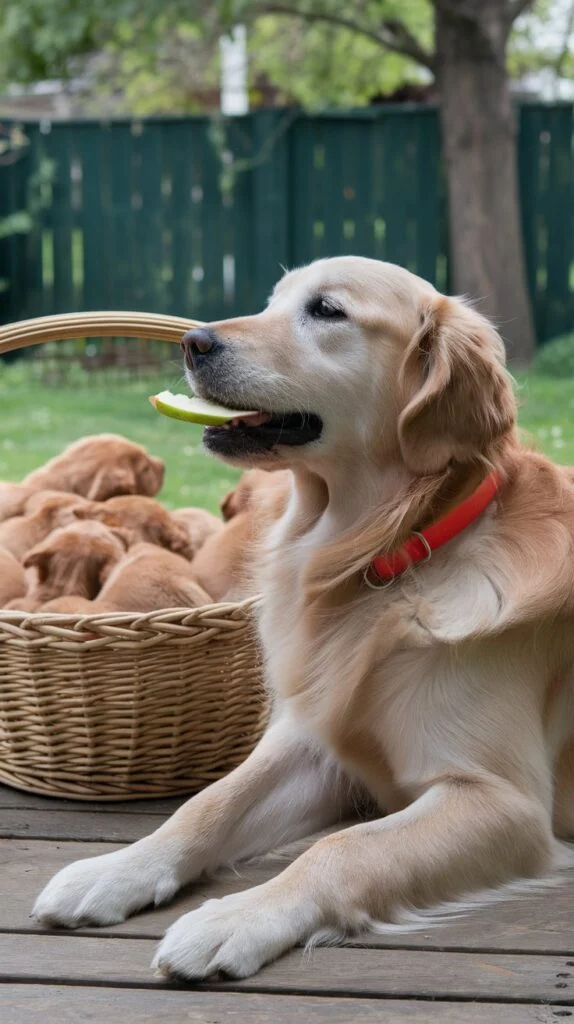
I also pay close attention to treats. It’s easy to overdo it without realizing—those small snacks add up quickly. I make sure treats never exceed 10% of my dog’s daily calorie intake. Instead of high-calorie treats, I sometimes use healthier alternatives like small pieces of carrots or apples.
Pro tip from my routine: I use a measuring cup for every meal. Eyeballing portions can lead to overfeeding by as much as 20–30%, which contributes to gradual weight gain.
Get enough exercise
Exercise has been a game changer for my dog’s weight and overall well-being. Regular activity not only burns calories but also builds muscle, which naturally increases metabolism.
I try to keep my dog active with daily walks, play sessions, and interactive games. Depending on the breed and age, dogs typically need 30 minutes to 2 hours of exercise daily. For example:
- High-energy breeds benefit from running, agility, or fetch
- Older dogs may prefer shorter, low-impact walks
- Indoor games can help on busy days
I’ve noticed that when my dog gets enough exercise, he’s less focused on food and more relaxed overall. It’s also a great bonding experience that benefits both of us physically and mentally.
Simple weight loss tips
In my journey of managing my dog’s weight, these practical tips have made a real difference:
I make sure everyone in my household understands not to give extra treats or table scraps. Consistency is key—one person slipping up can undo progress.
Instead of free-feeding, I divide my dog’s daily food into two to four measured meals. This helps control portion sizes and keeps his metabolism steady.
I keep a weekly record of my dog’s weight. Even small changes can indicate whether my plan is working or needs adjustment.
If you have multiple dogs like I do, feeding them separately is essential. This prevents overeating and ensures each dog gets the right amount.
To reduce begging behavior, I feed my dog before my own meals. This simple trick has helped me avoid those pleading eyes at the dinner table.
I also secure all garbage bins—both indoors and outdoors. Dogs are opportunistic eaters, and even a small food scavenging habit can add unnecessary calories.
Keeping fresh, clean water available at all times is another habit I never skip. Proper hydration supports metabolism and overall health.
Finally, I always consult a veterinarian for guidance. A professional can rule out underlying health issues and create a tailored weight-loss plan. Organizations like the American Veterinary Medical Association emphasize that safe weight loss in dogs should be gradual—typically 1–2% of body weight per week.
My personal advice: Be patient and consistent. Rapid weight loss can be harmful, but steady progress leads to long-term success and a happier, healthier dog.