Bathing Your Cavalier King Charles Spaniel
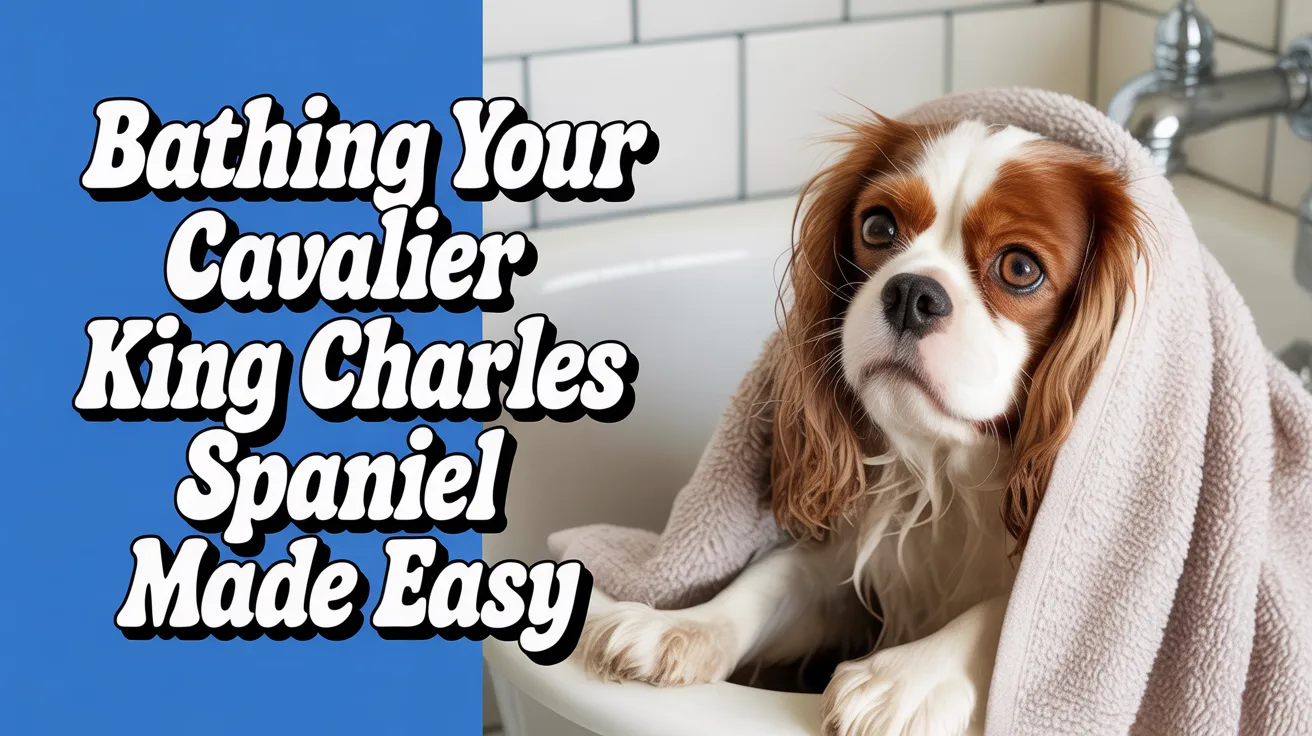
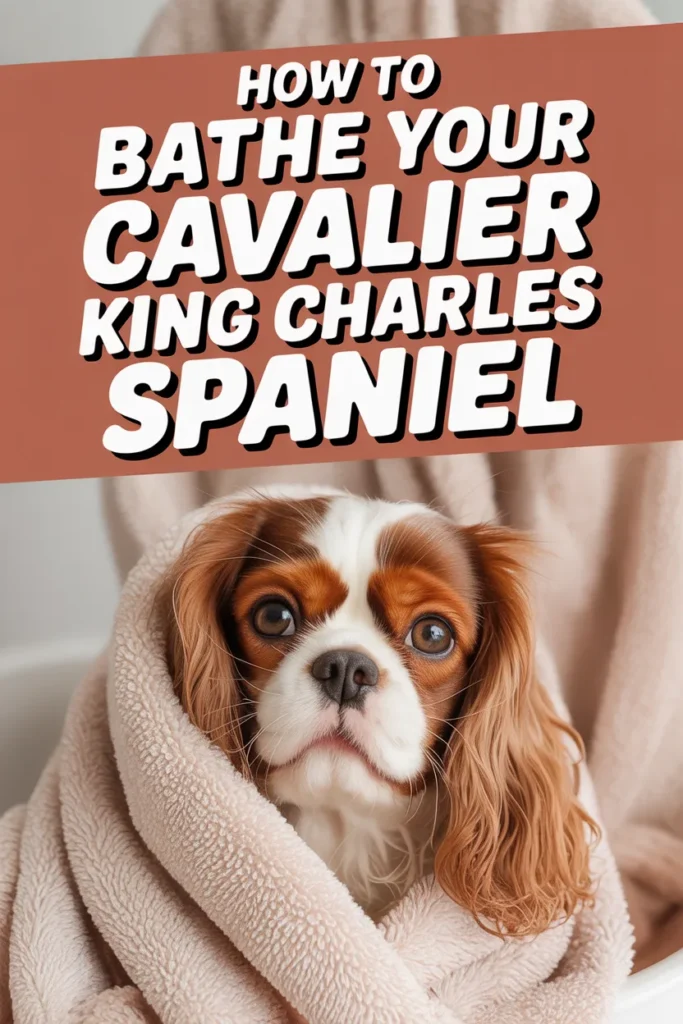
Bathing my Cavalier King Charles Spaniel is more than just keeping him clean—it’s a key part of his overall health routine. Regular baths help prevent skin issues, keep his coat soft, and make grooming easier. In this guide, I’ll share exactly how I bathe my Cavalier, the tools I use, and how to make it a stress-free experience for both of us.
Key Takeaways: A clean Cavalier is a healthy Cavalier. With the right routine, products, and gentle handling, bath time becomes easy and enjoyable.
Save For Later
Gather Your Supplies First
Before starting a bath, I always collect everything I need: a comb or brush, dog-safe shampoo, clean towels, cotton balls, and a few treats. Having these ready keeps the process smooth and prevents rushing, which can stress your dog. I also like using non-slip mats to make my Cavalier feel secure whether in the sink or tub.
Pro Tip: Treats and gentle praise make a big difference, especially for puppies new to bath time.
Introduce Your Puppy Slowly
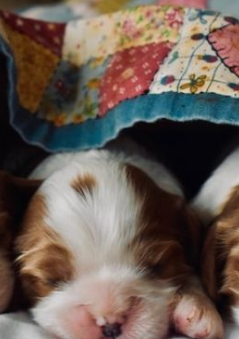
If your Cavalier is still young, I take extra care to make bath time positive. Small pups can find water scary, so I speak calmly, give reassurance, and reward them with treats. Over time, this approach builds trust, making future baths much easier.
Fact: Positive reinforcement helps puppies associate bathing with comfort, not fear, reducing stress-related behavior later.
Brush Before Bathing
I always start by brushing my Cavalier’s coat. This removes loose hair, tangles, and mats, which can be much harder to deal with after wetting. While brushing, I check for skin irritations, scratches, or any signs of infection that may need a vet’s attention.
Insight: A well-brushed coat ensures shampoo reaches the skin evenly, giving a more effective and comfortable wash.
Choose the Right Bathing Spot
For small Cavaliers, I usually use the kitchen sink, but a bathtub works if my dog is restless. I place a rubber mat or wet towel under him to prevent slipping. Testing the water temperature first ensures it’s comfortably warm, and a gentle spray or pitcher makes rinsing easier.
Pro Tip: Safety first—never leave your dog unattended on a high surface.
Shampoo Carefully
I use a shampoo specifically made for dogs, never human shampoo. Dogs’ skin pH is different, and the right product keeps the coat healthy. I avoid the eyes and ears, using cotton balls in the ears and a warm cloth to clean the face. For dogs with skin issues, I always consult a vet about the appropriate shampoo.
Fact: Overbathing or using harsh shampoos can strip natural oils, causing dryness and irritation.
Rinse, Dry, and Reward
I rinse my Cavalier thoroughly and wrap him in a towel, blotting out as much water as possible. Sometimes I let him air dry, but on colder days, I use a blow-dryer on low and cool settings to avoid burns. Once dry, I praise him and give treats—this reinforces calm behavior for future baths.
Pro Tip: Towel-drying before blow-drying saves time and reduces stress for your dog.
How Often Should I Bathe My Cavalier King Charles Spaniel?
In my experience, bathing every 4–6 weeks is enough for most Cavaliers. Dogs that spend more time outdoors or get muddy may need extra baths. Overbathing removes natural oils, so brushing, paw wiping, and regular ear cleaning help keep your dog clean between baths.
Insight: Brushing not only reduces shedding but distributes natural oils, keeping the coat shiny and healthy.
Professional Grooming
I rarely take my Cavalier to a professional groomer for baths. Small size and an untrimmed coat make home bathing practical and cost-effective. With the right tools and techniques, I can maintain cleanliness and hygiene without extra expense.
Fact: Regular home grooming reduces the risk of infections and helps you monitor your dog’s health closely.
Key Takeaways:
- Gather all supplies before starting a bath.
- Introduce puppies gradually to water and praise positive behavior.
- Brush first to remove tangles and check skin health.
- Use dog-specific shampoo and protect eyes/ears.
- Bathe every 4–6 weeks, adjusting for lifestyle and outdoor activity.
- Regular brushing, paw wipes, and ear cleaning reduce bath frequency.
- Home grooming is effective, safe, and cost-efficient.
All content on this site is written and reviewed by our experienced team to ensure it is accurate, reliable, and helpful for our readers. Our Our Process page explains how we carefully research and create high-quality content, while our Team page introduces the professionals behind our work. We also provide clear guidelines for content or image concerns on our Image Removal page, so you can trust that we prioritize transparency, quality, and reader safety.