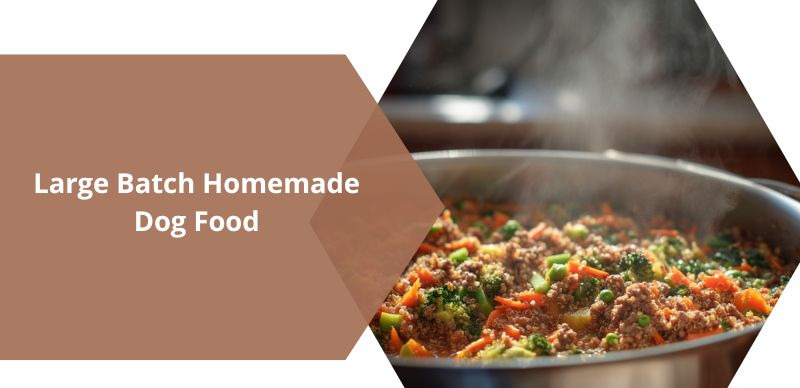
Large Batch Homemade Dog Food – Complete Nutrition Guide
I used to spend hours each week cooking for my dog, and it quickly became overwhelming. Once I started making large batches of homemade dog food, everything changed.
It saved me time, cut costs, and gave me full control over my dog’s nutrition. In this guide, I’ll show you my full recipe, storage tips, nutrient balancing tricks, and special diet options. By the end, you’ll see how cooking once can cover meals for weeks while keeping your dog healthy.
Key Takeaways:
I’ve saved 60–70% annually on food by cooking in bulk. Homemade meals let me control every ingredient, avoiding fillers and preservatives. One cooking session can cover 1–2 weeks depending on your dog’s size. Proper portioning, storage, and supplements make sure the diet stays balanced.
Why Preparing Large Portions Works for Dogs
Cost Efficiency
Cooking in bulk has dramatically lowered my costs per meal. With two dogs, I’ve cut my annual dog food expenses by over half without sacrificing nutrition.
Maximum Nutrition Control
I get to choose every ingredient. This means my dogs get quality proteins, fiber-rich vegetables, and essential vitamins without the by-products or preservatives found in most commercial dog foods.
Time-Saving
One cooking session now provides meals for one to two weeks. I no longer worry about daily prep, which gives me more time to train, walk, and play with my dogs.
Large Batch Homemade Dog Food Recipe
Proteins:
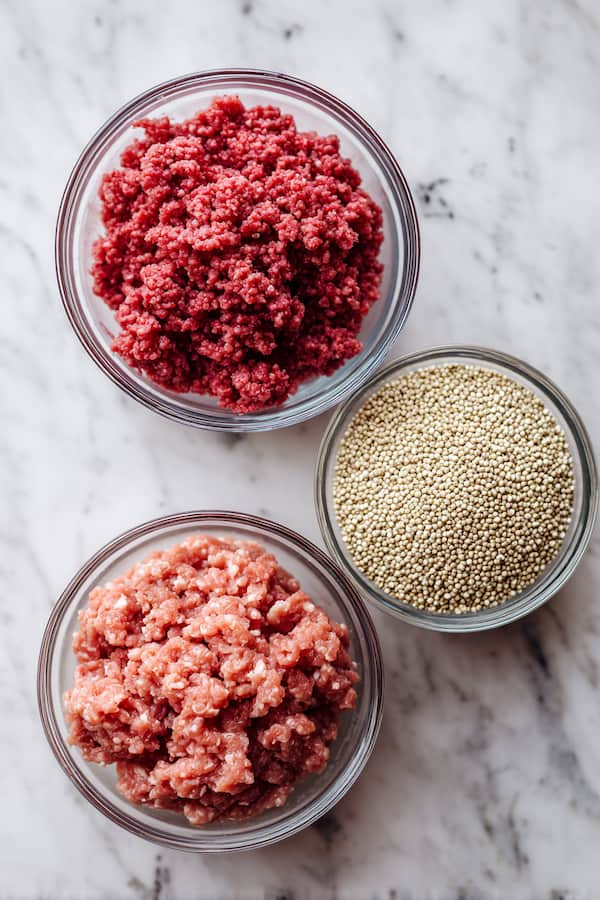
- Ground beef (85-90% lean) – 6 lbs
- Ground turkey (93% lean) – 5 lbs
- Quinoa (uncooked) – 1 cup
Vegetables:
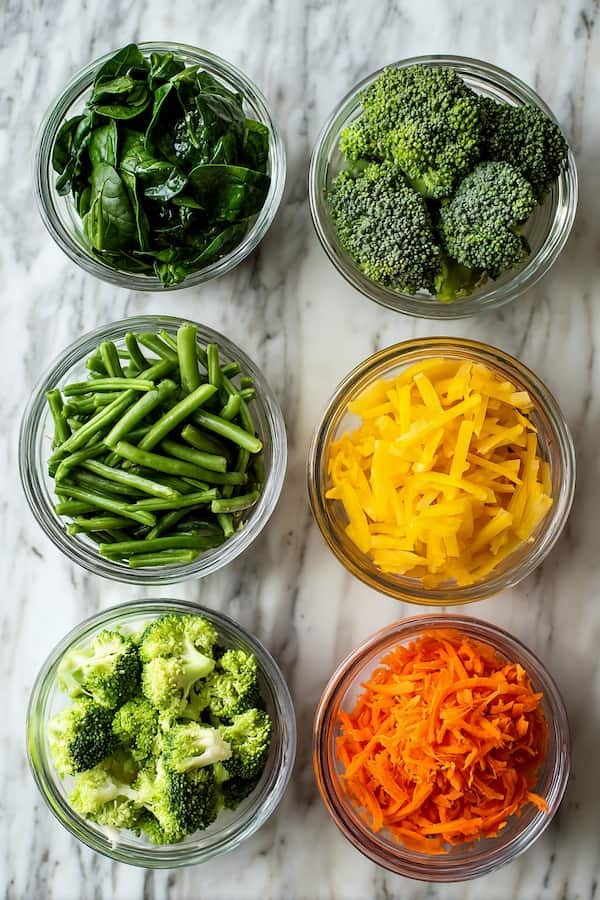
- Spinach – 1 cup
- Broccoli florets – 1 cup
- Green beans, trimmed – 1 cup
- Carrots, shredded – 1 cup
- Yellow squash, chopped – 1 cup
Superfood Add-Ons:
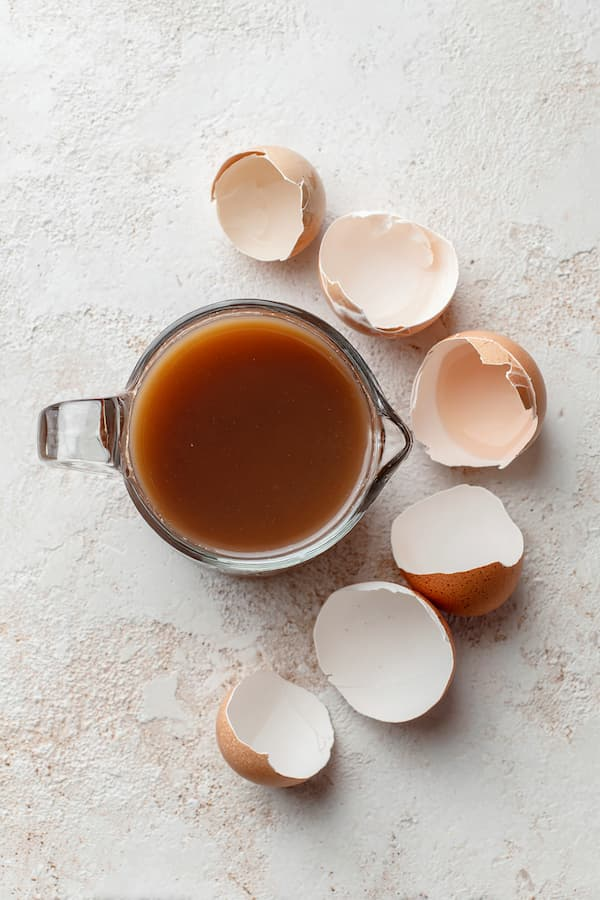
- Beef bone broth (low-sodium) – 1½ cups
- Ground eggshells from 2 eggs – powdered for calcium
Essential Equipment for Large Batch Cooking
I rely on an extra-large stockpot (8–12 quarts), a medium saucepan for quinoa, a big wooden spoon for stirring, a fine mesh strainer for rinsing, and 15–20 freezer-safe containers. Good freezer space is a must to store meals safely.
Detailed Instructions
Prepare Your Quinoa
I rinse 1 cup of quinoa for 30 seconds under cold water to remove bitterness. Then I boil it in 2 cups of water for 15–20 minutes and let it sit uncovered for 5 minutes to keep it fluffy.
Brown the Meat
I start by browning 6 pounds of ground beef in the stockpot for 8–10 minutes until fully cooked and rich brown. I drain excess fat, leaving just enough to keep it moist.
Integrate the Turkey
Next, I add 5 pounds of ground turkey to the pot. I don’t drain this fat because it adds flavor and healthy fats for my dogs. I cook it thoroughly, stirring constantly until no pink remains.
Create the Nutrient Base
I pour 1½ cups of beef bone broth around the edges of the pot, add the cooked quinoa, and stir gently. Simmering for a few minutes helps the quinoa absorb the flavors and gives the right texture.
Add Fresh Vegetables
I add vegetables in this order: carrots, green beans, yellow squash, broccoli, and spinach. Each one releases nutrients as it cooks, making a colorful and balanced mixture full of vitamins and fiber.
Boost with Superfood Additions
I sprinkle ground eggshells for calcium, mixing well to ensure even distribution. This step is crucial for bone health and nutrient balance.
Complete the Cooking Process
I cover the pot, reduce the heat, and simmer gently for 15 minutes. Stirring every 5 minutes ensures even cooking. The mixture should be tender, not mushy, with distinct pieces of meat and vegetables.
Cool and Serve
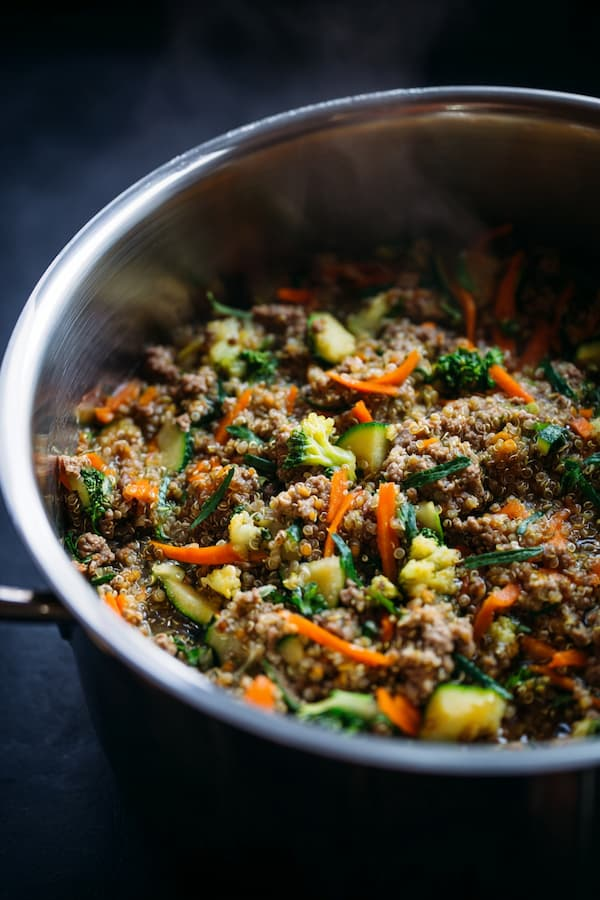
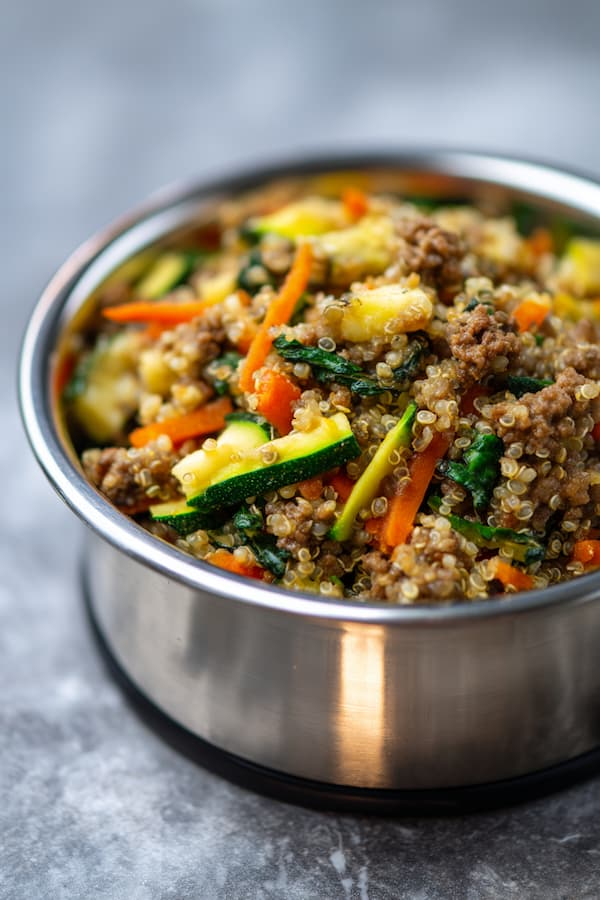
I turn off the heat and let the food rest for 45–60 minutes, stirring occasionally. Cooling before storage preserves heat-sensitive vitamins and prevents bacterial growth.
Storage and Portioning Guidelines
Immediate Storage Protocol
I divide cooled food into meal-sized portions, refrigerating for up to 4 days or freezing for 3 months. I always label containers with the date and contents.
Portion Size Recommendations
Small dogs (10–25 lbs): ½ – ¾ cup per meal
Medium dogs (26–60 lbs): ¾ – 1½ cups per meal
Large dogs (61–90 lbs): 1½ – 2½ cups per meal
Giant dogs (90+ lbs): 2½ – 3½ cups per meal
The Missing Piece: Making Your Large Batch Complete
Even with eggshells and multiple vegetables, it’s hard to hit every nutrient requirement. Trace minerals like zinc, copper, and Vitamin D are easy to miss when cooking whole foods alone.
My Solution for Large Batches
I use Azestfor Homemade Dog Food Vitamins in powdered form. One bag covers about 33 pounds of food, so it works perfectly for my large batches. It fills nutritional gaps and ensures my dogs get a complete diet without complicated mixing.
Other Solid Options
JustFoodForDogs DIY Nutrient Blend is my vet-recommended choice for precise nutrient balance. The Missing Link Senior is excellent for older dogs to support joint health.
Important: When to Add It
I always wait until the mixture is cooled to room temperature before adding supplements. High heat can destroy vitamins, so this step is key for nutrition preservation.
Recipe Variations for Special Needs
Grain-Free Alternative: I swap quinoa for 2 cups of cooked sweet potato cubes for dogs sensitive to grains.
Senior Dog Modification: I chop vegetables smaller and cook a few extra minutes for easier digestion.
Allergy-Friendly Option: I replace turkey with lamb or fish and use safe veggies like zucchini or pumpkin.
Transitioning Your Dog to Homemade Food
When I switched my dogs from kibble, I gradually increased the homemade portion:
Week 1: 25% homemade, 75% kibble
Week 2: 50/50 mix
Week 3: 75% homemade, 25% kibble
Week 4: 100% homemade
I monitor digestion, energy, appetite, and any allergic reactions during this transition. Adjusting portions based on weight helps maintain a healthy balance.
Frequently Asked Questions
Can I use frozen vegetables instead of fresh?
Yes, frozen veggies often retain more nutrients and can be added directly to the pot.
Is it safe to double or triple this recipe?
Absolutely, just make sure your equipment can handle the volume. Cooking in batches works well too.
Do I need vitamins or supplements to make this complete?
Yes, the base recipe is excellent, but adding a canine multivitamin ensures full nutrient coverage.
Final Thoughts
Cooking large batches has been a game-changer for me. One session now feeds my dogs for weeks, reduces stress, and keeps their meals healthy and balanced. Once you try it, you’ll see how much easier life becomes—and how much your dogs benefit.
All content on this site is written and reviewed by our experienced team to ensure it is accurate, reliable, and helpful for our readers. Our Our Process page explains how we carefully research and create high-quality content, while our Team page introduces the professionals behind our work. We also provide clear guidelines for content or image concerns on our Image Removal page, so you can trust that we prioritize transparency, quality, and reader safety.