Easy and Healthy Dog Frosting Recipe
One afternoon, I decided to make something extra for my dog, Snickers. I had already baked treats, but I wanted to add something that felt special. That’s when I made this simple dog frosting using peanut butter and yogurt—and honestly, it turned out better than I expected.
Save For Later
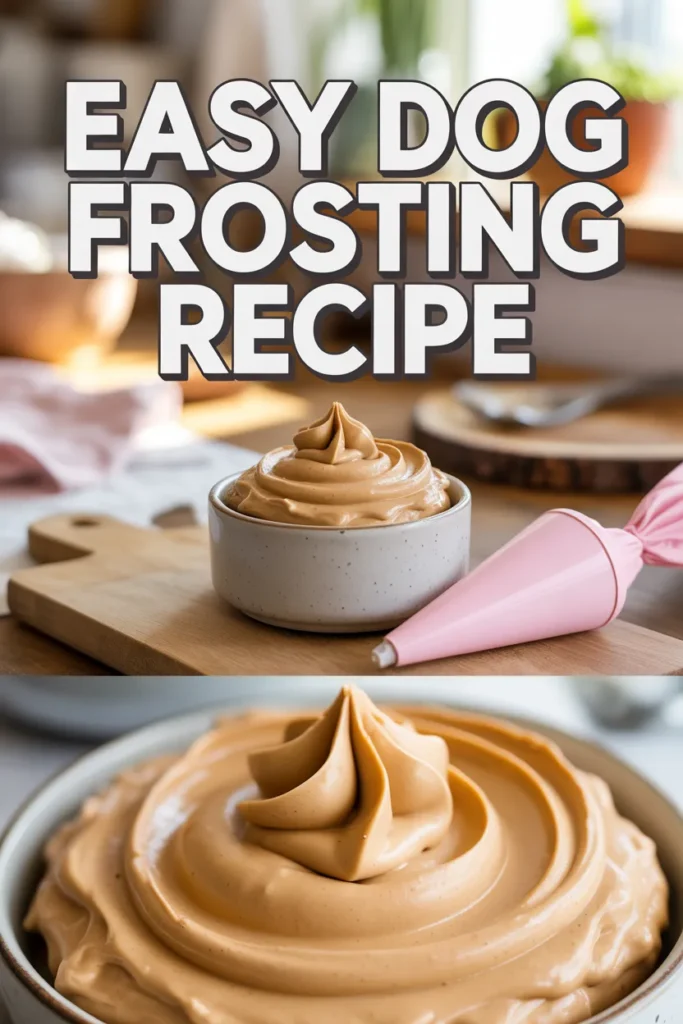
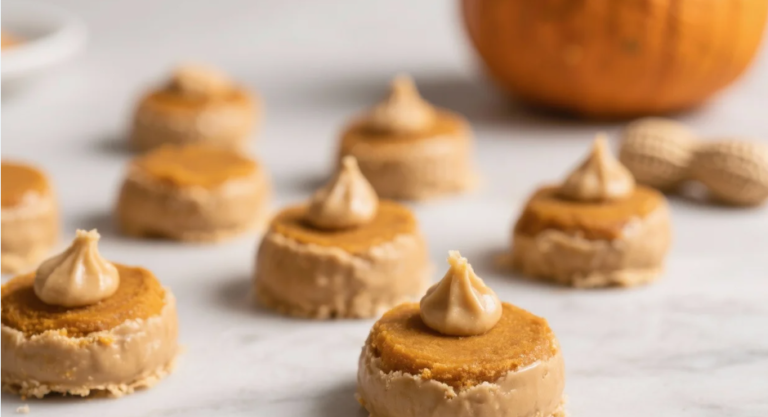
This frosting is smooth, safe, and takes just a few minutes to prepare. I use it to decorate treats, as a dip, or even as a topper for meals. It’s flexible, quick, and makes any ordinary dog snack feel like a celebration.
Key Takeaways
- I make this frosting using just 3–4 simple, dog-safe ingredients
- It takes under 5 minutes and requires no baking
- Peanut butter provides protein and flavor dogs love
- You can adjust texture easily with liquid or extra thickness
- Treat portions should stay under 10% of daily calories
- Works great for birthdays, training treats, or enrichment
Why You’ll Love This Dog Frosting
I like this recipe because it’s simple and reliable. I’ve used it multiple times, and it always turns out creamy and easy to work with.
The ingredients are safe as long as I check labels—especially peanut butter (no xylitol). It’s also very flexible. I’ve used it as frosting, dip, and even mixed into kibble for picky days.
Another reason I stick to this recipe is speed. It takes me about 3–5 minutes total, which makes it perfect when I need something quick but still special.
Pro Tip: Always use xylitol-free peanut butter and adjust the frosting consistency with a little milk or water for quick, creamy results every time.
Easy and Healthy Dog Frosting Recipe
When I make this frosting, I focus on balance—good texture, safe ingredients, and controlled calories. Below is exactly how I prepare it.
Ingredients
| Ingredient | Description |
|---|---|
| ½ cup natural peanut butter (unsalted, xylitol-free) | Provides protein, healthy fats, and strong flavor dogs love |
| ¼ cup plain Greek yogurt (or low-fat cream cheese) | Adds creaminess and probiotics or thickness |
| 1 tbsp honey (optional) | Adds mild sweetness; safe in small amounts |
| 1–2 tbsp water or milk (goat’s milk/lactose-free) | Helps adjust texture |
Step-by-Step Instructions
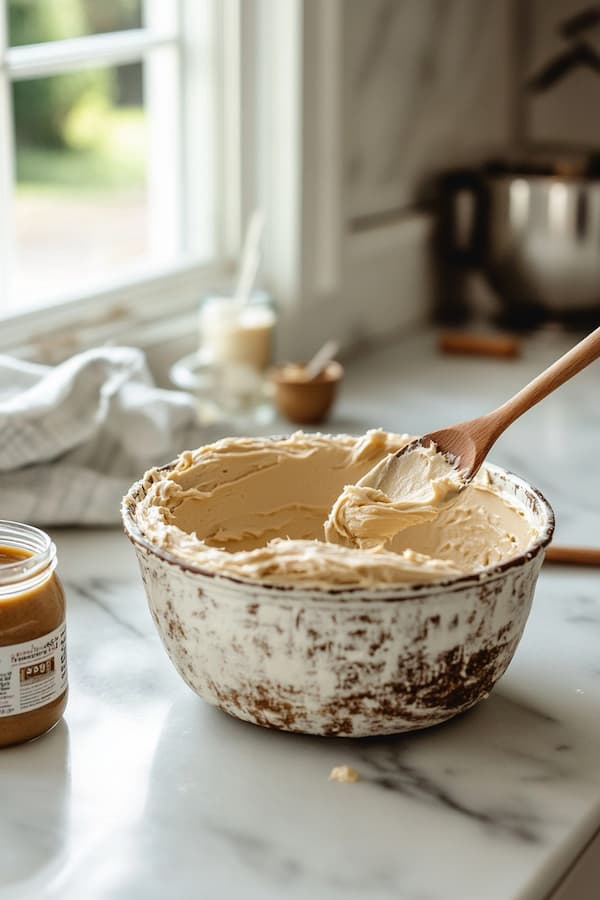
Dog-Friendly Frosting
Gather & Prep
I always double-check the peanut butter label—xylitol is toxic to dogs. If my dog is sensitive to dairy, I switch to coconut yogurt or dairy-free cream cheese.
Combine Base Ingredients
I mix peanut butter and yogurt in a bowl for about a minute. The texture becomes thick and smooth, with a slightly tangy smell.
Add Sweetener
If I use honey, I add just a small amount and mix it evenly. It’s optional, and honestly, most dogs don’t need it.
Adjust Consistency
I add liquid slowly—usually 1 tablespoon at a time—until the frosting becomes spreadable but not runny.
Whip for Texture
When I want a lighter texture, I whisk it for about 30–40 seconds. This step makes a noticeable difference if I’m piping it.
Apply or Serve
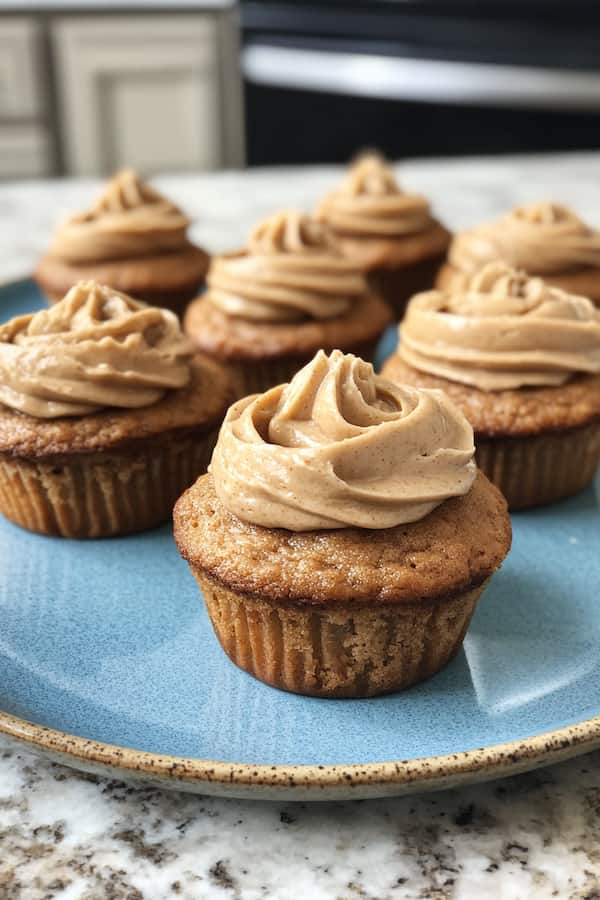
I spread it on cooled treats or serve it as a dip. If needed, I chill it for 5–10 minutes so it holds shape better.
Best Uses for Your Dog Frosting
I’ve tested this frosting in different ways, and these are what worked best for me:
- I pipe it onto dog cupcakes for birthdays
- I spread it on biscuits for training rewards
- I use it as a dip for apple slices or carrots
- I add small swirls on mini dog cakes
- I use it as a topper to make meals more exciting
From my experience, even picky dogs respond better when food feels “different.”
Storage & Serving
I store this frosting in an airtight container in the fridge for up to 5 days. If I make extra, I freeze small portions and use them later.
Before serving, I let it thaw overnight in the fridge and stir it again to restore the texture.
Feeding Guidelines
I treat this frosting as an occasional add-on, not a daily food.
From what I’ve learned, treats should stay under 10% of total calories. For example, a 20 lb dog typically eats around 300–400 calories daily, so I keep frosting portions around 1–2 teaspoons (about 10–15 calories).
I always start small, especially when introducing yogurt or peanut butter for the first time. If a dog has pancreatitis or allergies, I recommend checking with a vet first.
Troubleshooting Common Mixing Issues
I’ve made mistakes with this recipe, so here’s what actually works:
Frosting too thick
I add liquid slowly—1 teaspoon at a time—and mix gently.
Frosting too runny
I fix it by adding more peanut butter or chilling it for 10 minutes.
Lumpy texture
Whisking longer or using a hand mixer smooths it out.
Separating mixture
I mix it again thoroughly. Using fresh yogurt helps prevent this.
Pairing Frosting with a Balanced Diet for Optimal Health
I don’t treat this frosting as a main food—it’s just an add-on.
I usually pair it with plain biscuits, carrots, or apple slices. Sometimes I mix a small amount into kibble to boost taste.
The key thing I follow is balance. Even healthy treats can cause weight gain if overused.
Benefits of the Ingredients
From my experience and research, each ingredient adds value:
- Peanut Butter: Good source of protein and healthy fats
- Greek Yogurt: Supports gut health with probiotics
- Low-Fat Cream Cheese: Adds thickness without strong flavor
- Honey: Contains antioxidants (used in very small amounts)
- Water/Milk: Helps control texture and hydration
FAQs
Is this frosting safe for all dogs?
In most cases, yes. I always check for allergies first, especially for peanut butter and dairy.
Why is my frosting runny?
Usually too much liquid. I fix it by adding more peanut butter or chilling it.
Can I skip the honey?
Yes, I often skip it. The frosting still tastes great to dogs.
Conclusion
I’ve used this dog frosting many times, and it always adds something extra to simple treats. It’s quick, safe, and easy to adjust based on what your dog needs.
Whether it’s for a birthday or just a regular day, this small addition can make a big difference. For me, seeing that excitement from my dog makes it worth it every time.
All content on this site is written and reviewed by our experienced team to ensure it is accurate, reliable, and helpful for our readers. Our Our Process page explains how we carefully research and create high-quality content, while our Team page introduces the professionals behind our work. We also provide clear guidelines for content or image concerns on our Image Removal page, so you can trust that we prioritize transparency, quality, and reader safety.