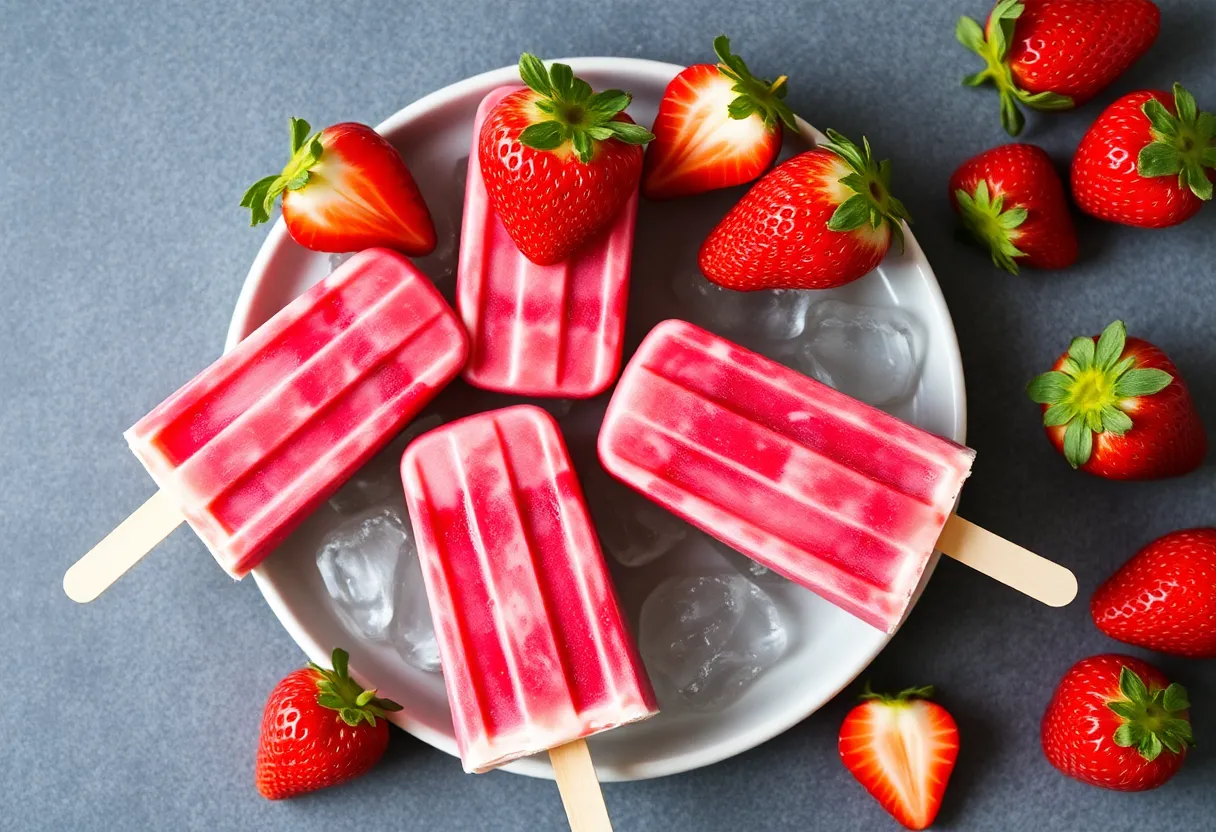
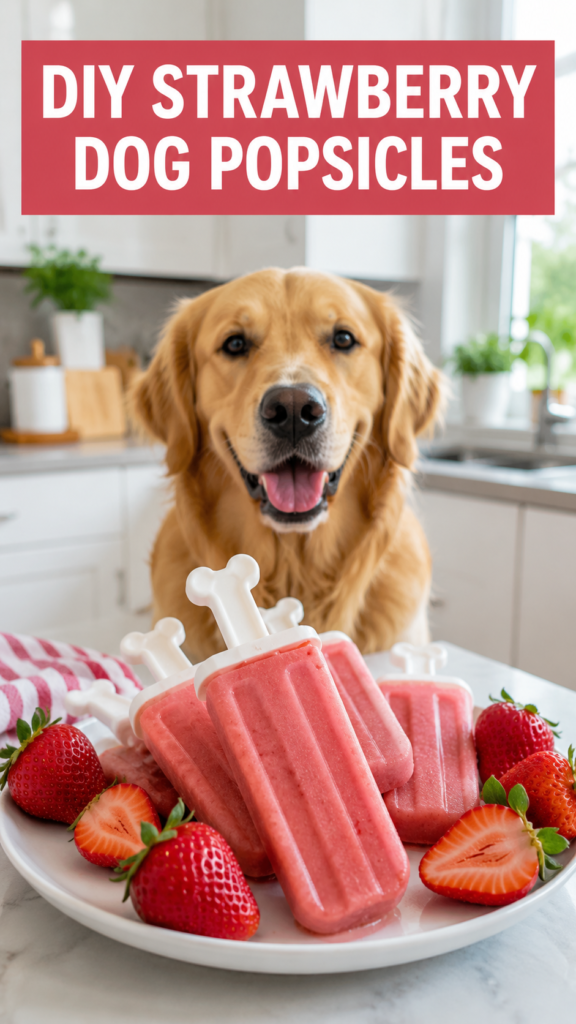
DIY Strawberry Dog Popsicles
When the weather heats up, I always look for simple ways to keep my dogs comfortable, and DIY Strawberry Dog Popsicles have become one of my favorite summer treats. Have you ever wished you had a healthy frozen snack you could make in just a few minutes instead of buying expensive treats from the store? I had the same question, so I started making my own with fresh, dog-safe ingredients that my dogs genuinely enjoy.
After trying different homemade frozen dog treats over the years, this is the recipe I make again and again because it’s easy, refreshing, and doesn’t require anything complicated. I like knowing exactly what goes into each popsicle, and it’s a fun way to give my dogs extra hydration while treating them to something special on warm days.
Save For Later
Key Takeaways
- Make a cooling summer treat using fresh, dog-safe ingredients.
- Skip unnecessary additives by preparing popsicles at home.
- Strawberries add natural flavor while making treats more enjoyable.
- Freeze small portions for easy serving and better portion control.
- Offer frozen treats as an occasional snack, not a meal replacement.
- Keep fresh water available whenever serving frozen treats.
Pro Tip
I like using small silicone molds because they create perfectly sized treats for most dogs. I always let the popsicles soften for about a minute before serving to make them easier to lick. If it’s your dog’s first time trying strawberries, start with one small popsicle and watch for any sensitivity. I also keep a batch in the freezer throughout the summer so I always have a refreshing reward ready after outdoor playtime.
Other Posts
- Beef & Sweet Potato Dog Food Recipe
- Dog-Friendly Mexican Cuisine Recipes
- Delicious Homemade Dog Food Recipes for Small Breeds
Why This Recipe Is Paw-some
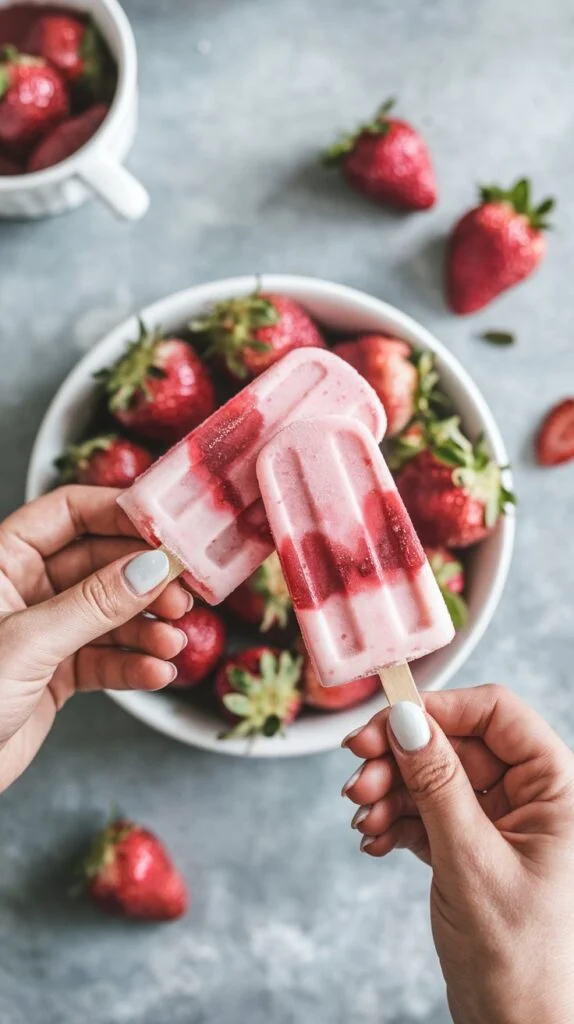
I’ve read hundreds of dog treat labels over the years, and honestly, many are filled with by-products, artificial flavors, and added sugars that dogs simply don’t need.
This recipe is different.
Strawberries are naturally rich in antioxidants and vitamin C. According to veterinary nutrition research, antioxidants help reduce oxidative stress, which plays a role in aging and inflammation in dogs. While dogs produce their own vitamin C, small natural sources from fruits can still provide supportive benefits.
Greek yogurt adds probiotics, which I’ve personally seen make a difference in dogs with mild digestive issues. In my grooming career, I’ve worked with countless dogs prone to sensitive stomachs, and balanced gut health often shows in their coat quality and stool consistency.
Most importantly, I control every ingredient. That peace of mind alone makes this recipe worth it.
Ingredients You’ll Need
Here’s what I use in my kitchen:
- 1 pound fresh strawberries, hulled
- 1 cup plain, unsweetened Greek yogurt
- 1/2 cup water or unsweetened coconut milk
- Optional: 1 tablespoon honey (only if strawberries are very tart, and used sparingly)
Ingredient Tips From My Experience:
- Always choose plain yogurt with no added sugar or artificial sweeteners. Xylitol is extremely toxic to dogs, even in small amounts.
- Organic strawberries are ideal when possible, as strawberries are often listed among produce with higher pesticide residues.
- If your dog is overweight or on a calorie-restricted diet, skip honey entirely.
Remember: treats should not exceed 10% of your dog’s daily caloric intake. For a 30-pound dog, that usually means treats should stay under roughly 100–150 calories per day depending on activity level.
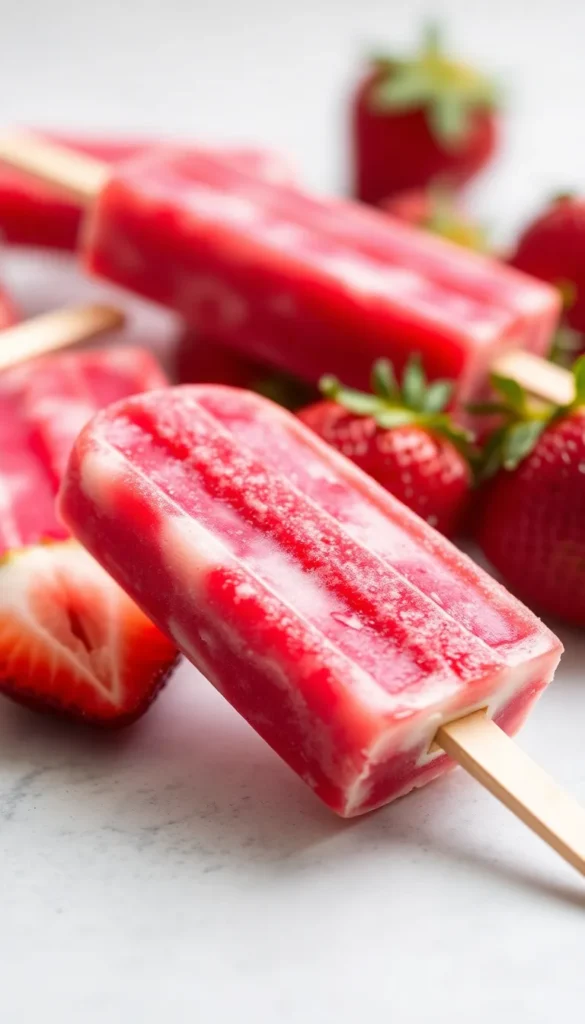
Making the Magic: Step-by-Step Instructions
Prep the Strawberries
Wash the strawberries thoroughly and remove the green tops. Clean produce is essential because dogs are more sensitive to contaminants than we are.
Blend It Up
Add strawberries, Greek yogurt, and water (or coconut milk) into a blender. Blend until smooth. If needed, add a small amount of honey.
I usually taste a tiny spoonful to check sweetness—but I never overdo the honey.
Pour into Molds
Pour the mixture into silicone molds, ice cube trays, or small paper cups. Silicone molds are my favorite because they’re easier to release.
Insert the Sticks
If using popsicle sticks, insert them once the mixture is partially frozen (about 45–60 minutes). This keeps them upright.
For safety, if your dog is a strong chewer, I recommend skipping sticks altogether and serving stick-free frozen cubes instead.
Freeze
Freeze for at least 4–6 hours, ideally overnight.
Unmold and Serve
Run molds briefly under warm water to release. Serve immediately and supervise your dog while they enjoy it.
I always supervise frozen treats to prevent gulping or choking.
Storage Instructions
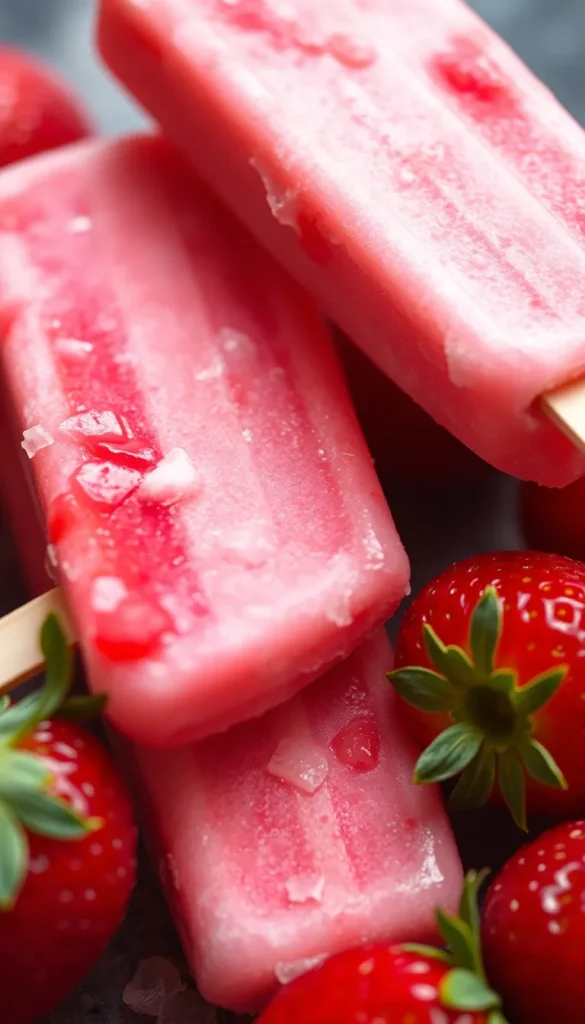
Store popsicles in an airtight container or freezer-safe bag for up to 2 months.
To prevent freezer burn:
- Remove excess air from storage bags
- Keep freezer temperature consistent
- Avoid repeated thawing and refreezing
If the texture becomes icy over time, they’re still safe, but freshness is best within the first month.
The Benefits of These Frozen Treats
Hydration Support
Dogs regulate heat primarily through panting. In summer, dehydration can happen quickly. Frozen treats provide supplemental moisture, especially helpful for dogs that don’t drink enough water.
Nutritional Boost
Strawberries contain fiber, manganese, and antioxidants. Yogurt provides protein and beneficial bacteria for gut health.
Mental Enrichment
Licking releases calming endorphins in dogs. I’ve used frozen treats for years to help anxious grooming clients settle down. Slow licking promotes relaxation.
Customizable Nutrition
You can adapt ingredients based on your dog’s needs—low-fat yogurt for weight control, dairy-free options for intolerance, or added blueberries for extra antioxidants.
Budget-Friendly
Making a batch at home costs significantly less than specialty dog frozen treats sold in boutiques.
Common Mistakes to Avoid
Too Much Sweetener
Dogs don’t need added sugar. Excess sugar contributes to obesity and dental disease. Nearly 59% of dogs in the U.S. are overweight or obese, according to veterinary surveys. Keep treats simple.
Using Toxic Ingredients
Never use grapes, raisins, chocolate, macadamia nuts, or products containing xylitol. When in doubt, consult your veterinarian.
Serving Portions That Are Too Large
Brain freeze can happen in dogs. I’ve seen it firsthand—sudden pause, head shake, confusion. Smaller portions reduce this risk.
Ignoring Dairy Sensitivity
Some dogs are lactose intolerant. Watch for loose stools after yogurt-based treats. If that happens, switch to coconut yogurt.
Using Unsafe Sticks
Thin wooden sticks can splinter or be swallowed. When I make these for my own dogs, I usually skip sticks entirely.
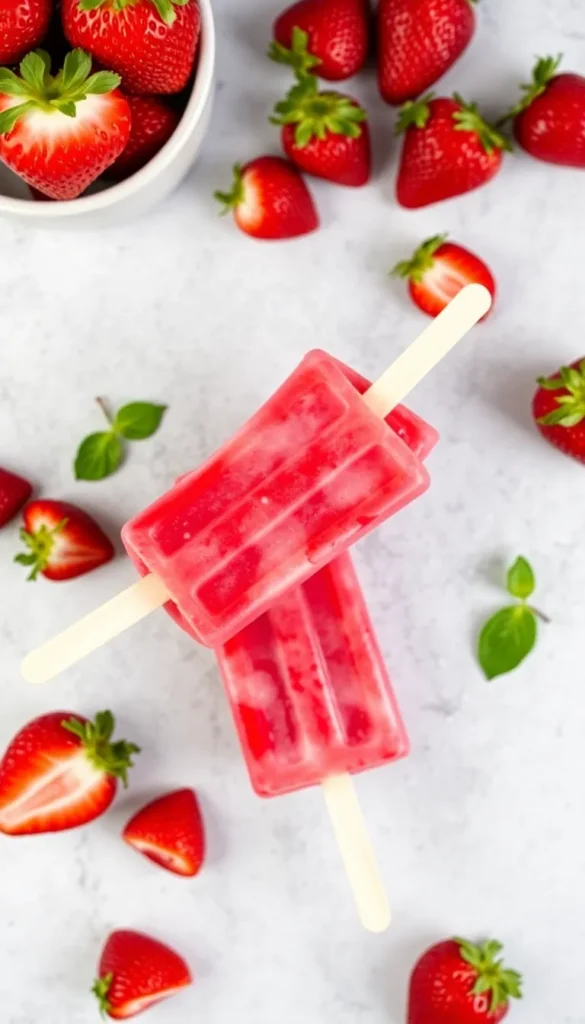
Popsicle Alternatives
If strawberries aren’t your dog’s favorite, I’ve tested plenty of other safe options over the years:
Banana Pops
Blend banana with a spoon of natural peanut butter and yogurt.
Watermelon Pops
Seedless watermelon blended with a splash of water. Extremely hydrating and low calorie.
Pumpkin Pops
Plain pumpkin puree with yogurt and a dash of cinnamon. Great for digestive support.
Chicken Broth Pops
Low-sodium chicken broth frozen into cubes. Ideal for picky eaters.
Sweet Potato Pops
Cooked, mashed sweet potato blended with yogurt for fiber and beta-carotene.
Always introduce new ingredients gradually and monitor for digestive changes.
FAQ
Can I use frozen strawberries?
Yes. Thaw slightly before blending for smoother texture.
My dog is lactose intolerant. What can I use instead of Greek yogurt?
Use plain, unsweetened coconut yogurt. Always check labels carefully.
How many popsicles can I give my dog per day?
One small portion per day is enough for most dogs. Adjust based on size, weight, and activity level.
My dog doesn’t like popsicles. What else can I try?
Spread the mixture on a lick mat or stuff it inside a food-dispensing toy before freezing.
Can I add other fruits or vegetables?
Yes—blueberries, carrots, and spinach are safe options. Avoid high-sugar fruits in large quantities.
My popsicles are too hard. What can I do?
Add slightly more water or yogurt next batch to soften texture.
How long do these popsicles last in the freezer?
Up to 2 months when stored properly, though best used within 4 weeks for optimal freshness.
Final Thoughts
After two decades of hands-on experience with dogs—from grooming tables to homemade meal prep—I truly believe simple, whole-food treats are one of the best ways to show our dogs love while protecting their health.
These DIY Strawberry Dog Popsicles are refreshing, nutritious, and easy to customize. More importantly, they give you full control over what your dog is eating.
Your dog doesn’t need flashy packaging or artificial flavors. They need you, your care, and safe, thoughtful nutrition.
Make a batch, supervise treat time, and enjoy watching that happy tail wag.
All content on this site is written and reviewed by our experienced team to ensure it is accurate, reliable, and helpful for our readers. Our Our Process page explains how we carefully research and create high-quality content, while our Team page introduces the professionals behind our work. We also provide clear guidelines for content or image concerns on our Image Removal page, so you can trust that we prioritize transparency, quality, and reader safety.
🐾 Reviewed & Approved by Our Pet Experts
Every recipe on Dogs Life Journey is carefully researched, reviewed, and written by experienced pet care specialists to ensure it is safe, nutritious, and pet-friendly.
Cat Care & Nutrition Specialist
Dog Health & Recipe Expert
Rabbit Care & Diet Expert